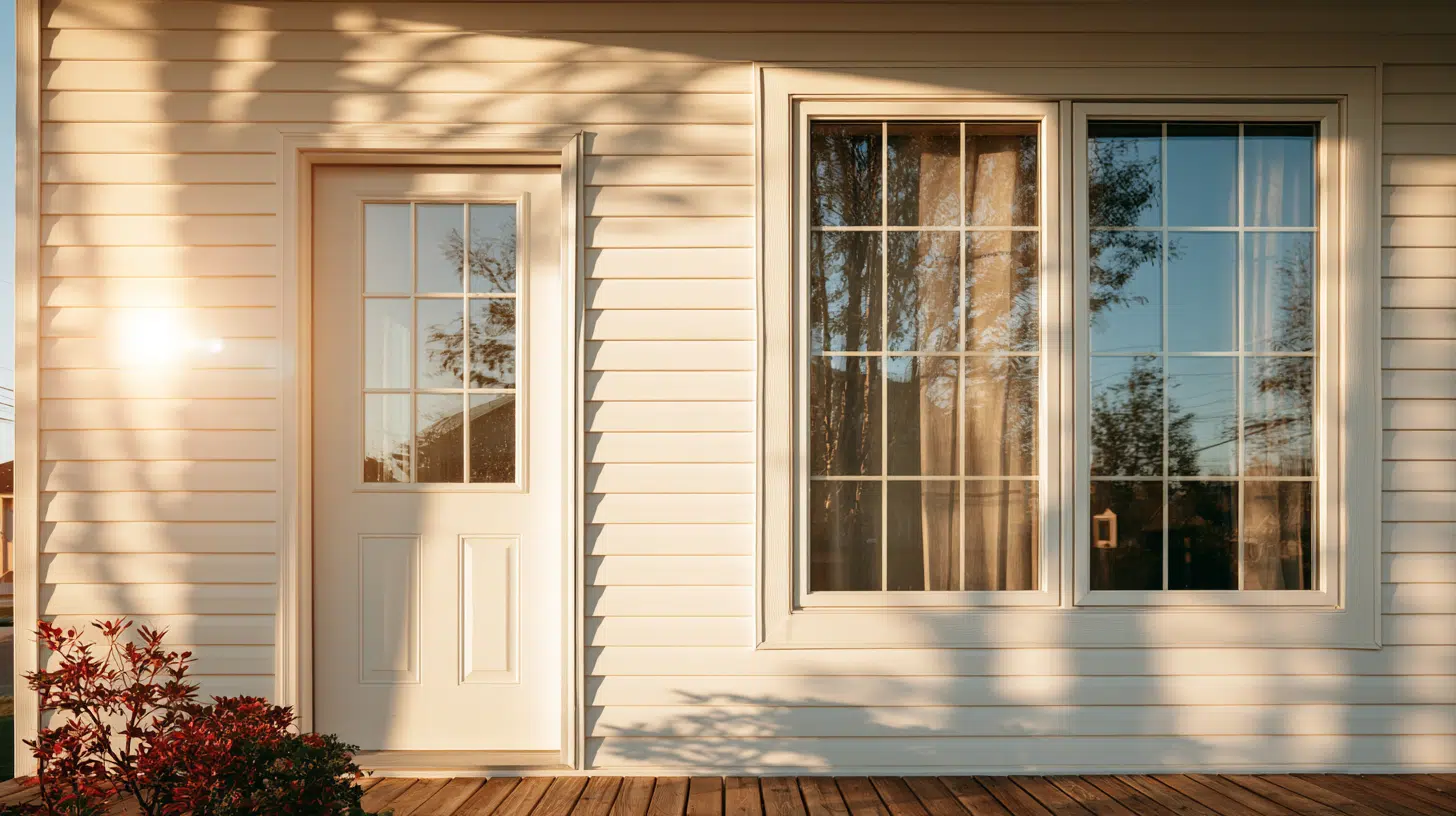

A whole-house siding replacement typically ranges between $8,000 and $30,000, according to 2026 national cost guides. Installed pricing lands roughly between $3 and $45 per square foot of wall, depending on the siding material and how hard the house is to work on. Most homeowners land in the $5,000 to $25,000 band. Siding is one of the larger home improvement project budgets a household will plan, and this guide covers material costs, the factors that move a project total, and how to read a bid from a siding contractor without getting blindsided.
How Much Does Siding Cost per Square Foot on Average in 2026?
Two definitions carry the rest of this article. A siding square equals 100 square feet of wall, which is how contractors quote materials and labor. And your home’s exterior wall area is not its living area. Confusing the two is the fastest way to misjudge a budget.
| Project tier | Typical total |
Low (small home, basic vinyl, simple layout) | $5,000 to $9,000 |
Typical | $12,000 to $17,000 |
| High (large or complex home, premium cladding) | $25,000 to $45,000+ |
Published averages disagree, and that is normal. Angi puts the range at $5,554 to $17,717, Fixr at $8,500 to $20,000, and This Old House at $8,000 to $30,000. Each models a different house, mix of siding materials and project scope. Around $10 per square foot installed is a reasonable mental anchor, and published siding prices are best read that way rather than as a quote.
Siding Material Costs: Comparing Common Siding Materials
Siding material | Installed cost per sq ft |
Engineered wood siding | $2 to $10 |
Vinyl siding | $3 to $12 |
Aluminum or metal siding | $3 to $16 |
Natural wood siding | $2 to $15 |
| Fiber cement siding | $5 to $14 |
| Stucco | $7 to $17 |
| Brick veneer | $3 to $13 |
| Natural stone | $20 to $45 |
Budget Tier: Vinyl Siding and Engineered Wood
Vinyl siding is the volume leader, with panel materials alone running $1 to $8 per square foot. Full vinyl siding cost on a standard home often lands between $5,000 and $14,000, which is why many homeowners treat it as the cost effective default. Engineered wood sits close behind, roughly $7 to $15 installed, and lasts about 20 years with minimal upkeep. Both go on fast, which holds labor hours down.
Mid-Range: Fiber Cement Siding and Wood Siding
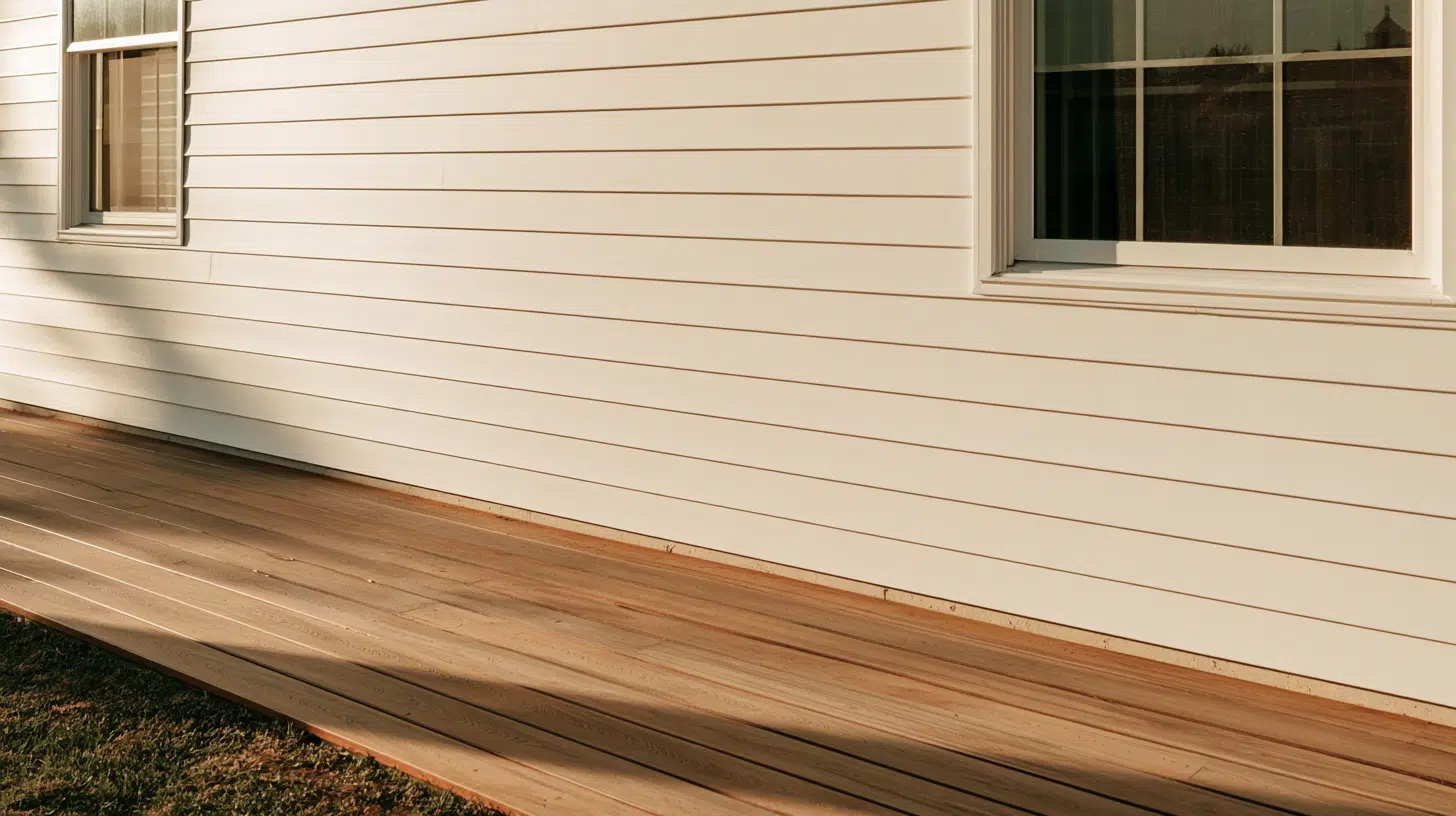
Fiber cement siding, best known through James Hardie siding, buys fire resistance and durability at a higher labor cost, since the boards are heavy and cutting them requires dust control. Natural wood siding spans $2 to $23 per square foot and needs regular sealing or painting to prevent rot, so count that money as part of the lifetime cost. Real wood also carries an authentic look that printed grain patterns only approximate. Aluminum siding and other metals resist dents and suit a contemporary look.
Premium Materials: Durable and Low Maintenance
Stucco needs skilled application and can crack if the foundation moves. Brick veneer and natural stone deliver durability and low maintenance at roughly $8 to $38 per square foot installed, and their aesthetic appeal is part of what the premium buys, though they are a different wall assembly rather than a siding swap. Ranges overlap because grade, profile, finish and wall prep often matter more than the siding type itself.
How Do You Measure the Siding Area of Your Home’s Exterior?
The Vinyl Siding Institute’s method is straightforward:
- Measure height and width of each rectangular wall section and add them up.
- Add gables: half the base times the height, per gable.
- Subtract unusually large openings only. Windows and standard doors stay in as a waste allowance for cut materials.
A one-story 40-by-30-foot home with 9-foot walls has a 140-foot perimeter, so 1,260 square feet of wall. Add two 6-foot gables and you are at 1,440 square feet, or 14.4 squares. At $6 to $15 per square foot installed, that is a planning budget near $8,640 to $21,600. Never multiply living-area square footage by a cost-per-square-foot figure, and let contractors confirm the number onsite.
What Drives Up Labor Costs and Total Project Cost?
Siding installation labor alone runs roughly $2 to $12 per square foot nationally, with some regional markets reporting $1.50 to $4, since labor rates track local wages. What moves it:
- Measured wall area, a huge factor in the total cost and the single biggest input.
- Stories and access, since scaffolding, lifts and fall protection slow installation down.
- Architectural complexity: dormers, bump-outs and many windows mean more cuts and more wasted materials.
- Tear-off and disposal of old siding, commonly $1,000 to $2,500.
- Hidden rot and sheathing repair, invisible until the old siding is off the wall.
- Trim, soffit and fascia, often separate line items.
- Field painting versus factory finish, where custom color can add $1 to $2 per square foot.
- Permits, roughly $30 to $500 in many jurisdictions and up to $1,500 in some guides.
- Lead or asbestos precautions on pre-1978 homes, where the EPA’s Renovation, Repair and Painting rule may apply and old cement siding should be assessed before anyone cuts it.
What contractors find after demolition drives most change orders, so repair pricing belongs in the contract up front.
What Should a Complete Siding Quote Include?
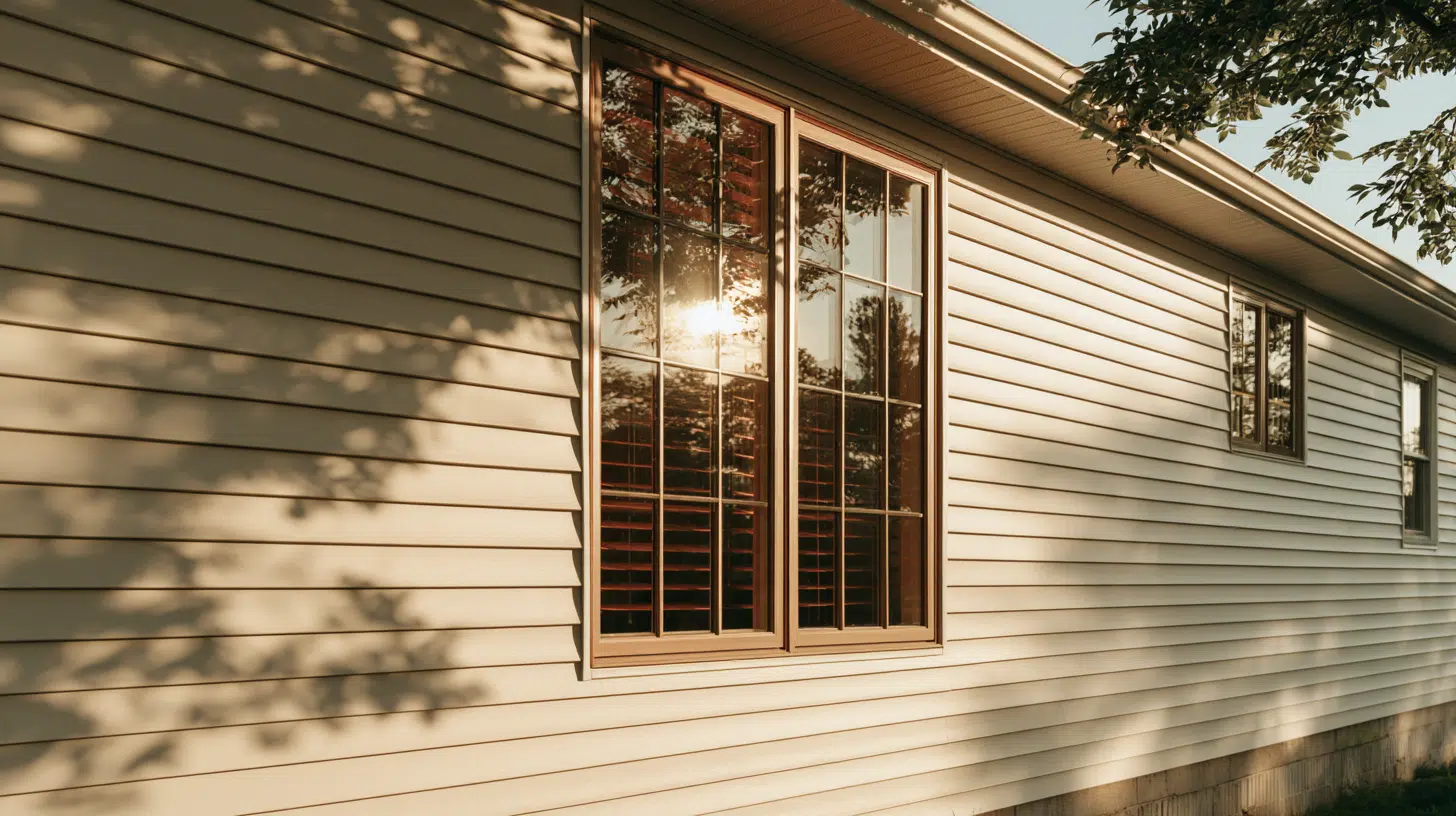
Siding sheds most of the rain, and the barrier and flashing behind it handle what gets through. The 2024 International Residential Code treats siding as part of a weather-resistant wall system requiring a continuous water-resistive barrier and corrosion-resistant flashing, so a cheap panels-only bid may not describe a complete siding installation. Ask for itemized materials, labor, equipment, waste, permit and tax detail instead of a lump sum.
A full quote covers the entire process and names measured squares; manufacturer, product line and thickness; tear-off; the water-resistive barrier; flashing at windows, doors and roof-wall intersections; trim and fascia; a sheathing repair unit price; painting scope; permits; workmanship and material warranties; and the payment schedule.
Who Handles the Window Openings and Flashing?
Siding and window work share the same trim and flashing details, so each bid must say who owns them. Northern California homeowners can compare that combined exterior scope against the services described by Elevate Construction & Window Installation, then collect bids from two more contractors on identical specifications.
How Do You Compare Siding Quotes Apples to Apples?
- Confirm every bid is priced off the same measured wall area.
- Compare exact product lines, not broad categories of materials.
- Check whether tear-off, trim and painting are included.
- Compare sheathing-repair unit prices side by side, since they make a significant difference once the walls are open.
- Verify license and insurance. California readers can check a siding contractor through the CSLB, which advises three written bids on identical scope.
Multiple quotes are the only reliable way to see where a reputable contractor sits in your market. The lowest cost per square foot is rarely the lowest overall cost, and the best deal is usually the bid that leaves the fewest gaps.
How Does Climate and Fire Risk Affect Siding Material Choice?
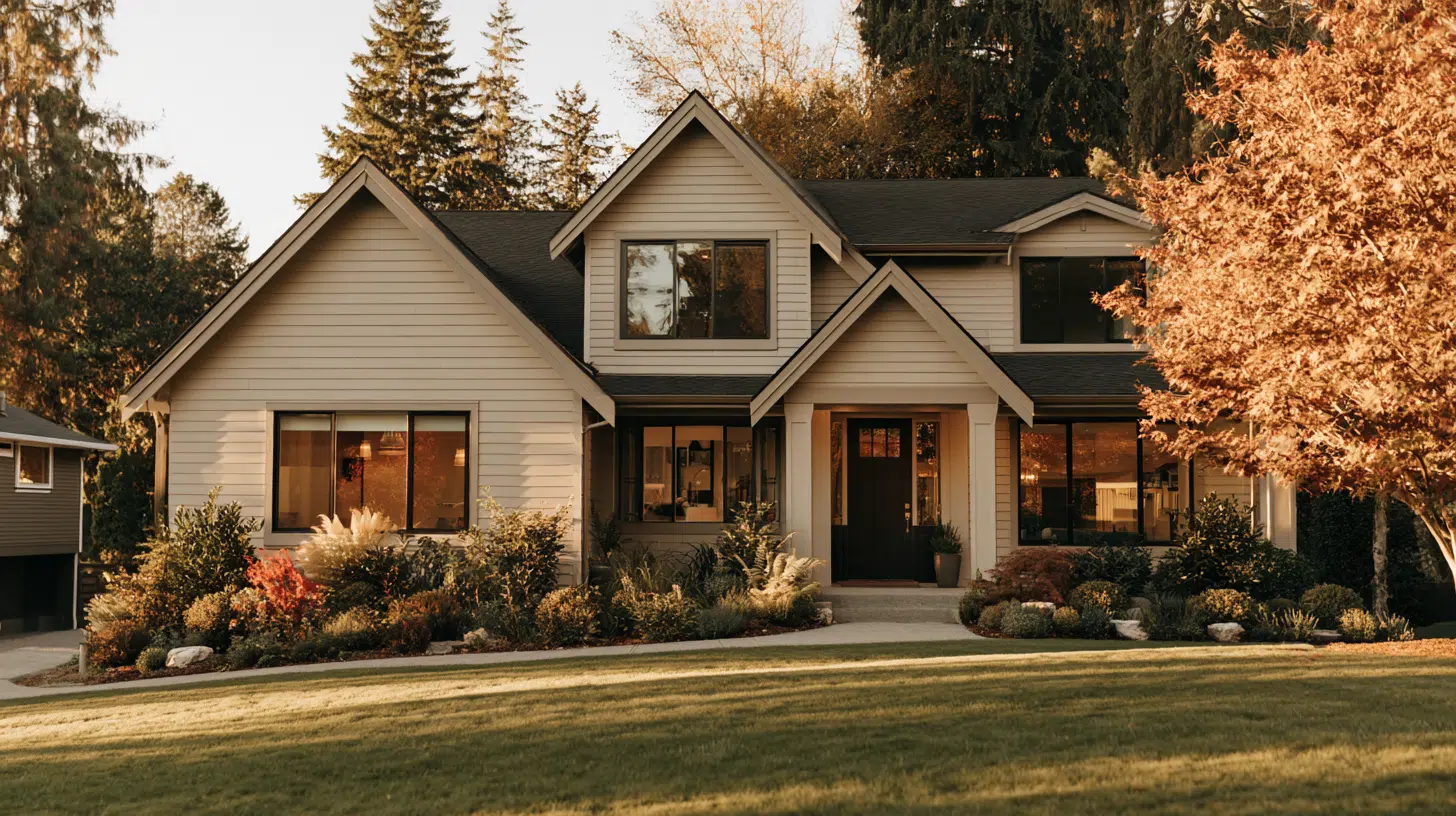
Harsh weather narrows the siding options quickly, because salt air, high wind and freeze-thaw cycles change what holds up and how it must be fastened. In wildfire-exposed areas, CAL FIRE’s home-hardening guidance calls for repairing gaps and rot and using noncombustible or ignition-resistant siding near grade, which is a strike against untreated wood siding. Homeowners weighing fiber cement siding in Northern California can use a regional specialist such as Modern Construction Group as one pricing reference while confirming Wildland-Urban Interface rules and licensing.
Should You Repair, Paint, or Replace Your Old Siding?
Repair makes sense for isolated damage: a few cracked boards, a failed run of trim, one impact spot. Paint when the siding is sound and nothing is getting behind it. Replace when rot or wall-system failure is widespread, which is common on neglected wood siding. Installing new siding over old siding is sometimes allowed and saves tear-off cost, but it hides damage and may conflict with code.
Can You Install Vinyl Siding Yourself, or Hire the Right Siding Contractor?
Labor is often half the project, so the chance to save money looks real on paper. Installing siding on a full house can absorb 50 to 150 hours, and the failures that appear two winters later are almost always flashing and barrier errors, not crooked panels. Manufacturers also tie warranty coverage to installation that follows their published specification, which argues for experienced contractors.
Does New Siding Improve Energy Efficiency and Resale Value?
Stripping the walls exposes cavities you cannot normally reach. DOE retrofit guidance shows how siding replacement pairs well with air sealing, insulation repair or exterior continuous insulation, and those measures do far more for energy efficiency than the cladding alone. A tighter, better insulated wall is what actually makes a house energy efficient, and it shows up in heating and cooling costs rather than in the panels. No standard payback figure exists, so price those upgrades on their own merits. New cladding does reliably lift a home’s curb appeal.
| Material (1,250 sq ft modeled) | Job cost | Resale value | Recouped |
Fiber cement | $21,485 | $24,420 | 114% |
| Vinyl | $17,950 | $17,313 | 97% |
Those are 2025 JLC/Zonda Cost vs. Value figures from standardized projects, modeled costs and a survey of more than 6,000 real estate professionals. Treat them as a benchmark, not a promise.
Frequently Asked Questions About Siding Costs
How much does 1,000 square feet of siding cost? For 1,000 square feet of measured wall, expect roughly $3,000 to $15,000 installed, depending on material grade and wall complexity.
What is the cheapest way to side a house? Standard vinyl siding in a simple profile, with minimal trim changes and no tear-off where code allows installing over sound old siding. Materials alone run $1 to $8 per square foot.
What is the average cost to replace house siding? 2026 guides land between $8,000 and $30,000, with averages reported from about $11,600 to $19,000. A 1,500 square foot home usually has 1,600 to 2,000+ square feet of wall, so figure $10,000 to $25,000.
The Bottom Line on Siding Costs
Materials are one input among several. Measured wall area, access, tear-off, hidden repairs and the scope the contract actually covers decide the final cost. Get three bids built on the same measured area and the same written specification, then compare what each one buys. That comparison is what turns a siding project into an informed decision instead of a guess.

Holding a Master’s in Architecture from the University of Texas at Austin, Emily Rodriguez has dedicated more than two decades to the art and science of building renovation. Starting her journey in historic preservation, she developed a profound respect for blending old with new in building design. Emily became a vital part of our team in 2019, renowned for her insightful and innovative renovation tips. She has been leading our DIY home improvement series since ever since, where she shares her wealth of knowledge in turning outdated spaces into modern havens. When not engaged in writing or consulting, Emily is a passionate advocate for heritage conservation and enjoys exploring vintage architecture, a hobby that complements her professional expertise.