
Windows are essential for managing the interior environment of a house – these structures provide sunlight and airflow but their physical state also determines how a house retains or loses heat.
Frames with damage, seals that are thin or glass that fits poorly can make it difficult for residents to maintain stable indoor temperatures. Identifying indicators of inefficient windows helps residents decide if upgrades are necessary to prevent stress on mechanical systems.
Air Movement Near Windows
A clear sign of inefficient windows is the presence of air currents near the frame. When outdoor air enters through gaps or broken weatherstripping, conditioned indoor air escapes. Residents often detect this movement on days with high wind or when they are near glass during cold weather – these drafts make specific areas of a room feel cold or hot even when the rest of the building is at a stable temperature.
Constant air movement is a reason that heating and cooling machines run for extended times. During the winter, a furnace must work more to replace heat that escapes through gaps. In the summer, air conditioning units face higher demand. If a resident requires furnace repair Brampton, fixing sources of heat loss is a helpful step to improve the overall efficiency of the property.
Condensation and Liquid Buildup
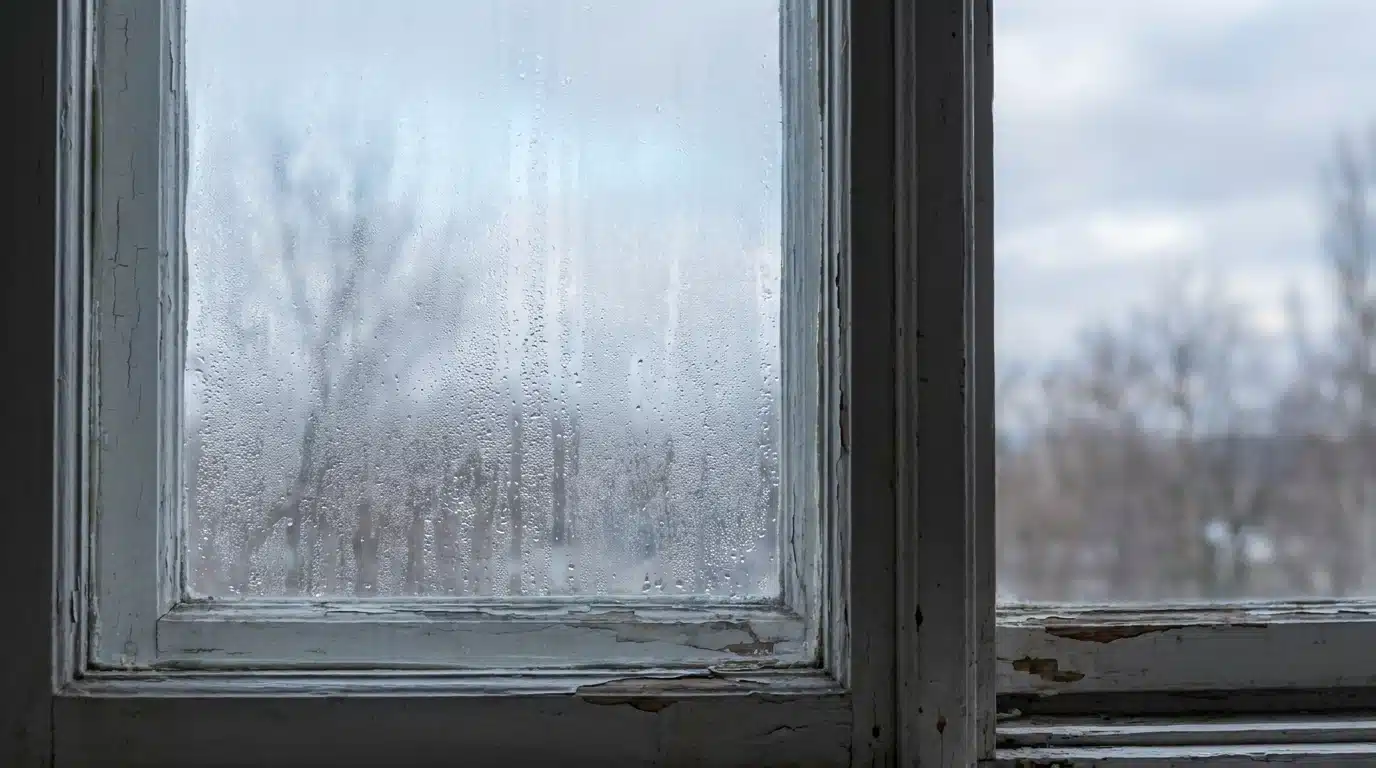
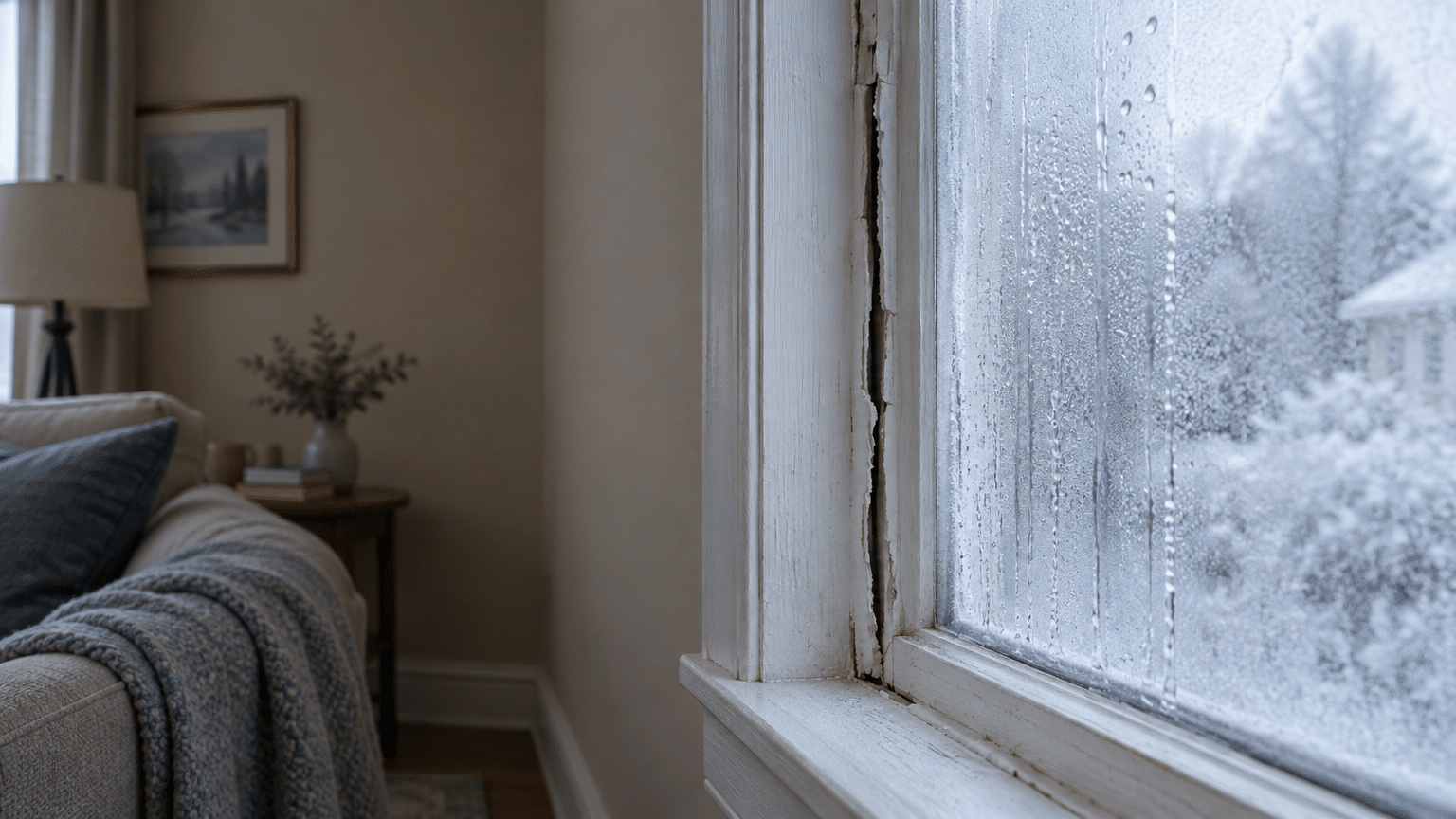
Water droplets on the interior glass surface show that warm indoor air is touching a cold surface. Occasional moisture is a result of temperature differences between the interior and exterior but frequent buildup requires attention. Constant moisture is a cause of frame decay, stains and the growth of fungi if the liquid stays on the surface for a long time.
Moisture between the layers of double paned or triple paned windows is another indicator of a problem – this occurs when the seal between the glass layers is broken, which allows water to enter the gap. When this seal is no longer intact, the window is less effective at blocking heat transfer. Residents who see fog or water trapped inside the glass should have a technician inspect the window.
Variable Indoor Temperatures
Windows that are in poor condition are often responsible for different temperatures in various rooms. Areas with large windows are frequently colder in the winter or hotter in the summer than rooms located in the center of the house – these differences are obvious when certain rooms require more heating or cooling to stay comfortable.
Inconsistent temperatures are also a reason that residents change thermostat settings often. While many factors cause temperature changes, windows are as important as HVAC. Comparing temperatures in rooms with different window styles helps clarify if the windows are the source of the heat loss.
Increased Energy Use
A slow rise in energy consumption is sometimes an indicator that a house is failing to retain conditioned air. Inefficient windows allow heat to pass through the glass and frames, which forces climate control machines to work harder. Residents see this through higher utility costs, especially when their daily habits remain the same.
Energy bills are not the only way to judge window quality – Weather changes, thermostat habits and fuel prices are also factors that change costs. Rising bills combined with drafts and condensation are a strong reason to examine the windows.
Structural Damage to Frames and Seals
Visible decay on window frames is a factor in low efficiency. Caulking with cracks, warped wood or plastic and gaps in the installation are paths for outdoor air – these issues are common as windows get older or after they experience long periods of sun and rain.
Residents should also check windows that are hard to open, close or lock. Mechanical faults are not always a sign of energy loss but they show wear that leads to seal failure. Repairing small problems or replacing components that are broken helps the window function as intended.
Assessing Window Quality
Finding these signs is not a reason to replace every window immediately. Residents can find which windows have the most damage and check if new weatherstripping or glass repairs are enough to fix the issue. An expert assessment is a good way to tell the difference between heat loss from windows and problems with insulation or ventilation.
Improving the quality of windows is a way to create a stable indoor environment and lower the energy needed for temperature control. Windows are an important part of a house to evaluate alongside doors and mechanical systems. Fixing weaknesses in these areas helps residents keep their property efficient and comfortable.

Holding a Master’s in Architecture from the University of Texas at Austin, Emily Rodriguez has dedicated more than two decades to the art and science of building renovation. Starting her journey in historic preservation, she developed a profound respect for blending old with new in building design. Emily became a vital part of our team in 2019, renowned for her insightful and innovative renovation tips. She has been leading our DIY home improvement series since ever since, where she shares her wealth of knowledge in turning outdated spaces into modern havens. When not engaged in writing or consulting, Emily is a passionate advocate for heritage conservation and enjoys exploring vintage architecture, a hobby that complements her professional expertise.