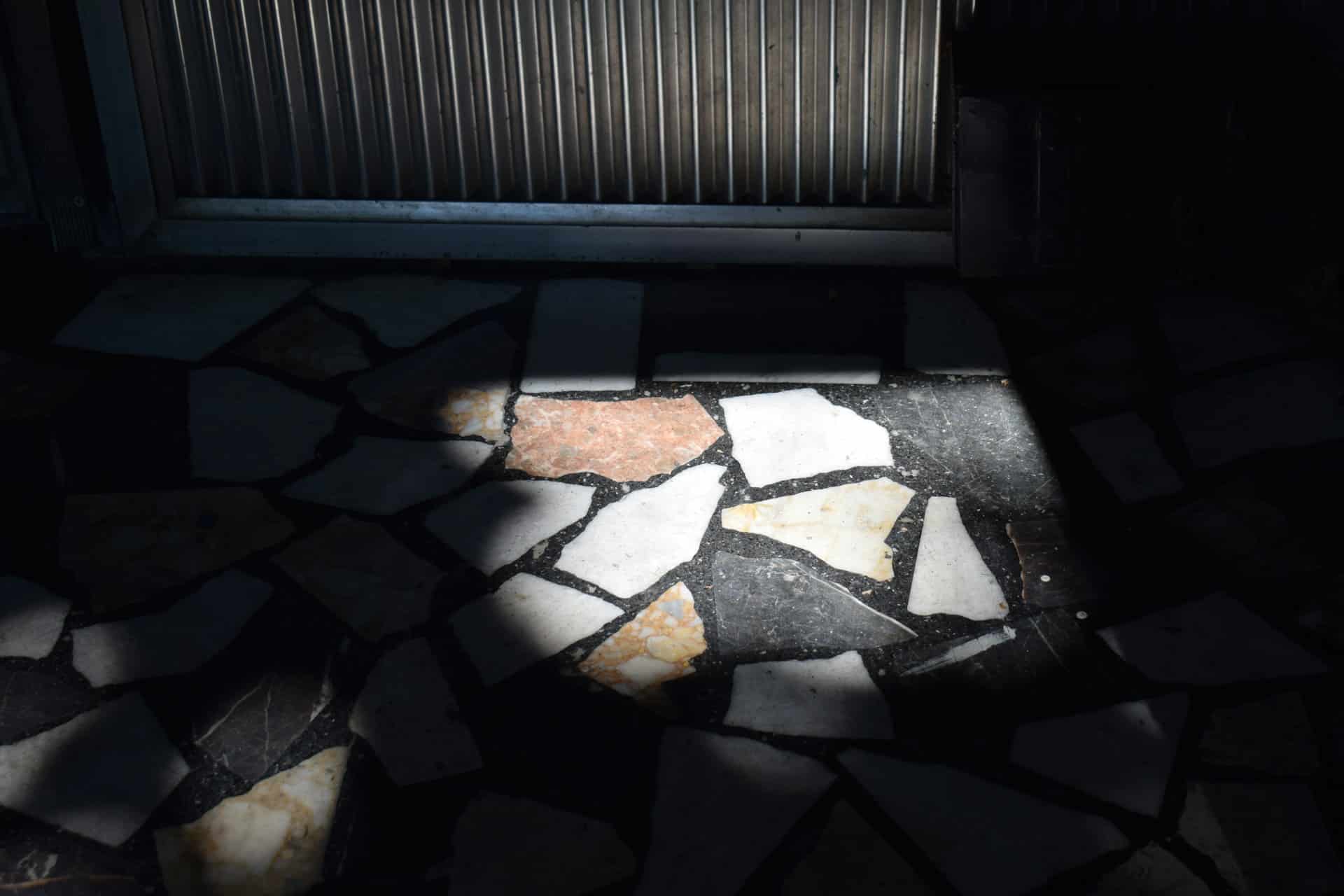

Whether you’re an interior designer embarking on a new project or a seasoned professional seeking to infuse spaces with timeless beauty, Terrazzo tile offers a versatile and sustainable option. Known for its rich history and unparalleled craftsmanship, Terrazzo tile is increasingly popular in modern interior design.
This guide will explore the unique characteristics of Terrazzo, essential considerations for selection, and innovative ways to incorporate it into your designs. Additionally, we’ll highlight how sustainable sourcing and the latest design trends can enhance your projects.
Exploring the Rich History and Craftsmanship of Terrazzo Tile
Terrazzo’s roots trace back to 15th-century Italy, where it was first used by Venetian artisans. These craftsmen utilized marble remnants to create a durable and visually appealing flooring option.
The intricate process involved grinding and polishing, which remains integral to Terrazzo production today. Understanding this craftsmanship helps designers appreciate the artistry behind each tile, making it a luxurious choice for interiors.
Modern Terrazzo tiles often incorporate recycled materials, aligning with sustainable sourcing practices. This eco-friendly approach not only preserves the environment but also contributes to earning LEED Certification points, a sought-after credential in sustainable building. Such practices highlight Terrazzo’s enduring appeal and relevance in contemporary design. For those looking to Shop Terrazzo Tile, exploring diverse options can lead to surprising discoveries.
With its storied past and commitment to sustainability, Terrazzo tile continues to be a favored choice for designers aiming to create spaces that honor tradition while embracing modern efficiency.
Key Characteristics That Define Terrazzo Tile
Terrazzo tile is celebrated for its durability, versatility, and aesthetic appeal. Composed of marble, quartz, granite, glass, or other suitable materials, Terrazzo offers a wide range of color and pattern options. This versatility makes it an excellent choice for both residential and commercial spaces where personalized design is key.
One of Terrazzo’s standout qualities is its R-value, which measures thermal resistance. High R-value tiles contribute to energy efficiency by maintaining room temperature, a crucial consideration during the design development phase. This characteristic, coupled with its resistance to wear and tear, ensures long-lasting performance in high-traffic areas.
Additionally, the tactile materials used in Terrazzo flooring provide a sensory experience that enhances the emotional impact of a space, a principle grounded in environmental psychology in design.
Essential Considerations When Choosing Terrazzo Tile for Interiors
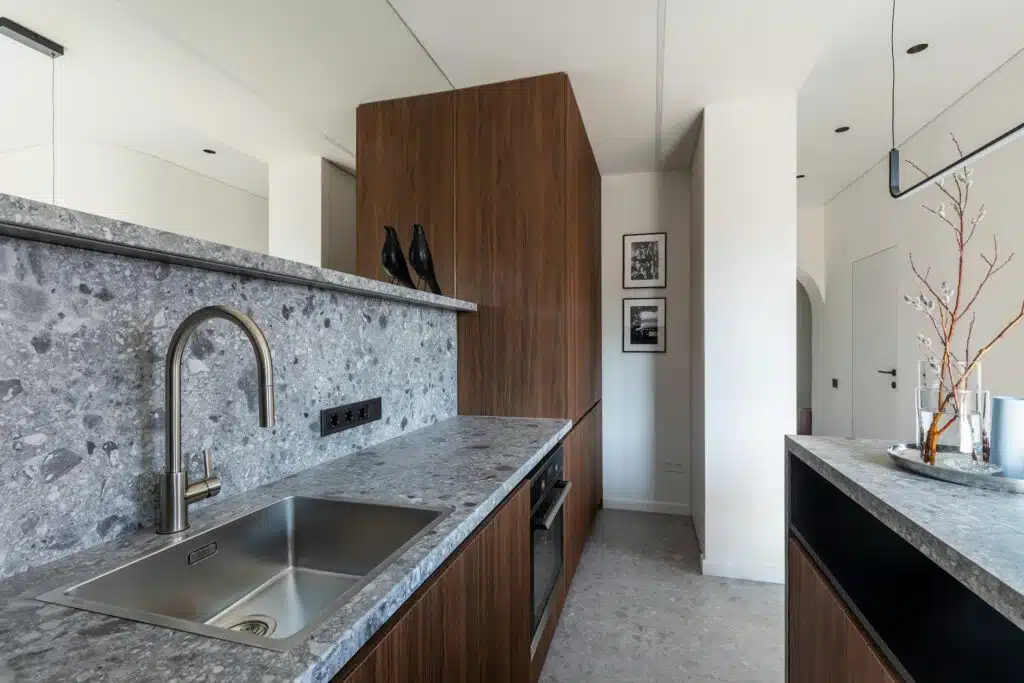
When selecting Terrazzo tile, interior designers must consider several factors to ensure the best fit for their projects. First, the spec book, which details materials, colors, and finishes, is an invaluable resource during the selection process. It ensures consistency with the overall design vision and project specifications.
Another critical consideration is acoustical treatment. Terrazzo tile can contribute to noise control in environments where sound quality is essential, such as office spaces and educational institutions. Selecting the right underlayment can enhance this property, creating a more comfortable acoustic environment.
Additionally, egress requirements, which address safe exit routes, must be considered. Terrazzo’s non-slip surface and durability make it a suitable choice for ensuring compliance with safety standards.
Innovative Design Ideas for Incorporating Terrazzo Tile in Spaces
Terrazzo tile offers endless possibilities for creative expression in interior spaces. One innovative idea is to use Terrazzo as a statement wall, adding texture and visual interest to a room. This application can transform an otherwise plain wall into a focal point that draws the eye.
Incorporating Terrazzo into millwork, such as custom furniture or cabinetry, is another exciting approach. This technique allows designers to seamlessly integrate Terrazzo’s unique patterns with other elements, enhancing the overall cohesiveness of the space.
For those looking to Shop Terrazzo Tile, exploring diverse options can lead to surprising discoveries. For instance, the use of 3D modeling tools like CAD can help visualize Terrazzo layouts during the design phase, ensuring that the chosen patterns and colors align with color theory in design principles. As you explore options, consider how Terrazzo can harmonize with other design elements to create a balanced and aesthetically pleasing environment.
Conclusion
Terrazzo tile is not just a flooring material; it is a testament to centuries of craftsmanship and modern innovation. Its versatility, sustainability, and aesthetic appeal make it an ideal choice for interior designers seeking to create impactful spaces.
By understanding its history, characteristics, and design potential, designers can confidently incorporate Terrazzo into their projects, knowing it will stand the test of time. For those interested in exploring the possibilities, a wealth of options await when you Shop Terrazzo Tile.

With a Master in Architectural Studies from University of Pennysylvania, Marwa Haydar has pioneered living spaces since 2005. Her expertise, initially honed in a prestigious architectural firm, is evident in her approach to creating environments. Marwa became part of our team in 2019 and has since been a driving force in our home improvement section, known for her practical yet stylish solutions. She’s been spearheading our design workshops since then, infusing her passion for teaching into her work. In her leisure time, Marwa enjoys exploring historic architecture and is an enthusiastic pottery hobbyist, further enriching her understanding of form and texture.