
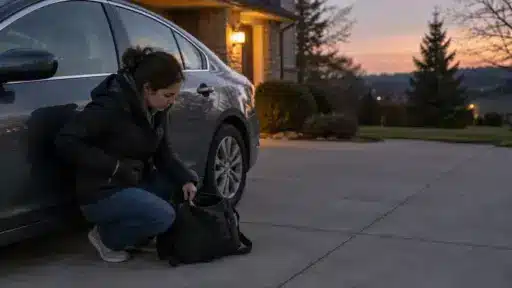
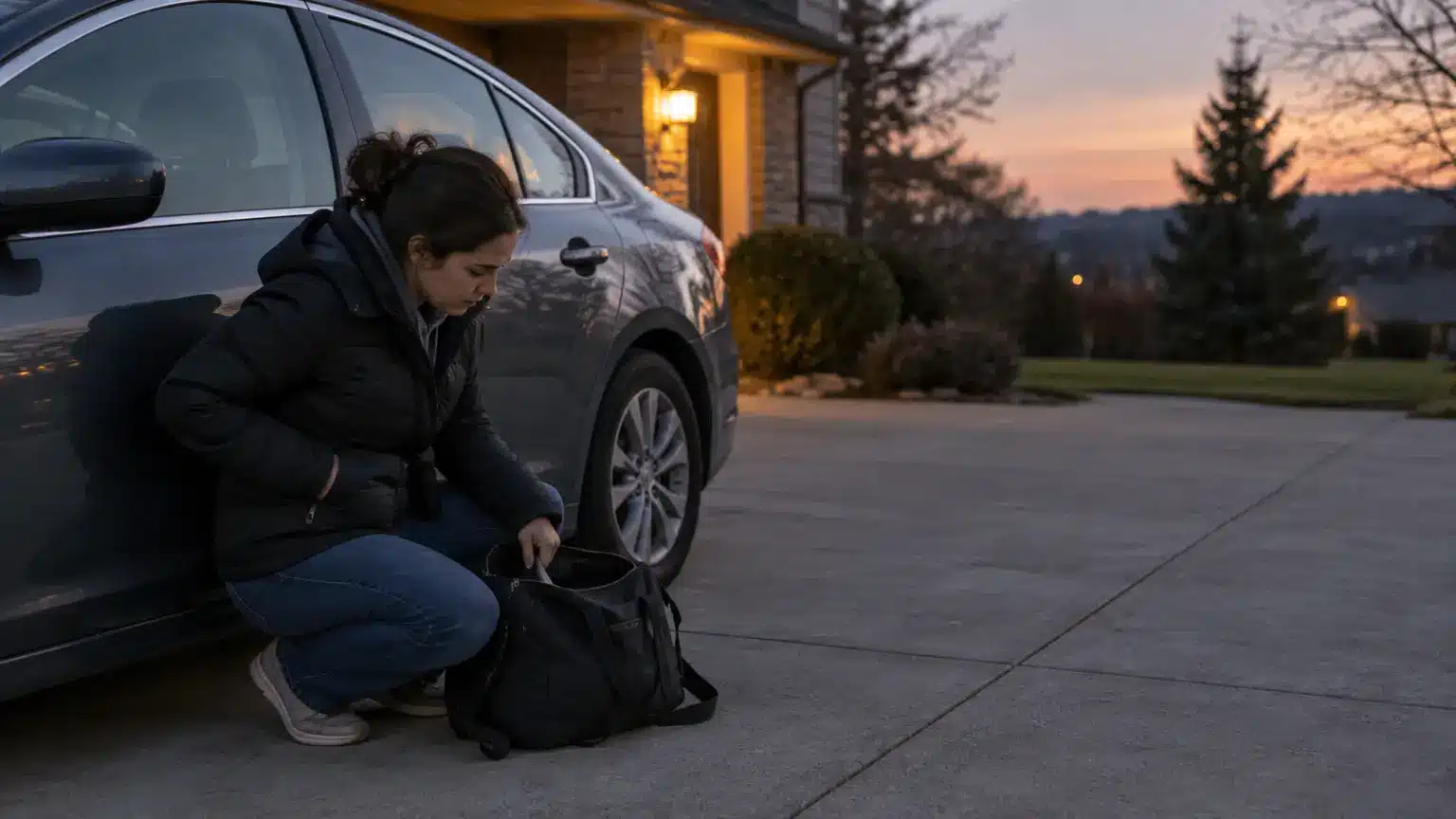
A missing car key can interrupt an ordinary day within seconds. Before canceling everything or ordering the first replacement you find online, separate the immediate problem from the next steps.
You need to establish where the vehicle is, whether another authorized key exists, and who can help with the particular vehicle. A short, organized response makes the situation easier to explain and reduces avoidable confusion. If you are away from home, tell someone you trust where you are and how you can be reached.
Search Carefully and Gather Vehicle Details
First, retrace your movements methodically. Check the bag, jacket, checkout counter, and places where you put things down while carrying something else. Ask anyone traveling with you to search a different area instead of repeating the same checks. If the car is in a managed parking area, contact the operator about lost property. Set a reasonable stopping point so searching does not continue indefinitely.
Gather the information a provider will need before making calls. Have the vehicle’s make, model, year, and location available, along with identification and documentation showing your authority to request access or a replacement.
Explain whether every key is missing or a working spare remains. Tell the provider if the vehicle is locked and whether you can safely remain nearby while arrangements are made. Mention parking restrictions or difficult access, since these details may affect how assistance can reach the vehicle.
When comparing help, ask about the complete job rather than the price of a blank key. Prestige Locksmith’s lost car key replacement page is one resource for drivers seeking service in its Louisiana coverage area.
Confirm directly whether the provider supports your exact vehicle and key type. Ask whether the quoted work includes cutting, any required programming, travel, and testing before you agree to proceed.
Compare Replacement Options Before Buying
Be cautious about buying an unfamiliar remote or key online before compatibility is confirmed. Similar appearances do not establish that two products work with the same vehicle.
Ask the professional who will complete the work whether they can use a customer supplied item and what happens if it proves unsuitable. Keep the seller’s return conditions in mind before spending money on a part you cannot test.
A clear and specific answer about compatibility should come before an order, particularly when the listing describes several different vehicle applications.
If a key may have been stolen, explain that concern when arranging assistance. Replacing a missing item and addressing its potential use by someone else are separate questions.
Ask what options apply to the vehicle’s electronic credentials and mechanical locks. The appropriate response depends on its equipment and circumstances, so avoid assuming that a new remote automatically resolves every access concern.
Once a replacement is ready, test the functions included in the agreed work while the provider is present. Check entry, locking, and starting as applicable, and ask for instructions relevant to the supplied key. Keep the invoice and any warranty terms somewhere accessible.
If anything behaves unexpectedly, describe the symptom immediately rather than discovering the problem when you next need to leave quickly. Ask who to contact afterward if you have questions, and save that number alongside the paperwork for future reference.
Make a Spare Key Plan
Finally, make a spare plan that suits your routine. Store an authorized spare securely away from the vehicle and decide who could bring it to you if needed. Use a consistent place for everyday keys and update that habit when your schedule changes.
Preparation cannot prevent every loss, but it can turn the next misplaced key into a manageable interruption instead of an entire day spent improvising. Review the arrangement with anyone who regularly shares your car.

Journalist Chloe Rivera studied at the University of Missouri and has covered mindful, stylish living since 2013. She joined us in 2025 to curate realistic routines, budget-friendly décor, and community stories that help readers craft balance without perfection pressure. When offline, Chloe volunteers at urban farms, photographs street style, and hosts weekend swap parties for preloved clothes and books in her neighborhood.