
Adding a sauna to your home can be a good way to improve the space. A sauna gives you a place to relax and brings a useful feature to your house. But, putting in a sauna means more than picking one and finding a place for it.
You have to think about space, airflow, electrical needs, the stuff used to build it, and the work to keep it in good shape. These things should be looked at before you start.
If you want home saunas, it’s good to think about where it will go and how it works with your house and your day-to-day life. Indoor and outdoor saunas each need a different amount of room.
They use different ways to heat up and have their own building needs. Knowing this from the start can help you avoid extra costs. It also makes the whole process easier for you.
1. Choose the Right Location
Location is one of the first things to think about when you plan a home sauna. You can put an indoor sauna in a bathroom, basement, spare room, or in a space you use for wellness in the house. Outdoor saunas can go in the yard, on a patio, or in any good outside area.
The space you pick should be big enough for the sauna, the door, seats, and a safe way to get in. You also need to think about how far it is from electrical lines and water, based on the kind of sauna you choose. A spot that is easy to get to can help you use it more often.
2. Understand Different Sauna Types
There are many types of saunas. Each one uses a different way to heat up. They also need different steps for setting up.
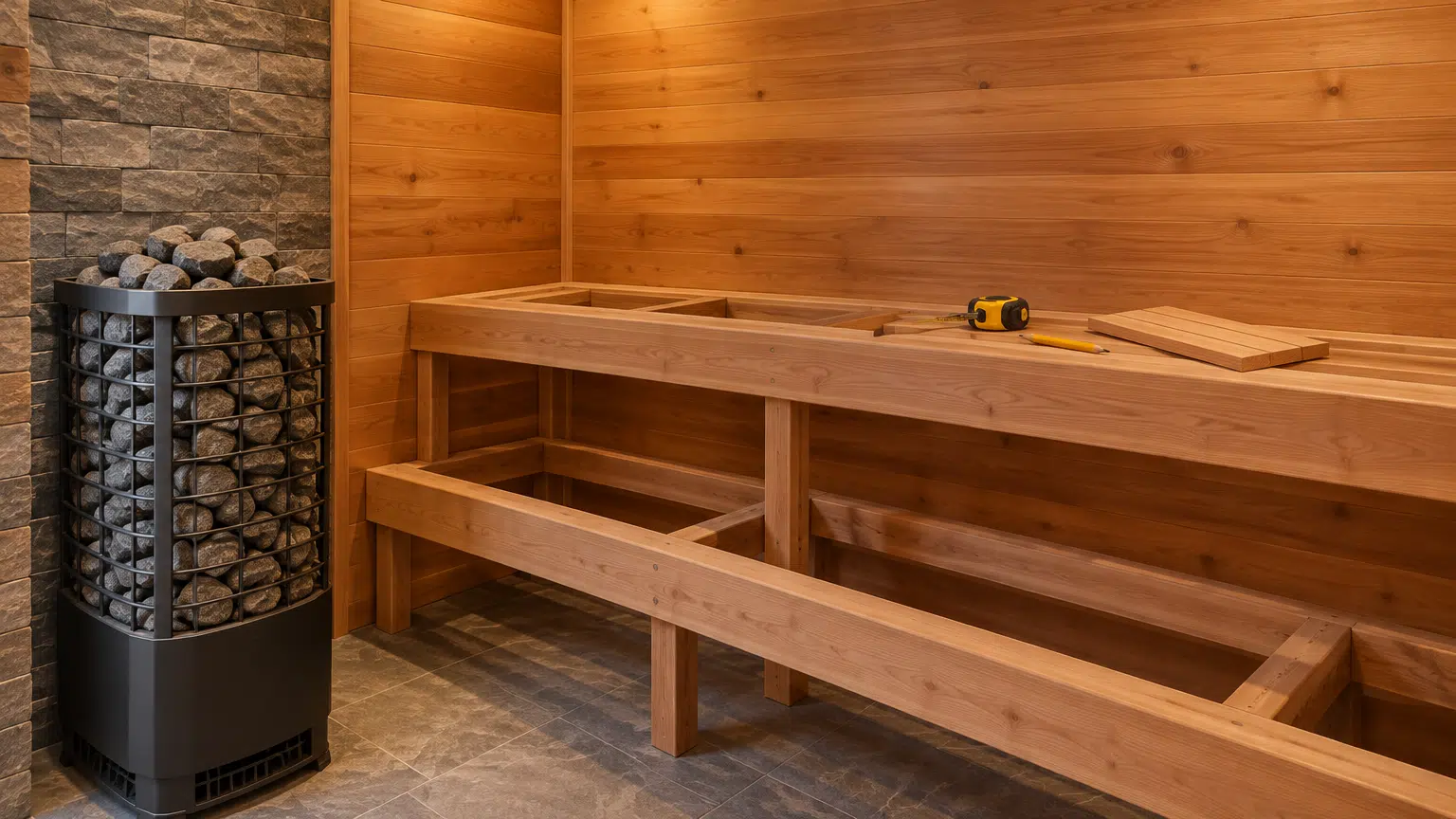
- Traditional Finnish saunas work with electric or wood heaters. These heaters warm up the stones inside. The place gets very hot. You can pour water over the hot stones. This will make more steam in the sauna.
- Infrared saunas use infrared heating parts to heat the body right away. They usually be at lower temperatures than other saunas and may need different electrical setups.
- While some people put them with saunas, steam rooms work in a different way. They use steam generators to make the air wet. They also need special waterproofing.
Looking at these options can help people pick a system that fits their space, budget, and what they like.
3. Check Electrical and Heating Requirements
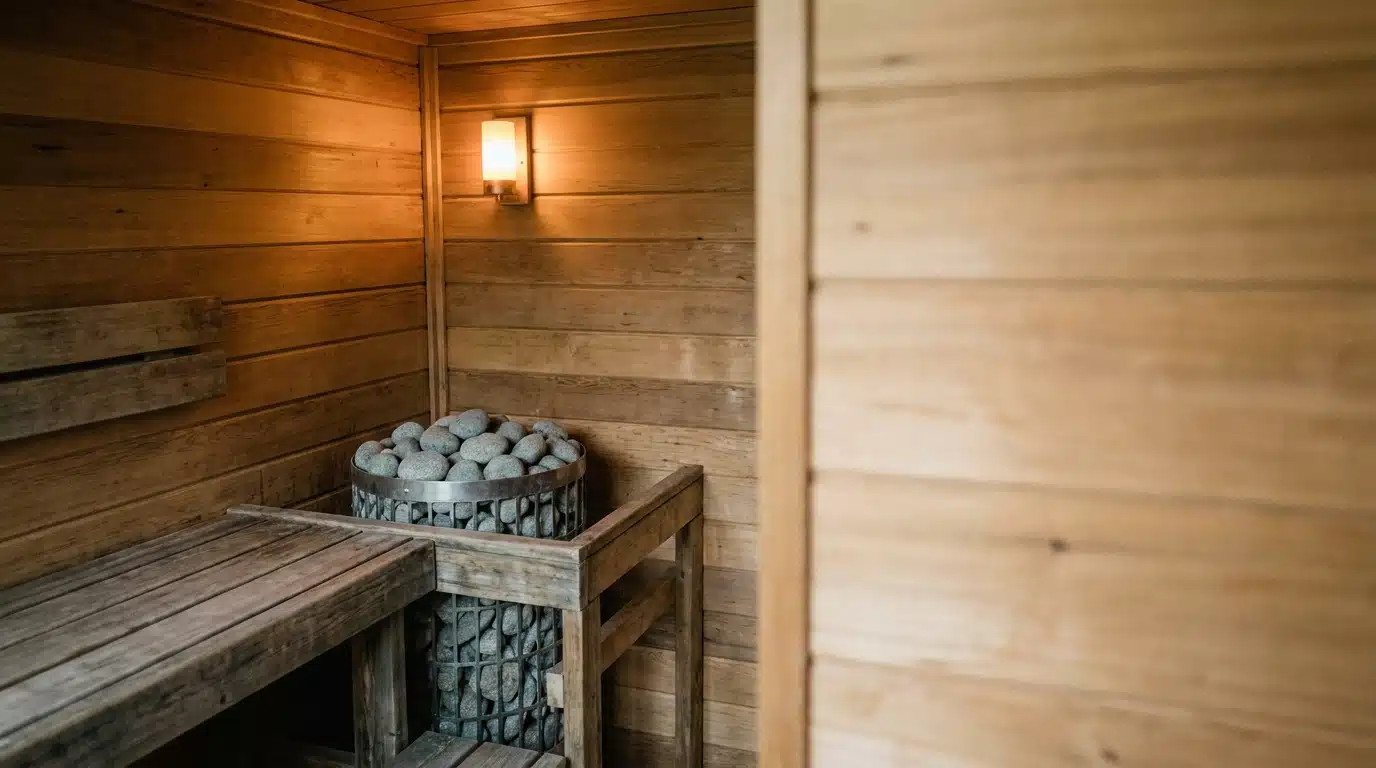
When planning to install a sauna, electrical planning is crucial. Sauna heaters come in various sizes and each one has its own requirements regarding energy consumption. A large heater may require its own electrical supply while a small sauna can work with an existing supply. Before investing in the equipment, you should understand what your house can manage in terms of electricity supply.
It is better to hire a qualified person for everything to ensure that everything has been done according to the standards and that all electrical installations, circuits, and connections are safe.
When it comes to wood-burning heaters, there are additional things to think about: chimney construction, fire prevention, proper air circulation, etc.
The heater must be chosen carefully. If it is too small, it won’t be able to heat the room properly. On the other hand, if it is too big, it will consume more electricity than needed.
4. Consider Ventilation and Insulation
The importance of ventilation is that they assist with air circulation in the sauna which adds to the enjoyment of using the sauna. Lack of open air may mean that while sitting inside it may feel hot in some places and cooler in others and also the humidity may increase in the sauna.
Good thermal insulation keeps the heat in and reduces the load on the heating system. As for sauna materials, the walls and ceilings should be made from high-temperature resistant materials. Damp-proofing may also be required to avoid moisture damage.
The ventilation system needs to be installed according to the manufacturer’s instructions. Also, pay attention to the way sauna works. It is best to consider those aspects at the very beginning of the planning process and not to wait until the construction is over.
5. Select Suitable Construction Materials
The kind of material you choose will change how long the sauna lasts, how it looks, and how much work you need to do to take care of it. Most people pick wood for the inside walls, ceilings, and seats. Wood gives a nice feel and looks good. If you choose the right wood, it will hold up well in sauna heat and steam.
Popular choices are cedar, hemlock, spruce, and aspen. Each of these has its own look, smell, feel, and how well it stands up to heat.
Benches need to feel good when you sit down. The surface has to be smooth. Each part should be covered because some parts can get very hot if left open. The floor needs to last a long time. It must be easy to clean and fit well in the place you put it.
Conclusion
Installing home saunas means you have to make many choices that affect its safety, how well it works, and how useful it will be over time. You need to pick the right place and type of heater. Think about ventilation, what walls are made of, and other things.
Pay attention to every part before you start building. If you plan well, you can add the sauna to your home with less trouble. Check what you need to install it, make a budget you can work with, and talk to pros. This will help you build a sauna that fits well with your home’s style.

Holding a Master’s in Architecture from the University of Texas at Austin, Emily Rodriguez has dedicated more than two decades to the art and science of building renovation. Starting her journey in historic preservation, she developed a profound respect for blending old with new in building design. Emily became a vital part of our team in 2019, renowned for her insightful and innovative renovation tips. She has been leading our DIY home improvement series since ever since, where she shares her wealth of knowledge in turning outdated spaces into modern havens. When not engaged in writing or consulting, Emily is a passionate advocate for heritage conservation and enjoys exploring vintage architecture, a hobby that complements her professional expertise.