
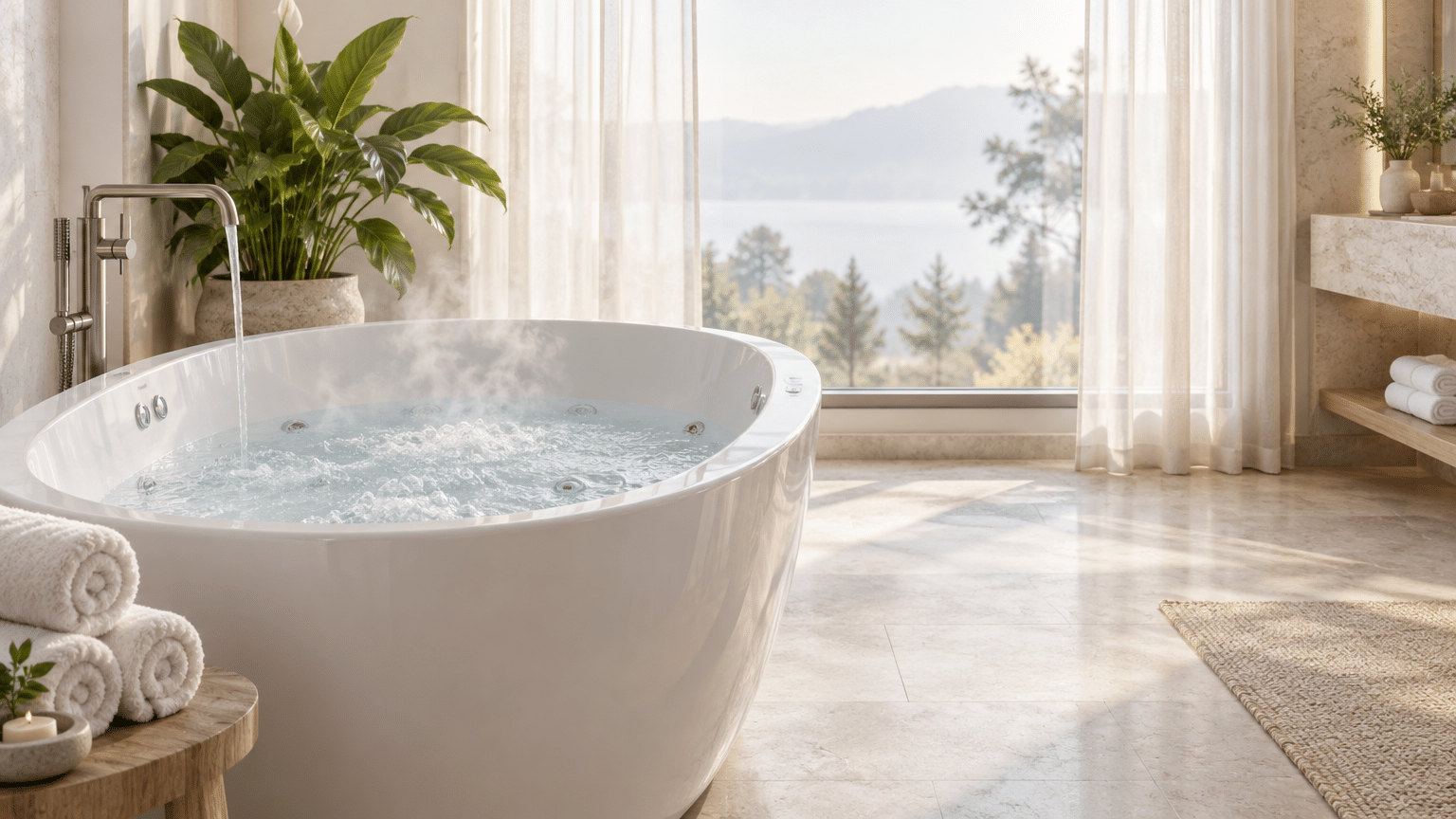
A bathroom should offer more than basic functionality. It can also serve as a comfortable space where homeowners relax, recharge, and escape the demands of everyday life. In Southern California, many homeowners are investing in bathroom upgrades that combine modern design with wellness features. One such upgrade that may turn a typical bathroom into a tranquil, spa-inspired haven is the installation of a Jacuzzi bathtub.
Whether you want a whirlpool bathtub for daily relaxation, a jetted tub to soothe tired muscles, or an accessible walk-in model for improved safety, careful planning is essential.
Professional bathroom remodeling services can help homeowners understand installation requirements, renovation costs, and maintenance responsibilities before beginning their projects. Working with experienced contractors also helps ensure that the new bathtub complements the bathroom’s existing layout and design.
Understanding Different Types of Jacuzzi Bathtubs
Jacuzzi-style bathtubs are available in several designs, each offering different features and benefits. Air-jetted tubs emit streams of air bubbles for a softer bathing experience, whilst whirlpool tubs employ water jets to provide a massaging effect. Some modern models combine both technologies, allowing users to customize their bathing experience according to personal preferences.
Freestanding jetted tubs are popular in spacious bathrooms because they create an attractive focal point. Built-in models, on the other hand, are often better suited for bathrooms with limited floor space. Walk-in jetted tubs provide additional accessibility features, including low entry thresholds, built-in seating, and safety grab bars.
Choosing the appropriate model depends on available space, household needs, installation requirements, and the overall renovation budget.
Planning the Jacuzzi Bathtub Installation
Installing a Jacuzzi bathtub requires more preparation than replacing a conventional bathtub. Homeowners must evaluate existing plumbing connections, electrical capacity, flooring strength, and bathroom dimensions before selecting a new fixture.
Experienced contractors can identify potential installation challenges before construction begins, reducing the likelihood of unexpected expenses. Larger whirlpool tubs may require additional structural support because of their weight when filled with water.
Certain models also need dedicated electrical circuits to operate pumps, heaters, and other integrated features safely. Careful planning helps ensure that the finished bathroom is both attractive and practical.
Factors That Influence Jacuzzi Bathtub Installation Costs
The total cost of installing a Jacuzzi bathtub depends on several factors, including bathtub size, material quality, installation complexity, and additional bathroom improvements.
A straightforward replacement involving a similarly sized bathtub may require fewer modifications than a complete bathroom redesign. However, relocating plumbing fixtures, installing new electrical wiring, or upgrading surrounding tile can significantly increase project expenses.
Bathtub features also influence pricing. Models equipped with adjustable jets, integrated heating systems, digital controls, and advanced accessibility features generally cost more than basic alternatives.
Homeowners should also consider expenses associated with demolition, waterproofing, permits, labor, and finishing materials. Requesting a detailed estimate before beginning construction can help establish realistic financial expectations.
Electrical and Plumbing Requirements for Jetted Bathtubs
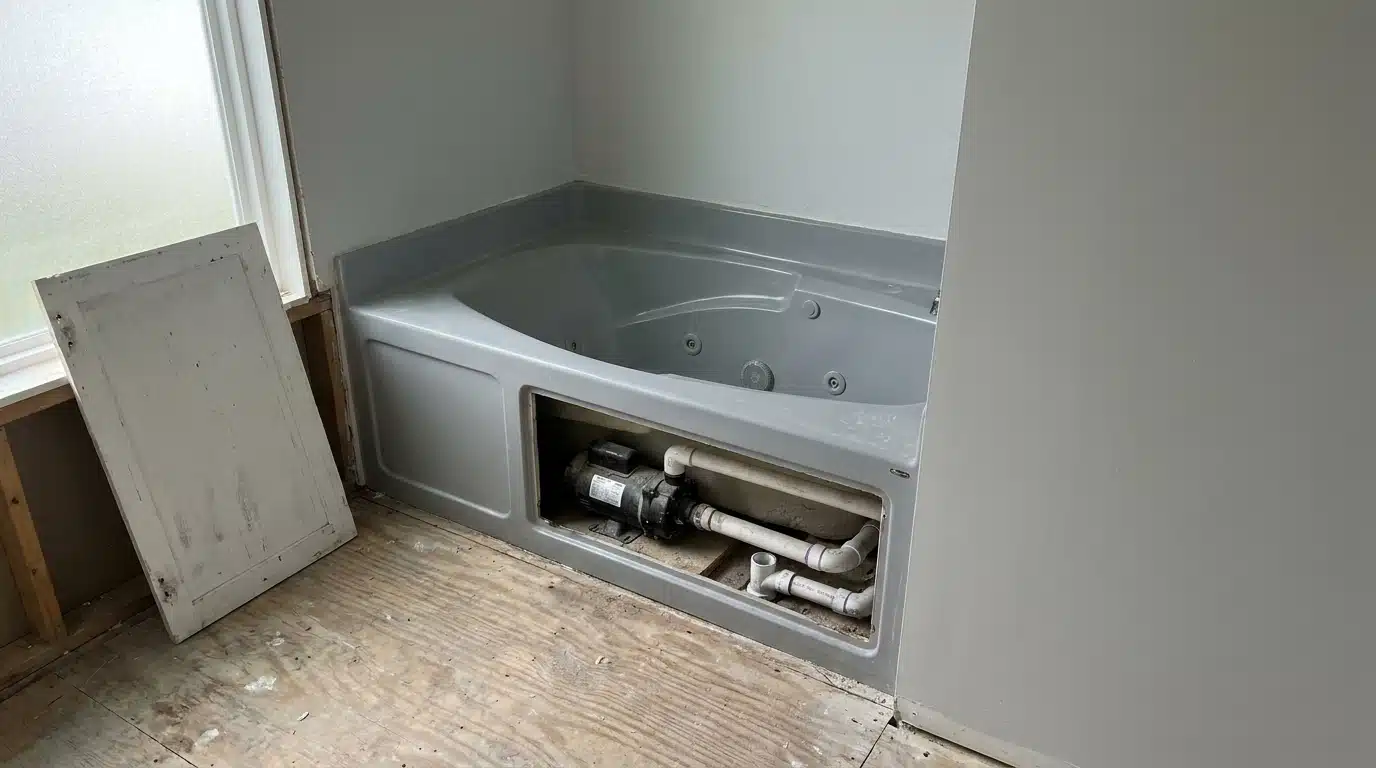
Unlike standard bathtubs, jetted models contain mechanical and electrical components that require specialized installation. Pumps, heating systems, and electronic controls must be connected according to manufacturer specifications and applicable building codes.
Many whirlpool tubs require dedicated electrical circuits with appropriate ground fault protection. Licensed electricians should evaluate the existing electrical system and determine whether upgrades are necessary.
Plumbing considerations are equally important. Contractors must ensure that water supply connections, drainage systems, and access panels accommodate the selected bathtub.
Proper installation supports reliable operation while reducing the risk of leaks, electrical hazards, and expensive repairs.
Waterproofing and Moisture Protection
Waterproofing is an essential part of any bathroom renovation, particularly when installing a large bathtub with powerful jets.
Water exposure around bathtub surrounds, flooring, and adjacent walls can gradually damage building materials if protective systems are inadequate. Contractors typically use suitable waterproof membranes, properly sealed joints, and moisture-resistant materials to protect vulnerable areas.
Adequate ventilation also helps control humidity and reduces the likelihood of mold growth. Investing in quality waterproofing during installation can prevent costly structural damage and preserve the appearance of the renovated bathroom.
Comfort, Wellness, and Accessibility Benefits
One of the primary reasons homeowners choose Jacuzzi bathtubs is the relaxing experience they provide. Warm water and adjustable jets can help ease temporary muscle tension and promote relaxation after physically demanding activities.
However, hydrotherapy should be viewed as a comfort feature rather than a replacement for medical treatment.
Accessible walk-in tubs offer additional benefits for individuals with limited mobility. Bathing may be made easier with features like grab bars, built-in chairs, and easily accessible controls, but users should also think about safe water temperatures, drainage times, and door functioning.
These improvements can make bathrooms more comfortable for households with changing accessibility needs.
Maintaining a Jacuzzi Bathtub for Long-Term Performance
Regular maintenance is necessary to keep jetted bathtubs functioning efficiently. Pumps, jets, and internal water lines can accumulate residue if cleaning procedures are neglected.
Homeowners should follow manufacturer recommendations for cleaning cycles, approved products, and routine inspections. Keeping the surrounding surfaces dry and checking for unusual noises or leaks can also help identify developing problems.
Proper maintenance protects the bathtub’s mechanical components and supports a cleaner bathing environment.
Conclusion
A Jacuzzi bathtub remodel can enhance bathroom comfort, functionality, and visual appeal while creating a more relaxing environment at home. However, successful installation requires careful consideration of plumbing, electrical systems, waterproofing, accessibility, and overall renovation expenses.
By choosing a suitable bathtub, establishing a realistic budget, and working with qualified remodeling professionals, Southern California homeowners can create a luxurious bathroom that delivers lasting comfort and practical everyday benefits.

NKBA-certified designer Harper Williams holds a degree in Interior Architecture from Auburn University and has specialized in high-function kitchens and spa-inspired baths since 2011. She joined us in 2024 to simplify layout planning, fixture selection, and budget tricks for remodelers. Away from CAD files, Harper restores vintage cookstoves and crafts small-batch soaps.