

Daily assistance works best when it protects health without eliminating personal choice. In assisted living, that balance often appears in the form of reliable meals, medication cues, mobility assistance, clean rooms, transportation, and planned social time.
These services are not extras. They reduce strain, lower preventable risk, and give families clear signals when needs change. Good daily care feels steady, respectful, and easy to observe.
Local Care
Families researching assisted living in Casa Grande, AZ, usually need practical details, not broad promises. Daily services can affect bathing safety, medication timing, appetite, hydration, sleep patterns, appointment access, and social contact.
Reviewing those routines helps families judge whether a community can meet current needs. It also helps families understand whether subtle changes can be spotted early and addressed before they develop into serious problems.
Personal Care
Personal care often starts with bathing, dressing, grooming, toileting, transfers, and walking assistance. Skilled staff watch posture, skin condition, fatigue, and balance during these tasks.
That observation matters because small changes can signal pain, infection, weakness, or medication effects. The best plans protect privacy while offering older adults enough hands-on help to prevent falls and missed hygiene.
Medication Support
Medication routines become harder when prescriptions change or dosing times multiply. Staff can give reminders, track administration, and report concerns such as dizziness, nausea, confusion, or unusual sleepiness.
Accurate records help physicians and families connect symptoms with possible drug effects. This service is especially important for residents taking heart, blood pressure, diabetes, or pain medications.
Meals
Dining services do more than replace cooking. Regular meals help maintain body weight, muscle strength, blood sugar balance, and hydration. Menus should account for chewing problems, swallowing risk, low-sodium needs, diabetic plans, and personal taste. Shared dining also gives staff a natural way to notice appetite loss, tremors, fatigue, or mood changes.
Housekeeping
Housekeeping lowers hazards that often lead to injury. Clean floors, clear walkways, fresh linens, and managed trash reduce the risk of infection and falls. Laundry service also helps residents avoid lifting heavy baskets or bending repeatedly to deal with clothes. A tidy apartment supports safer movement, easier breathing, better rest, and a calmer daily rhythm for residents who tire quickly.
Transportation
Transportation keeps medical care and community life within reach. Scheduled rides may cover physician visits, therapy appointments, pharmacy stops, errands, and group outings.
Families should ask how far vehicles travel, whether escorts are available, and how urgent changes are handled. Reliable access helps prevent missed follow-up care and reduces isolation after driving becomes unsafe.
Wellness
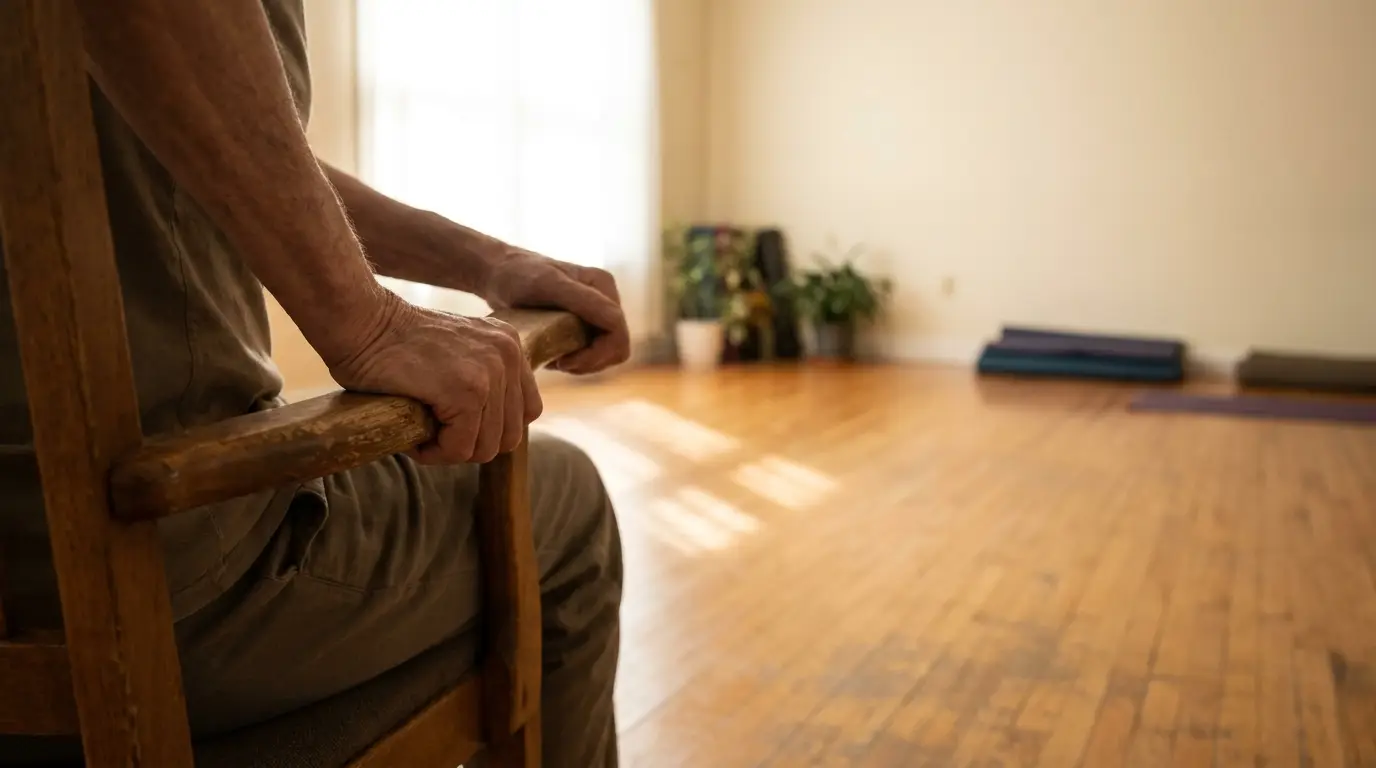
Wellness programs should match real physical ability. Gentle strength work, balance training, stretching, walking groups, and chair-based movement can support circulation, range of motion of joints, and steadier gait.
Good instructors monitor fatigue, shortness of breath, pain, and confidence. Activity plans work best when residents can participate at a safe pace without pressure or comparison.
Social Activities
Social connection affects appetite, sleep, mood, and memory. Activity calendars may include music, games, crafts, reading groups, films, worship services, family events, and local outings. Quality matters more than volume.
Residents benefit when options include quiet gatherings, small groups, creative work, and familiar routines that make participation feel comfortable rather than forced.
Memory Support
Memory-related care requires patience, structure, and careful observation. Services may include cueing, predictable schedules, secured areas, simplified choices, and activities that match current cognition levels.
Staff should know how to respond to wandering, agitation, repeated questions, and sundowning. Calm routines can reduce fear, preserve dignity, and help families understand what support is needed next.
Pet-Friendly Living
Pets can provide comfort, routine, movement, and emotional steadiness. A pet-friendly setting should still have clear rules for vaccinations, feeding, waste cleanup, size limits, and backup caregiving.
These safeguards protect residents, staff, neighbors, and animals. When responsibilities are realistic, companionship can remain part of daily life without creating avoidable health or safety concerns.
Family Communication
Family communication should be timely, concrete, and clinically useful. Updates may cover appetite, falls, medication changes, sleep, mood, participation, or new care needs.
Care meetings, phone calls, written summaries, and secure portals can all help. Clear reporting gives families a better view of daily patterns, especially when residents cannot describe symptoms reliably.
Cost Questions
Pricing depends on apartment size, care level, medication help, transportation, memory services, and temporary stay needs. Families should request written details showing what the base rate covers and which items add charges.
Comparing costs without service detail can be misleading. A careful review connects price with staffing, daily assistance, health monitoring, and long-term fit.
Conclusion
Assisted living services shape everyday health in practical, visible ways. Meals, medication support, hygiene help, movement programs, transportation, housekeeping, and communication all affect safety and quality of life.
Families can make stronger decisions when they look closely at routines, staffing, response times, and clinical observation. With that level of review, care choices become clear, personal, and grounded in what residents truly need.

Priya Nair, MPH, is a certified wellness coach and former hospital dietitian with 12 years of translating public-health research into everyday habits. She joined us in 2024 to deliver evidence-based guidance on nutrition, stress relief, and holistic fitness that fits busy schedules. Off the mat, Priya practices yoga, hikes coastal trails, and tests plant-forward recipes for weekend potlucks with friends and neighbors.