


Owning or managing a commercial property involves a long list of responsibilities, but few are as critical as ensuring life safety systems are fully operational and compliant with all applicable codes.
A properly maintained commercial fire alarm system is the primary line of defense for protecting occupants and the physical asset itself. But navigating the complex web of local, state, and federal regulations can be daunting.
This checklist can provide a comprehensive roadmap for property owners to achieve and maintain compliance, ensuring their system is ready to perform when it matters most.
Understand the Applicable Codes and Standards
Compliance begins with knowledge. The primary benchmark for fire alarm systems in the United States is the National Fire Alarm and Signaling Code (NFPA 72), which is updated every three years. However, this is just the starting point. Local jurisdictions typically adopt specific editions of the International Building Code (IBC) and the International Fire Code (IFC), and they may have amendments that supersede national standards.
For instance, property owners must first determine which codes are enforced in their area. This information is typically available from the local Authority Having Jurisdiction (AHJ), such as the fire marshal or building department.
Its interpretation of the code is final, so establishing a collaborative relationship early in the process is invaluable. The system must be designed, installed, and maintained to meet the specific edition of the code that the AHJ has adopted.
Furthermore, for property managers seeking turnkey solutions from a single trusted partner, installing a commercial fire alarm system serviced by local professionals can streamline the entire compliance process while ensuring all local codes are met.
Verify Proper System Design and Installation
A compliant system starts with a design that matches the building’s specific hazards and occupancy type. An office building, a restaurant with a commercial kitchen, and a multi-story warehouse have vastly different fire safety needs. The design must account for factors like ceiling height, air-handling systems, and the presence of obstructions that could affect detector performance.
When installing a new system or retrofitting an old one, it’s essential to work with a licensed and experienced contractor. The installation must adhere strictly to the approved plans and the manufacturer’s published instructions.
Upon completion, the entire system must undergo a rigorous acceptance test witnessed by the AHJ. This verifies that every device, from smoke detectors and pull stations to notification appliances like horns and strobes, can function correctly and communicate with the fire alarm control panel.
The contractor should also provide detailed “as-built” drawings and a complete record of all materials and devices used, including their listing information.
Establish a Rigorous Inspection, Testing, and Maintenance (ITM) Schedule
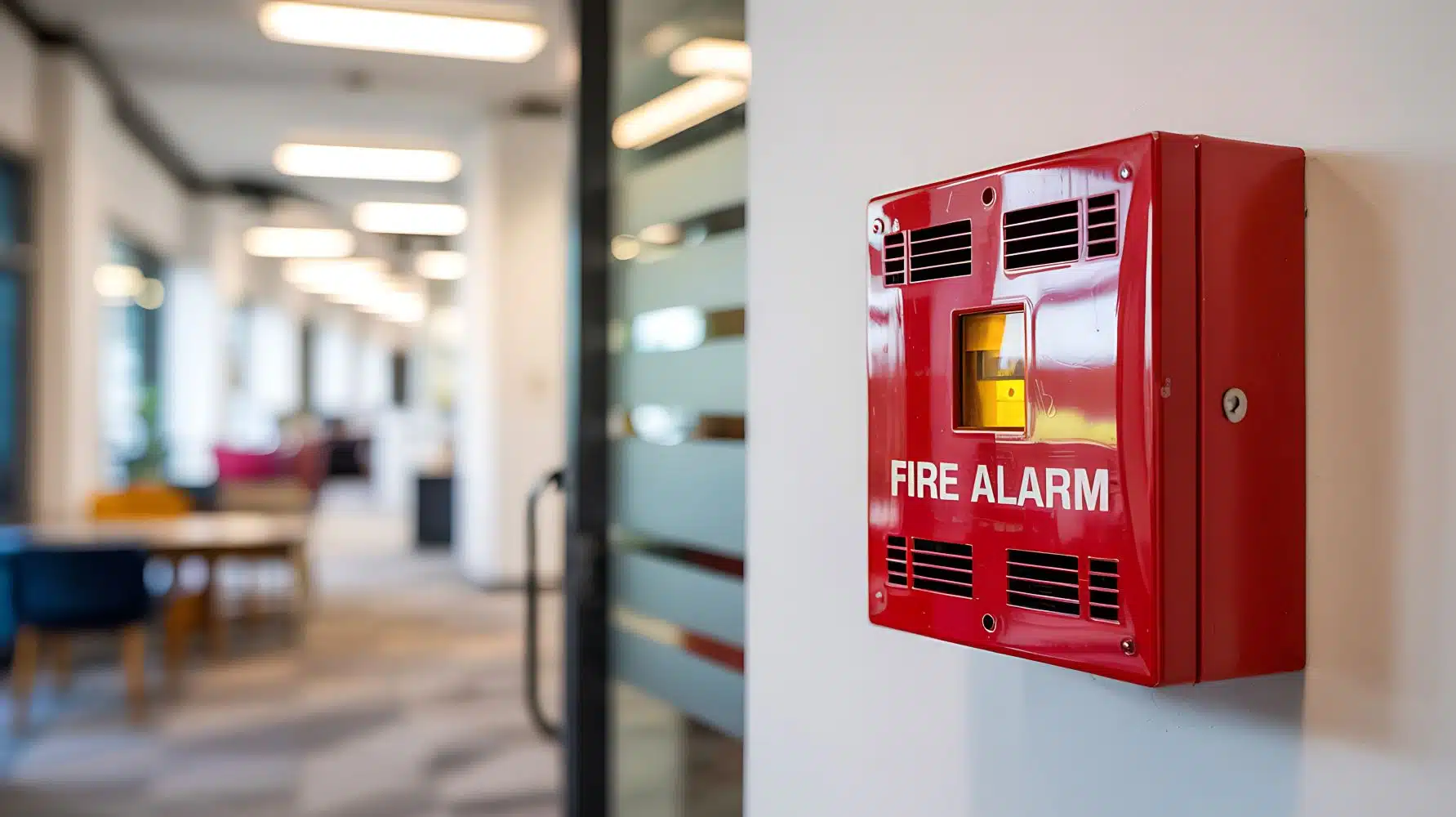
Code compliance isn’t a one-time event but an ongoing process. NFPA 72 lays out specific frequencies for inspecting, testing, and maintaining every component of a fire alarm system. Property owners are responsible for ensuring this schedule is followed without fail. Here are some things to consider:
Weekly/Monthly
Some functions, such as verifying that the control panel indicates normal operation and that there are no trouble signals, may be performed by in-house staff. However, this must be clearly defined and logged.
Semi-Annual and Annual
Most functional testing must be conducted by qualified professionals. This includes testing smoke detector sensitivity, verifying battery capacity, and ensuring all notification appliances are operating within required sound and light levels.
Record Keeping
Meticulous records of all inspections, tests, and maintenance activities must be kept. These logs are the first item an inspector will request and serve as proof of due diligence. They should include the date of service, the name of the technician, a list of devices tested, and any deficiencies found.
Manage System Impairments and Deficiencies Proactively
No system is immune to failures or impairments, whether from a device reaching the end of its life, accidental damage, or construction activities. When a problem is identified, either during routine inspection or through a system trouble signal, it must be addressed immediately. The compliance checklist requires a clear procedure for the following:
- Identifying the issue: Pinpointing the exact device or circuit that’s malfunctioning.
- Engaging a qualified technician: Promptly contacting a service provider to diagnose and repair the fault. Don’t attempt DIY fixes on life safety equipment.
- Following impairment procedures: If a portion of the system is out of service, the property owner must establish a fire watch (trained personnel continuously patrolling the affected area) and notify the AHJ and any affected tenants, as required by code.
Understanding these procedures allows a property owner to manage system impairments and deficiencies proactively and ensure compliance with the commercial fire alarm system.
This proactive approach is a critical component of comprehensive fire protection, as a well-maintained alarm system is the first line of defense in alerting occupants and summoning emergency services.
Regular fire alarm inspections can also provide an opportunity to verify the integration of other life safety devices, such as carbon monoxide detectors, which are often required in commercial settings with fuel-burning appliances or attached parking garages.
Ensure Proper Documentation Is Accessible and Up-to-Date
Comprehensive documentation is the backbone of a compliant program. All system records should be organized and stored in a secure, accessible location, both onsite and digitally. This master file should contain the following:
- The original record of completion, including as-built drawings.
- Manufacturer’s documentation for all system components.
- A detailed log of all inspection, testing, and maintenance reports.
- Records of all permits and AHJ approvals.
- Documentation of any modifications or upgrades.
When an inspector or technician arrives, having this information at their fingertips can facilitate a smooth process and demonstrate a serious commitment to safety and compliance.
Conclusion
Managing a commercial fire alarm system is a significant responsibility, but by following this structured checklist, property owners can navigate compliance with confidence. It demands a commitment to understanding the rules, partnering with qualified professionals, and maintaining a proactive stance on inspection and maintenance.

Tommy Hardy, an alumnus of the Georgia Institute of Technology with a degree in Mechanical Engineering, has been a go-to figure in residential upkeep and innovation for over 18 years. His career commenced in a leading home appliance manufacturing company, where he mastered the intricacies of household systems. Joining our platform in 2020, Tommy quickly became a reader favorite for his practical and easy-to-follow guides. He took the helm of our DIY section in 2019, consistently delivering content that empowers homeowners. Beyond his professional pursuits, Tommy is a passionate gardener and enjoys woodworking, skills enhancing his hands-on approach to home care.