
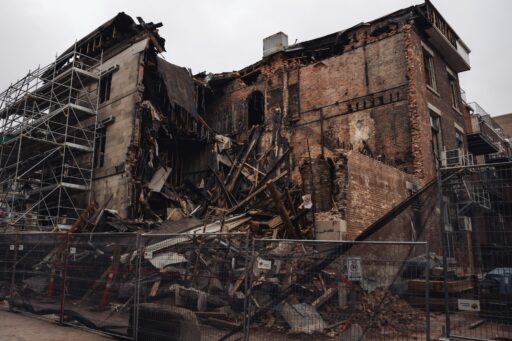
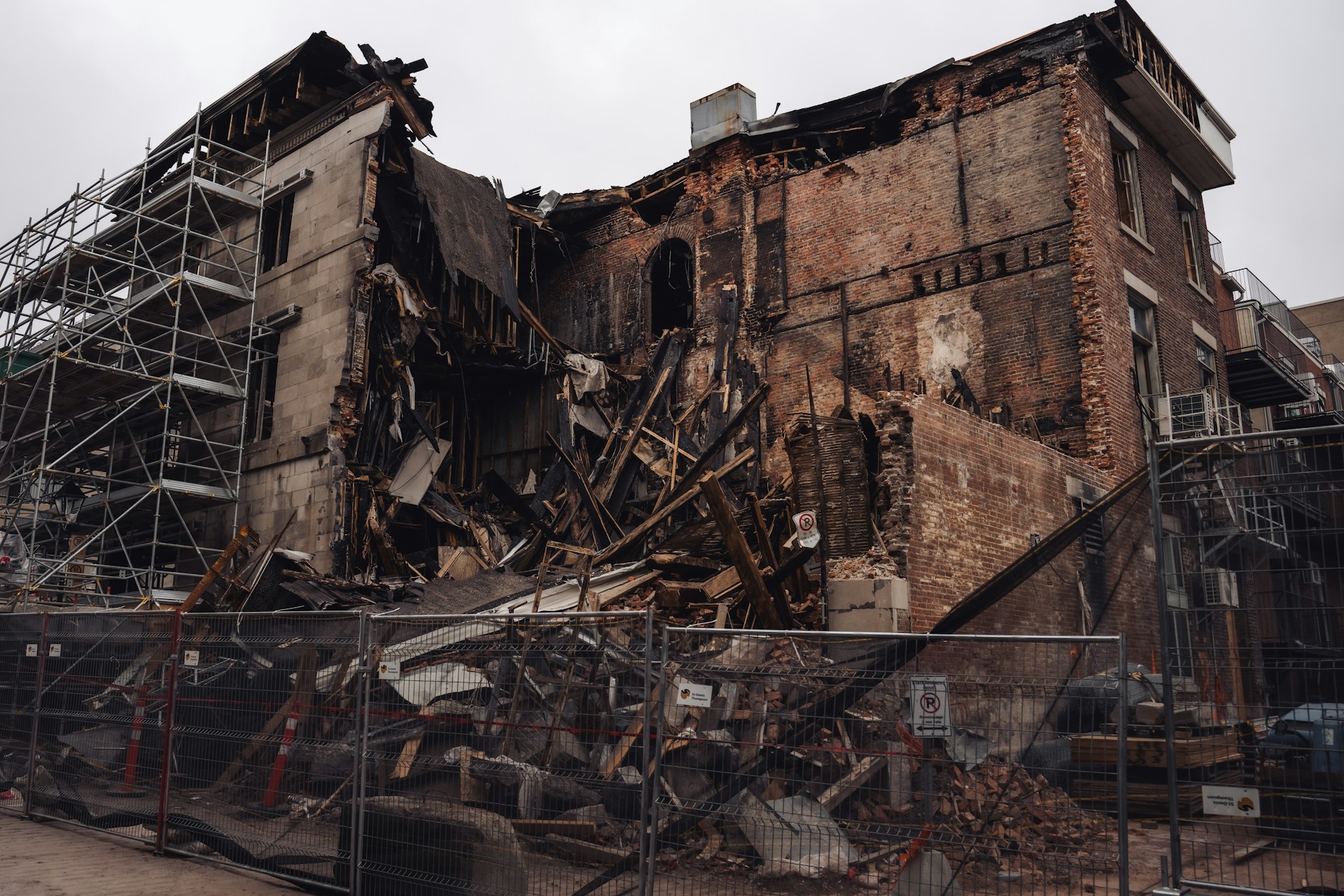

Few experiences are as unsettling as watching a home suffer fire damage. Beyond the immediate safety concerns, the aftermath often leaves homeowners overwhelmed by uncertainty. Questions about repairs, insurance, legal responsibilities, and market value can quickly pile up, especially when emotions are still raw.
Even in these circumstances, moving forward is possible. With the right understanding and a clear strategy, selling a fire-damaged property can become a practical step toward stability and peace of mind.
Understanding the True Impact of Fire Damage
Fire damage is rarely limited to what the eye can see. While charred walls and smoke stains are obvious, the real challenges often lie beneath the surface. Heat can compromise structural integrity, weaken support beams, and damage electrical wiring. Smoke and soot may spread toxins throughout the home, affecting air quality and creating health risks if not addressed properly.
From a buyer’s perspective, these hidden issues matter just as much as visible damage. Traditional buyers and lenders often hesitate because of uncertainty around repair costs and safety compliance. Understanding this reality helps sellers approach the process with realistic expectations rather than frustration when the open market does not respond favorably.
Navigating Insurance and Documentation Early
One of the most important steps after a fire is organizing all related documentation. Insurance claims, inspection reports, contractor estimates, and fire department records form the backbone of any future transaction. Even if repairs are not completed, these documents provide transparency and reassurance to potential buyers.
Insurance payouts can also influence the decision to sell. Some homeowners discover that coverage falls short of full restoration costs, while others prefer not to endure months of rebuilding. Clarifying what insurance will and will not cover allows sellers to choose a path forward based on facts rather than assumptions.
Repairing Versus Selling As-Is
A common dilemma involves whether to repair the home before selling or to sell it in its current condition. Full restoration can increase resale value, but it also requires time, capital, and emotional energy. Permits, contractor availability, and unexpected complications can extend timelines far beyond initial estimates.
Selling as-is offers an alternative. In this approach, the property is marketed with full disclosure of its condition, allowing buyers to assess repair needs themselves. While the sale price may be lower, sellers often save on renovation costs, avoid construction stress, and close more quickly. For many homeowners, especially those eager to move on, this balance makes practical sense.
The Role of Disclosure and Legal Clarity
Transparency is not only ethical but legally essential when selling a fire-damaged property. Most jurisdictions require sellers to disclose known defects and the history of significant damage. Failing to do so can lead to disputes long after the sale closes.
Clear disclosure does not necessarily deter serious buyers. In fact, it often builds trust. Investors and renovation specialists expect imperfections and base their offers on accurate information. By being upfront, sellers protect themselves while attracting buyers prepared for the scope of work involved.
Understanding Your Buyer Pool
Fire-damaged homes typically appeal to a different audience than move-in-ready properties. Traditional families seeking a turnkey residence may pass, but investors, builders, and specialized buyers often see opportunity where others see risk. These buyers evaluate properties based on potential rather than current condition.
Understanding this shift in audience helps sellers reframe expectations. Marketing a damaged home is less about staging and more about presenting clear facts, realistic pricing, and a straightforward transaction process. When aligned with the right buyer pool, even a severely damaged property can sell efficiently.
Pricing With Realism and Strategy
Pricing a fire-damaged home requires balancing honesty with strategy. Overpricing can stall interest, while underpricing may leave money on the table. A realistic price reflects repair costs, market conditions, and the level of risk a buyer assumes.
Professional opinions from contractors, inspectors, or real estate professionals experienced with distressed properties can provide valuable guidance. Their insight helps ground pricing decisions in current market realities rather than emotional attachment to the home’s pre-fire value.
Exploring Direct Sale Options
For homeowners seeking simplicity, direct sale options can remove many of the traditional obstacles associated with selling a damaged property. These transactions often involve buyers who specialize in distressed homes and are comfortable purchasing as-is.
Choosing this route can significantly reduce timelines and paperwork. Instead of months of listings, showings, and negotiations, sellers may complete a sale in weeks or even days. For those who prioritize certainty and closure, working with buyers experienced in helping homeowners sell houses with fire damage can provide a clear and manageable path forward.
Emotional Considerations and Moving On
Beyond financial and legal factors, the emotional weight of a fire should not be underestimated. Homes carry memories, routines, and a sense of safety. Seeing that space altered by fire can make every decision feel heavier.
Selling the property is not simply a transaction; it is often part of healing. Allowing yourself to let go of the physical structure can create room for new beginnings. Acknowledging this emotional component helps sellers approach decisions with compassion for themselves rather than guilt or pressure.
Preparing for a Smooth Closing
Once a buyer is secured, preparation remains key to a smooth closing. Ensuring all disclosures are complete, documentation is organized, and expectations are aligned prevents last-minute surprises. Clear communication between all parties keeps the process efficient and reduces stress.
Sellers should also confirm how utilities, debris removal, and any remaining insurance matters will be handled. Addressing these details early reinforces professionalism and builds confidence in the transaction.
Conclusion: A Practical Path Forward After Loss
Selling a fire-damaged property may feel daunting, but it is far from impossible. With realistic expectations, transparent communication, and an understanding of available options, homeowners can regain control after an unexpected loss. Whether choosing to repair, sell as-is, or pursue a direct sale, the right path is the one that aligns with your financial needs, emotional readiness, and long-term goals.
After a fire, moving forward is not about erasing what happened. It is about making informed decisions that restore stability and open the door to the next chapter. By approaching the process thoughtfully and proactively, selling a damaged property can become a step toward renewal rather than a reminder of loss.

Holding a Master’s in Library and Information Science from the University of Illinois, Josh Clarke has dedicated more than 15 years to managing and disseminating information across various platforms. His professional journey includes significant experience as a research librarian, where he developed an expertise in sourcing and providing accurate and comprehensive answers to diverse questions. In 2018, Josh brought his rich experience to our platform, quickly establishing himself as a reliable source for general FAQs. He has been overseeing our information curation since then, combining his research skills with a flair for engaging content delivery. When not involved in information management, Josh enjoys exploring digital photography and participating in local quiz competitions, hobbies that complement his inquisitive nature and love for learning.