
Designing Homes That Support Long‑Term Independence
Many homeowners are choosing renovations that allow them to age in place safely and comfortably. Professional home remodeling services specializing in accessibility and universal design create living spaces that reduce fall risk, simplify daily tasks, and preserve independence without sacrificing style. These projects blend thoughtful architecture, durable materials, and discreet technology to make homes both beautiful and practical for every stage of life.
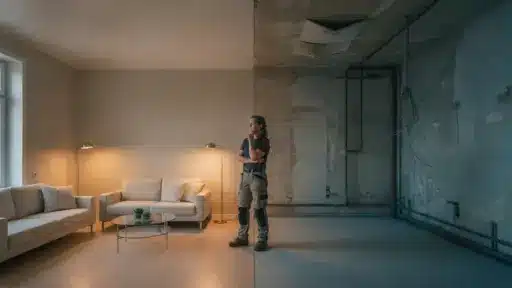
Remodeling for aging in place begins with a thorough assessment of current and anticipated needs. Designers and contractors evaluate mobility, sightlines, and routine activities to prioritize changes that deliver the greatest safety and quality‑of‑life improvements. Early collaboration with occupational therapists or aging specialists can refine requirements and ensure the finished space truly supports daily living.
Key Upgrades That Improve Daily Living
- Zero‑threshold entries and wider doorways for wheelchair and walker access
- Curbless showers and grab bars integrated into elegant bathroom designs
- Lever handles and touchless fixtures to simplify use for limited dexterity
- Improved lighting and high‑contrast finishes to aid visibility and reduce trips
- Smart home controls for lights, locks, and thermostats to increase independence
Flooring, Circulation, and Surface Choices
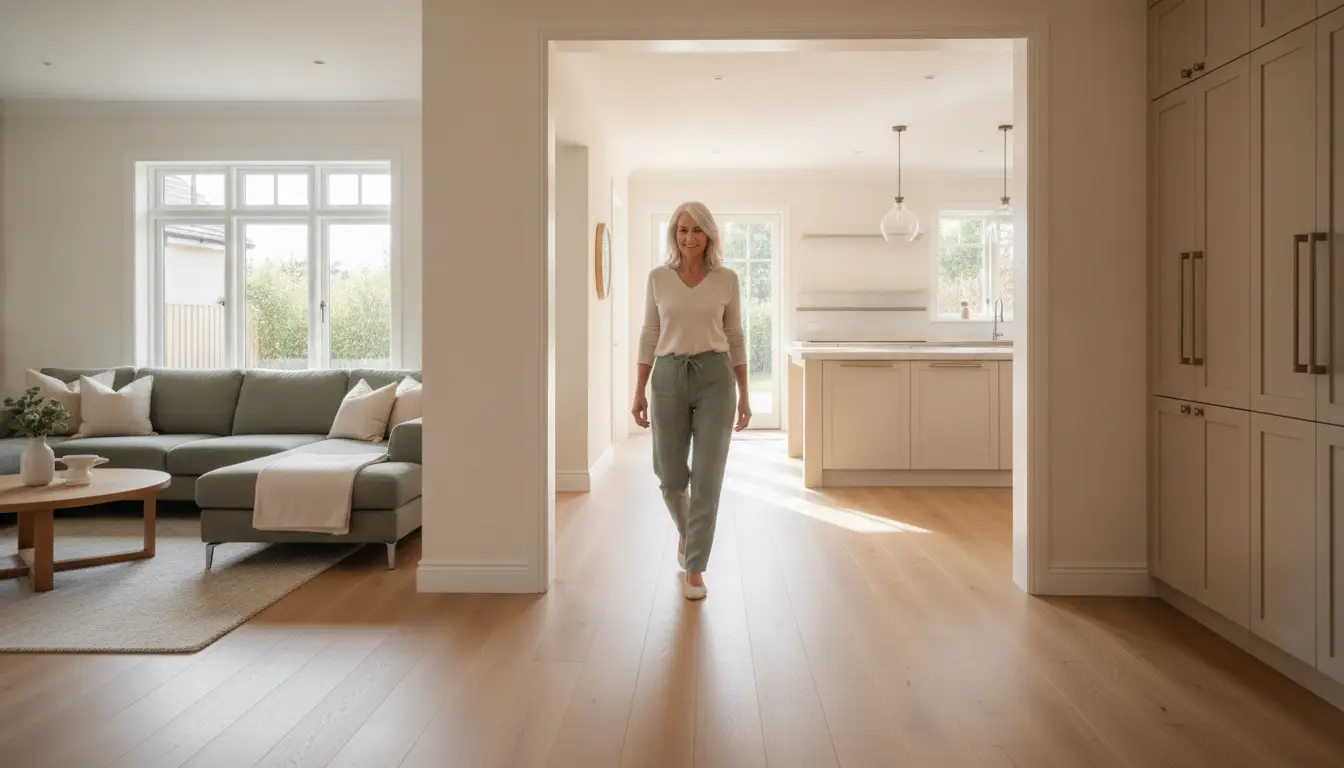
Selecting the right flooring and finishes is critical. Slip‑resistant, low‑profile flooring reduces trip hazards while continuous surfaces eliminate thresholds that impede mobility. Designers also plan circulation paths that allow comfortable turning radii for mobility aids and place frequently used items within easy reach to minimize bending or stretching.
Kitchen and Bathroom Adaptations
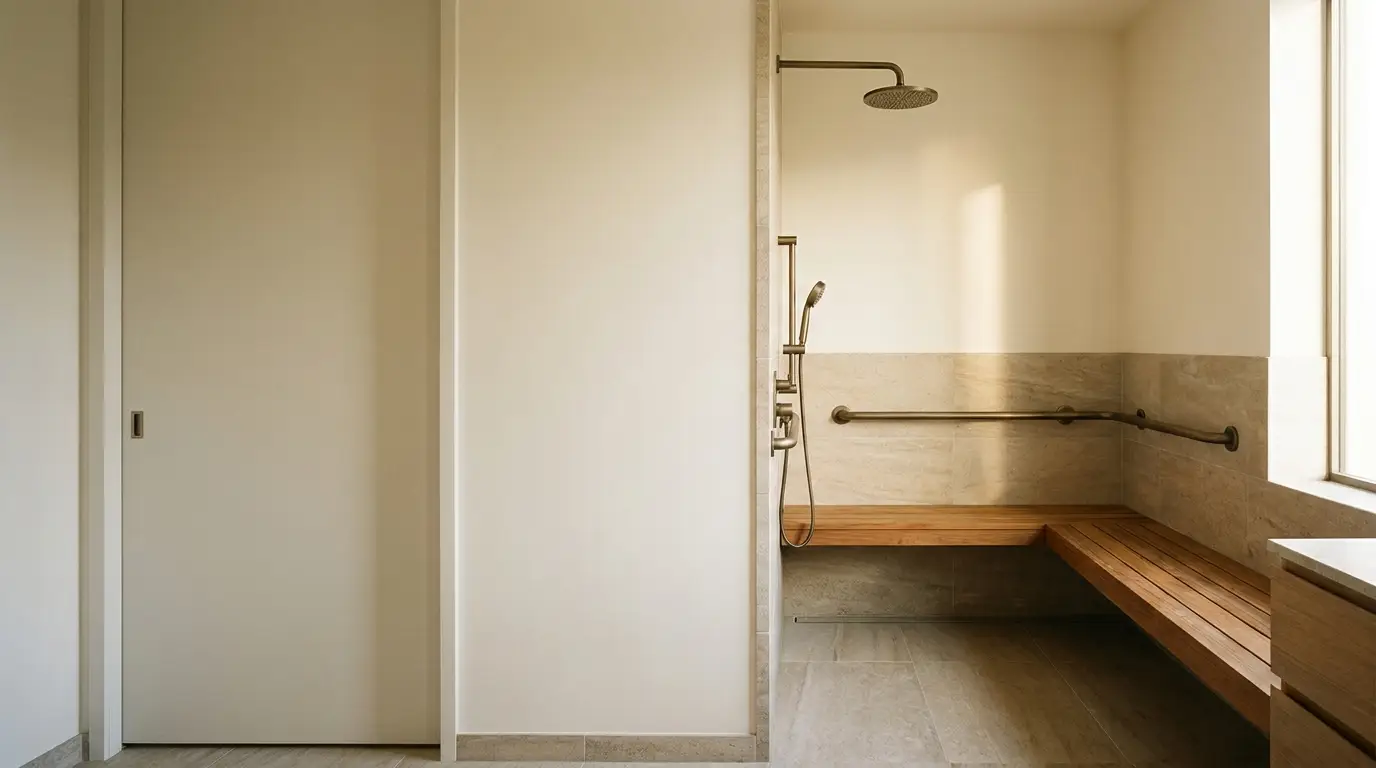
Kitchens and bathrooms are high‑impact areas for aging‑in‑place work. Remodels often include adjustable‑height counters, pull‑out shelving, side‑opening ovens, and roll‑under sinks. In bathrooms, curbless showers, built‑in seating, and thermostatic valves improve safety and comfort while maintaining modern aesthetics.
Smart Technology and Remote Monitoring
Integrating smart devices enhances safety without being intrusive. Voice‑activated assistants, automated lighting, fall‑detection sensors, and remote monitoring options let family members and caregivers stay informed while preserving the resident’s privacy. A reputable remodeling team ensures these systems are secure, easy to use, and integrated into the home’s design.
Financing, Phasing, and Value Considerations
Aging‑in‑place remodels can be phased to spread cost and disruption. Homeowners may prioritize critical safety upgrades first, then add comfort or aesthetic improvements later. Many projects also increase property value and broaden market appeal, especially as demand grows for accessible homes.
Outdoor Accessibility Improvements
Aging‑in‑place remodeling should extend beyond the interior. Adding ramps, slip‑resistant walkways, and covered entryways ensures safe access to the home in all weather conditions. Thoughtful landscaping and exterior lighting further enhance safety and usability for older adults.
Emergency Preparedness Features
Homes designed for long‑term independence benefit from built‑in emergency systems. Features such as medical alert devices, backup power supplies, and clearly marked exits provide peace of mind. These upgrades help residents respond quickly to unexpected situations while maintaining autonomy.
Energy Efficiency and Comfort
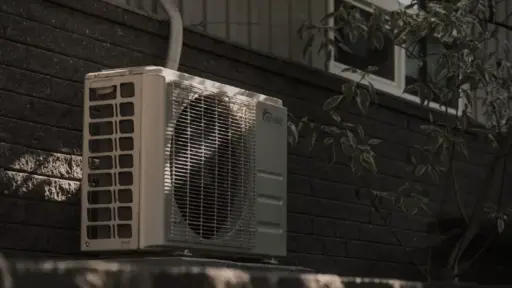
Improving insulation, upgrading HVAC systems, and installing energy‑efficient windows not only reduce utility bills but also create a more comfortable environment. Consistent indoor temperatures and improved air quality are especially important for seniors who spend more time at home.
Flexible Spaces for Changing Needs
Designing adaptable spaces allows homeowners to adjust as needs evolve. Rooms can be converted from offices to bedrooms, or open layouts can accommodate mobility aids. Flexibility ensures the home remains functional and supportive throughout different stages of aging.
Choosing the Right Remodeling Partner
Select contractors with proven experience in accessibility standards and local code requirements. Look for teams that provide clear scopes, realistic timelines, and references from similar projects. A collaborative approach – bringing together designers, builders, and health professionals – produces the most effective, dignified outcomes.
Aging‑in‑place home remodeling services transform houses into resilient, user‑friendly environments that support independence and dignity. By combining universal design principles, targeted upgrades, and discreet technology, experienced remodelers deliver homes that are safer, more comfortable, and better suited to long‑term living.

Holding a Master’s in Architecture from the University of Texas at Austin, Emily Rodriguez has dedicated more than two decades to the art and science of building renovation. Starting her journey in historic preservation, she developed a profound respect for blending old with new in building design. Emily became a vital part of our team in 2019, renowned for her insightful and innovative renovation tips. She has been leading our DIY home improvement series since ever since, where she shares her wealth of knowledge in turning outdated spaces into modern havens. When not engaged in writing or consulting, Emily is a passionate advocate for heritage conservation and enjoys exploring vintage architecture, a hobby that complements her professional expertise.