
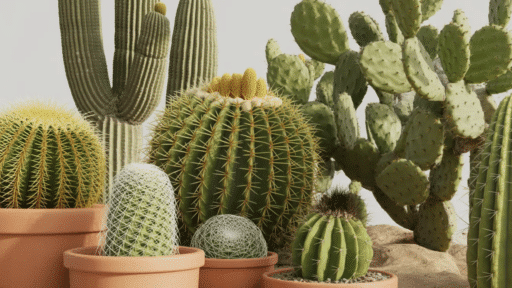
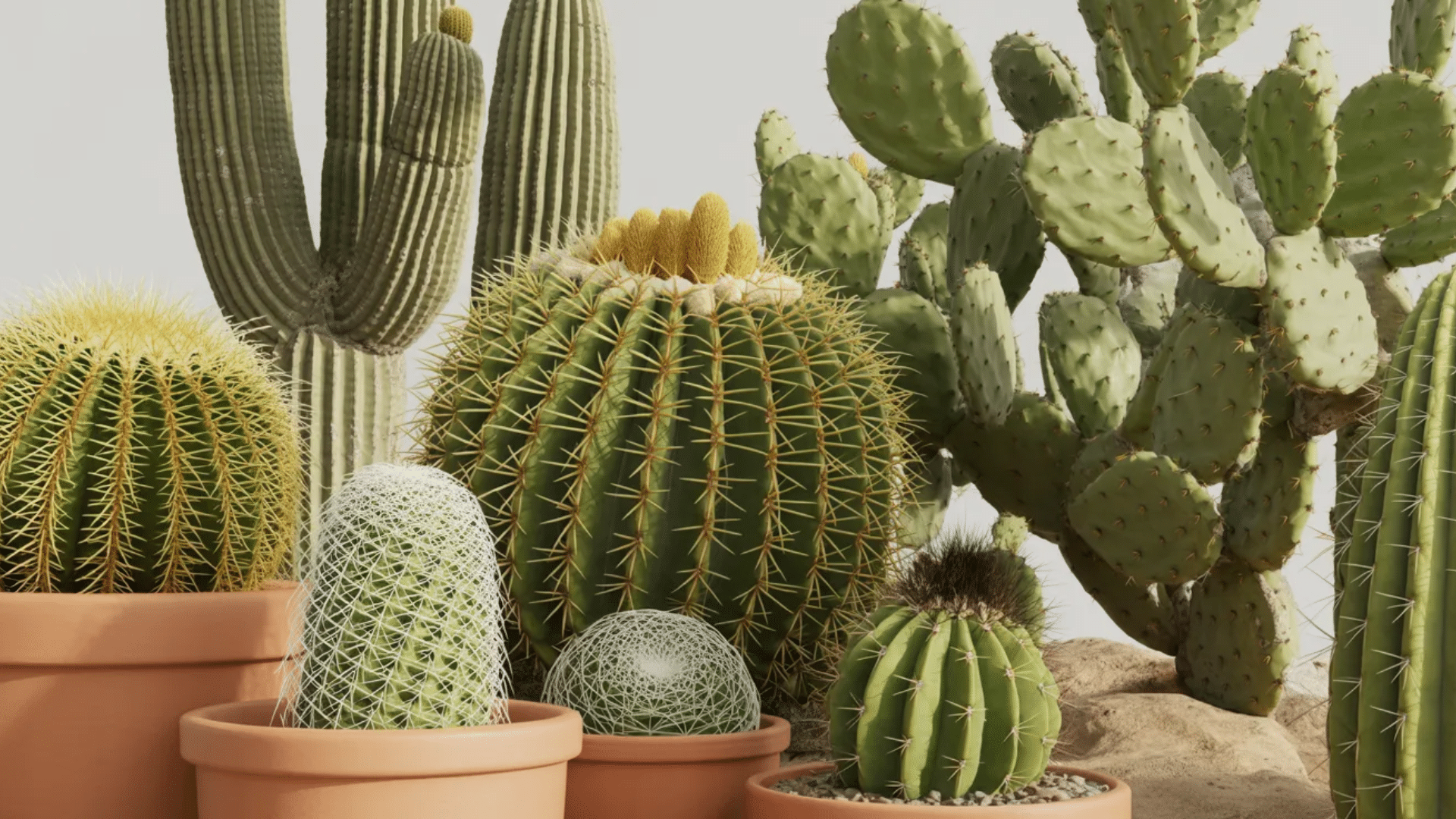

Cacti are among the most fascinating plants on the planet, built to thrive where most life struggles to survive. From towering desert giants to tiny, sculptural houseplants, they come in an incredible range of shapes, sizes, and textures.
Some bloom with surprisingly lively flowers, while others stand out with striking spines and unique forms.
Understanding the different types of cactus not only helps you appreciate their diversity but also makes it easier to choose the right one for your space or climate.
No matter if you are a beginner plant parent or a seasoned collector, exploring cactus varieties opens up a world of low-maintenance beauty and strength.
How Many Species of Cactus Exist?
There are roughly 1,500 to 2,000 known species of cactus, making them one of the most diverse groups of succulents.
These species are primarily native to the Americas, ranging from deserts in North and South America to tropical forests.
This wide distribution explains their diversity. Some cacti have adapted to extremely dry conditions with thick, water-storing bodies, while others survive in humid environments with softer stems.
Variations in climate, soil, and geography have led to the development of many unique shapes, sizes, and growth habits across cactus species.
Main Types of Cactus
Cacti can be grouped into a few main types based on their shape and growth patterns, making identification much easier, even for beginners.
By understanding these basic categories, you can quickly recognize different cactus varieties without needing to know their exact species names.
1. Barrel Cactus
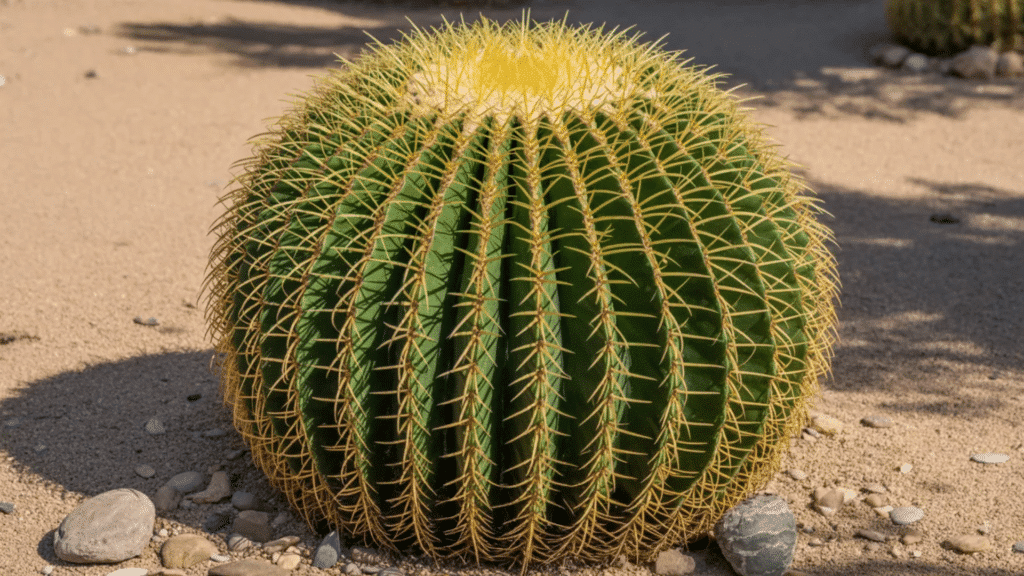
Barrel cacti are round, ribbed plants with thick bodies designed to store water efficiently. They are covered in dense, sharp spines that protect them from harsh environments.
These cacti typically grow low and wide rather than tall, making them easy to recognize. Common in desert regions, they survive in full sunlight and require minimal watering.
Their bold, symmetrical shape makes them a popular choice for outdoor landscaping and xeriscaping gardens.
How to Identify:
- Look for a round, barrel-shaped body with prominent vertical ribs and thick, sharp spines.
- It often has a woolly or yellowish crown on top and may produce bright yellow or orange flowers.
2. Columnar Cactus
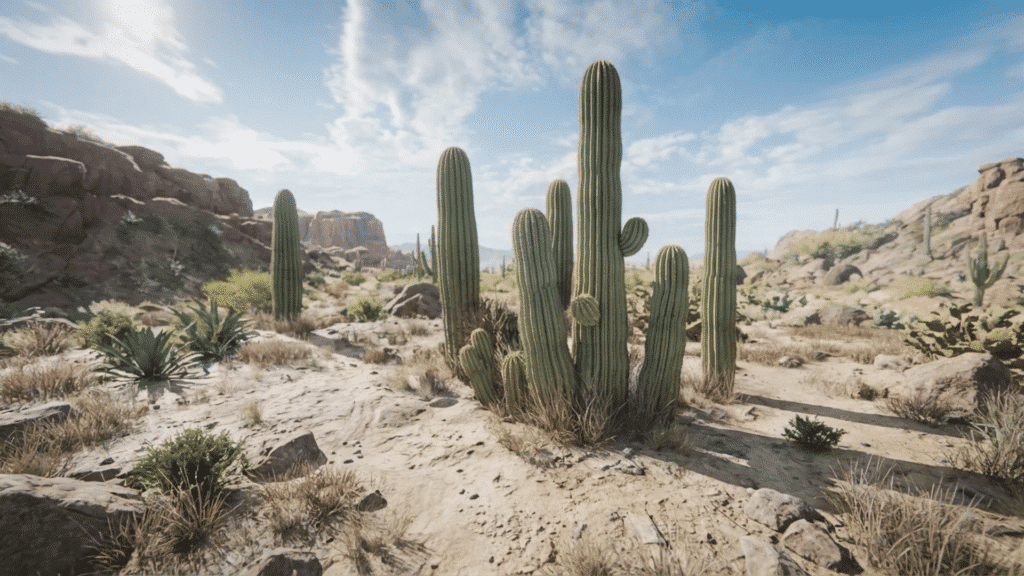
Columnar cacti grow vertically, forming tall, pillar-like structures that can resemble trees over time. They feature prominent vertical ribs and may branch out as they mature.
Some species, like the Saguaro, can grow extremely tall and live for decades. These cacti are slow-growing but highly resilient, growing in dry, sunny environments.
Due to their size and growth habit, they are best suited for outdoor spaces rather than indoor containers.
How to Identify:
- Look for tall, upright, column-like stems that grow vertically, often reaching several feet high.
- They usually have ribbed surfaces with spines and may branch like arms from a central stem.
3. Prickly Pear Cactus
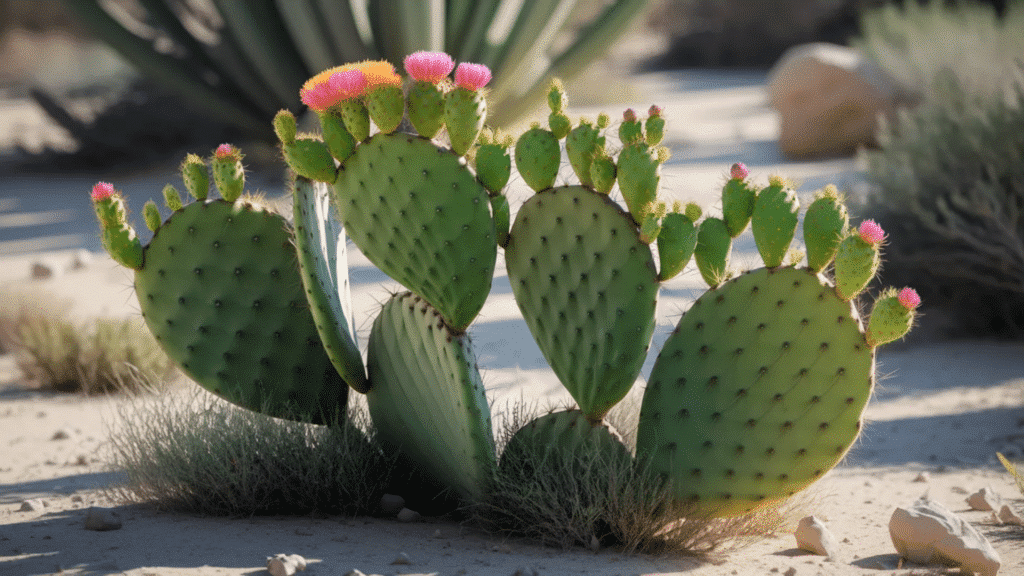
Prickly pear cacti are known for their flat, paddle-shaped segments that grow in clusters. They often produce bright flowers followed by edible fruits, making them both ornamental and functional.
Although they appear smooth, they have tiny, hair-like spines that can irritate the skin. These cacti are highly adaptable and grow well in warm climates.
They are commonly used in gardens and are valued for both their unique appearance and practical uses.
How to Identify:
- Look for flat, paddle-shaped pads growing in segments instead of tall stems.
- They often have small spines or tiny hair-like prickles and produce bright flowers and edible fruits.
4. Climbing or Vining Cactus

Climbing cacti have long, flexible stems that either trail along surfaces or climb when given support. Unlike most desert cacti, they grow relatively fast and may require more moisture.
A common example is the dragon fruit cactus, which produces edible fruit. These cacti are suitable for trellises, hanging pots, or vertical gardening setups.
They can be grown both indoors and outdoors, provided they receive adequate light and occasional support.
How to Identify:
- Look for long, trailing, or climbing stems that sprawl, hang, or cling to supports.
- They often have aerial roots and thinner, more flexible stems compared to upright cacti.
5. Globular Cactus
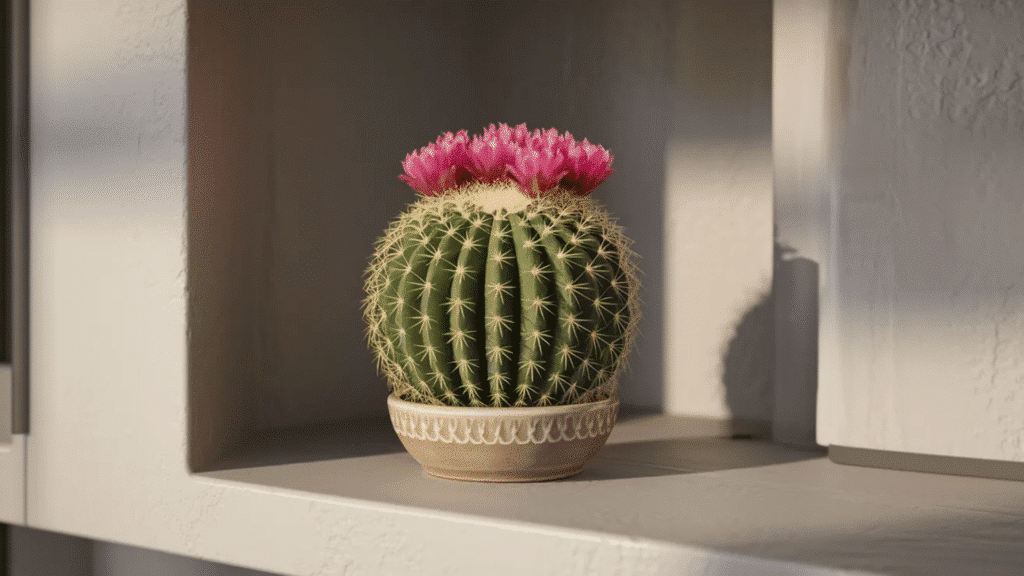
Globular cacti are small, spherical plants that often grow individually or in clusters. Their compact size makes them ideal for indoor environments and small spaces.
Despite their size, many produce lively flowers, adding visual interest. They are generally low-maintenance and require minimal watering, making them beginner-friendly.
These cacti are commonly used in decorative pots and are popular among plant enthusiasts looking for easy-to-care-for indoor plants.
How to Identify:
- Look for small, round or ball-shaped bodies with prominent ribs or tubercles.
- They are usually low-growing, spiny, and often produce bright top flowers.
Indoor and Outdoor Cacti
Not all cacti survive in the same environment. Some are better suited for controlled indoor conditions, while others need intense sunlight and open space to grow properly.
Best Indoor Cactus Types
Some cactus varieties adapt well to indoor environments, especially those that can tolerate indirect light, stable temperatures, and limited space.
These types are generally compact, low-maintenance, and suitable for home or office settings.
- Mammillaria: A small, rounded cactus that grows in clusters and requires minimal care. It fits well in pots and is perfect for desks or windowsills with moderate sunlight.
- Moon Cactus: A small, colorful cactus with a bright red, yellow, or orange top grafted onto a green base.
It’s perfect for indoors, requiring minimal care and adding a lively decorative touch to any space. - Star Cactus: A small, symmetrical cactus with a star-shaped form and smooth, patterned surface. Ideal for indoors due to its slow growth, low maintenance, and unique ornamental appearance.
Best Outdoor Cactus Types
Outdoor cacti typically require full sunlight, open space, and dry conditions to survive properly. These varieties are more resilient to extreme heat and are commonly used in landscaping and outdoor garden settings.
- Saguaro: A large, tree-like cactus that needs full sun exposure and plenty of open space to grow properly, making it ideal for large outdoor areas.
- Beavertail Cactus: A low-growing cactus with wide, flat pads and striking pink blooms in spring. Perfect for outdoor landscapes, it spreads easily and handles heat and dry soil well.
- Organ Pipe Cactus: A tall, multi-stem cactus that grows in clusters of vertical columns, perfect for outdoor landscapes. It survives in hot, dry climates and adds dramatic height and structure to garden designs.
Cactus Vs Succulents: Key Differences
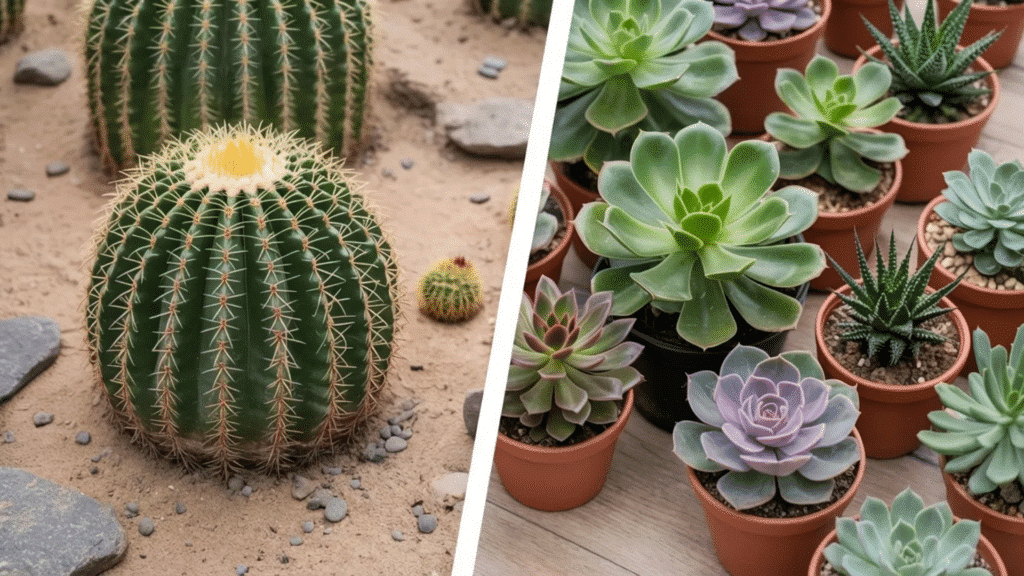
Cacti and succulents are often confused and used interchangeably, but they are not exactly the same. While both store water and survive in dry conditions, they differ in structure, features, and care needs.
| Feature | Cactus | Succulents |
|---|---|---|
| Definition | A specific group within succulents. | A broad category of water-storing plants. |
| Relationship | All cacti are succulents. | Not all succulents are cacti. |
| Areoles | Have areoles for spines and growth. | Do not have areoles. |
| Spines | Spines grow from areoles. | Spines may or may not be present. |
| Appearance | Mostly ribbed, round, or columnar forms. | Wide variety of shapes and structures. |
| Care Needs | Prefer high light and low water. | Vary by type, moderate light, and watering. |
Beginner Pitfalls to Avoid
Beginners often make common mistakes when caring for cacti, and even small errors can affect their growth, health, and long-term survival.
- Overwatering can cause root rot since cacti store water and need minimal watering.
- Using the wrong soil can retain excess moisture rather than provide proper drainage.
- Insufficient light leads to weak growth and poor plant health.
- Pots without drainage trap water and damage roots.
- Sudden temperature changes can stress the plant and affect growth.
Final Thoughts
From compact indoor varieties to large outdoor species, understanding the different types helps you choose the right cactus for your space, climate, and care routine.
By observing key traits like shape, spines, flowering patterns, and natural habitat, you can easily identify and care for different cactus types.
Whether you are a beginner or an experienced plant enthusiast, selecting suitable varieties and avoiding common mistakes ensures healthy growth and long-lasting plants.
With the right approach, cacti can survive with minimal effort while adding unique character to any environment.
Frequently Asked Questions
What Are the Famous Cacti Called?
The saguaro is an icon of the Sonoran Desert region. This impressive plant is the largest cactus in the United States, growing 10 to 40 feet tall, or even 50 feet.
Can Cactus Lower Cholesterol?
The lipid-lowering effects of edible cacti, particularly nopal pads, are primarily attributed to their soluble fiber, phytosterol, and antioxidant content. Soluble fibers such as pectin and mucilage bind bile acids in the intestine and increase fecal excretion, thereby reducing intestinal cholesterol absorption.
What Is the Indian Common Cactus?
Opuntia ficus-indica, the Indian fig opuntia, fig opuntia, or prickly pear, is a species of cactus that has long been a domesticated crop plant grown in agricultural economies throughout arid and semiarid parts of the world.

With a Master’s in Landscape Architecture from the University of Virginia, Sophia Stephenson has dedicated the last 20 years to creating and maintaining vibrant outdoor spaces. Her professional journey started in landscape design, where she gained a reputation for innovative and sustainable approaches. Sophia became a part of our editorial team as a freelancer in 2019, offering a fresh perspective on outdoor living. Since 2020, she has been the chief for our outdoor design content, blending aesthetic appeal with environmental stewardship. In her leisure time, Sophia is a keen photographer, capturing the beauty of natural landscapes, a hobby that complements her professional expertise.



![20 front yard succulent garden ideas[P]](https://enthrallinggumption.com/wp-content/uploads/2023/12/20frontyardsucculentgardenideas-1024x576.jpg.webp)