
A workspace often feels right or wrong before any work even begins.
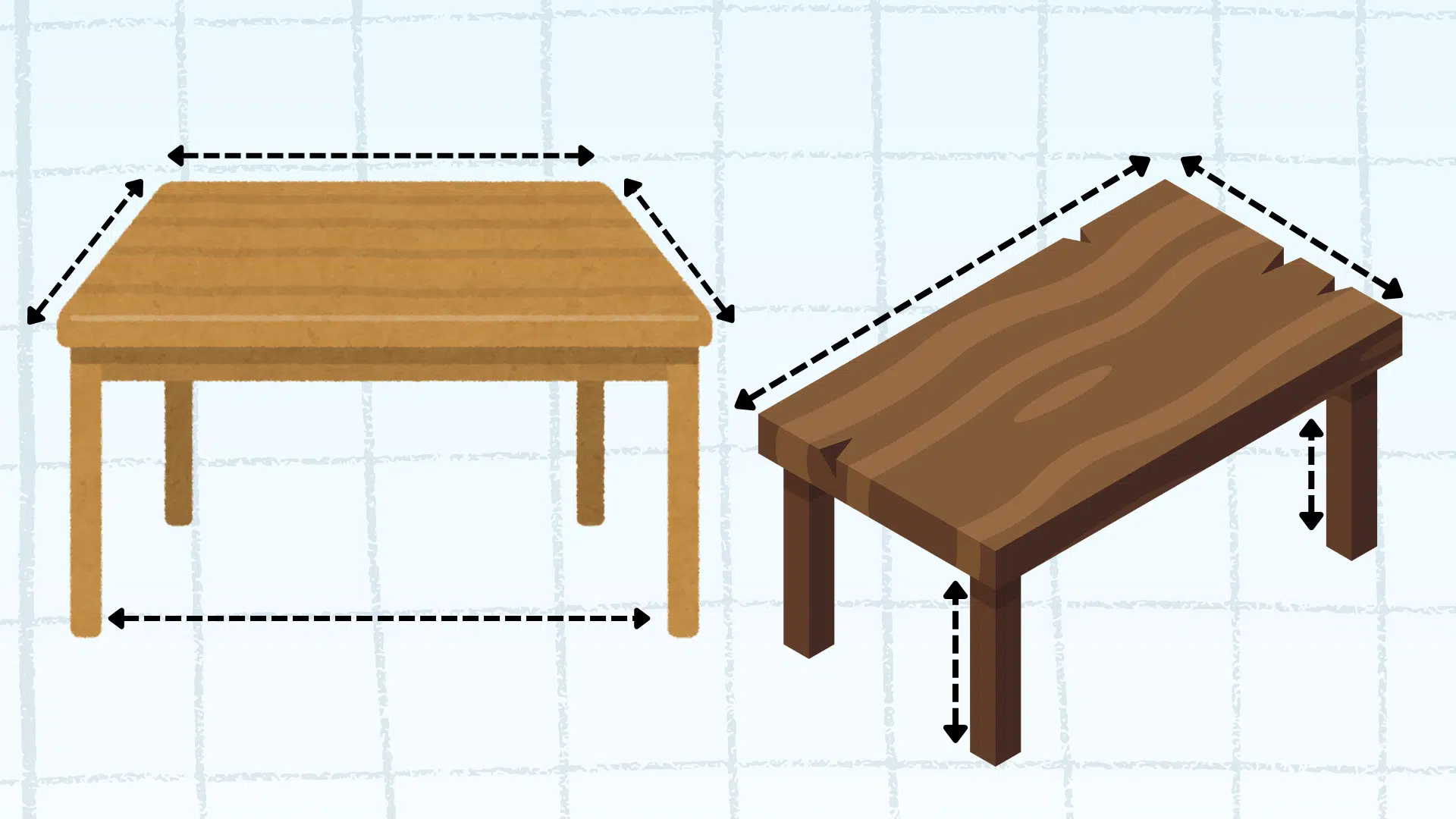
Desk dimensions influence how comfortably tasks are handled, how space is arranged, and how natural daily use feels.
Small variations in width, depth, and height can affect movement, posture, and overall balance.
Desk dimensions also influence how seamlessly a desk fits into a room, avoiding a cramped or oversized appearance.
Understanding these measurements ensures a setup that promotes consistent use and lasting comfort.
The sections ahead break down key sizes, comparisons, and considerations that shape practical desk choices.
What Are Standard Desk Dimensions?
Standard desk dimensions describe commonly used measurements that suit everyday work needs and fit well in most spaces.
A typical desk is around 48 to 60 inches wide, 24 to 30 inches deep, and 29 to 30 inches high.
These proportions provide enough surface space for essential work items while maintaining comfortable leg clearance.
Such measurements are widely adopted in homes and offices because they support seated tasks without overwhelming the room.
While individual needs may differ, these dimensions act as a practical reference for general workspace planning.
Desk Dimensions by Desk Type

Desk dimensions differ by desk type, and the direct answer is that each design follows specific size ranges based on how the surface and space are intended to be used.
Reviewing desk dimensions by desk type helps match workspace requirements with suitable proportions for comfort and function:
1. Writing Desks
Writing desks are designed for light tasks such as paperwork, reading, and note-taking, with compact proportions that prioritize simplicity over equipment space.
Typical dimensions:
- Width: 36–48 inches
- Depth: 18–24 inches
- Height: 29–30 inches
These dimensions suit smaller rooms and minimal setups, making writing desks a practical option where surface needs are limited and a streamlined workspace is preferred.
2. Computer Desks
Computer desks are sized to support screens, input devices, and accessories while maintaining usable surface depth.
Typical dimensions:
- Width: 48–60 inches
- Depth: 24–30 inches
- Height: 29–30 inches
These measurements help accommodate monitors and peripherals without crowding, offering a balanced setup for routine digital tasks and extended screen use.
3. Office Desks
Office desks provide broader surfaces to manage documents, equipment, and storage elements in professional or home-office environments.
Typical dimensions:
- Width: 60–72 inches
- Depth: 30–36 inches
- Height: 29–30 inches
Such proportions support multitasking and organized layouts, allowing space for paperwork, devices, and accessories without limiting movement or workspace flow.
4. Standing Desks
Standing desks focus on adjustable height ranges to support upright and seated positions throughout the workday.
Typical dimensions:
- Width: 48–72 inches
- Depth: 24–30 inches
- Height range: 24–48 inches (adjustable)
These measurements allow flexibility across posture changes, making standing desks suitable for users who alternate positions while maintaining consistent surface space.
5. Gaming Desks
Gaming desks are designed to support screen-heavy setups and accessories, offering wider surfaces and stable construction to handle multiple devices while maintaining organized spacing for long sessions.
Typical dimensions:
- Width: 55–72 inches
- Depth: 28–32 inches
- Height: 29–30 inches
These proportions allow space for monitors and peripherals while keeping frequently used controls within easy reach during extended sessions.
6. Adjustable-Height Seated Desks
Adjustable-height seated desks allow controlled height adjustments while remaining intended for seated use, making them suitable for shared workspaces or users who need minor positioning changes without switching to standing.
Typical dimensions:
- Width: 48–60 inches
- Depth: 24–30 inches
- Height range: 25–32 inches (adjustable)
This range supports fine-tuning desk height to match chair settings, helping accommodate different users without shifting to a standing setup.
7. Floating Desks
Floating desks are wall-mounted surfaces created for space-saving layouts, providing a functional work area without occupying floor space, commonly used in compact rooms or minimal work setups.
Typical dimensions:
- Width: 30–48 inches
- Depth: 16–20 inches
- Height: Wall-mounted based on preference
These desks work well in compact rooms where floor space is limited and light tasks are the primary focus.
8. L-Shaped Desks
L-shaped desks are structured to fit into corners and create extended work surfaces, supporting multi-task arrangements by separating activities across two connected sections within a single workspace.
Typical dimensions:
- Width: 55–72 inches per side
- Depth: 24–30 inches
- Height: 29–30 inches
This layout allows separation of tasks across surfaces while maintaining a single, continuous workspace.
9. Student or School Desks
Student or school desks are proportioned for study-focused tasks, offering manageable surface sizes that support reading, writing, and basic computer use in classrooms or home learning environments.
Typical dimensions:
- Width: 36–48 inches
- Depth: 18–24 inches
- Height: 26–30 inches
These measurements support reading, writing, and basic computer use while fitting well into shared or limited study spaces.
Desk Dimension Chart
This desk dimension chart provides a clear, side-by-side view of standard desk sizes across different types, offering a direct reference for comparing width, depth, and height measurements in a simple, easy-to-read format.
| Desk Type | Typical Width (in) | Typical Depth (in) | Typical Height (in) |
|---|---|---|---|
| Writing Desk | 36–48 | 18–24 | 29–30 |
| Computer Desk | 48–60 | 24–30 | 29–30 |
| Office Desk | 60–72 | 30–36 | 29–30 |
| Standing Desk | 48–72 | 24–30 | 24–48 (adjustable) |
| Gaming Desk | 55–72 | 28–32 | 29–30 |
| Adjustable-Height Seated Desk | 48–60 | 24–30 | 25–32 (adjustable) |
| Floating Desk | 30–48 | 16–20 | Wall-mounted |
| L-Shaped Desk | 55–72 per side | 24–30 | 29–30 |
| Student or School Desk | 36–48 | 18–24 | 26–30 |
By reviewing these measurements together, selecting a desk that fits both available space and functional needs becomes more straightforward, supporting better planning and practical workspace decisions.
Desk Height and Ergonomics
Desk height plays a key role in maintaining proper body alignment during work.
A well-matched desk height supports neutral posture, helping reduce strain on the shoulders, wrists, and back during extended use.
- Standard seated desk height generally falls between 29 and 30 inches
- Forearms should rest parallel to the floor while typing or writing
- Feet should remain flat on the floor for balanced support
- Screen level should align with natural eye height
When desk height aligns with seating and screen placement, overall comfort improves.
Proper proportions support steady work habits, limit unnecessary tension, and promote consistent physical ease throughout the workday.
How to Choose the Right Desk Dimensions?
Selecting the right desk dimensions depends on space, usage, and comfort needs.
The desk should fit the room, support daily tasks, and align with the user’s physical setup without causing restriction.
- Room size and layout: Measure floor space and wall clearance to ensure the desk fits without limiting movement or access.
- User height and seating: Desk height should align with chair height to support proper arm and leg positioning.
- Work equipment needs: Consider the surface space required for monitors, laptops, documents, or accessories.
- Legroom and clearance: Ensure enough space under the desk for comfortable seating and movement.
- Future flexibility: Allow extra surface or space for potential setup changes.
Well-chosen desk dimensions create a comfortable, efficient workspace that supports consistent use and adapts to changing needs over time.
Wrapping Up
Desk dimensions shape how a workspace supports daily routines, comfort, and efficiency.
Width, depth, and height each play a role in how easily tasks are managed and how naturally a desk fits into its surroundings.
Different desk types highlight how size choices can support varied needs, while comparison charts and ergonomic points clarify practical decision-making.
Desk dimensions also influence long-term usability, not just initial setup.
Paying attention to measurements helps create a workspace that feels balanced and usable over time.
If a specific desk size or style has worked well, or created challenges, share experiences or favorites in the comments below.

With a Master in Architectural Studies from University of Pennysylvania, Marwa Haydar has pioneered living spaces since 2005. Her expertise, initially honed in a prestigious architectural firm, is evident in her approach to creating environments. Marwa became part of our team in 2019 and has since been a driving force in our home improvement section, known for her practical yet stylish solutions. She’s been spearheading our design workshops since then, infusing her passion for teaching into her work. In her leisure time, Marwa enjoys exploring historic architecture and is an enthusiastic pottery hobbyist, further enriching her understanding of form and texture.