
Windows often seem simple, yet every section plays a quiet role in how light enters, air moves, and structures stay protected.
What appears as a single unit is actually a carefully assembled system designed for balance, support, and daily function.
What holds everything together is a combination of structural support and carefully placed working parts.
Understanding the parts of a window reveals how design choices affect comfort, efficiency, and long-term reliability.
As the sections ahead unfold, the focus shifts from visible features to supporting elements and operational details, offering a clearer picture of how windows function beyond their surface appearance.
Different Types of Windows
Window types vary based on operation, placement, ventilation needs, and structural design, allowing buildings to address lighting, airflow, and environmental conditions effectively.
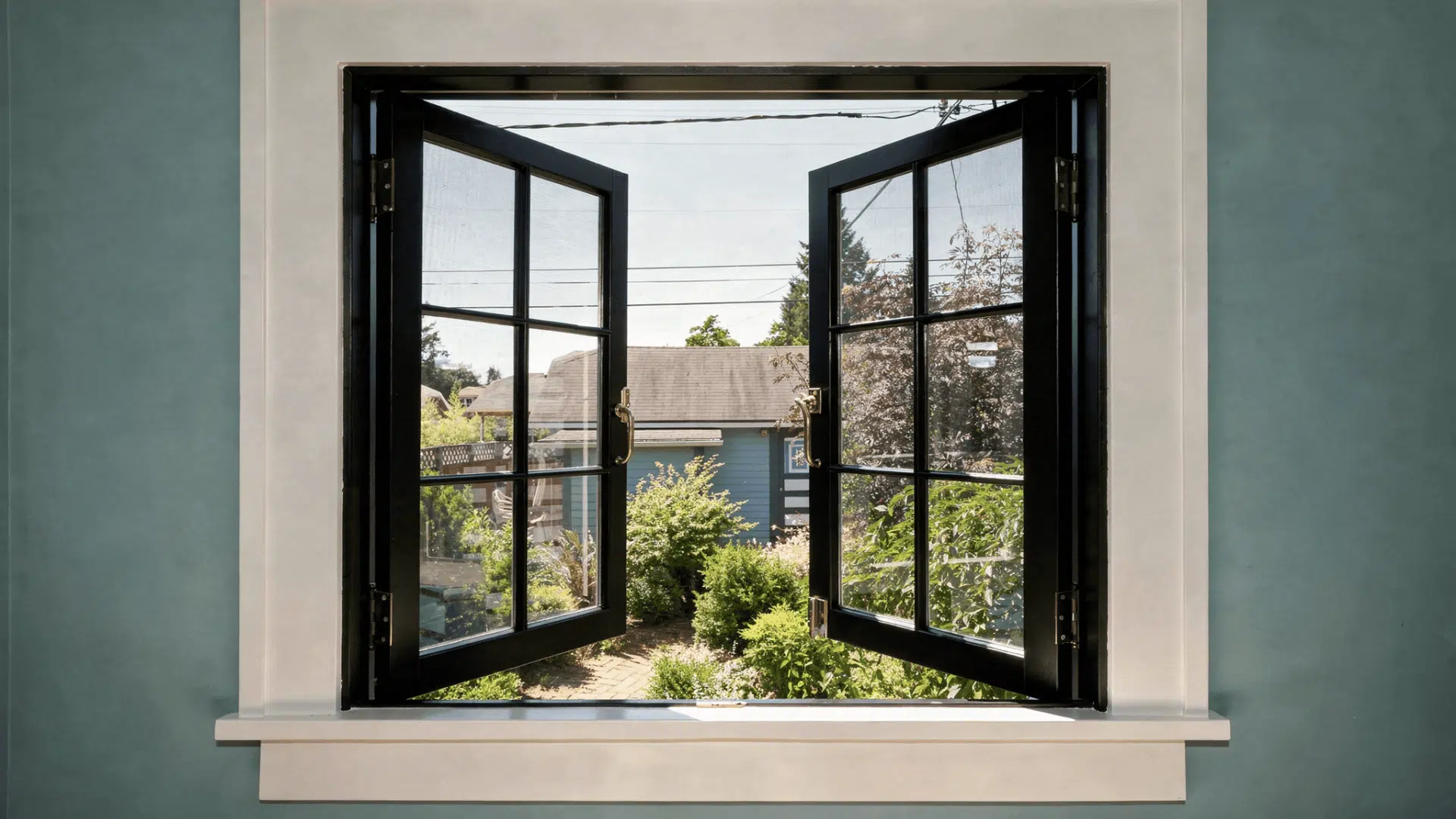
Options include single-hung, double-hung, casement, Jalousie windows, sliding, awning, fixed, and skylight windows, each serving a distinct purpose.
Mullioned windows use vertical divisions to separate glass sections, while mulled windows join multiple window units into one wider opening.
feature adjustable horizontal slats for controlled airflow.
Impact windows are built to withstand strong winds and debris in high-risk weather areas.
Different Parts of a Window
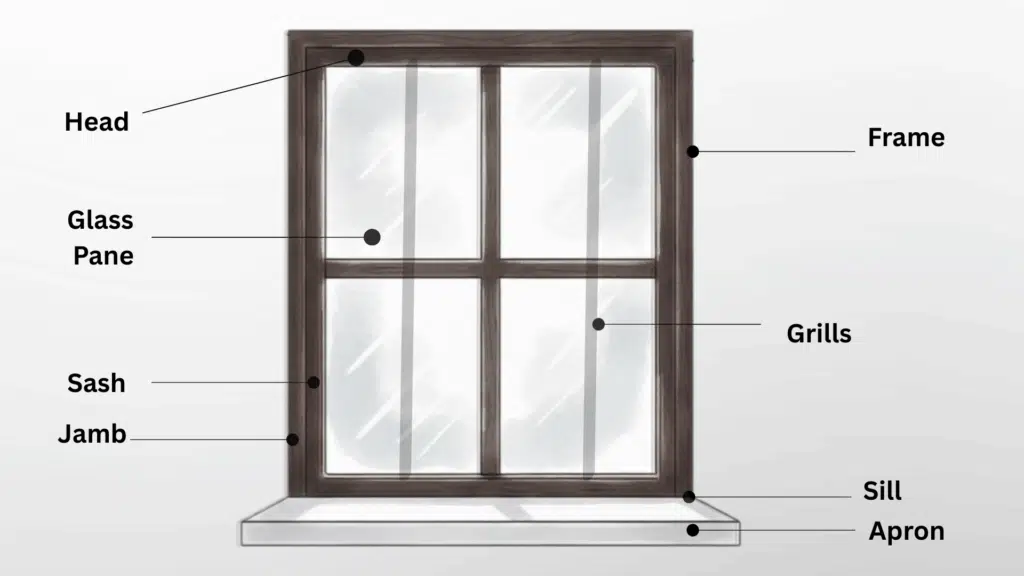
Every window is built from multiple components that work together to support structure, allow operation, and manage light, airflow, and protection within an opening.
Main Parts of a Window
Windows are made up of several core components that work together to provide light, ventilation, insulation, and structural stability within a building opening.
Below are the main parts of a window, each serving a specific structural or functional role:
1. Frame
The frame is the fixed outer structure that anchors the window inside the wall opening. It supports the sash and glass while maintaining shape and alignment.
Frames are made from materials such as wood, vinyl, aluminum, or fiberglass.
Each material influences insulation capability, maintenance requirements, resistance to weather exposure, and overall lifespan.
2. Sash
The sash is the section of the window that holds the glass and may remain stationary or move, depending on design.
In operable windows, it enables opening and closing for airflow. Different window styles use sashes in specific ways.
Properly fitted sashes help maintain smooth movement, tight sealing, and consistent indoor comfort.
3. Glass Pane
The glass pane is a transparent barrier that lets in natural light and blocks outside elements.
It may have single or multiple layers for temperature control and sound reduction.
Coatings and insulated spacing improve performance, making glass selection important for safety, comfort, and efficiency.
Structural Parts That Support the Window
Structural window components help secure the unit within the wall opening while maintaining proper alignment, load distribution, and long-term stability.
Below are the key structural parts that support a window and keep it properly positioned:
4. Head
The head is the horizontal structural section positioned at the top of the window frame.
It supports the load from the wall above the opening and transfers weight safely around the window.
Proper head support helps maintain frame alignment and reduces stress on internal window components over time.
5. Jambs
Jambs are the vertical frame members running along both sides of the window.
They connect the head and sill while holding the window firmly in place.
In operable windows, jambs also help guide sash movement.
Correct jamb installation supports alignment, sealing, and smooth window operation.
6. Sill
The sill forms the bottom structural base of the window frame and supports the window’s weight.
It is shaped to guide water away from the interior surface.
A well-fitted sill helps limit moisture exposure, supports drainage, and contributes to long-term stability and exterior protection.
Functional Parts That Help Windows Operate
Functional window components enable movement, control airflow, and support daily use while ensuring proper alignment and easy operation.
Below are the key functional parts that help windows open, close, and stay securely positioned:
7. Tracks
Tracks are channels guiding sliding or horizontal windows, ensuring smooth, aligned movement.
Clean, fitted tracks reduce friction, wear, and support proper operation.
Damage or debris can hinder movement and sealing.
8. Hinges
Hinges connect the sash to the frame in windows that swing open, such as casement or awning styles.
They allow controlled movement while supporting the sash’s weight.
Strong hinges help maintain balance, prevent sagging, and support repeated use. Proper hinge placement also affects opening range and long-term performance.
9. Locks and Latches
Locks and latches secure the window in a closed position and help prevent unwanted opening. They also assist in pulling the sash tightly against the frame to reduce air gaps.
Different window styles use different locking systems.
Reliable locking hardware supports safety, sealing effectiveness, and consistent window function.
Additional Window Components You May See
Some window elements are optional and vary by design, purpose, or placement, adding specific functional or visual features beyond the main structure.
Below are common additional components often included based on window style and usage needs:
- Grilles or Muntins: Decorative strips placed over or between glass sections to create divided appearances, commonly used for traditional styling without affecting structural support.
- Weatherstripping: Flexible sealing material installed along edges to limit air movement, reduce drafts, and support consistent indoor temperature control.
- WindowScreens: Mesh panels fitted over openings to allow airflow while limiting entry of insects, debris, or outdoor particles.
- Apron: The interior trim piece installed directly beneath the window sill, used to cover gaps, support finishing work, and provide a clean visual transition to the wall surface.
Together, these added components contribute to usability, comfort, and appearance while supporting specific functional needs without altering the window’s core structure.
Conclusion
Windows are more than framed glass openings; they are systems built from carefully placed components that support structure, movement, and comfort.
From the frame, sash, and glass pane to structural supports like the head, jambs, and sill, each element serves a clear purpose.
Functional hardware allows smooth operation, while additional components add finishing and practical value.
Viewing windows through the lens of their construction makes it easier to recognize quality, address maintenance needs, and communicate clearly during repairs or replacements.
Knowing the parts of a window brings clarity to how windows perform as a whole, not just how they appear.
Share your experience with windows or mention a part you find most useful in the comments below.

Holding a Master’s in Construction Management from Purdue University, William Ray has dedicated more than two decades to studying and applying construction principles. His professional journey includes a tenure with a prominent construction firm, where he specialized in project management and building technologies. William brought his knowledge to our team, providing in-depth insights into practical construction techniques. As the leader of our beginner’s guide to building since 2019, he has a knack for breaking down intricate processes into easily digestible content. When not involved in writing or onsite consultations, William enjoys woodworking and volunteering in community building projects, which aligns with his passion for hands-on construction and community service.