
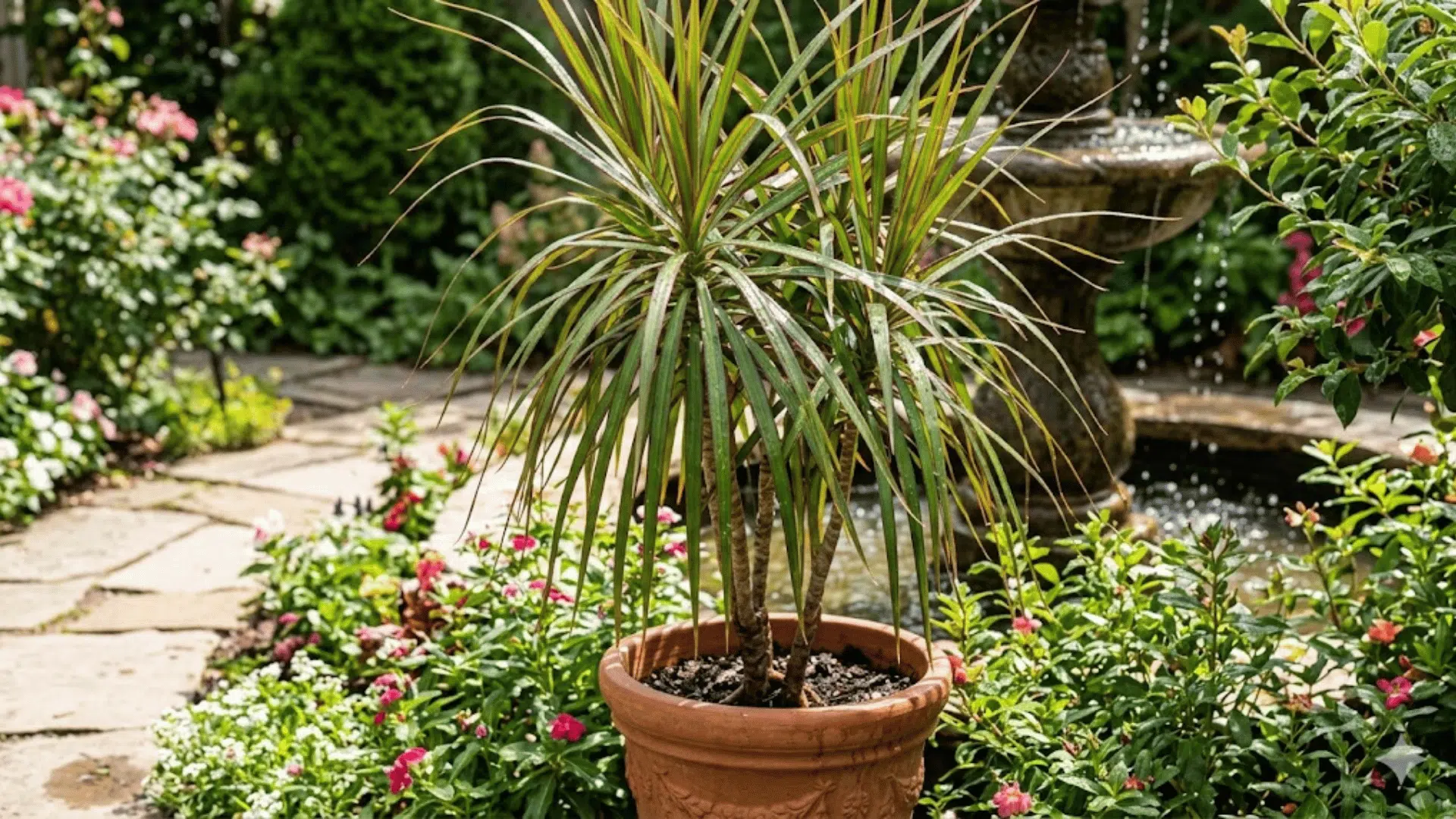

Indoor plants can feel confusing at first. One week, they look fresh, and the next, they start showing signs of stress. That’s where Dracaena stands out.
It’s one of those plants that doesn’t need constant attention but still brings a clean, green look to your space.
This blog explains everything in a simple, clear way. From choosing the right type to handling everyday Dracaena plant care and fixing common problems, it covers what actually works in real homes.
If the goal is a plant that’s easy to manage and stays healthy for a long time, Dracaena is a great choice.
What is a Dracaena Plant?
Dracaena is a group of indoor plants known for their long, upright leaves and clean structure. It’s widely used in homes and offices because it fits into various spaces with minimal effort.
Many people choose it because the dracaena plant care is simple to follow. It doesn’t react too quickly to minor mistakes, making it a safe option for beginners. Even with basic care, it can stay healthy for years.
Another reason for its popularity is its flexibility in placement. It can sit in corners, near windows, or even in offices with artificial light. While growth may slow in lower light, the plant still holds its shape and color well.
Dracaena is also known for its clean appearance. The long leaves and upright stems give a neat look without making a space feel crowded.
That’s why it’s often used to add greenery without the need for large planters or frequent maintenance.
Types of Dracaena Plants
Choosing the right type can make dracaena plant care easier right from the start. While most types share similar needs, their appearance and size can vary.
1. Dracaena Marginata (Dragon Tree)

Dracaena Marginata has thin, pointed leaves that grow in clusters. The plant often has a tall, slender trunk, which makes it ideal for small spaces that need vertical greenery.
It works well in apartments or rooms with limited floor space. Because of its shape, it can fit into corners without feeling bulky. In terms of care, it’s one of the easiest types to manage.
Dracaena plant care for this variety focuses mainly on balanced watering and indirect light. It tolerates minor changes in its environment, which makes it a reliable option for beginners.
2. Dracaena Fragrans (Corn Plant)

The Corn Plant is often chosen for living rooms and larger spaces because it adds volume without needing multiple plants.
Its leaves grow in layers, which gives it a natural, relaxed look. When it comes to dracaena plant care, this type is very forgiving.
It can handle slight overwatering or low light better than many other indoor plants. That makes it a great starting point for anyone new to plant care.
3. Dracaena Compacta

Dracaena Compacta grows in a dense, upright form with shorter leaves. It has a neat structure, which makes it ideal for desks, shelves, or small rooms.
Unlike taller varieties, this one stays more compact, so it doesn’t need much trimming or space adjustments. It’s often used in offices because it doesn’t spread out too much.
Dracaena Compacta plant care is similar to other types, but requires a bit more attention to watering. Overwatering can affect it faster due to its dense growth, so keeping soil conditions balanced is important.
4. Dracaena Reflexa (Song of India)

This variety stands out because of its leaf pattern. The leaves have light-colored edges, which adds contrast and makes the plant look brighter.
It needs slightly more light compared to other Dracaena types. Placing it near a bright window helps maintain its color. With proper placement, dracaena plant care for this type stays simple. Once it settles into a stable spot, it grows steadily and maintains its shape without much effort.
Understanding Dracaena’s Care Needs
Caring the right way starts with understanding why the plant responds the way it does. Once you know the reasoning behind each requirement, the care itself becomes straightforward.
- Light: Dracaena evolved under forest canopies, which is why it tolerates shade but thrives in bright, indirect light. Direct sun hits harder than it does in its natural habitat, scorching or bleaching the leaves.
- Water: The roots of a dracaena are vulnerable to sitting in moisture. Unlike some tropical plants, it doesn’t need frequent watering; it needs correct watering. Tap water can also be an issue, since Dracaena is sensitive to fluoride and chlorine, which is why filtered water helps prevent brown leaf tips.
- Soil: The right soil is really about drainage. When water pools around the roots for too long, root health declines quickly. A well-draining mix removes that risk without any extra effort on your part.
- Temperature and Humidity: Dracaena is well-suited to standard indoor conditions. The one thing it dislikes is sudden change, cold drafts, heat vents, or being moved to a drastically different environment.
Your Dracaena Care Routine
Knowing what the plant needs is one thing, but building it into a simple routine is what keeps it healthy in the long term. Here’s how each care area translates into everyday action:
| Care Area | What to Do | How Often |
|---|---|---|
| Light & Placement | Position near a window with bright, indirect light; rotate the pot for even growth | Rotate every 2–3 weeks |
| Watering | Check the top inch of soil water only when dry; use filtered water where possible | Every 7–10 days (less in winter) |
| Leaf Cleaning | Wipe leaves with a damp cloth to remove dust and help light absorption | Every 2–3 weeks |
| Repotting | Move to a slightly larger pot when roots begin crowding; refresh the soil | Every 1–2 years |
| Seasonal Adjustment | Increase watering slightly in warmer months; reduce in cooler, slower-growth periods | Reassess each season |
The goal isn’t perfection, it’s consistency. Small, regular habits will always outperform occasional intensive care with Dracaena.
Common Problems and Fixes
Even easy plants can show signs of stress. Knowing how to respond helps improve dracaena plant care.
Yellow leaves: Often caused by overwatering, where the soil stays too wet, and roots lack oxygen.
Fix: Reduce watering, allow the soil to dry between cycles, and remove affected leaves.Brown tips: Usually due to dry air or chemicals in tap water.
Fix: Use filtered or distilled water and maintain consistent moisture levels.Drooping leaves: Occurs when there are sudden changes in watering or environmental conditions.
Fix: Adjust care routines gradually and maintain stable conditions.Soft or mushy stems: A sign of overwatering leading to root damage or rot.
Fix: Stop watering immediately, inspect roots, and repot in fresh, dry soil if needed.Slow growth: Caused by low light or lack of nutrients.
Fix: Move the plant to brighter indirect light and feed lightly during the growing season.
Conclusion
With a simple and consistent routine, Dracaena plant care becomes easy to manage and fits naturally into everyday life.
Paying attention to basics like light, watering, and proper placement is usually enough to keep the plant healthy and growing well over time.
It helps to start with one plant and observe how it responds to your space. Small adjustments in care can lead to noticeable improvements in its appearance and growth.
Bringing a dracaena into your home is a great way to add greenery while keeping maintenance low and manageable!

With a Master’s in Landscape Architecture from the University of Virginia, Sophia Stephenson has dedicated the last 20 years to creating and maintaining vibrant outdoor spaces. Her professional journey started in landscape design, where she gained a reputation for innovative and sustainable approaches. Sophia became a part of our editorial team as a freelancer in 2019, offering a fresh perspective on outdoor living. Since 2020, she has been the chief for our outdoor design content, blending aesthetic appeal with environmental stewardship. In her leisure time, Sophia is a keen photographer, capturing the beauty of natural landscapes, a hobby that complements her professional expertise.



![20 front yard succulent garden ideas[P]](https://enthrallinggumption.com/wp-content/uploads/2023/12/20frontyardsucculentgardenideas-1024x576.jpg.webp)