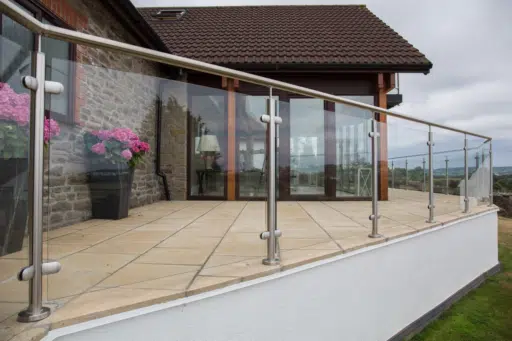
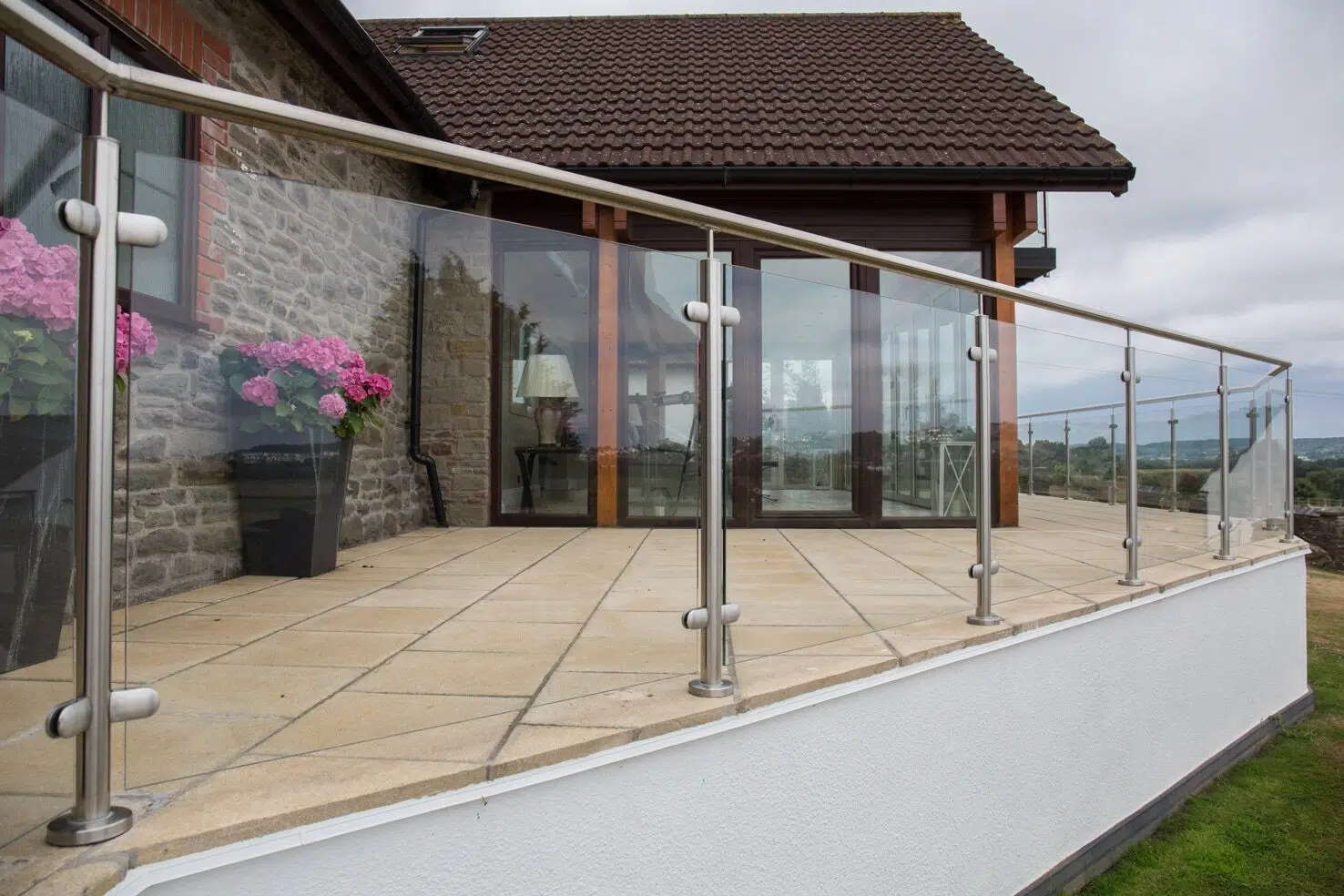

Glass railings and panels are popular choices for modern homes and commercial properties across Canada and the United States. They create a clean, open appearance while allowing natural light and outdoor views to remain visible. From backyard decks and balconies to interior staircases, glass railing systems can suit a wide range of architectural styles.
Quick Answer: Glass railings and panels offer a modern look, clear views, and versatile design options. Choosing the right glass, mounting system, hardware, and code-compliant installation helps ensure long-term safety and performance.
Why Choose Glass Railings and Panels?
Glass railings combine functionality with a minimalist appearance. Unlike traditional wood or bulky metal barriers, clear glass helps maintain an open visual connection between indoor and outdoor spaces.
Common benefits include:
- Unobstructed views: Ideal for decks, balconies, patios, and scenic outdoor areas.
- Natural light: Clear panels allow daylight to pass through, helping spaces feel brighter.
- Modern appearance: Glass complements contemporary, traditional, and transitional architecture.
- Design flexibility: Available with different mounting styles, finishes, and hardware options.
- Versatile applications: Suitable for many residential and commercial settings when properly designed.
The right system depends on the location, the surrounding architecture, maintenance expectations, and applicable safety requirements.
Common Types of Glass Railing Systems
Understanding the main design options can help homeowners and builders select a suitable system for their project.
1. Frameless Glass Railings
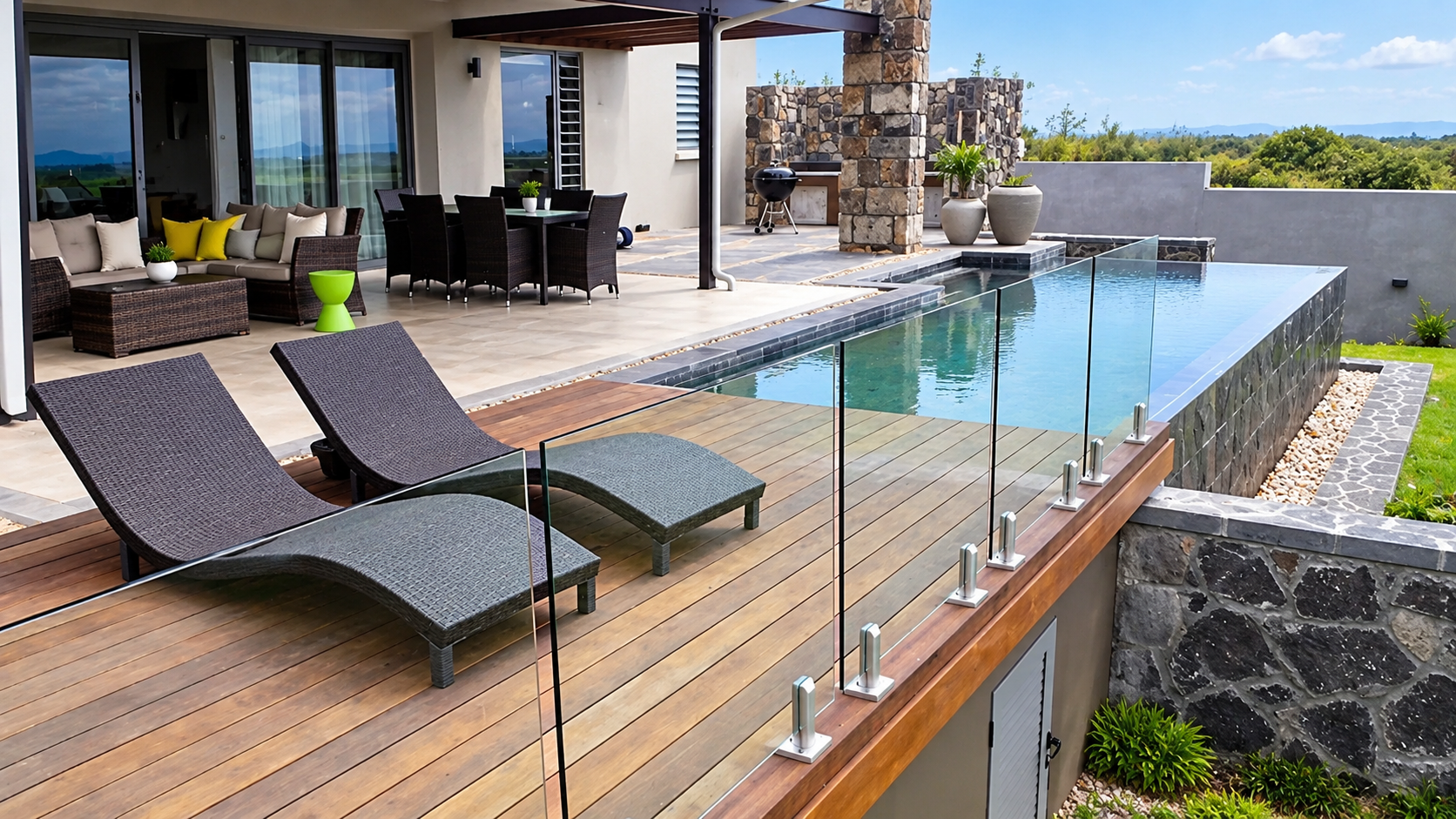
Frameless glass railings use minimal visible framing to create a clean, uninterrupted appearance. Panels are commonly secured using a base channel or specialized mounting hardware, depending on the system design.
These railings are popular for modern decks, balconies, terraces, and poolside areas where maintaining clear views is a priority. Proper structural support and suitable safety glazing are essential, particularly for elevated installations.
2. Semi-Frameless Glass Railings
Semi-frameless systems use glass panels supported by posts or selected framing components. They offer a balance between an open appearance and visible structural elements.
This option can work well for homeowners who want the look of glass while incorporating metal posts, handrails, or other architectural details.
3. Framed Glass Railings
Framed systems hold glass panels within a more visible supporting structure. Depending on the design, frames may use aluminum, stainless steel, or other suitable materials.
They can complement a range of property styles and provide a defined railing appearance. The frame, connections, and glass must be selected as compatible components of the complete assembly.
Choosing Glass Panels for Canadian Homes
When comparing Glass Panels in Canada, consider more than appearance alone. The panel type should suit the railing’s location, dimensions, expected loads, and installation method.
Consider Glass Type and Thickness
Tempered and laminated safety glass are common materials used in architectural glazing, but their suitability for a guardrail depends on the specific application and local requirements. Laminated glass has an interlayer that helps retain broken fragments, while tempered glass is heat-treated to improve its strength and typically breaks into small pieces.
Glass thickness should not be selected by appearance or a general rule of thumb. It needs to be determined according to the panel dimensions, support conditions, design loads, and applicable building code.
Choose Suitable Hardware
The hardware is an important part of the complete railing system. Depending on the design, it may include stainless steel spigots, clamps, posts, brackets, base channels, and handrails.
Select components that are compatible with the glass specifications and intended mounting method. Outdoor installations also need materials and finishes appropriate for exposure to rain, moisture, temperature changes, and, where relevant, coastal conditions.
Match the Panels to the Space
For decks and balconies, clear panels can preserve views of gardens, landscapes, and surrounding areas. Frosted or tinted glass may offer a different level of privacy or visual effect, depending on the product.
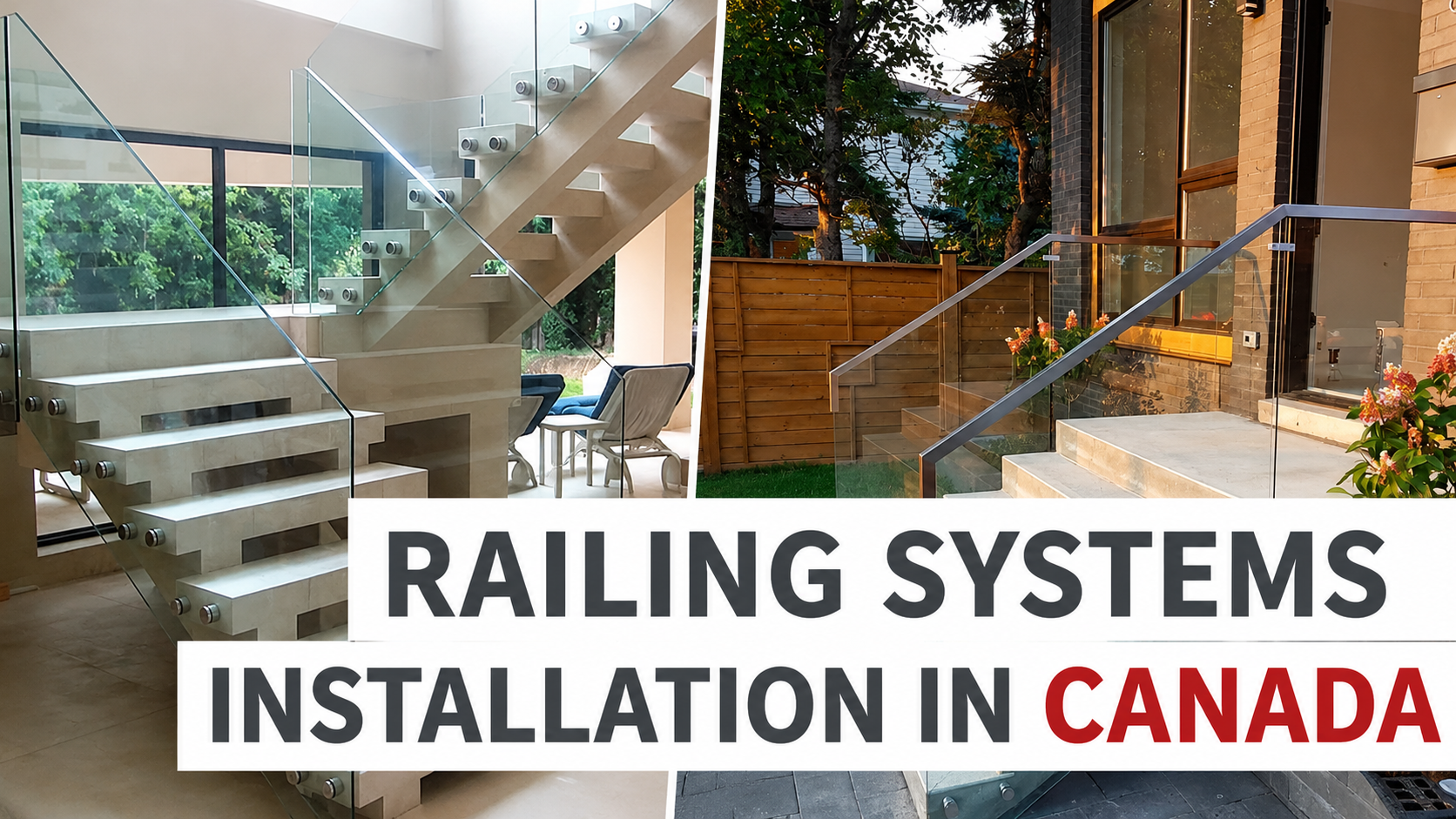
Interior glass panels can help staircases and landings feel more open, while commercial projects may prioritize a consistent appearance, durability, and ease of maintenance.
Planning Your Glass Railing Project
Before ordering glass railings and panels, take time to evaluate the layout and installation conditions. Accurate measurements of the railing length, corners, stairs, and mounting surfaces help determine the number and size of panels required. It is also important to identify whether the system will be mounted on the deck surface, attached to the fascia, or secured to another structural element.
For outdoor projects, consider water drainage and how snow, ice, and debris may collect around the base hardware. Check for potential obstructions, such as doors, nearby walls, and deck features, that could affect panel placement. Discuss these details with your installer or design professional before finalizing specifications. Planning early can help reduce installation adjustments, material waste, and unexpected project costs.
Safety and Installation Considerations
Safety should be a central part of choosing Glass Railing Systems. Glass panels used as guards must be designed to withstand the loads required for their application, and the supporting structure and connections must also be suitable.
Before installation, consider the following:
- Local building codes: Requirements vary by province, territory, state, municipality, and building type.
- Glass specifications: Confirm the required safety-glazing type, thickness, and performance.
- Structural support: Check that the deck, balcony, staircase, or floor can support the railing system and its loads.
- Mounting hardware: Ensure anchors, brackets, channels, and fasteners are appropriate for the substrate and installation.
- Professional installation: Use qualified professionals where required to help ensure the system is installed according to its design and applicable regulations.
Canada’s provincial and territorial building codes may differ, while US requirements can vary by state and local jurisdiction. For example, Ontario has specific provisions addressing glass used in guards. Always verify the rules that apply to your project rather than assuming one specification works everywhere.
Maintenance Tips for Long-Lasting Glass Railings
Glass railings are relatively straightforward to maintain, but regular care helps preserve their appearance and allows potential issues to be identified early.
- Clean the glass with a suitable glass cleaner and a soft cloth.
- Remove dirt, dust, and water marks before they accumulate.
- Inspect visible hardware and mounting points periodically for looseness, corrosion, or damage.
- Check exposed edges and seals for signs of wear where applicable.
- Follow the manufacturer’s care instructions, particularly for laminated glass and coated metal finishes.
In regions with harsh winters, snow, ice, road salt, and freeze-thaw cycles can affect nearby materials and hardware. Regular seasonal inspections are useful, especially for exposed outdoor installations.
How to Choose a Glass Railing Supplier in Canada
When comparing a Glass Railing Supplier in Canada, look beyond price alone. Ask about product specifications, glass options, hardware compatibility, documentation, and whether the products are suitable for your intended application.
Homeowners should consider the design, maintenance needs, and overall fit with the property. Builders and contractors may also need reliable product information, consistent components, and clear specifications to coordinate with installers and project requirements.
RF Transparent supplies glass railing systems, glass panels, and compatible hardware for residential and commercial projects, giving homeowners and building professionals options to explore for different railing applications.
Make the Right Choice for Your Project
Glass railings and panels can enhance decks, balconies, staircases, and other spaces with a bright, contemporary finish. The best solution balances appearance with suitable glass specifications, compatible hardware, structural support, and local code requirements.
Whether you’re renovating a home, planning a new deck, or specifying a commercial project in Canada or the United States, evaluating these factors early can help you choose a glass railing system that suits your space and its practical needs.
Frequently Asked Questions
1. How much do glass railings and panels cost in Canada?
The cost depends on the glass type, panel thickness, railing length, mounting system, hardware, and installation requirements. Frameless systems may cost more because of their specialized mounting components. Requesting a project-specific quote helps provide a more accurate estimate.
2. Are glass railings suitable for Canadian winters?
Yes, glass railings can be used outdoors in cold climates when the glass, hardware, and supporting structure are suitable for local weather conditions. Proper installation, drainage, and regular inspections are important in areas exposed to snow, ice, moisture, and road salt.
3. Which is better for railings: tempered or laminated glass?
Both have specific benefits. Tempered glass typically breaks into small pieces, while laminated glass uses an interlayer that helps hold broken fragments together. The appropriate option depends on the railing design, safety requirements, support system, and applicable building codes.
4. Are frameless glass railings safe for decks and balconies?
Frameless glass railings can provide effective protection when the complete system is properly engineered and installed. Glass specifications, mounting hardware, structural support, required guard height, and local building codes should all be considered before installation.
5. Do glass railing panels require frequent cleaning?
Glass railing panels generally need routine cleaning to remove dust, fingerprints, water spots, and outdoor residue. Cleaning frequency depends on exposure to rain, wind, pollution, and nearby vegetation. Periodically inspect the hardware and follow the manufacturer’s maintenance instructions.
6. Can glass railing systems be installed on existing decks or balconies?
Yes, glass railing systems may be installed on existing structures if the deck or balcony can support the system and its required loads. The installer should assess the mounting surface, structural condition, available space, and compatibility of the proposed hardware before installation.
7. How do I choose a reliable glass railing supplier in Canada?
Look for a supplier that provides clear product specifications, suitable glass options, compatible hardware, and information about installation requirements. Confirm that the proposed products are appropriate for your project and can be used in a system that meets applicable local building codes.

Holding a Master’s in Architecture from the University of Texas at Austin, Emily Rodriguez has dedicated more than two decades to the art and science of building renovation. Starting her journey in historic preservation, she developed a profound respect for blending old with new in building design. Emily became a vital part of our team in 2019, renowned for her insightful and innovative renovation tips. She has been leading our DIY home improvement series since ever since, where she shares her wealth of knowledge in turning outdated spaces into modern havens. When not engaged in writing or consulting, Emily is a passionate advocate for heritage conservation and enjoys exploring vintage architecture, a hobby that complements her professional expertise.