Selecting the right electrical and thermal insulation materials is important in industries where safety and long service life are of high priority. Whether you’re designing electric motors, battery systems, aerospace components, industrial furnaces, or high-voltage equipment, the insulation material you choose affects equipment performance and operating costs.
The most commonly considered materials are high-performance polymers and mica. While advanced polymers have transformed engineering across many industries due to their exceptional mechanical and chemical properties, mica remains the preferred choice for applications that go through high temperatures and electrical insulation.
It is important to understand the strengths and limitations of each material. It helps engineers and manufacturers make informed decisions depending on operating conditions.
This article talks about both materials, explores their performance characteristics, and explains why mica remains a superior insulation material.
What Are High-Performance Polymers?
High-performance polymers are a family of engineered plastics made to withstand demanding mechanical, thermal, and chemical environments. It goes beyond the capabilities of conventional plastics.
These advanced materials maintain their structural integrity under elevated temperatures, mechanical loads, and aggressive chemical exposure.
Common examples are:
- Polyether Ether Ketone (PEEK)
- Polyimide (PI)
- Polyphenylene Sulfide (PPS)
- Polyetherimide (PEI)
- Polytetrafluoroethylene (PTFE)
- Liquid Crystal Polymers (LCP)
These materials are widely used in:
- Aerospace components
- Automotive systems
- Medical devices
- Semiconductor manufacturing
- Electrical connectors
- Oil and gas equipment
Many engineers opt for a high-strength polymer because it offers an excellent combination of lightweight construction, corrosion resistance, and mechanical durability.
What Makes Mica Different?
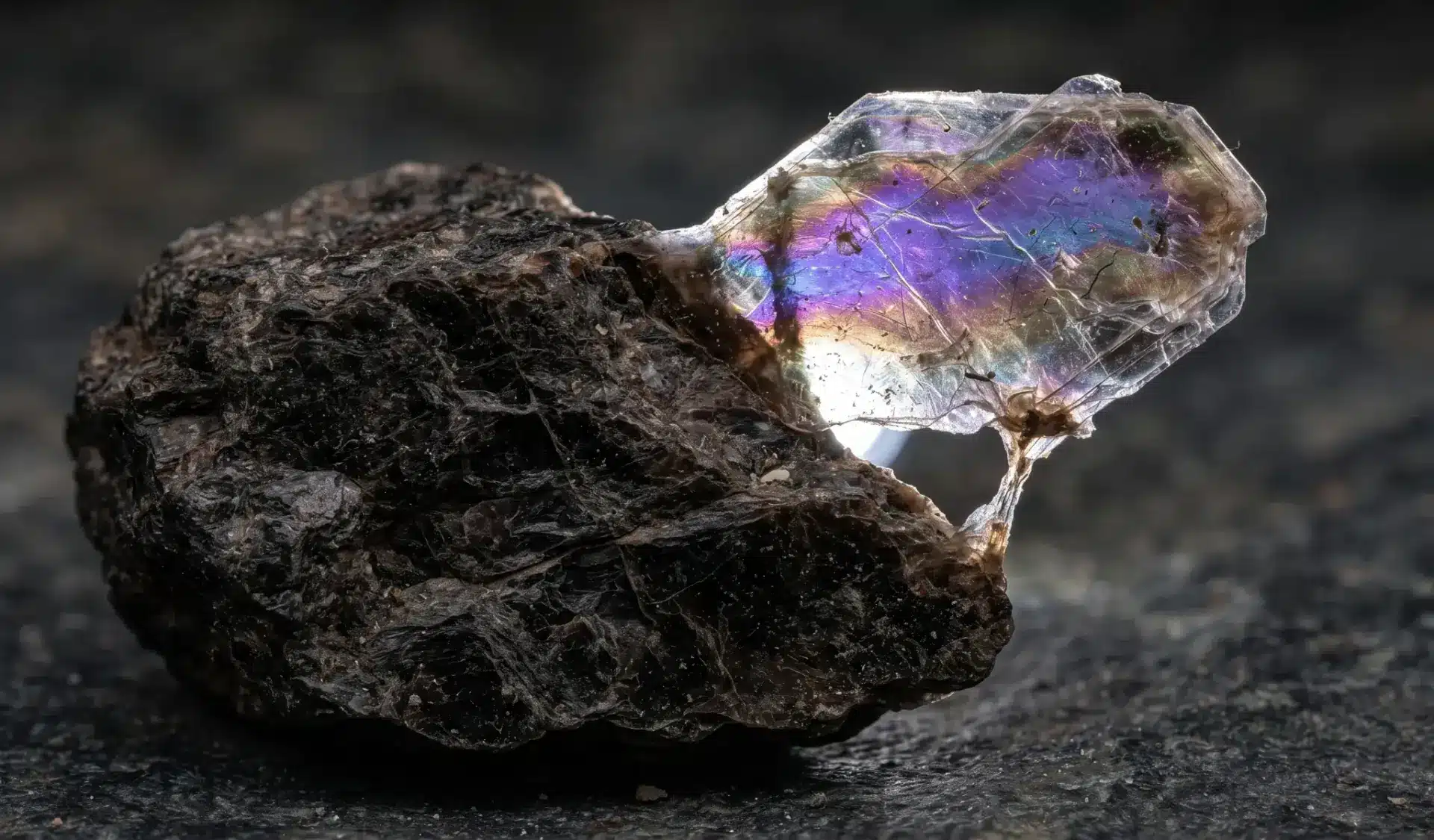
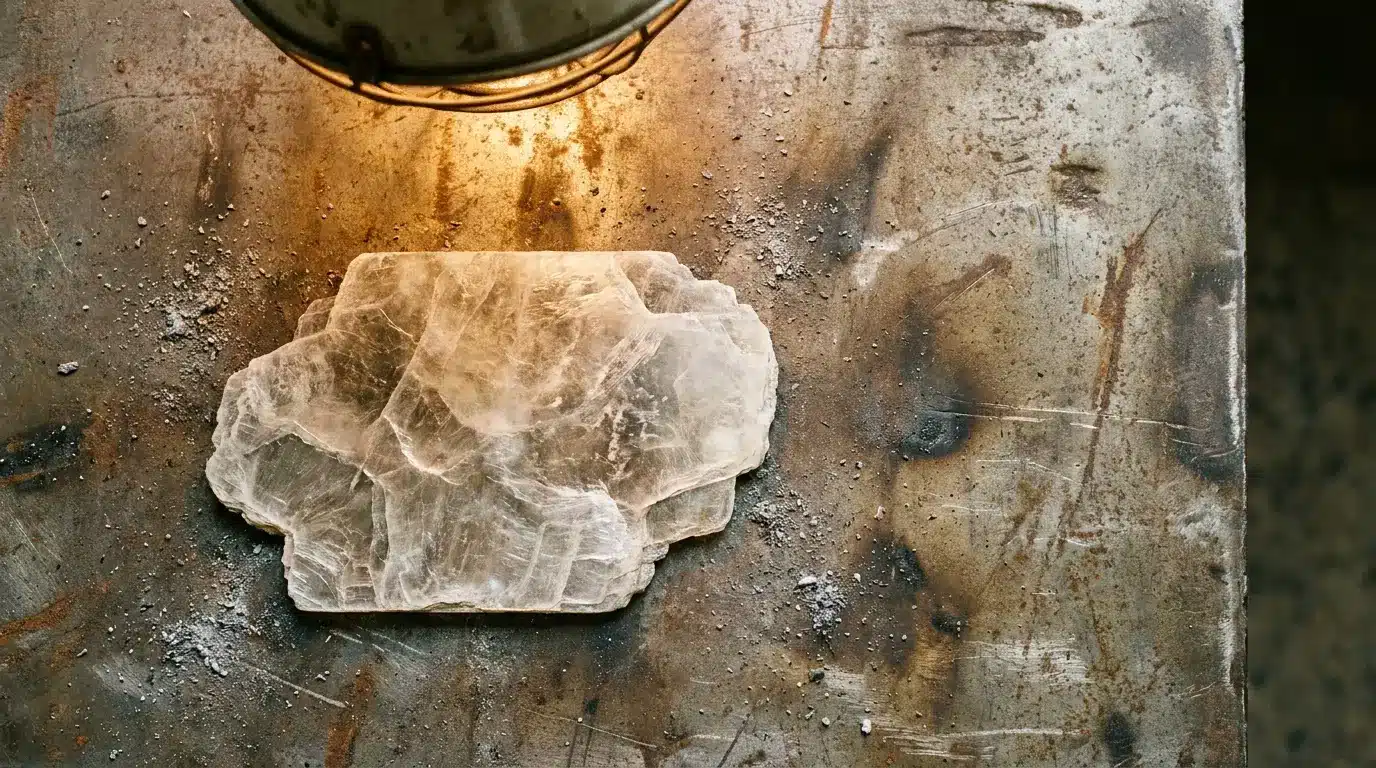
Mica is a naturally occurring silicate mineral known for its remarkable electrical and thermal insulation properties.
Industrial mica sheets are manufactured by bonding layers of natural mica flakes using heat-resistant binders to produce durable insulation products suitable for demanding industries.
Mica provides unique advantages that synthetic materials struggle to match. Specifically for applications involving continuous exposure to extremely high temperatures.
Industries rely on high-temperature mica sheet products because they provide:
- Outstanding dielectric strength
- Excellent arc resistance
- Low thermal conductivity
- Dimensional stability
- Flame resistance
- Long operational life
These factors have made mica an industry standard in electrical insulation for decades.
Temperature Performance
One of the biggest differences between polymers and mica is heat resistance.
While many high-performance polymers can withstand temperatures between approximately 200°C and 300°C during continuous operation, their mechanical properties gradually decline as temperatures increase. Depending on the specific polymer, prolonged exposure beyond recommended service temperatures may result in softening, creep, oxidation, or degradation.
Mica performs differently.
Depending on the grade and formulation, mica insulation can withstand temperatures well beyond those handled by most engineering polymers. They also have excellent electrical insulation characteristics. This makes mica particularly valuable in:
- Industrial furnaces
- Heating elements
- Electric arc equipment
- High-voltage switchgear
- Steel manufacturing
- Glass processing plants
Electrical Insulation Performance
Many engineering polymers possess good dielectric properties and are commonly used in connectors, cable insulation, and electronic housings.
However, mica has long been recognized for its exceptional dielectric strength.
Mica provides:
- High dielectric strength
- Excellent insulation resistance
- Low dielectric loss
- Strong arc resistance
- Resistance to electrical tracking
This combination explains why mica remains widely used in generators, transformers, motors, heating equipment, and electrical systems.
Mechanical Strength Comparison
A major advantage of high-strength polymer materials is their impressive mechanical performance.
Engineering polymers often provide:
- High tensile strength
- Excellent fatigue resistance
- Low weight
- Impact resistance
- Machinability
- Design flexibility
This makes them ideal for structural components where insulation is the only requirement.
Mica, on the other hand, is generally more brittle and is not intended to replace load-bearing engineering plastics.
For applications requiring both structural performance and insulation, engineers frequently combine polymer components with mica insulation to leverage the strengths of each material.
Chemical Resistance
Many high-performance polymers offer exceptional resistance to chemicals, oils, fuels, solvents, and corrosive environments.
PEEK, PTFE, and PPS are particularly well known for surviving harsh chemical processing environments.
Mica also provides excellent resistance to many chemicals, particularly when used in dry industrial settings. However, performance depends on the binder system used in manufactured mica products.
For highly aggressive chemical environments, choosing the appropriate insulation material requires evaluating:
- Operating temperature
- Chemical exposure
- Moisture levels
- Mechanical stress
- Service life expectations
Fire Safety
Fire safety is increasingly important across industrial sectors.
Many engineering polymers are formulated to meet stringent flame-retardant standards, but some could still emit smoke or degrade when exposed to extreme heat.
Mica offers several inherent fire-resistant properties:
- Non-combustible mineral composition
- Excellent flame resistance
- High thermal stability
- Minimal smoke generation
- Superior arc resistance
Manufacturing Flexibility
One area where polymers often outperform mica is manufacturing versatility.
Advanced polymers can be:
- Injection molded
- CNC machined
- Extruded
- 3D printed (for select grades)
- Thermoformed
This flexibility enables complex component geometries and high-volume production.
Mica products are generally manufactured as:
- Sheets
- Plates
- Tubes
- Washers
- Gaskets
- Precision-cut insulation parts
While mica is less adaptable for intricate structural designs, it remains highly effective for custom insulation components.
Cost Considerations
Material selection should also consider the total lifecycle cost.
Some high-performance polymers especially premium grades like PEEK and polyimide can be significantly more expensive than conventional engineering plastics.
Mica insulation is often highly cost-effective for high-temperature electrical applications because it offers:
- Long service life
- Reduced maintenance
- Stable insulation performance
- Lower replacement frequency
- Improved equipment reliability
Which Material Should You Choose?
The right insulation material depends on an application’s operating conditions.
Choose high-performance polymers when you need:
- High mechanical strength
- Lightweight components
- Excellent chemical resistance
- Complex molded geometries
- Moderate-to-high operating temperatures
- Structural functionality alongside insulation
Choose mica when you require:
- Continuous high-temperature performance
- Superior electrical insulation
- Arc and corona resistance
- Flame resistance
- Reliable thermal insulation
- Long-term stability in harsh industrial environments
Many modern systems combine both materials to maximize overall performance. Structural polymer components can provide mechanical support, while high-temperature mica sheet products protect sensitive electrical systems from heat and electrical failure.
Conclusion
Both high-performance polymers and mica play critical roles in modern engineering. Engineering polymers provide outstanding mechanical strength, design flexibility, and chemical resistance, making them indispensable in countless industrial applications.
However, when the operating environment demands exceptional thermal stability, electrical insulation, flame resistance, and long-term reliability at elevated temperatures, mica continues to be one of the best insulation materials.
For industries where heat and electricity must be safely managed, Axim Mica’s expertly manufactured high-temperature mica sheet and mica sheet insulation solutions remain a proven choice for dependable, long-lasting performance.

Liam Bennett holds a degree in Computer Science from the University of Edinburgh and has over 15 years of experience in technology and digital innovation. He began his career in software development, focusing on user-friendly systems and backend architecture. Liam joined our platform in 2025 to lead our Tech section, where he simplifies complex topics—from smart home devices and AI tools to cybersecurity and troubleshooting tips. Known for his clear, practical advice, he helps readers navigate today’s fast-evolving tech landscape. Outside of work, Liam enjoys building custom PCs and contributing to open-source projects.