
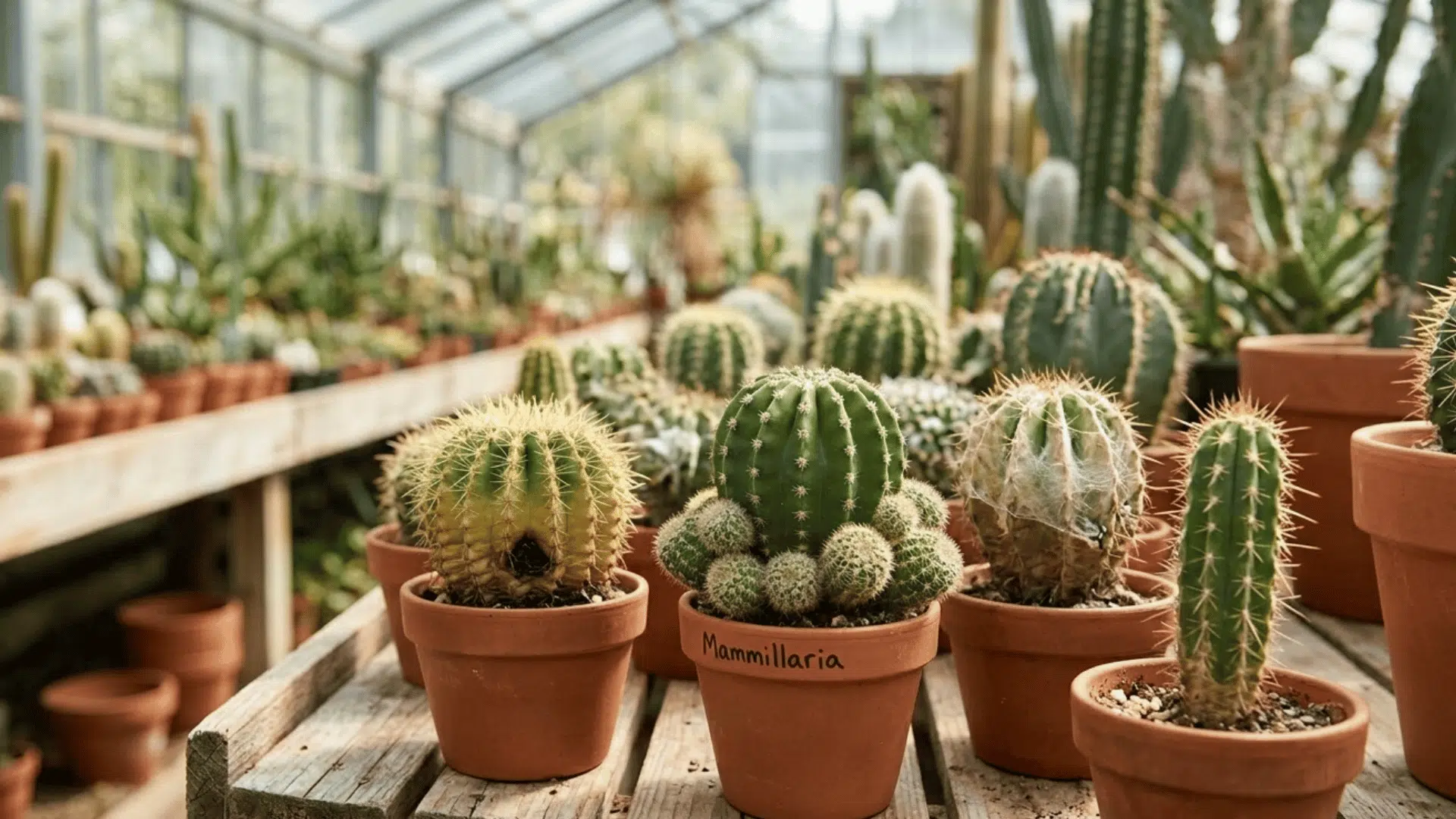

A cactus can grow into a brand new plant, from just a small cutting or offset. That’s not common knowledge, and it surprises most people the first time they hear it.
Once someone learns how to propagate a cactus, they can grow their collection in a whole new way without spending extra money.
It’s a straightforward process, and the results are rewarding.
The best part? No greenhouse or special equipment is needed. This guide breaks it all down step by step, so beginners and experienced plant owners alike can follow along with ease and get real results.
Why Is Propagating a Cactus Significant?
Propagating a cactus is a simple way to grow new plants without spending money. Instead of buying more, one healthy cactus can give you several new ones over time.
It also helps keep your plant healthy, since removing offsets or cuttings can prevent overcrowding.
Many people enjoy propagation because it feels rewarding to see new growth from something small. It’s also a great way to share plants with friends or expand your collection.
Tools and Supplies You Will Need
Before starting, gather a few basic items. This makes the process easier and safer.
| Tool / Supply | Why It’s Needed |
|---|---|
| Sharp Knife or Scissors | To make clean cuts without damaging the plant |
| Gloves or Tongs | To safely handle spiky cactus |
| Cactus or Succulent Soil Mix | Provides proper drainage for healthy roots |
| Small Pots with Drainage Holes | Prevents water buildup and root rot |
| Rooting Hormone (Optional) | Helps speed up root growth |
How to Propagate a Cactus: Step-by-Step Process
Propagating a cactus does not have to be complicated. The process comes down to a few simple steps: picking the right cutting and providing the right conditions for it to root and grow.
Step 1: Choose a Healthy Cactus

Start by selecting a cactus that appears strong and firm, with no signs of damage or disease. Avoid plants with soft spots, discoloration, or pests, as these issues can affect the success of propagation.
A healthy cactus has a better chance of developing roots quickly and growing into a new plant. It’s also a good idea to choose a mature plant, as younger or weaker ones may not handle cutting or separation well.
Taking time to pick the right cactus sets a strong foundation for successful propagation.
Step 2: Cut or Remove a Section

Use a clean, sharp knife or scissors to take a cutting from the cactus, or gently remove an offset from the base. Make sure the cut is smooth and not jagged, as clean cuts heal faster and reduce the risk of rot.
If handling a spiky cactus, use gloves or tongs to avoid injury. Choosing a healthy section ensures better rooting and growth.
Step 3: Let it Dry (callus)

After cutting, place the piece in a dry, shaded area for a few days. This allows the cut end to form a callus, which acts like a protective layer.
Skipping this step can lead to rotting once planted. The drying time may vary depending on the size of the cut, but it’s ready when the cut surface feels firm and dry.
Step 4: Plant in Cactus Soil

Once the cutting has dried, plant it in well-draining cactus soil. Use a pot with drainage holes to prevent excess moisture buildup.
Place the cutting upright and gently press the soil around it to keep it stable. Avoid watering right after planting, as the roots have not yet formed, and excess moisture can cause rot.
Step 5: Water Lightly and Wait

Wait a few days before giving the first light watering. After that, water only when the soil is completely dry. Keep the pot in bright, indirect sunlight and a warm spot to support root growth.
Be patient during this stage, as roots take time to develop. In most cases, roots begin to form within a few weeks, and new growth will follow soon after.
Other Ways to Propagate a Cactus
There isn’t just one way to propagate a cactus. Different types work better with different methods. This method is great for beginners because it’s simple and fast. Here are the three most common and reliable ways.
1. Propagating Cactus from Offsets (pups)
Some cacti grow small baby plants around the base. Offsets already have a head start, so they grow faster than cuttings. These are called offsets or pups.
- Gently twist or cut the offset from the main plant
- Let it dry for a few days
- Plant it in well-draining soil
- Avoid watering right away
2. Growing Cactus from Seeds
Growing from seeds takes time but can be very rewarding. Seed-grown cactus plants take longer but are fun to watch grow from scratch.
- Use a shallow tray with cactus soil
- Sprinkle seeds evenly on top
- Keep soil slightly moist (not wet)
- Place in warm, bright light
3. Propagating Cactus by Grafting
Grafting joins two different cactus plants together so they grow as one. It works especially well for cacti that struggle to grow on their own roots.
- Choose a healthy rootstock cactus as the base
- Cut the top off both the rootstock and the cactus to be grafted
- Press the flat cut surfaces firmly together
- Secure with rubber bands until they fuse
- Keep in a warm spot and avoid watering for a week
How Long Does Cactus Propagation Take?

Propagation takes time, but results start showing sooner than expected with proper care. Here’s a general timeline to help set expectations:
- Cuttings: Most cactus cuttings begin to develop roots within 2–4 weeks when kept in the right conditions
- Offsets (Pups): These usually grow faster than cuttings since they are already small versions of the parent plant
- Seeds: Growing from seeds takes the longest, often several weeks to a few months before visible growth appears
Note: The speed of propagation depends on factors like cactus type, temperature, light, and watering habits. Consistent care and patience play a big role in how quickly your cactus establishes roots and begins to grow.
Best Soil and Conditions for Rooting
Getting the soil and growing conditions right is key to helping your cactus develop strong, healthy roots. Cactus plants need the right setup to grow roots.
| Factor | Recommendation |
|---|---|
| Soil Type | Use light, sandy, fast-draining soil |
| Light | Keep in bright, indirect sunlight |
| Temperature | Maintain warm conditions |
| Watering Timing | Avoid watering too early |
| Moisture Control | Prevent excess moisture to avoid rot |
Tips for Caring for Newly Propagated Cactus Plants
Getting a cactus to root is only half the work. How it’s cared for in the first few weeks decides whether it grows or fails.
- Water Lightly And Carefully: Once roots start forming, go easy on watering. Let the soil dry out completely before adding more, since excess moisture can quickly lead to rot.
- Start With Indirect Sunlight: Place the cactus in bright, indirect light in the beginning. After a while, slowly introduce it to direct sunlight so it can adjust without stress.
- Avoid Early Repotting: Hold off on repotting until it’s needed. New roots are still fragile and need time to grow stronger in their current pot.
- Watch For Signs Of Stress: Keep an eye out for soft spots, discoloration, or any unusual changes. Catching these early helps prevent bigger issues.
- Be Patient With Growth: Growth may seem slow at first, and that’s normal. With steady care and the right conditions, the plant will settle in and grow well over time.
The Bottom Line
Propagating a cactus is one of the easiest ways to grow your plant collection without spending extra money. Simple methods like cuttings and offsets yield quick, reliable results, making them great for beginners.
Seeds take longer, but they can still be a rewarding option if you have the patience. With the right soil, proper drying, and careful watering, new cactus plants can grow strong and healthy.
There’s no need to rush the process; starting with one simple method helps build confidence over time. As experience grows, it becomes easier to try other techniques and expand your collection.

With a Master’s in Landscape Architecture from the University of Virginia, Sophia Stephenson has dedicated the last 20 years to creating and maintaining vibrant outdoor spaces. Her professional journey started in landscape design, where she gained a reputation for innovative and sustainable approaches. Sophia became a part of our editorial team as a freelancer in 2019, offering a fresh perspective on outdoor living. Since 2020, she has been the chief for our outdoor design content, blending aesthetic appeal with environmental stewardship. In her leisure time, Sophia is a keen photographer, capturing the beauty of natural landscapes, a hobby that complements her professional expertise.


![20 front yard succulent garden ideas[P]](https://enthrallinggumption.com/wp-content/uploads/2023/12/20frontyardsucculentgardenideas-1024x576.jpg.webp)