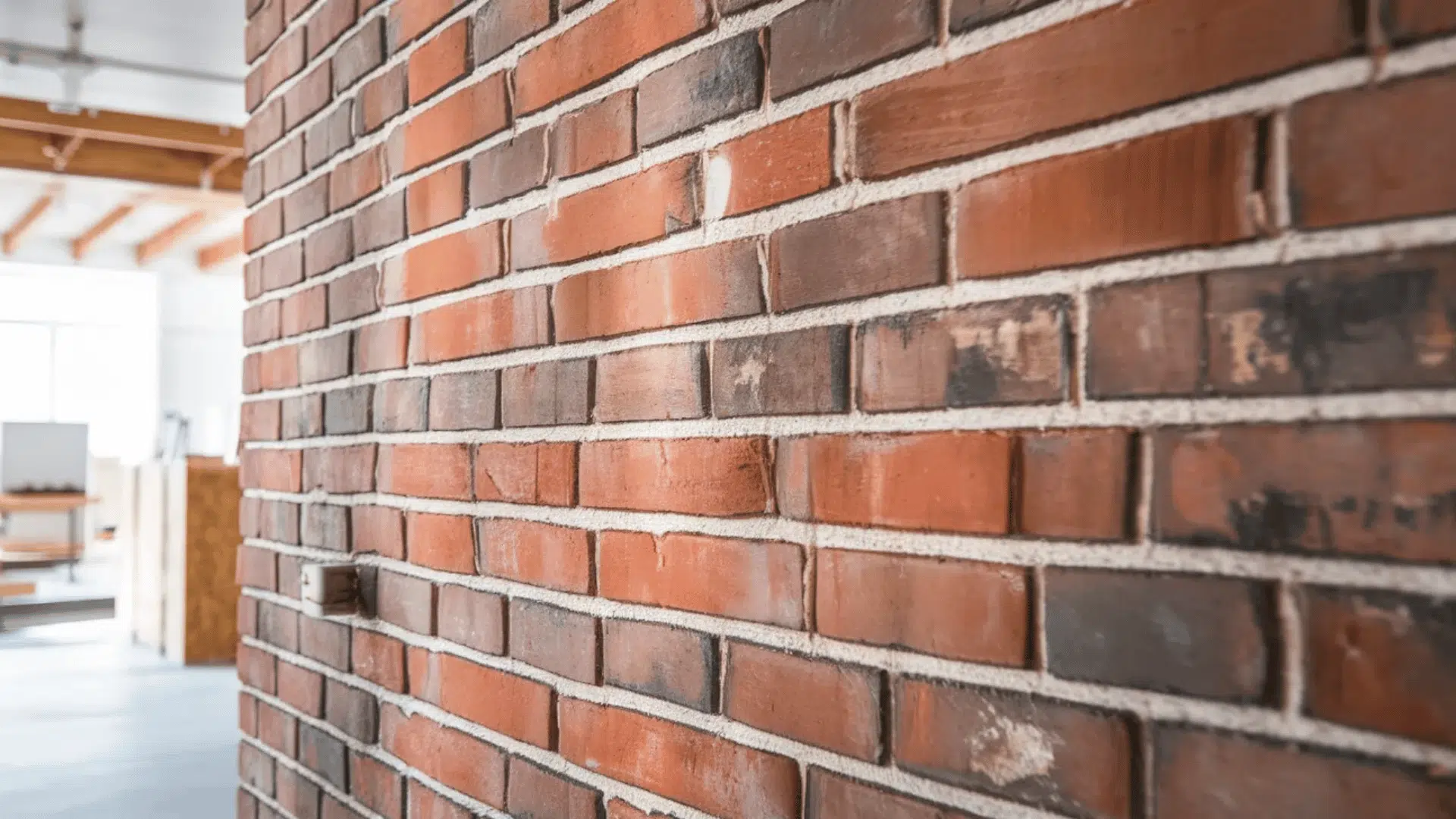

Paint on brick looks terrible, and for many people, figuring out how to remove paint from brick without causing damage feels like a real challenge.
The silver lining? It doesn’t have to be. With the right tools and techniques, anyone can strip away old paint and bring their brick back to its original look without cracking, chipping, or making things worse.
This guide breaks down everything one needs to know, from choosing the right paint remover to applying it safely. If restoring brick surfaces is the goal, this article clearly and practically covers every step of the process.
Reasons to Remove Paint from Brick
Removing paint from brick is important for both overall look and functional reasons. Over time, paint can fade, peel, or chip, making the brick surface look worn and unattractive.
By removing old paint, you can restore the brick’s natural beauty and reveal its original texture. This is crucial for home restoration projects or when preparing a surface for new paint.
Knowing how to remove paint from brick properly also helps protect the surface during the process and ensures better long-term results.
Additionally, removing paint can prevent moisture buildup, which may lead to mold or mildew growth, helping to maintain the structural integrity of the brick.
In short, stripping paint improves both the look and longevity of brick surfaces.
Tools and Materials Required for Removing Paint
Before getting started, gathering the right tools and materials can make the whole process a lot smoother and save plenty of time.
| Material/Tool | Purpose |
|---|---|
| Safety Glasses | Protect eyes from chemical splashes and debris |
| Chemical-Resistant Gloves | Prevent skin contact with paint stripper |
| Face Mask/Respirator | Protect from fumes and dust |
| Paint Stripper (Alkaline) | Breaks down and loosens paint from the brick |
| Paint Brush or Roller | Applies the stripper evenly on the brick surface |
| Plastic Sheeting | Keeps the stripper moist during dwell time |
| Plastic/Nylon Brush | Removes softened paint safely from brick |
| Pressure Washer | Rinses off paint residue and leftover chemicals |
Quick Steps to Remove Paint from Brick
Removing paint from brick is easy if you follow these well-planned steps while keeping both safety and effectiveness throughout the process to avoid damage and get better results.
Step 1: Safety First

Wear safety glasses, chemical-resistant gloves, and a mask to protect yourself from chemicals. These items help reduce the risk of skin irritation and eye injury during the process.
Avoid wearing loose clothing that could come in contact with chemicals. Have a source of clean water or a neutralizing agent nearby in case of accidental spills or skin contact.
Step 2: Apply Paint Remover

Apply a thick layer (1/4 to 1/2 inch) of a masonry-safe, alkaline-based paint remover (e.g., Rhino Blast or Peel Away 1) using a brush or roller.
Make sure the remover is spread evenly across the painted surface. Focus on covering all areas, including joints and uneven spots in the brick where paint tends to build up.
Step 3: Allow Proper Dwell Time

Allow the paint remover to sit for 30 minutes to several hours, or up to 24–48 hours for products like Peel Away 1, to penetrate all paint layers.
This waiting time is necessary for breaking down thick or multiple layers of paint. Avoid touching or disturbing the surface while the product is working.
Step 4: Lift and Clear Residue

Use a stiff plastic to remove the softened paint along with the paint remover residue from the brick surface. Start with light pressure to avoid damaging the brick or mortar lines.
Work in small sections and gradually lift away the loosened buildup. For thicker or stubborn areas, a wire brush can be used carefully.
Step 5: Rinse the Surface Thoroughly

Use a pressure washer with a wide-angle nozzle to gently rinse away any remaining paint and paint remover residue. Keep the nozzle at a safe distance to avoid damaging the brick surface.
Move in even, sweeping motions for consistent cleaning. Avoid using high pressure directly on mortar joints. Make sure the surface is fully clean.
Step 6: Enjoy the Clean Wall

Once the paint is removed and the area is rinsed, check the wall for any remaining spots. Touch up any missed areas if needed before the surface fully dries.
Allow the brick to dry completely before applying any sealant. The natural color and texture of the brick will now be visible again. A clean surface also makes maintenance easier.
If needed, consider sealing the brick for added protection. Step back and enjoy the refreshed look of your clean brick wall.
Other Methods of Removing Paint
Different paint removal methods are suited for various scenarios, depending on the size of the area and the condition of the brick. To remove paint effectively, you need the right method.
- Interior Areas: Use a biodegradable paint stripper (citrus-based) combined with a plastic brush for better precision, control, and less mess during application.
- Large Exterior Areas: Use professional-grade, thick-gel strippers (like Rhino Blast) followed by pressure washing for faster, more efficient, and even paint removal on large surfaces.
- Peeling Paint: Lightly power-wash or scrape first, then use a wire brush on remaining stubborn spots for a cleaner finish when you want to remove paint from brick without extra effort.
- Stubborn Paint: A heat gun can be used to remove paint when the paint is thick and stubborn, but avoid it if the paint is old or if you are working on fragile brick surfaces.
Tried-and-Tested Methods from Experts to Remove Paint
User mmurphey explains that applying paint stripper repeatedly, then following up with a pressure wash, helped remove white paint from a brick fireplace.
I once removed white paint from brick fireplace & wall using paint stripper It took a few applications, but it looked great when I was done. Would have been MUCH easier outside: apply paint stripper then pressure wash. Repeat a couple of times. You could test this in a small area pretty easily to see if it works for you. – mmurphey,TexasBowhunter.com
User tkuehn5410 recommended using a 6-9″ angle grinder withcoarse grit to remove paint while leaving it on the mortar for a cool, distressed look.
Alternatively, apply paint stripper with a small hand sprayer, then pressure-wash afterward.
2 recommendations from me. 6-9″ angle grinder with a coarse grit will be my recommendation. Leave the paint covering the mortar. It will look wicked cool! Not sure if you’ll need to reseal the brick after paint removal. Could also apply paint stripper with small hand sprayer and then pressure wash after application. -tkuehn5410, TexasBowhunter.com
User bowhntrmatt commented that removing all the paint will be labor-intensive and may expose unattractive brick underneath. Stucco over the brick is a cheaper and potentially better option.
Stucco over is probably the best cheapest option, if allowable. They could probably do a chemical strip on the paint first to improve adhesion without worrying about how it looks.-bowhntrmatt, TexasBowhunter.com
Tips to Avoid Damage
When learning how to remove paint from brick, it’s important to take precautions to prevent damage to the surface and surrounding areas.
- Never Sandblast: This method can also damage surrounding areas, making it a poor choice for removing paint from brick without causing harm.
- Check Mortar: Use a lime-based mortar for any necessary repointing to prevent further damage when removing paint from brick.
- Test Spot: Always test the chemical stripper on a small, hidden area first to ensure it doesn’t cause discoloration or damage to the brick.
- Protect Surrounding Areas: Cover nearby surfaces like windows, doors, and floors to avoid accidental damage from paint stripper or debris.
- Use Gentle Tools: Opt for non-abrasive tools, like plastic brushes or sponges, to avoid scratching or scuffing the brick during the removal process.
It’s a Wrap
Removing paint from brick may seem daunting, but with the right approach, it can be done effectively and without damaging the surface.
By selecting the right tools and testing methods and taking the necessary precautions, you can remove paint from brick and restore your brick surfaces with minimal hassle.
Whether tackling a small indoor project or a large exterior job, it’s essential to follow the best practices to avoid costly mistakes.
Ready to give your brick a fresh start? Take the necessary steps to remove paint from brick and bring out its true charm today

Stephanie Grace, a graduate with a degree in Fine Arts from the Savannah College of Art and Design, has been inspiring DIY enthusiasts with her creative and practical guidance for over 14 years. Her career in design and crafting began in a small artisan workshop, where she developed a passion for transforming everyday materials into beautiful and functional items. Stephanie joined our website in 2018, rapidly gaining popularity for her easy-to-follow DIY tutorials and innovative project ideas. Since then, she has been the creative mind behind our DIY section, helping readers bring their artistic visions to life. Outside her professional pursuits, Stephanie enjoys pottery and urban gardening, hobbies that showcase her love for hands-on creativity and nature.