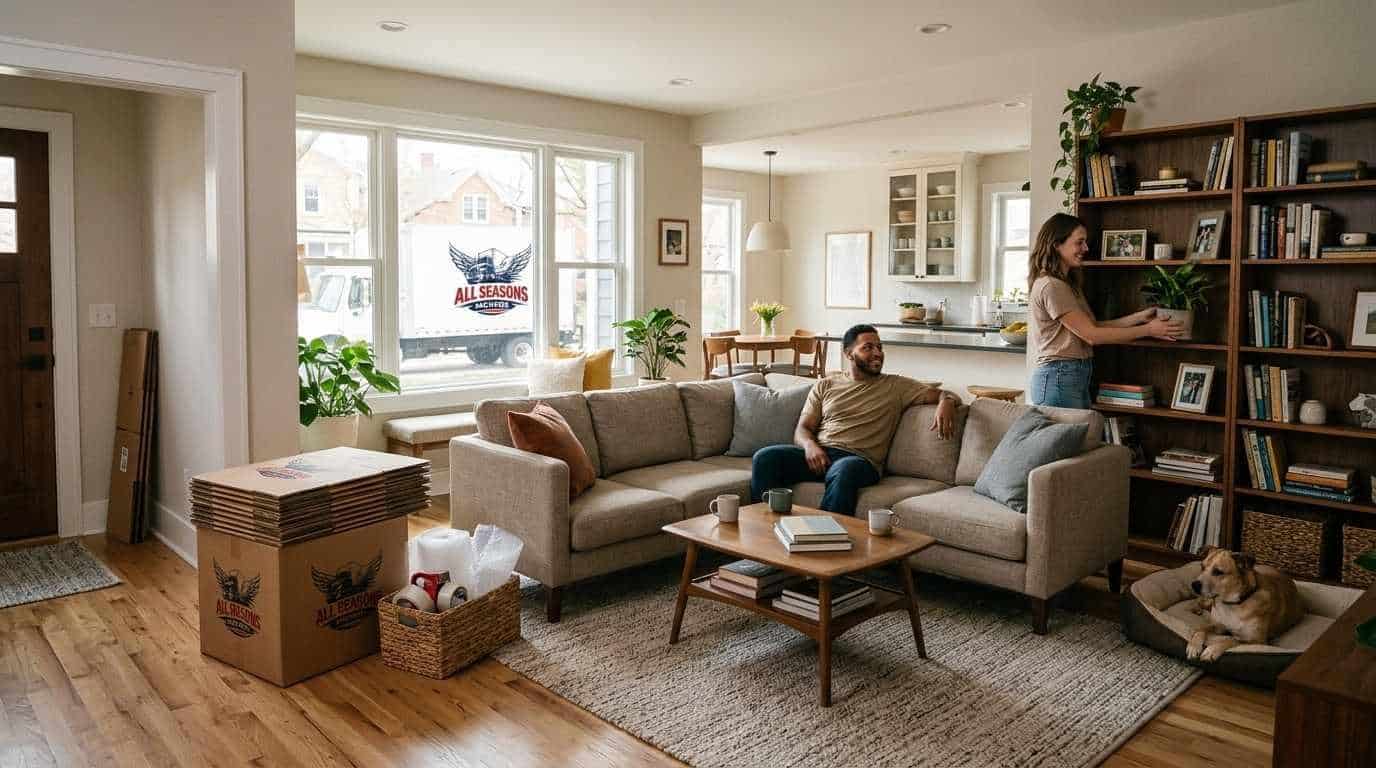

Moving into a new home is an exciting opportunity to create a living space that feels completely your own. You get to rethink furniture arrangements, experiment with storage solutions, and decide how every room should function. But once the boxes arrive, that excitement can quickly turn into frustration.
The kitchen is filled with unpacked cartons, bedroom furniture is waiting to be assembled, and the living room looks more like a temporary storage facility than a comfortable place to relax.
The problem is not necessarily the size of your new home. It is often the absence of a clear organization plan.
Many people make the mistake of unpacking everything as quickly as possible without considering where belongings should go or how each room will be used. As a result, unnecessary clutter builds up, storage becomes inefficient, and furniture arrangements may need to be changed several times.
A better approach is to organize your home with purpose from the beginning.
Whether you have moved into a spacious family house or a compact apartment, the following strategies can help you create a comfortable, functional, and organized living environment.
1. Create an Organization Plan Before Unpacking
Before opening every box, take a walk through your new property.
Look at the available space, identify storage areas, and consider how you want each room to function. Your previous home’s layout may have influenced where you kept certain belongings, but your new property might require a completely different arrangement.
Start by identifying the primary purpose of each room.
For example, a spare bedroom could become a home office, a dining area might need additional storage, or a small corner of the living room could serve as a reading space.
Create a simple room-by-room plan that identifies:
- Furniture that needs to be assembled.
- Storage areas that require organization.
- Household essentials that should be unpacked first.
- Items that need additional storage solutions.
- Belongings that do not have a permanent place yet.
You do not need an expensive interior design application to do this. A notebook, basic floor plan, or photographs of the rooms can be enough.
Having a plan prevents unnecessary furniture movement and makes unpacking considerably easier.
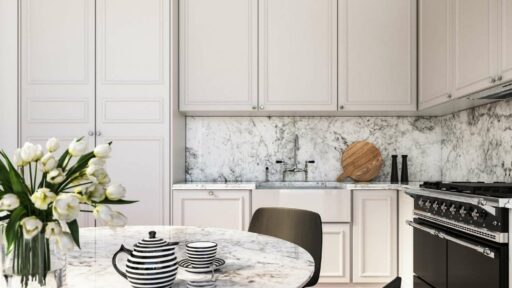
2. Start With the Kitchen: Organize Around Your Daily Routine
The kitchen is one of the most frequently used areas in any home. If it is poorly organized, even simple activities such as preparing breakfast or making coffee can become frustrating.
Instead of unpacking kitchen belongings wherever you find available space, organize them according to how frequently you use them.
Begin with your everyday essentials.
Keep plates, glasses, cooking utensils, and commonly used appliances within easy reach. Items used occasionally, such as holiday serving dishes or specialized baking equipment, can be placed in higher cabinets or less accessible storage areas.
Consider organizing your kitchen into functional zones.
Preparation zone: Keep cutting boards, knives, mixing bowls, and other preparation tools together.
Cooking zone: Store pots, pans, cooking utensils, and frequently used spices near the stove.
Cleaning zone: Organize dishwashing supplies, cleaning cloths, and garbage bags around the sink.
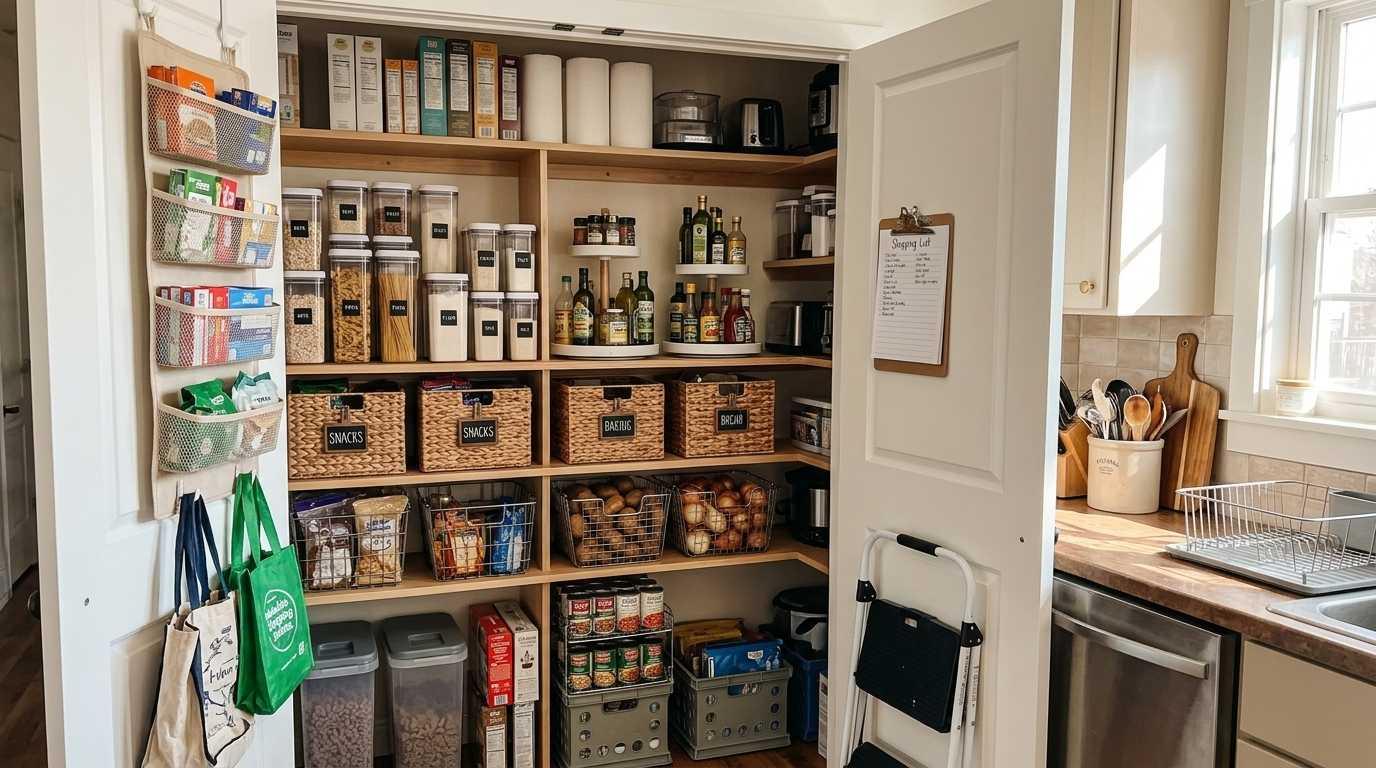
Food storage zone: Arrange pantry items according to type and frequency of use.
If cabinet space is limited, consider shelf organizers, drawer dividers, and stackable containers.
Clear containers can also make it easier to identify pantry ingredients without opening multiple packages.
Most importantly, avoid filling every cabinet immediately. Leave some room for groceries and household items you may purchase after settling in.
3. Arrange the Living Room Around Comfort and Movement
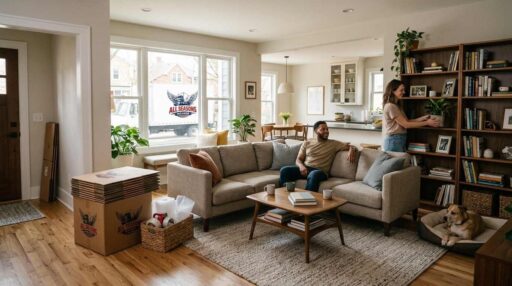
The living room is usually the center of household activity. It is where families relax, entertain guests, watch television, and spend time together.
However, arranging furniture in a new living room can be more challenging than expected.
A common mistake is pushing every piece of furniture against a wall without considering how people will move through the space.
Start by identifying the room’s natural focal point. This might be a fireplace, a large window, a television wall, or an architectural feature.
Arrange the main seating around that focal point while maintaining comfortable walking paths.
Keep these considerations in mind:
- Avoid blocking entrances and doorways.
- Leave sufficient space between furniture pieces.
- Make sure seating arrangements encourage conversation.
- Keep frequently used items accessible.
- Avoid covering windows with oversized furniture.
In smaller living rooms, consider furniture that offers additional storage.
A coffee table with drawers, an ottoman with a storage compartment, or a sofa with built-in storage can help reduce clutter without sacrificing comfort.
Lighting also makes a considerable difference. Instead of relying on a single overhead fixture, combine ambient lighting with floor lamps or table lamps to create a more welcoming atmosphere.
4. Make Bedroom Storage Work Smarter
A bedroom should feel relaxing, not like an extension of your storage room.
After moving, it is tempting to place every box inside the bedroom simply because it is a convenient space. Unfortunately, this can make an already busy room feel smaller and less comfortable.
Start by setting up the bed and essential furniture.
Then organize clothing, accessories, and personal belongings according to how frequently you use them.
A few practical storage ideas can make a significant difference.
Use under-bed storage: The space beneath the bed is useful for seasonal clothing, extra bedding, and belongings you do not need every day.
Install closet organizers: Shelves, hanging organizers, and drawer dividers can help make better use of existing closet space.
Use vertical storage: Wall-mounted shelves can provide additional storage without occupying valuable floor space.
Rotate seasonal clothing: Keep clothing appropriate for the current season accessible while storing other items separately.
If your bedroom is particularly small, avoid oversized dressers and unnecessary furniture.
The objective is to maintain enough storage for everyday needs while leaving sufficient room to move comfortably.
5. Turn Unused Corners Into Functional Spaces
One of the easiest ways to improve a home’s functionality is to identify areas that are not being used effectively.
Many properties have awkward corners, empty wall sections, spaces beneath staircases, or small areas between furniture pieces that could serve a practical purpose.
Instead of allowing these spaces to remain empty or become cluttered, consider giving them a specific function.
For example:
- A quiet corner near a window can become a reading area.
- An unused hallway wall can accommodate a narrow storage cabinet.
- A spare bedroom corner can become a compact workstation.
- The area beneath a staircase can provide additional household storage.
- A small dining room corner can accommodate a coffee station.
Before adding furniture, consider the available dimensions and how people move through the area.
A storage solution should make the room more functional rather than create another obstacle.
This is especially important in smaller apartments, where every square foot needs to serve a purpose.
6. Organize the Bathroom for Everyday Convenience
Bathrooms may be among the smallest rooms in a property, but they contain numerous everyday essentials.
Toiletries, towels, cleaning products, personal care equipment, and spare supplies can quickly occupy all available surfaces.
The first step is to separate everyday essentials from products you rarely use.
Keep frequently used toiletries accessible, preferably in organized drawers or suitable countertop containers.
Additional storage ideas include:
Over-the-toilet shelving: This can provide extra storage without taking up much floor space.
Drawer dividers: Separate smaller items such as grooming accessories and personal care products.
Wall-mounted hooks: Use them for towels, robes, and other frequently used items.
Under-sink organizers: Make better use of the cabinet space beneath the bathroom sink.
Labeled containers: Keep cleaning supplies and additional toiletries organized.
Remember that bathrooms are exposed to moisture, so choose storage materials that are appropriate for humid environments.
Avoid overcrowding countertops with products that could be stored elsewhere.
A clean, organized bathroom is much easier to maintain throughout the week.
7. Create a Practical Storage System for Everyday Belongings
A home can look beautifully organized immediately after unpacking, but maintaining that organization requires a system.
Without designated places for everyday belongings, clutter gradually returns.
Think about the objects that frequently move around your home.
Keys, mail, shoes, bags, charging cables, remote controls, and cleaning supplies often end up in random locations because there is no obvious place to keep them.
Create dedicated storage areas for these items.
For example, a small entryway organizer can hold keys, wallets, and everyday accessories. A shoe rack near the entrance can prevent footwear from accumulating in the hallway.
A designated drawer for household documents and small accessories can also make everyday organization easier.
For families, consider assigning individual storage spaces to each household member.
Children can have dedicated baskets for school supplies and toys, while adults can maintain separate areas for work essentials and personal belongings.
The easier it is to return something to its proper place, the more likely everyone is to maintain the system.
8. Avoid Unpacking Everything in a Single Day
There is often an expectation that a new home should be completely organized within the first few days.
This can create unnecessary pressure, especially when you are balancing work, family responsibilities, and other moving-related tasks.
Instead of trying to unpack every box immediately, prioritize rooms according to their importance.
A practical sequence might look like this:
First priority: Bedroom
Set up your bed, arrange essential clothing, and make sure you have everything needed for a comfortable night’s sleep.
Second priority: Bathroom
Unpack toiletries, towels, cleaning supplies, and everyday personal care items.
Third priority: Kitchen
Organize basic cooking equipment, dishes, drinking glasses, and essential food supplies.
Fourth priority: Living room
Arrange the main furniture pieces and create a comfortable area for relaxing.
Fifth priority: Additional rooms
Work on guest bedrooms, home offices, storage areas, and decorative details as time allows.
This approach makes the property functional much sooner without requiring every room to be perfect immediately.
It also gives you time to understand how you actually use your new space before making permanent organization decisions.
9. Plan Furniture Placement Before Moving Day
Furniture placement is another detail that deserves attention before the moving process begins.
Large furniture pieces can be difficult to reposition once they have been transported into a property.
Imagine having a wardrobe delivered to an upstairs bedroom only to discover that it blocks access to a closet. Moving it again may require unnecessary effort.
Before moving day, identify where your major furniture pieces should go.
Measure the rooms, check doorway dimensions, and consider the available walking space.
If possible, create a basic furniture layout using paper or a digital floor planner.
It is also helpful to communicate your preferred furniture placement in advance so that belongings can be directed to the correct rooms during unloading.
When arranging a relocation, consider the transportation and access requirements of your new property. Residents comparing Chicago relocation services in chicago may also want to account for apartment access, parking arrangements, elevator availability, and the handling of larger furniture pieces when planning their move.
Thinking about these details before moving day can make the transition into an organized home considerably smoother.
10. Keep Your Home Organized With Simple Daily Habits
An organized home is not created through storage containers alone. It is maintained through small habits that prevent unnecessary clutter from accumulating.
You do not need to spend hours cleaning and organizing every day.
A few consistent practices can make a noticeable difference.
Reset your living areas: Spend a few minutes returning everyday belongings to their designated places.
Keep kitchen surfaces clear: Put away appliances and utensils after use whenever practical.
Sort incoming mail: Avoid allowing paperwork to accumulate on kitchen counters and dining tables.
Manage laundry regularly: Establish a routine for washing, folding, and putting away clothing.
Review storage areas: Occasionally check cabinets and drawers to remove items that are no longer useful.
You can also establish a simple rule for bringing new belongings into your home.
Before purchasing another storage container, decorative item, or piece of furniture, consider whether you genuinely need it.
The best organization system is one that is easy to maintain without becoming another household responsibility.
Frequently Asked Questions
What room should I organize first after moving into a new home?
Start with the bedroom and bathroom so you have comfortable sleeping arrangements and access to essential personal items. The kitchen should follow because it supports everyday household activities.
How can I organize a small home without making it feel crowded?
Use vertical storage, multifunctional furniture, under-bed organizers, and wall-mounted shelving. Keep walkways clear and avoid filling every available corner with furniture.
How long does it take to organize a new home after moving?
It depends on the property’s size, the number of belongings, and the complexity of your storage needs. Essential rooms can often become functional within a few days, while detailed organization may take several weeks.
What is the best way to organize household belongings?
Group similar items together, assign designated storage areas, and keep frequently used belongings accessible. Labeling storage containers can also make it easier to locate items later.
How can I prevent clutter from returning?
Develop simple daily habits, avoid unnecessary purchases, and regularly review storage areas. Make sure every frequently used item has a designated place.
Final Thoughts
Moving into a new home is more than an opportunity to change your surroundings. It is a chance to improve the way you live.
By organizing each room around its actual purpose, choosing practical storage solutions, and avoiding unnecessary clutter, you can create a home that feels comfortable and functions efficiently.
Start with the essentials, make thoughtful furniture decisions, and give yourself time to understand the space before investing in additional storage or decorative items.
You do not need an expensive renovation or a house full of new furniture to create a well-organized home.
Sometimes, the biggest improvement comes from making better use of what you already have.
A comfortable home is not necessarily the one with the most space. It is the one where everything has a purpose and everyday living feels effortless.

Holding a Master’s in Architecture from the University of Texas at Austin, Emily Rodriguez has dedicated more than two decades to the art and science of building renovation. Starting her journey in historic preservation, she developed a profound respect for blending old with new in building design. Emily became a vital part of our team in 2019, renowned for her insightful and innovative renovation tips. She has been leading our DIY home improvement series since ever since, where she shares her wealth of knowledge in turning outdated spaces into modern havens. When not engaged in writing or consulting, Emily is a passionate advocate for heritage conservation and enjoys exploring vintage architecture, a hobby that complements her professional expertise.