

Have you ever walked into a room and felt that the windows were doing more than just letting in light? I’ve always noticed how small design choices can change the entire feeling of a space, from its warmth to its balance.
Mullioned windows are one of those features that quietly shape the character of a room without trying too hard. They add structure, rhythm, and a sense of intention that blends naturally with many home styles.
In this blog, we’ll look at this feature in a simple and approachable way, helping you see why it continues to hold its place in both older and newer homes.
What Are Mullioned Windows?
Mullioned windows are windows divided into sections by mullions, vertical or sometimes horizontal bars that separate adjacent window units.
These bars serve a role beyond decoration. They provide structural support, helping evenly distribute the weight of the glass and frame.
Millions also add visual symmetry, giving windows a defined and balanced look that suits both traditional and modern designs.
They can be made from different materials depending on style and function:
- Wood for a warm, classic look.
- Aluminum for modern, durable builds.
- Stone for historic or architectural settings.
Each material offers a distinct appearance and level of maintenance, making mullioned windows a flexible choice for many home styles.
Mullions vs. Muntins: The Key Differences
Mullions and muntins are often mixed up, but they serve different purposes in window design.
| Feature | Mullions | Muntins |
|---|---|---|
| Function | Divide entire window units or separate multiple windows. | Divide individual glass panes within one window. |
| Placement | Run vertically or horizontally between window frames. | Found inside a single window sash, creating smaller panes. |
| Purpose | Provide structural support and frame definition. | Primarily decorative, giving a traditional grid appearance. |
| Common Use | Seen in modern bay or picture windows. | Common in traditional Georgian or colonial-style windows. |
| Materials | Wood, stone, aluminum, or PVC. | Usually, wood or metal strips are within the glass assembly. |
| Design Example | Modern bay windows with mullions between sections. | Georgian windows with small panes separated by muntins. |
In short, mullions separate entire windows, while muntins divide the glass within a single window, both shaping the look and structure of your windows in different ways.
How Mullioned Windows Fit Into Different Window Styles
Mullions adapt easily to many window types, making them a versatile feature for both classic and contemporary designs.
1. Casement Windows

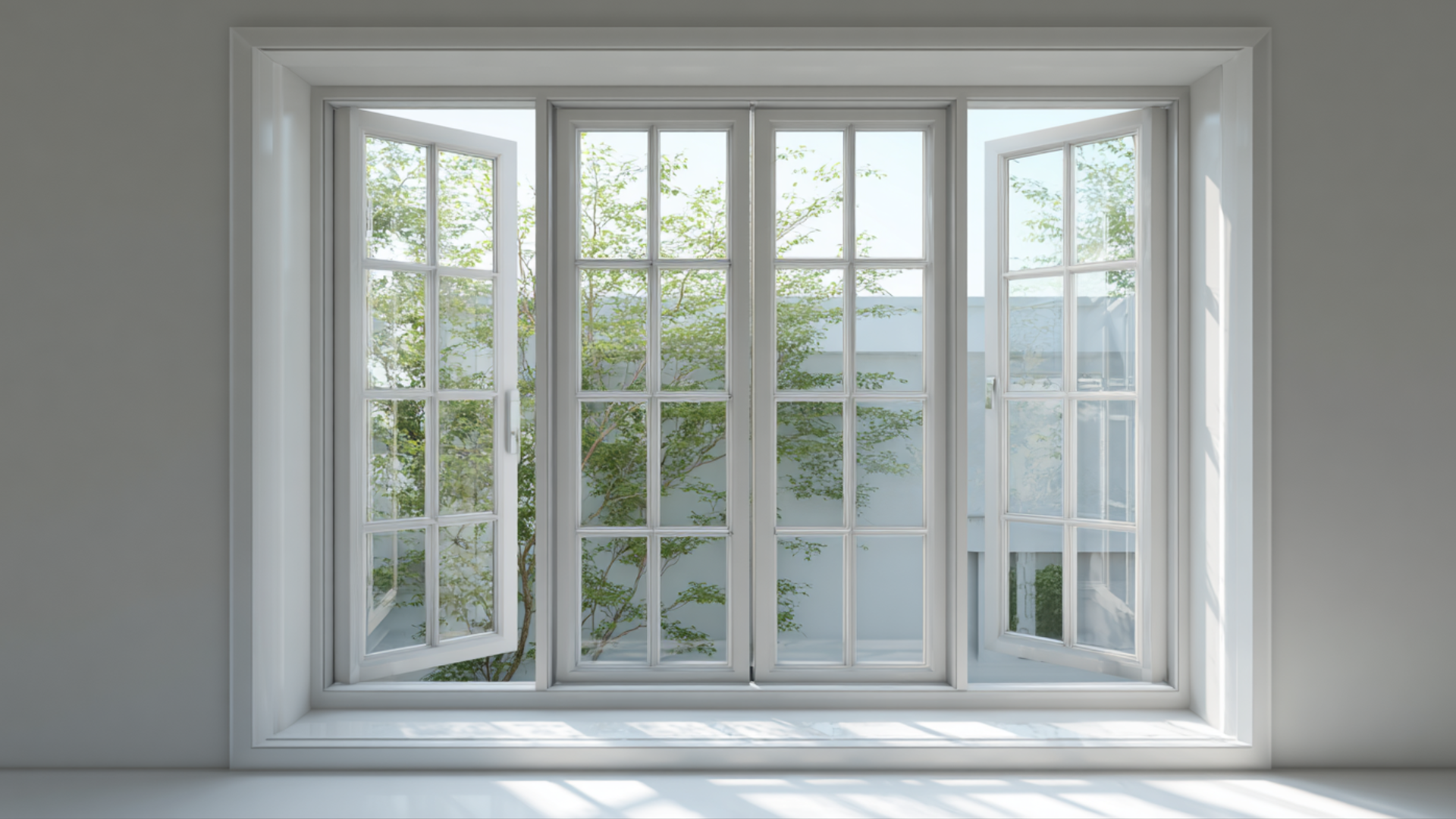
Casement windows open outward from the side. Mullions divide the large glass sections and add stability to the frame, keeping it firm when the window swings open.
They also help create a symmetrical layout, which enhances the window’s appearance. Casement windows with mullions are common in cottages, farmhouses, and modern minimalist homes.
2. Bay Windows

Bay windows extend outward in a defined angled shape, creating a small architectural projection. Mullions link each glass panel and help distribute the weight across the frame.
They also outline the form, giving the window its well-known panoramic feel. This style brings extra floor space, making it a useful addition in living rooms. Bay windows also increase natural light and create a cozy spot for seating or decor.
3. Bow Windows

Bow windows extend outward in a smooth, curved shape, forming a gentle arc along the wall. Mullions join each glass section and help support the structure evenly.
They also highlight the curve, giving the window its wide, continuous view. This style works well in living rooms where soft lines and added brightness matter. Bow windows open the room visually and create a graceful focal point in the space.
4. Picture Windows

Picture windows are large, fixed panes that don’t open. Mullions here are mostly decorative, framing the glass to create a balanced, divided-light look.
They add interest without blocking the view, combining modern openness with traditional charm. This makes them popular in living areas or hallways with scenic views.
5. Sash Windows

Sash windows use vertical mullions to divide the frame and add strength to the structure. They are known for their classic, balanced look and steady movement.
Modern versions often use slim aluminum mullions that echo traditional wood designs while improving durability. This style works well in heritage homes or older buildings where you want updated performance without losing visual character.
6. Tudor Windows

Tudor windows rely on vertical mullions to separate the glass and reinforce the tall, narrow frame. They carry strong historical charm, adding a bold rhythm to the exterior.
Newer designs often replace heavy stone with lighter aluminum mullions for easier upkeep. This window style fits perfectly in homes that blend old-world detail with modern comfort and reliability.
7. Awning Windows

Awning windows open outward from the top, allowing airflow even during light rain. Mullions in these windows separate the glass panels and strengthen the frame against wind.
They’re often used in modern homes for added ventilation and durability, offering a clean and functional appearance.
8. Double-Hung Windows

In double-hung windows, both sashes move up and down. Mullions divide the glass areas between the top and bottom sashes, offering visual balance and structural reinforcement.
They’re often combined with muntins to create a classic grid layout, giving the window a traditional look. This design suits colonial, craftsman, and transitional homes, where heritage aesthetics meet practical function.
9. Arched or Gothic Windows

Arched or Gothic windows use mullions to divide the tall curved glass into sections for strength and symmetry. They highlight architectural details while supporting the arch shape.
This style adds a sense of history and elegance, often seen in churches, heritage homes, or buildings inspired by classic European architecture.
10. French Windows

French windows feature glass panels that open like doors. Mullions separate these panels, creating a balanced and graceful layout.
They enhance light flow and provide a soft, traditional appearance that fits well in both classic and country-style homes.
11. Fixed or Clerestory Windows

Fixed and clerestory windows don’t open, but often use mullions for structure and design consistency. They help align the window pattern with the rest of the home’s architecture.
These windows are common in modern homes, adding natural light while maintaining a clean and uniform look.
Each style uses mullions differently, but the purpose stays the same to strengthen the window and enhance its overall design.
Historical vs. Modern Applications
Mullions have evolved over time, shifting from heavy structural elements to sleek design features.
| Aspect | Historical Mullions | Modern Mullions |
|---|---|---|
| Common Materials | Stone, oak, or leaded metal. | Aluminum, steel, or composite materials. |
| Main Purpose | Structurally supported multiple small panes of glass. | Structural is used for style and large glass panels. |
| Design Style | Found in Gothic, Tudor, and Renaissance homes. | Seen in minimalist, industrial, and contemporary buildings. |
| Appearance | Thick, carved, and often decorative. | Slim, smooth, and geometric for clean lines. |
| Placement | Used in churches, castles, and heritage homes. | Found in curtain walls, high-rises, and modern residential designs. |
| Light and View | Divide the glass into small sections, limiting light. | Supports large glass panes, allowing wide, open views. |
Historic mullions showcased craftsmanship and structure, while modern ones focus on light, openness, and sleek form. Both versions, however, share the same purpose to frame beauty, balance design, and connect architecture across time.
Practical Applications of Mullioned Windows
Mullioned windows work well in both residential and commercial spaces, blending strength with visual appeal. They’re often used in heritage homes to preserve traditional charm while improving structure and insulation.
In modern architecture, mullions frame large glass sections, creating open, airy interiors without losing support. They’re common in offices, showrooms, and modern houses where clean lines and natural light are priorities.
Many designers also use mullioned windows to add character to new builds, combining classic grids with contemporary materials. This balance makes them suitable for nearly any architectural style or purpose.
From cottages to skyscrapers, mullioned windows remain a practical and timeless choice for enhancing both stability and design.
Installation and Maintenance
Installing and maintaining mullioned windows keeps them strong, efficient, and looking their best. Here are the key points to know:
- Installation process: Measure, align, and seal the mullions properly within the frame. Accurate alignment ensures a secure fit, while sealing prevents air and water leaks.
- Wood maintenance: Repaint or reseal regularly to protect against rot, fading, and moisture damage.
- PVC maintenance: Clean with mild soap and water; avoid abrasive cleaners or harsh chemicals.
- Aluminum maintenance: Wipe with a damp cloth to remove dust and check occasionally for corrosion or loose seals.
- Stone maintenance: Inspect for cracks in the joints and clean gently to preserve natural texture and detail.
- Repair vs. replacement: Fix small issues like chipped paint or minor gaps promptly. Replace mullions if you notice deep cracks, warping, or signs of structural damage.
Proper care and timely maintenance help mullioned windows last longer while keeping their appearance neat and functional.
Conclusion
Mullioned windows add structure, balance, and a clear sense of design to almost any home. They shape the way light moves through a room and help create a steady, well-organized look.
A mullioned window can highlight architecture, support larger glass panels, and bring a clean, intentional feel to the space.
Whether you’re updating an older home or planning something new, this design choice can make a meaningful difference.
Start choosing the style and layout that fits your home and brings out its best features!

With a Master’s in Architecture from the University of California, Berkeley, Mitchell Green has spent over two decades dedicated to the study and practical application of home fixture design. His career started in an architectural firm, providing him a strong foundation in the structural and aesthetic aspects of home interiors. Mitchell brought his comprehensive knowledge to our platform, where he has been an influential voice in our home fixtures and fittings section. Since 2018, he has been guiding our readers through the intricacies of selecting and installing fixtures, combining technical know-how with design flair. In his spare time, Mitchell is a keen photographer, capturing architectural details and design elements, an interest that complements his professional focus.