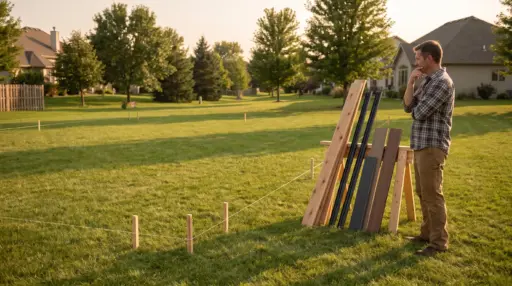
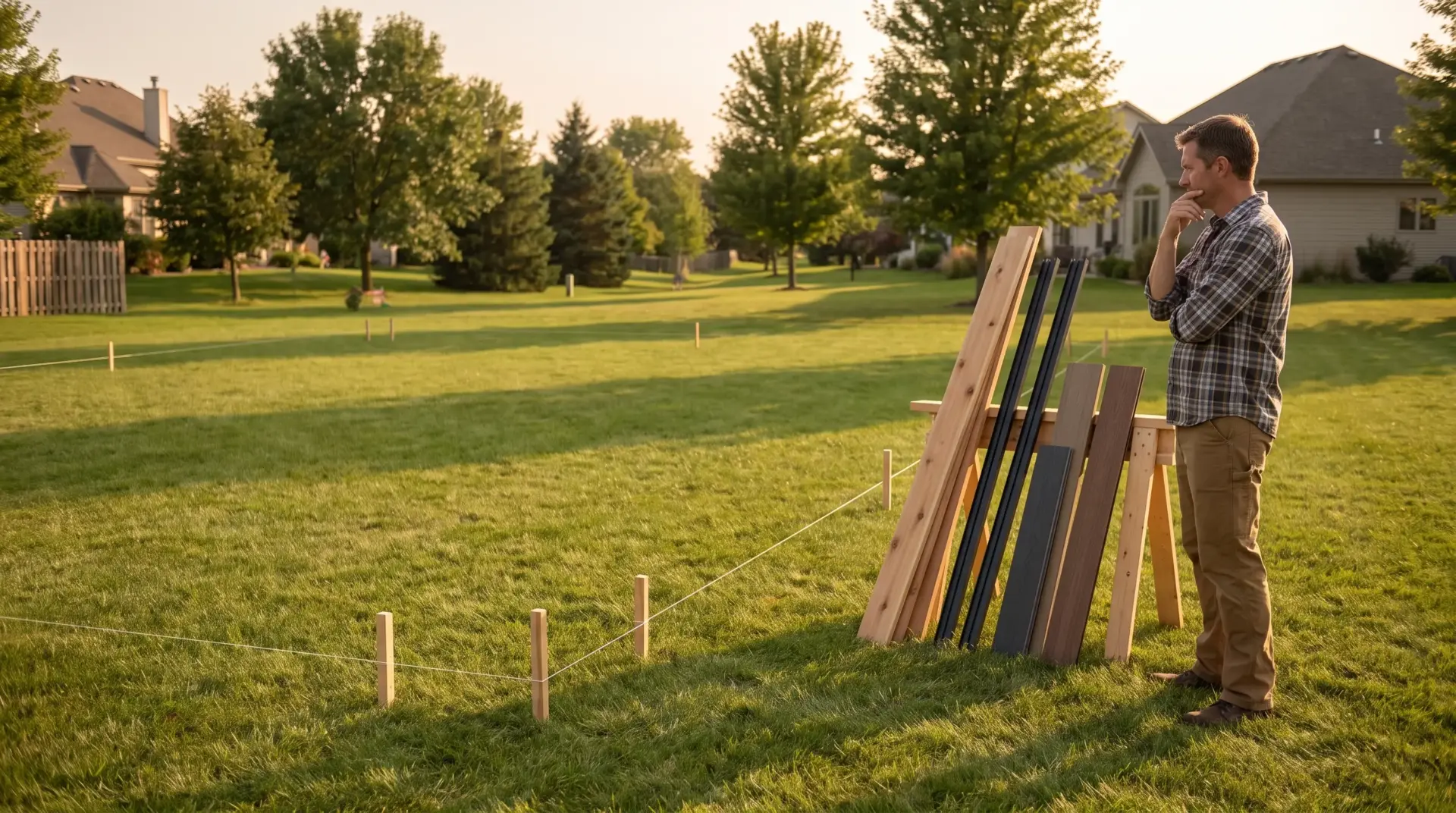

A new fence involves more than choosing a style and scheduling installation. The layout affects access, drainage, privacy, and future maintenance. Property lines, local regulations, soil conditions, and wind exposure also shape the finished project. Decisions made before materials arrive prevent delays, redesigns, and unnecessary repair costs. A sound plan begins with the property, then addresses materials, installation details, and daily use. The following choices deserve attention before work begins.
A qualified installer should verify the property line, measure changes in elevation, locate gates, and discuss how the fence will function. Homeowners comparing a Fortera Fencing contractor should request clear information about materials, post placement, permits, and cleanup before approving a proposal. A site visit can reveal slopes, buried utilities, tree roots, and drainage concerns that a drawing cannot show.
Start With Property Conditions
A recent survey, recorded plot, or clearly marked boundary provides a reliable starting point. Guesswork can place a fence across a property line, restrict access, or create disputes with a neighbor.
The ground itself affects installation. Sandy soil, compacted fill, tree roots, slopes, and areas that collect water require different preparation and post-placement methods. Underground utilities should also be marked before work begins to protect workers and prevent service-line damage.
Choose Function Before Appearance
A privacy fence requires a different layout from a boundary fence around a front yard. The homeowner should decide whether the main purpose is privacy, pet containment, pool security, access control, wind reduction, or visual separation.
Gate placement deserves equal attention. A driveway gate needs enough clearance for vehicles, while a backyard gate should accommodate routine foot traffic and furniture movement. Gate swings must clear sidewalks, landscaping, parked vehicles, and drainage paths.
Compare Materials by Upkeep
Wood Fencing
Wood provides design flexibility and a natural appearance. It can create full privacy, partial screening, or a decorative boundary, depending on board spacing and fence height.
The maintenance plan should be laid out before installation, even for reclaimed wood. Staining, sealing, cleaning, and replacing damaged boards affect long-term costs. Moisture exposure, irrigation spray, and ground contact also determine how often the fence needs attention.
Vinyl Fencing
Vinyl provides a consistent appearance with limited routine maintenance. Its smooth surface does not require regular staining, but the design still needs proper post spacing and adequate gate support.
Homeowners should inspect samples in natural light before choosing a color. A sample shows the material’s texture, finish, and scale more accurately than a small catalog image.
Aluminum Fencing
Aluminum works well where visibility, appearance, and low maintenance matter. It suits pool areas, front yards, and property boundaries that do not require full privacy.
The panel layout should account for grade changes. Racked panels follow a slope, while stepped panels create level sections with visible gaps beneath them.
Chain Link and Mixed Materials
Chain link provides a practical enclosure for pets, service areas, and larger properties. Privacy fabric, slats, or planted screening can reduce visibility without requiring full fence replacement.
Mixed-material designs combine different textures in selected areas. A homeowner might choose a private section beside a patio and an open section near the driveway.
Plan Posts, Gates, and Drainage
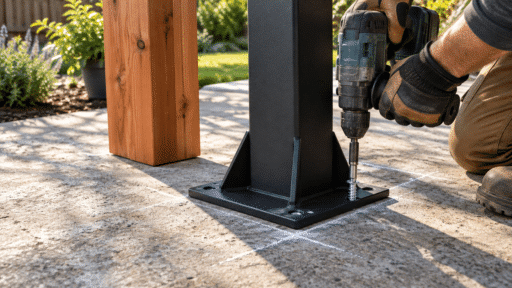
Posts carry the fence load, so their depth and spacing deserve more attention than decorative details. In Northeast Florida, Fortera uses its iDrive Power System with a schedule of 40 galvanized steel or aluminum posts driven four feet into undisturbed soil.
That installation method avoids concrete and limits yard disturbance. The company states that its installed fences are certified for 100 mph winds, which matters in areas exposed to hurricanes and severe storms.
Drainage should remain open after installation. A fence that blocks a swale, concentrates runoff, or sits too close to a drainage structure can create standing water and soil movement.
Check Approvals and Access
Local requirements can control fence height, placement, materials, and visibility near streets or intersections. Homeowners should check municipal rules, easements, permits, and any applicable homeowners association approval before ordering materials.
Installation access also affects scheduling. Crews need room for posts, panels, tools, and removed materials. Clearing branches, toys, vehicles, and movable planters beforehand can reduce delays on installation day.
A written proposal should identify the fence length, material, height, gate locations, removal work, permits, warranty terms, and payment schedule. Clear details make it easier to compare estimates without relying on assumptions.
Conclusion
A successful fence project begins with decisions made before the first post enters the ground. Confirming boundaries, matching the material to its purpose, planning gates, and checking drainage prevents avoidable problems. The next step is a property walk with measurements, photographs, and a written list of priorities. That information gives an installer enough context to recommend a layout that fits the site, supports daily use, and meets local requirements.

With a Master’s in Architecture from the University of California, Berkeley, Alexander Martin has dedicated the last 18 years to enhancing outdoor living through thoughtful and robust structure design. His career kicked off in urban planning, giving him a unique perspective on integrating structures into diverse environments. In 2019, Alexander brought his expertise to our website, offering insights into creating versatile outdoor spaces. Since then, he has been the lead advisor for our outdoor design projects and is known for his ability to merge functionality with environmental consciousness. Alexander enjoys rock climbing outside of work and participates in community development projects, activities that reflect his passion for the outdoors and sustainable design.