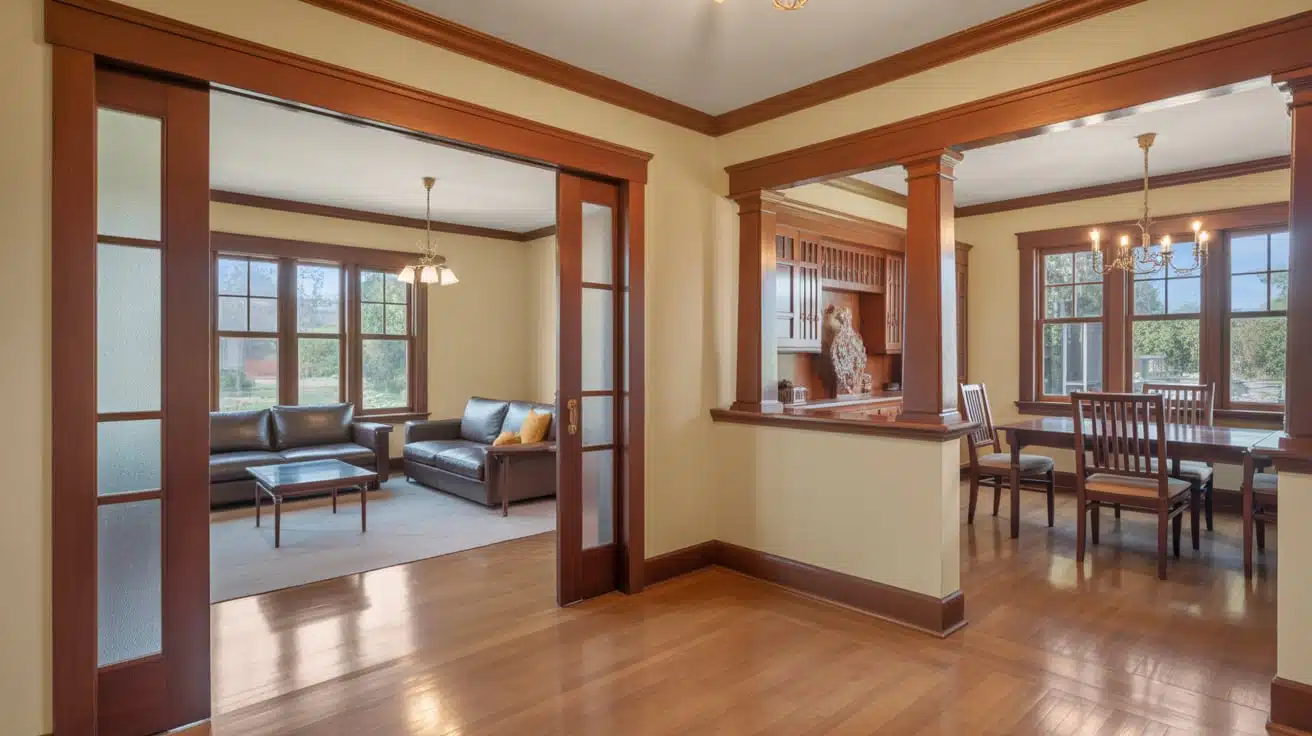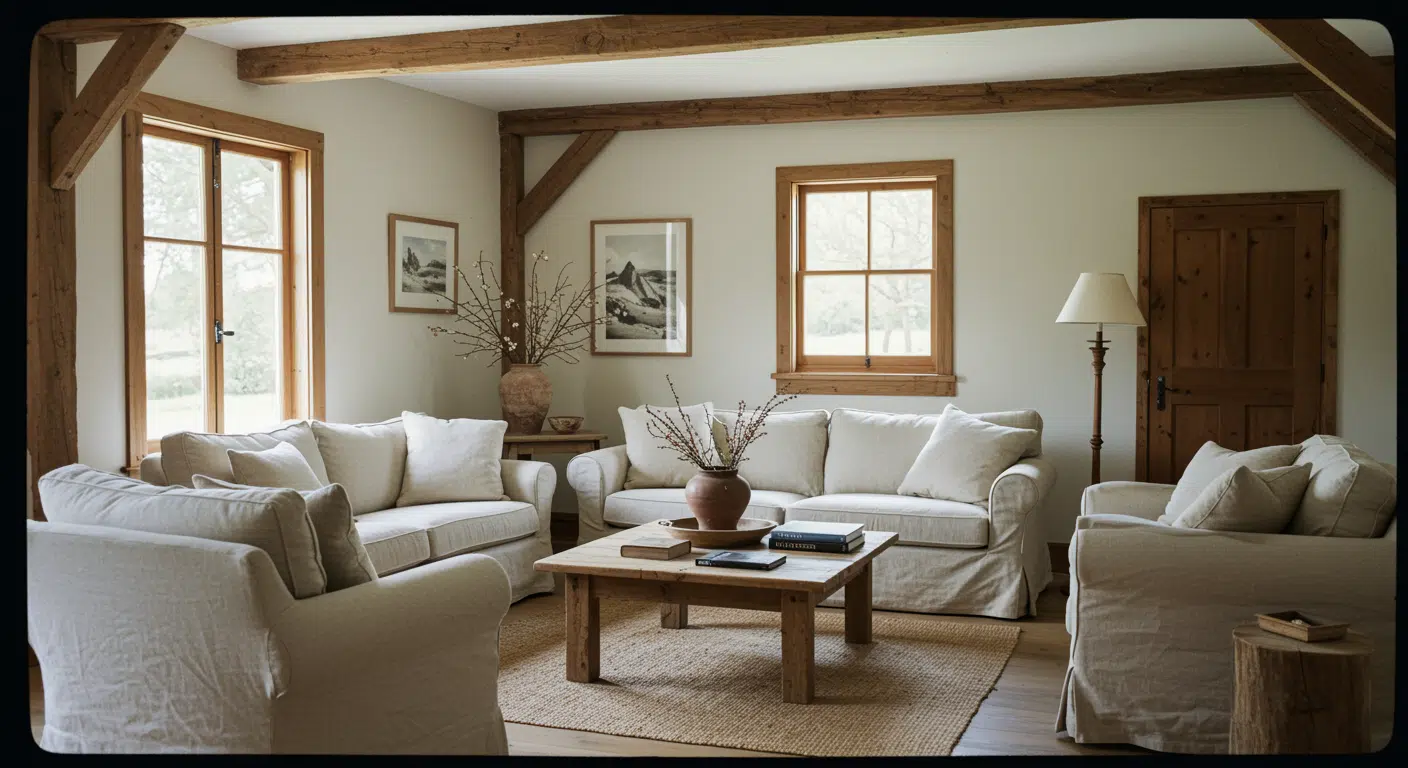

Rustic farmhouse interior design draws attention through its calm, welcoming feel and natural warmth.
The mix of soft colors, raw textures, and simple forms creates spaces that feel comfortable at first glance.
This style appeals to those who value homes that feel lived-in rather than overly styled.
Beyond appearance, rustic farmhouse interiors support everyday living by focusing on function and balance.
Thoughtful use of wood, neutral shades, and practical layouts keeps rooms easy to live in and visually clear.
This vegetarian no-carb diet plan for 2 weeks shows how to keep daily carbs under 20 grams using tofu, tempeh, vegetables, and healthy fats.
It includes a full 14-day meal chart, key rules, and guidance on results and transitioning back safely.
What Does a Rustic Farmhouse Interior Design Look Like?
Rustic farmhouse interior design is defined by a calm, lived-in appearance.
Spaces often feature neutral color palettes, natural textures, and simple layouts. Wood plays a central role, appearing in floors, beams, furniture, and accents.
Finishes are usually matte or lightly worn rather than glossy. Décor remains minimal, with emphasis placed on usefulness and comfort.
The overall look feels warm, relaxed, and unforced, balancing rustic charm with farmhouse simplicity.
Rustic Farmhouse Interior Design Color Palette
Rustic farmhouse interior design uses soft, natural colors that create warmth and visual balance. The palette is simple and neutral, allowing wood textures and natural materials to stand out.
| Color Category | Common Shades | Where It’s Used |
|---|---|---|
| Neutral Base Colors | Warm white + cream + beige + light gray | Walls, ceilings, and large furniture |
| Earthy Supporting Tones | Brown + taupe + muted green + clay | Rugs, upholstery, accent furniture |
| Natural Wood Tones | Light oak + weathered pine + reclaimed wood + walnut | Floors, beams, tables, cabinets |
| Accent Colors | Soft black + charcoal, dusty blue + muted terracotta | Hardware, lighting, cushions |
| Metal Finishes | Black iron + aged steel + brushed bronze | Fixtures, handles, décor accents |
History of Rustic Farmhouse Interior Design
Rustic farmhouse interior design grew from a simple idea: a home should feel comfortable and useful.
Spaces were shaped by daily routines, so every piece had a clear purpose. Furniture was solid and straightforward.
Materials were chosen for how they felt and how well they lasted, not for decoration.
Over time, this way of designing homes became valued for its calm and honest look.
Natural textures, soft colors, and uncluttered rooms created spaces that felt easy to live in.
Rustic farmhouse interior design continues to reflect these values, focusing on warmth, balance, and a lived-in feel that never feels forced.
Interior Design Elements of Rustic Farmhouse Style
Rustic farmhouse interiors rely on a small set of consistent design elements that work together to create cohesion.
Natural Materials: Solid wood, stone, brick, linen, cotton, and metal form the foundation of the style. Imperfections and natural grain patterns are left visible.
Color Palette: Shades of white, cream, beige, soft gray, and muted earth tones dominate. Accent colors remain subtle and understated.
Furniture Style: Furniture features sturdy construction, clean lines, and minimal detailing. Distressed or reclaimed wood is common.
Lighting Choices: Warm lighting enhances comfort. Pendant lights, lantern-style fixtures, and metal accents are widely used.
Textures and Fabrics: Layered textures such as woven rugs, cotton throws, and linen curtains add depth without overwhelming the space.
Rustic Farmhouse Interior Design Ideas by Room
Each room follows the same core idea: keep the space useful, comfortable, and visually calm. Instead of heavy decoration, attention stays on layout, materials, and everyday comfort.
The style remains consistent, but each room expresses it in a slightly different way.
1. Living Room
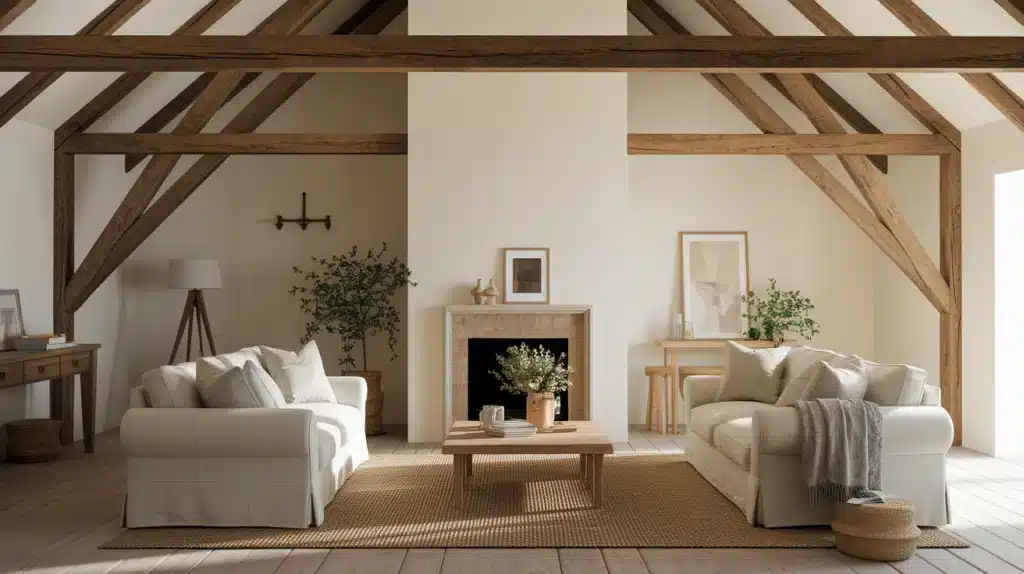
The living room feels open and welcoming. Wood often appears through beams, tables, or shelving, adding warmth without taking over the space.
Seating is simple and comfortable, usually in neutral tones that feel easy on the eyes.
Furniture is arranged to allow movement and conversation. Rugs soften the floor, while baskets or shelves provide storage without clutter.
Wall décor stays limited, helping the room feel relaxed rather than crowded.
2. Bedroom

The bedroom is quiet and restful. A solid bed frame anchors the space, paired with soft bedding in calm colors.
Layers are kept light, adding comfort without visual weight.
Only essential furniture is used, allowing the room to breathe. Lighting remains gentle, creating a peaceful mood. Décor is minimal, so the space feels clear and easy to unwind in.
3. Kitchen
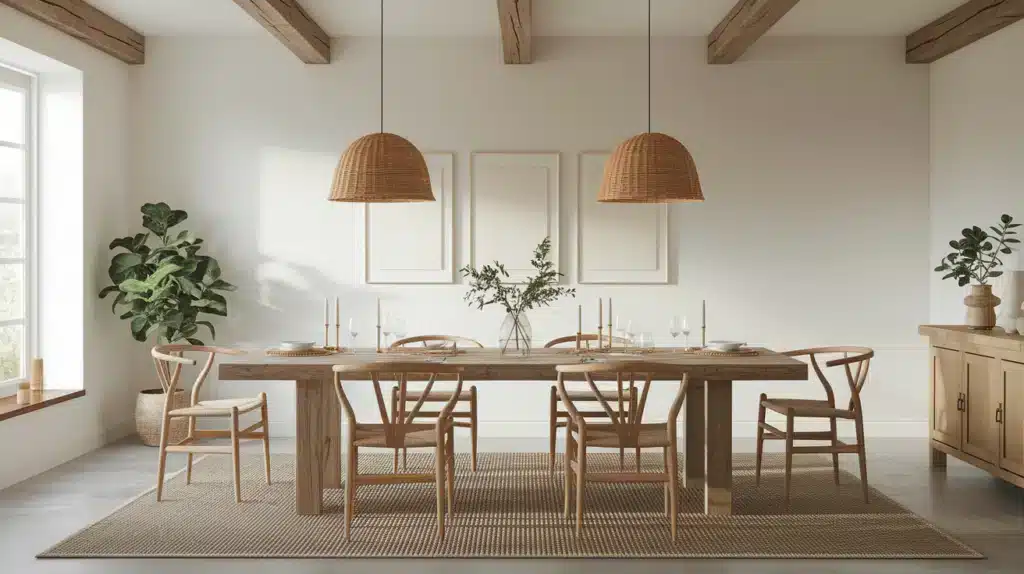
The kitchen is built for daily use. Open shelving keeps items within reach and helps the space feel open.
Wood surfaces add warmth, while simple cabinetry keeps the look clean.
Layouts focus on ease of movement. Fixtures and hardware stay subtle, adding contrast without drawing attention.
The space feels practical, organized, and comfortable to work in.
4. Study Room

The study room stays simple and focused. A sturdy desk provides a clear work surface, while open shelves hold only what is needed.
Neutral colors help reduce distraction. Lighting supports longer use without feeling harsh. Décor is kept minimal so attention stays on the task at hand.
Common Mistakes in Rustic Farmhouse Interior Design
Maintaining restraint helps preserve the style’s authenticity. Several issues can disrupt the balance of rustic farmhouse interiors:
- Excessive distressed décor that feels forced
- Ignoring functionality in favor of appearance
- Mixing too many unrelated styles
- Using harsh or overly bright lighting
Rules for Perfect Rustic Farmhouse Interior Design
Good rustic farmhouse interiors feel balanced, not busy. Simple design rules help keep the space comfortable and visually calm while allowing personal style to show through.
What is the 70/30 Rule in Interior Design?
The 70/30 rule helps maintain balance by keeping one style clearly dominant. About seventy percent of the space follows the main design style, while the remaining thirty percent adds contrast.
In rustic farmhouse interiors, the larger portion usually includes natural wood, neutral colors, and simple furniture.
The smaller portion allows room for variation, such as subtle modern lines, soft textures, or understated decorative pieces.
This contrast adds interest without taking attention away from the main look. When applied well, the space feels layered but still cohesive.
What is the 3-5-7 Rule in Interior Design?
The 3-5-7 rule focuses on how décor items are grouped. Arranging objects in odd numbers feels more natural to the eye and avoids stiff, symmetrical layouts.
Using three, five, or seven items works well on shelves, tables, or mantels. Items can vary in height, texture, or shape, but they should share a common tone or material.
This approach keeps displays simple while adding depth, helping the space feel relaxed rather than carefully arranged.
Conclusion
Rustic farmhouse interior design works best when simplicity leads every choice.
Natural materials, soft colors, and practical layouts help create spaces that feel comfortable and easy to live in.
When furniture, lighting, and décor stay balanced, rooms feel calm rather than crowded.
Small design rules, such as limiting contrast and grouping décor thoughtfully, help maintain visual order without making the space feel planned.
The goal is not perfection, but comfort and clarity. By focusing on function first and decoration second, interiors remain warm, steady, and inviting.
Personal touches can be added slowly, allowing each space to reflect real use and everyday living.
Share thoughts or ideas in the comments below.

With a Master in Architectural Studies from University of Pennysylvania, Marwa Haydar has pioneered living spaces since 2005. Her expertise, initially honed in a prestigious architectural firm, is evident in her approach to creating environments. Marwa became part of our team in 2019 and has since been a driving force in our home improvement section, known for her practical yet stylish solutions. She’s been spearheading our design workshops since then, infusing her passion for teaching into her work. In her leisure time, Marwa enjoys exploring historic architecture and is an enthusiastic pottery hobbyist, further enriching her understanding of form and texture.