

Spray paint is often chosen for its convenience and quick surface coverage, yet drying time remains one of the most misunderstood aspects of its use.
Many assume that once a surface feels dry, the paint job is complete. In reality, spray paint dries in stages, and each stage serves a different purpose.
Drying time depends on the type of paint, the surface being coated, and the surrounding conditions during application.
Confusion between touch-dry time, recoat time, and full curing time frequently leads to smudges, poor adhesion, or long-term finish problems.
This article explains how long spray paint takes to dry under standard conditions, how drying times differ by paint type, and what factors influence the final result.
The goal is to provide clear, reliable timelines that support accurate planning and durable outcomes.
How Long Does Spray Paint Take to Dry?
| Drying Stage | Average Time |
|---|---|
| Dry to the Touch | 15–30 minutes |
| Ready to Handle | About 1 hour |
| Ready to Recoat | 1–2 hours or 24–48 hours* |
| Fully Dry | About 24 hours |
| Fully Cured | 3–7 days |
Spray paint drying time is not a single measurement. It progresses through several distinct phases, each with its own practical meaning.
Dry to the Touch
Under average indoor conditions, defined as temperatures around 70°F (21°C) with moderate humidity and proper airflow, most general-purpose spray paints reach a dry-to-touch state within 15 to 30 minutes.
At this stage, the surface no longer feels wet when lightly touched, but the paint film is still soft and vulnerable to pressure or friction.
Handling Time
The next stage is handling time. For many aerosol paints, safe handling is possible after approximately one hour.
Handling time indicates that an object can be carefully moved without immediate fingerprinting, although the coating is still not hardened.
Applying pressure or stacking items at this point can still damage the finish.
Recoat Time
Recoat time refers to the window in which another layer of paint can be applied without causing surface defects. This timing varies by product formulation.
Some spray paints allow recoating within one hour, while others require waiting until the initial coat has dried for at least 24 to 48 hours.
Ignoring the recoat window can lead to wrinkling, lifting, or uneven texture.
Fully Dry and Fully Cured
Full drying or curing is the final stage. For most enamel-based spray paints, full drying occurs at around 24 hours, meaning the surface has reached a stable state suitable for light use.
Full curing, which refers to the paint reaching its maximum hardness and adhesion, may take several days.
During this time, the coating continues to strengthen internally even though it appears dry on the surface.
Spray Paint Drying Time by Paint Type
Drying time varies significantly depending on the type of spray paint used. Acrylic spray paints are commonly known for balanced drying performance.
1. Acrylic Sprays
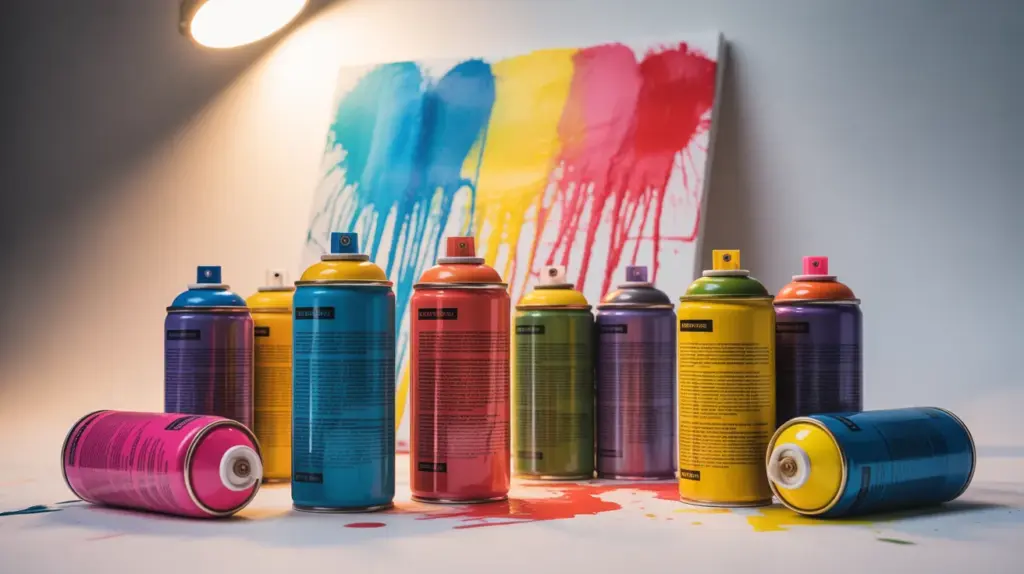
Under standard conditions, acrylic sprays typically become dry to the touch in about 15 minutes and are ready for recoating in approximately two hours.
Full drying usually occurs within 24 hours, making acrylic suitable for projects that require a relatively quick turnaround without sacrificing finish quality.
2. Enamel Spray Paints
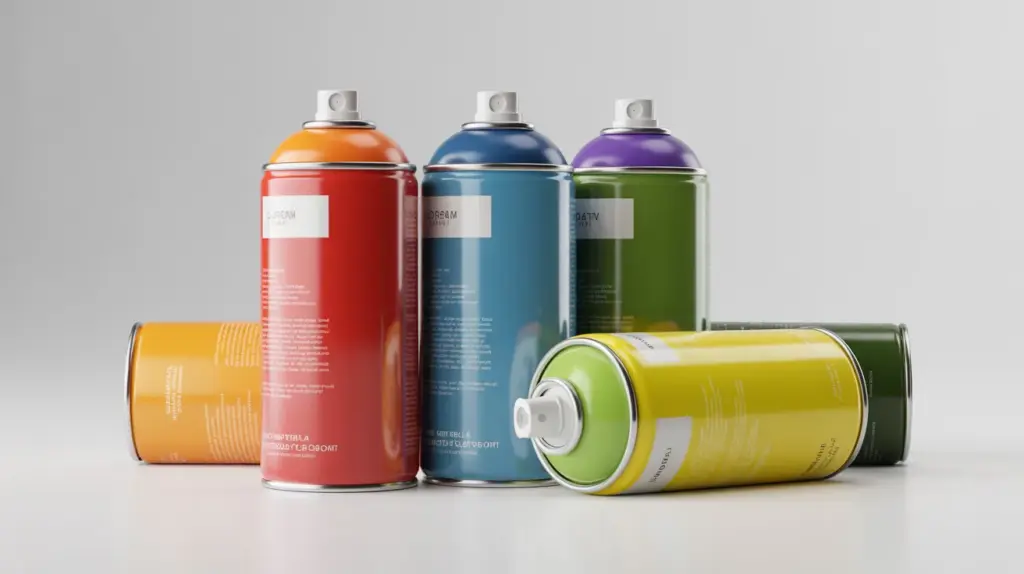
Enamel spray paints generally dry more slowly than acrylics due to their oil-modified or alkyd-based formulations.
Touch-dry time for enamel sprays often falls between 15 and 25 minutes, with handling possible after one to two hours.
Full drying typically requires about 24 hours, while complete curing can take several days.
Enamel paints are often selected for their durability and resistance to wear, which explains the longer curing period.
3. Lacquer Spray Paints
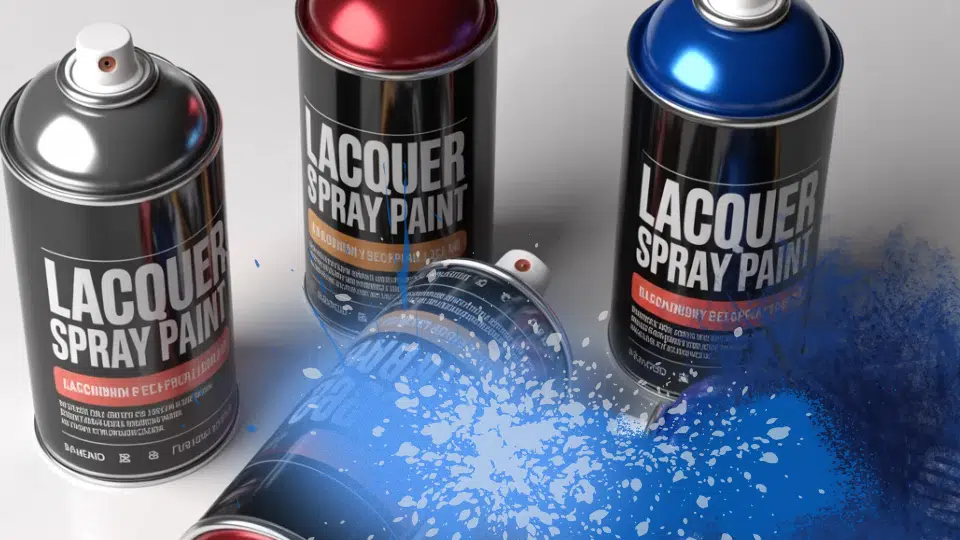
Lacquer spray paints dry faster than most other types.
Many lacquer formulations become dry to the touch within 20 minutes and may reach full dry status in less than an hour.
Recoating is often allowed at almost any stage, which makes lacquer useful for rapid finishing tasks.
However, lacquer finishes are more sensitive to environmental conditions and surface preparation, and they may not offer the same long-term durability as enamel on certain materials.
4. Specialty Spray Paints
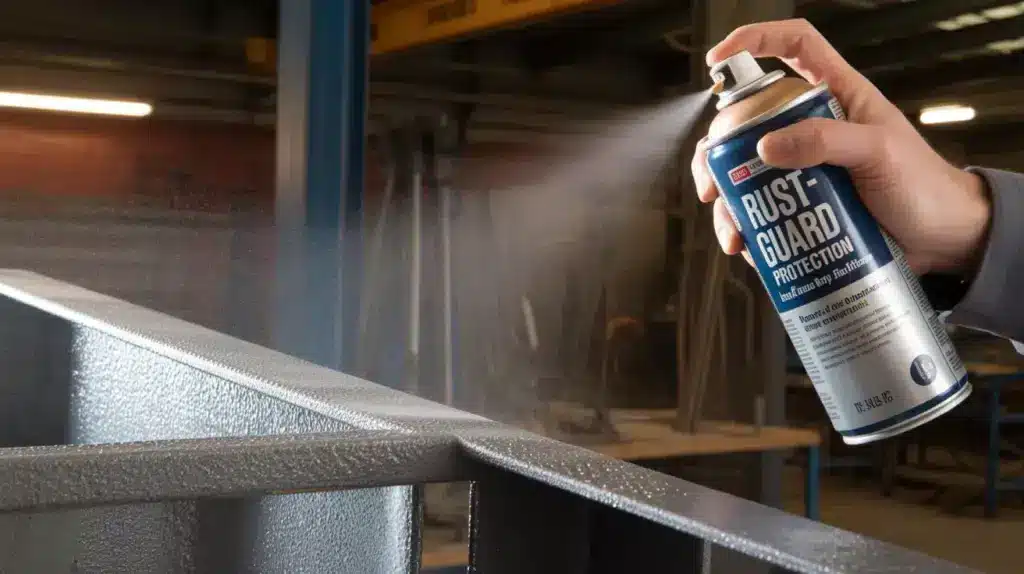
Specialty spray paints, including rust-resistant coatings and paint-and-primer combinations, vary widely in drying behavior.
These products often follow timelines similar to enamel paints but may require extended curing periods, especially when applied to metal or plastic surfaces.
Manufacturer instructions should always be treated as the controlling standard for these products.
Factors That Affect Spray Paint Drying Time
Environmental and application conditions play a critical role in how quickly spray paint dries.
1. Temperature
Temperature is one of the most influential factors. Spray paint dries best within a moderate temperature range, typically between 50°F and 90°F.
Lower temperatures slow solvent evaporation, while excessive heat can cause uneven drying or surface defects.
2. Humidity
Humidity also affects drying speed. High humidity levels reduce the rate at which solvents evaporate, extending drying and curing times.
In humid conditions, paint may remain tacky longer than expected, even if the temperature is within the recommended range.
3. Surface Type
The type of surface being painted influences drying behavior as well.
Porous surfaces such as unfinished wood absorb some of the paint, which can shorten surface drying time but extend overall curing.
Non-porous surfaces like metal or plastic rely entirely on evaporation, making them more sensitive to humidity and airflow.
4. Thickness of Coat
Coat thickness is another critical factor. Thick coats trap solvents beneath the surface, leading to longer drying times and a higher risk of sagging or wrinkling.
Multiple thin coats allow solvents to escape more efficiently and promote more consistent drying.
5. Drying Condition
Ventilation supports solvent evaporation and helps maintain predictable drying conditions. Poor airflow can cause paint to dry unevenly, even when the temperature and humidity appear suitable.
Ventilation also reduces the likelihood of surface defects such as gloss inconsistency or prolonged odor retention.
However, airflow should not be excessive, as strong drafts can carry dust or debris onto the wet surface and interfere with the finish.
How to Tell If Spray Paint is Dry?
Determining whether spray paint is dry requires more than a quick touch.
A light fingertip contact can indicate whether the surface has reached the dry-to-touch stage, but it does not confirm readiness for handling or recoating.
A surface that feels dry may still compress or mark under pressure.
For recoating, the appearance of the paint provides clues. A uniform finish without gloss variation or tackiness generally indicates that recoating is safe within the recommended window.
Any resistance or dragging sensation suggests that more time is needed.
Full drying can be assessed by gently pressing an inconspicuous area with a fingernail. If the paint resists indentation and returns to its original appearance, it has likely reached a stable dry state.
Even then, caution is necessary during early use, as curing may still be in progress beneath the surface.
How to Make Spray Paint Dry Faster?
Drying time can be reduced through controlled application and careful management of the surrounding environment.
While spray paint still requires adequate time to set and cure, certain adjustments can help the process move more efficiently without compromising the finish.
Apply lighter coats: Technical sheets often recommend multiple light coats a few minutes apart to avoid runs and improve drying.
Stay inside the label conditions: Many products specify temperature and humidity ranges for expected dry times.
Increase safe ventilation: Use of a well-ventilated area is frequently recommended; airflow helps solvent evaporation.
Allow the full recoat window: For products with “within 1 hour or after 48 hours” guidance, respecting that window can prevent finish defects that look like drying problems but are actually recoat-timing issues.
Conclusion
Spray paint drying time depends on understanding its stages rather than relying on a single number.
Under typical conditions, many spray paints become dry to the touch within 15 to 30 minutes, are safe to handle after about one hour, and are fully dry in approximately 24 hours.
Complete curing may take several days, especially for enamel and specialty coatings.
Paint type, environmental conditions, surface material, and application method all influence these timelines.
Accurate expectations and careful timing support better adhesion, smoother finishes, and longer-lasting results.
Proper drying is not just a waiting period but a critical part of achieving a durable and reliable spray paint finish.

Holding a Master’s in Library and Information Science from the University of Illinois, Josh Clarke has dedicated more than 15 years to managing and disseminating information across various platforms. His professional journey includes significant experience as a research librarian, where he developed an expertise in sourcing and providing accurate and comprehensive answers to diverse questions. In 2018, Josh brought his rich experience to our platform, quickly establishing himself as a reliable source for general FAQs. He has been overseeing our information curation since then, combining his research skills with a flair for engaging content delivery. When not involved in information management, Josh enjoys exploring digital photography and participating in local quiz competitions, hobbies that complement his inquisitive nature and love for learning.