
Choosing the right table isn’t just about style; the height plays a bigger role than most people realize.
The standard table height is a helpful starting point, but the best choice also depends on your space, your seating, and how you use the table each day.
Today, I’ll share simple tips that make these decisions easier, along with small details many people overlook when setting up a dining area.
By the end, you’ll know exactly what to check before buying a table, without feeling overwhelmed by measurements.
What is the Standard Table Height?
The standard table height is 28 to 30 inches. This range gives you a comfortable sitting and eating position.
At this height, most people can rest their arms easily on the table and fit their legs under it without feeling tight. That’s why it has become the most common height for everyday dining tables.
This height also works well with most dining chairs, so you don’t have to worry about matching different pieces.
It creates a natural posture that feels relaxed during long meals or conversations. Overall, it’s a safe and reliable choice for almost any home.
Standard Table Height Chart: All Table Types
It’s easier to choose the right table when you can compare all side by side. This breakdown shows the most common table types with their heights in both inches and centimeters:
| Table Type | Height (Inches) | Height (CM) | Best Use Cases | Pros | Cons | Space Planning Tips |
|---|---|---|---|---|---|---|
| Dining Table | 28–30 in | 71–76 cm | Daily meals, family use | Comfortable for most people | Not ideal for standing tasks | Leave 36 in of space around the table |
| Counter-Height Table | 34–36 in | 86–91 cm | Kitchen islands, casual dining | Great for open layouts | Too tall for young kids | Match height with nearby counters |
| Bar-Height Table | 40–42 in | 102–107 cm | Small areas, adult-only spaces | Saves floor space | Harder to sit at for long periods | Best in corners or tight spaces |
| Café/Restaurant Table | 28–30 in | 71–76 cm | Cafés, bistros, breakfast nooks | Works with standard chairs | Limited workspace area | Good for smaller seating zones |
| Work/Study Table | 28–30 in | 71–76 cm | Desk work, reading, studying | Comfortable height for long use | Needs a supportive chair | Allow room for chair movement |
| Coffee Table | 16–18 in | 41–46 cm | Living rooms, in front of sofas | Easy reach from the sofa | Too low for dining | Keep 12–18 in distance from the sofa |
| Console Table | 28–32 in | 71–81 cm | Entryways, behind sofas | Great for display items | Not made for seating | Leave enough space for walking behind |
This gives you a clear view of how each table height fits different needs. Keep it handy while measuring your room or choosing furniture so everything feels balanced and comfortable.
Dining Table Height Explained
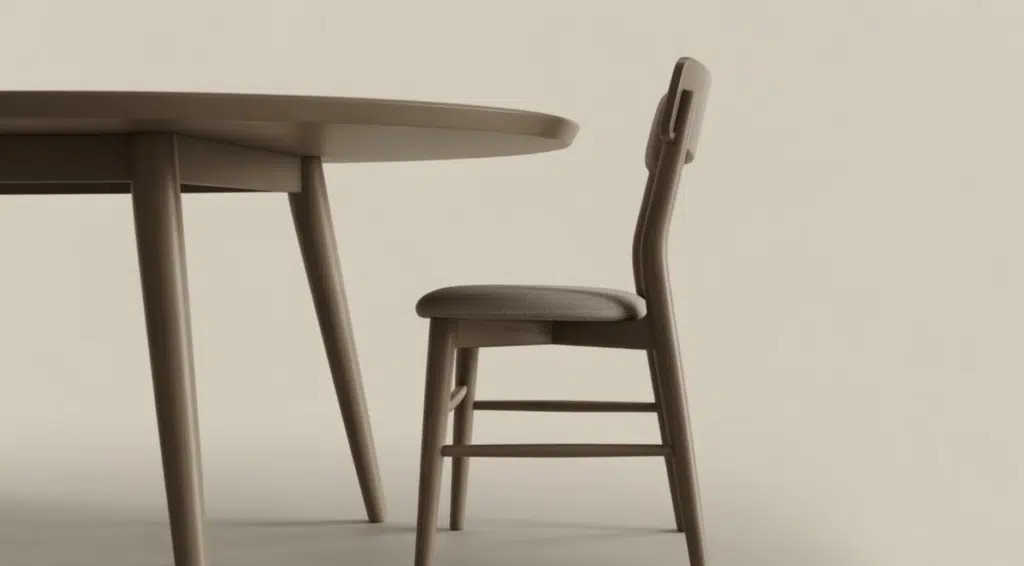
Dining tables are usually 28 to 30 inches tall, which is the sweet spot for most homes.
This range feels natural because it keeps your arms and elbows at a relaxed angle while eating or working. It also gives enough room for different body types to sit comfortably.
The best dining chair height is 18 to 20 inches because it pairs well with standard tables. Chairs in this range help you sit upright without feeling too high or too low.
You should have a 10 to 12-inch gap between the chair seat and the tabletop for proper legroom. This space keeps your knees comfortable and makes sitting for longer periods easier.
You can picture it like this: tabletop → 10–12 inch gap → chair seat. This simple layout creates a balanced and comfortable dining setup.
When your table and chairs follow this structure, your whole dining area feels easier to use and more enjoyable.
The Overlooked Factor: Tabletop Thickness & Legroom
Many people forget to check the tabletop thickness when choosing a dining table. It affects how much legroom you actually get under the table and how comfortable the seating feels.
- Thicker tabletops reduce the usable space for your knees.
- Most tabletops are ¾”, 1″, or 1.5″ thick, depending on the style.
- Actual table height is the full height, but the effective height is the height minus tabletop thickness.
- Ideal knee clearance is 24–26 inches from the floor to the bottom of the table.
- Tall people need extra clearance to avoid bumping their knees.
- Slim tabletops, pedestal bases, and trestle tables help improve legroom.
- A common mistake is choosing a thick, stylish tabletop without checking the space underneath.
- To measure correctly, check the total height, measure the thickness, subtract it, and confirm the clearance with your chair.
Keeping these points in mind helps you pick a table that feels good to sit at every day.
How to Choose the Right Table Height
The right table height depends on the people using it and the space where it will sit. These tips help you choose a height that feels comfortable and fits your home.
- Match height to user height: Standard 28–30 inches works for most people, but taller families often prefer the full 30 inches for more comfort.
- For shorter people: A table closer to 28 inches makes it easier to rest arms and keep feet flat on the floor.
- For taller people: A table near 30 inches offers better legroom and feels less cramped.
- For families with kids: Standard height is safer and easier for children, since chairs are more stable and easier to climb.
- For small dining rooms: Standard height keeps the room looking open and balanced, unlike bar-height tables that make tight spaces feel crowded.
- For open-concept spaces: Counter-height tables work well because they match kitchen islands and mix into larger spaces smoothly.
- For mixed-height families: Stick with the standard size since it works best for a wide range of body types.
Choosing a height that matches your needs makes your dining area more comfortable, practical, and easy to enjoy every day.
Recommended Table Options
These tables follow the right height guidelines and give you comfortable, practical options for everyday use.
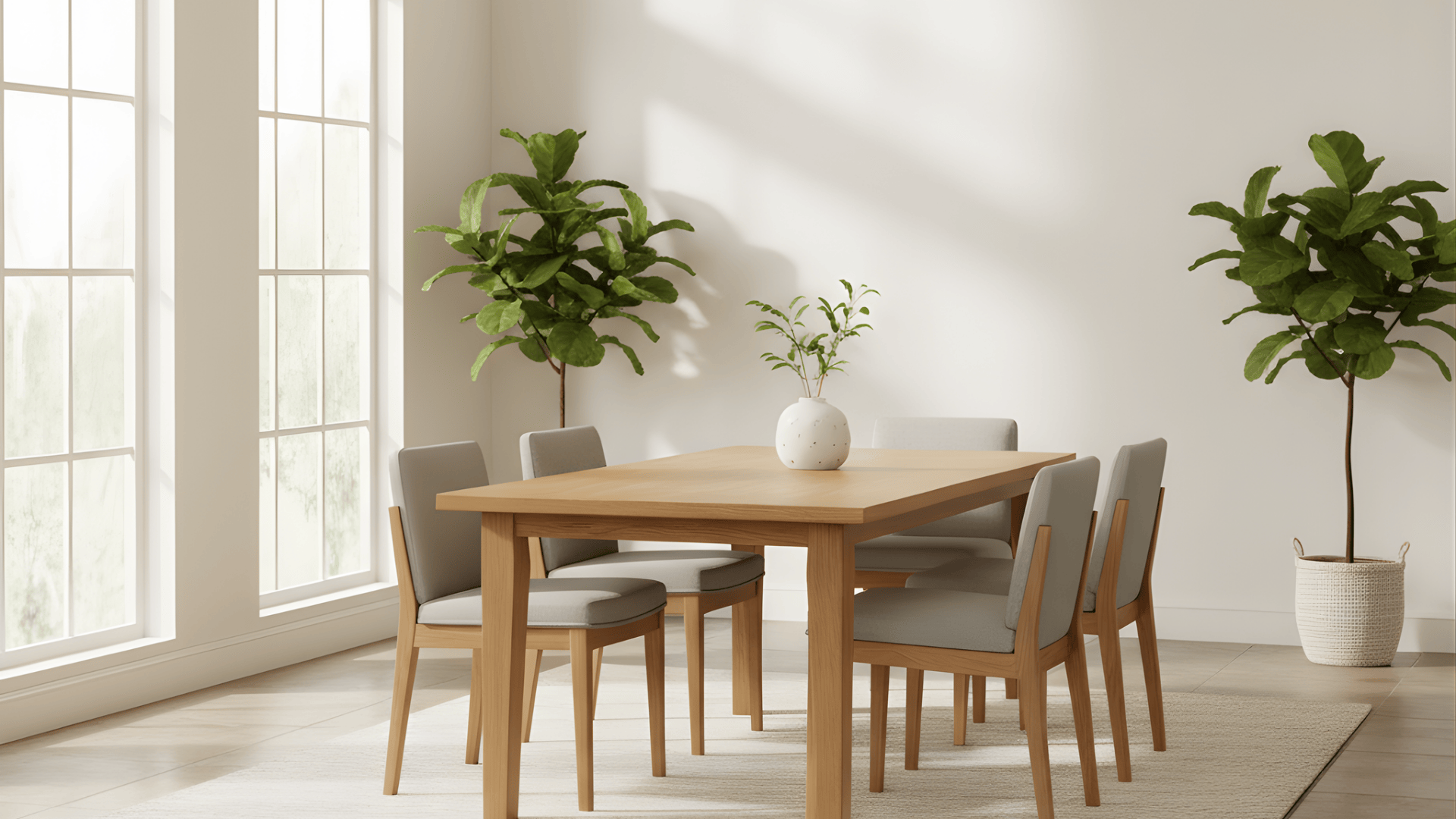
A standard-height wooden dining table is a dependable choice for most homes. It sits at the ideal 28–30 inch range and works well with regular dining chairs.
An extendable dining table is useful if you need extra seating for guests. Its slim tabletop helps maintain good legroom and keeps the setup comfortable.
A round dining table is a good option for small rooms. It saves space and makes it easier to move around the chairs.
These options offer the right height, proper legroom, and a simple fit for everyday use.
Final Tips & Common Mistakes to Avoid
- Leave enough space around the table: Keep at least 36 inches (91 cm) of space so people can walk and pull chairs out easily.
- Make sure you have good leg clearance: Check the usable space under the table, not just the total height.
- Match table height to lighting: Hanging lights should sit low enough to brighten the table but not so low that they block your view.
- Avoid tables that are too tall for your chairs: This reduces legroom and makes sitting on the chair uncomfortable.
- Avoid bar-height tables if you have kids: They are too tall and unstable for young children.
Choosing a table that fits your space and works well with your chairs ensures comfort, better flow, and a dining area you’ll enjoy every day.
Conclusion
Understanding standard table height makes it much easier to choose a table that feels good to use and fits your home well.
The right height can improve comfort, support better posture, and help your dining area feel more organized and inviting.
With the right setup, even a small room can feel more open and easier to move around in.
Now that you know how height, legroom, chair size, and room layout all work together, you’re ready to pick a table with confidence.
For more guides on furniture and decor for your home, be sure to read my other blogs on the website.
Frequently Asked Questions
Are adjustable-height dining tables a good option?
They can be helpful in multipurpose rooms, but they’re usually more expensive and less common in traditional dining setups.
How does seating cushion thickness affect comfort at the table?
Thicker cushions raise you higher, which can reduce the ideal gap between the seat and the tabletop, changing how the height feels.
Can lighting placement make a standard table height feel taller or shorter?
Yes. Lights hung too low can make the table feel taller and the space feel tight, while higher lighting creates a more open feeling.

With a Master’s in Architecture from the University of California, Berkeley, Mitchell Green has spent over two decades dedicated to the study and practical application of home fixture design. His career started in an architectural firm, providing him a strong foundation in the structural and aesthetic aspects of home interiors. Mitchell brought his comprehensive knowledge to our platform, where he has been an influential voice in our home fixtures and fittings section. Since 2018, he has been guiding our readers through the intricacies of selecting and installing fixtures, combining technical know-how with design flair. In his spare time, Mitchell is a keen photographer, capturing architectural details and design elements, an interest that complements his professional focus.