
The heating industry, much like any other, is constantly evolving. New innovations in technology are transforming how boilers are installed, maintained, and operated. This change is particularly evident in the field of boiler service, where modern solutions are meeting the demands of energy efficiency, sustainability, and user comfort.
As the world leans into a more tech-driven future, the integration of smart technology in boiler installation is becoming more prominent.
This article will explore how innovations in boiler technology are shaping the future, particularly in North London, and the key benefits these changes offer to homeowners.
Embracing Smart Technology in Boiler Installations
Traditionally, boilers were fairly straightforward appliances. They were designed to heat water and supply central heating to homes, with minimal complexity. However, as energy efficiency and sustainability have become critical priorities, the role of technology in heating systems has dramatically changed.
Now, thanks to the rapid advancement of smart technology, boilers are far more than just heating units; they are becoming integral parts of an energy-efficient home.
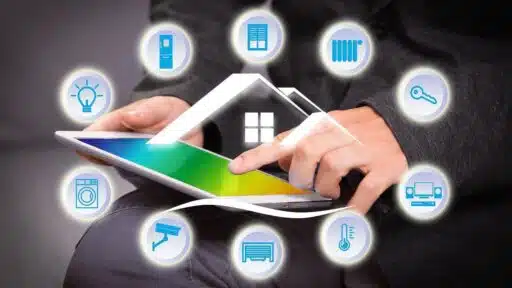
Smart boilers are revolutionizing how we manage our home heating systems. These systems are not only more energy-efficient but also more user-friendly. Smart features allow homeowners to control their heating remotely via smartphones, tablets, or voice assistants.
For example, many modern boilers now come equipped with Wi-Fi connectivity, enabling users to adjust settings from anywhere in the world, ensuring that their homes are always at the ideal temperature upon arrival.
Additionally, these smart features are not limited to just remote control. Smart boilers are capable of learning user behavior, adjusting temperatures based on occupancy patterns, and providing real-time performance data.
This ability to adapt to user preferences results in both cost savings and increased comfort for homeowners. In regions like North London, where energy efficiency is a key concern, these smart technologies offer a significant improvement in managing heating systems effectively.
Increased Focus on Energy Efficiency and Sustainability
The future of boiler service will be driven heavily by the growing demand for sustainability. In response to global environmental concerns, governments and energy providers are encouraging more energy-efficient and eco-friendly solutions. The UK government has introduced various incentives for homeowners to upgrade their heating systems to greener alternatives, such as condensing boilers, hydrogen-ready boilers, and heat pumps.
Condensing boilers, for instance, extract heat from the flue gases, which would otherwise be wasted, making them much more energy-efficient than older, non-condensing models.
With advances in technology, these boilers can now reach efficiency ratings of over 90%, reducing both fuel consumption and CO2 emissions. This makes them an attractive option for homeowners who are keen on lowering their environmental impact while enjoying a reliable source of heat.
Another key innovation is the development of hydrogen-ready boilers. With hydrogen being touted as a cleaner alternative to natural gas, the UK is exploring hydrogen as a potential solution to decarbonize heating systems.
Hydrogen-ready boilers are designed to be easily converted to run on hydrogen when it becomes more widely available, ensuring homeowners are future-proofing their heating systems. These innovations not only reduce carbon footprints but also provide homeowners with long-term cost savings as energy prices continue to fluctuate.
Predictive Maintenance and Enhanced Performance
One of the most significant advantages of modern boiler technology for London homeowners is predictive maintenance. Older boiler systems relied heavily on manual inspections and routine servicing to spot potential issues before they escalated.
Today’s smart boilers, however, are equipped with built-in sensors that continuously monitor performance in real time. These sensors can identify early signs of wear and tear, pressure fluctuations, or drops in efficiency—alerting homeowners or engineers before a fault becomes expensive or disruptive.
This predictive approach significantly reduces the risk of unexpected boiler breakdowns, which is especially important during colder months in the capital. For those looking for a reliable boiler service North London, these smart features also allow engineers to diagnose issues more accurately and efficiently, using real-time system data to pinpoint the root cause before arriving on site.
Many boiler manufacturers now offer annual service plans that take advantage of this technology, providing year-round system monitoring. If a problem develops, the service provider can be notified immediately and take proactive action.
For busy London households, this results in a smoother, more hassle-free experience, fewer emergency callouts, and greater peace of mind throughout the year.
Integration with Home Automation Systems
The integration of boilers with home automation systems is another notable advancement in the industry. Homeowners are increasingly looking for smart, connected homes where all their devices, from lighting and security systems to heating and cooling, work seamlessly together. Modern boilers can now be integrated with popular home automation platforms like Google Home, Amazon Alexa, or Apple HomeKit.
This allows for voice control of the heating system, where users can adjust the temperature without even needing to pick up a smartphone or tablet. In addition, boilers can be synced with other devices in the home, such as smart thermostats or energy meters, to optimize energy usage and comfort.
For example, a smart thermostat could automatically adjust the temperature based on time of day, season, or user behavior, which further enhances the system’s efficiency.
As part of the broader trend toward smart homes, boilers are becoming increasingly interconnected with other technologies that prioritize convenience, security, and energy management. Homeowners can now expect their heating systems to become an integrated part of their daily routines, allowing them to manage their homes more efficiently with less manual input.
The Rise of Heat Pumps and Low-Carbon Solutions
In the context of boiler service, it’s important to mention the growing interest in alternative heating systems such as heat pumps. Heat pumps are a form of low-carbon heating technology that work by transferring heat from the outside air or ground into a building to provide warmth.
While they are not technically boilers, they offer a compelling alternative for those looking to reduce their reliance on gas boilers.
Heat pumps are highly energy-efficient, as they use electricity to move heat rather than generate it by burning fuel. This makes them an ideal choice for homeowners aiming to reduce their carbon footprint.
The popularity of heat pumps has been growing steadily, especially in regions like North London, where environmental awareness is high, and regulations are becoming stricter regarding emissions.
Another notable advancement in this area is the use of hybrid systems that combine a traditional gas boiler with a heat pump. These hybrid systems are designed to operate in a complementary fashion, ensuring that homes remain warm and energy-efficient throughout the year, even in fluctuating weather conditions.
The flexibility of these systems, coupled with their low-carbon benefits, is making them an increasingly attractive option for homeowners seeking long-term, sustainable solutions.
Conclusion
The future of boiler installation is closely tied to the rapid developments in smart technology and sustainability. As boiler service becomes more focused on energy-efficient and low-carbon solutions, we are likely to see continued growth in the use of smart boilers, predictive maintenance technologies, and alternative heating solutions like heat pumps.
These advancements not only improve comfort but also help homeowners save on energy costs, reduce their carbon footprints, and future-proof their homes against rising energy prices and stricter regulations.
By embracing innovations in boiler installation, homeowners can ensure their heating systems are more efficient, reliable, and environmentally friendly. The integration of smart technology, predictive maintenance, and low-carbon alternatives like heat pumps is shaping the future of home heating, creating a more sustainable and comfortable living environment for all.
As these technologies continue to evolve, the future of boiler installation looks promising, with new solutions emerging to meet the demands of a changing world.

With a Master’s in Architecture from the University of California, Berkeley, Mitchell Green has spent over two decades dedicated to the study and practical application of home fixture design. His career started in an architectural firm, providing him a strong foundation in the structural and aesthetic aspects of home interiors. Mitchell brought his comprehensive knowledge to our platform, where he has been an influential voice in our home fixtures and fittings section. Since 2018, he has been guiding our readers through the intricacies of selecting and installing fixtures, combining technical know-how with design flair. In his spare time, Mitchell is a keen photographer, capturing architectural details and design elements, an interest that complements his professional focus.