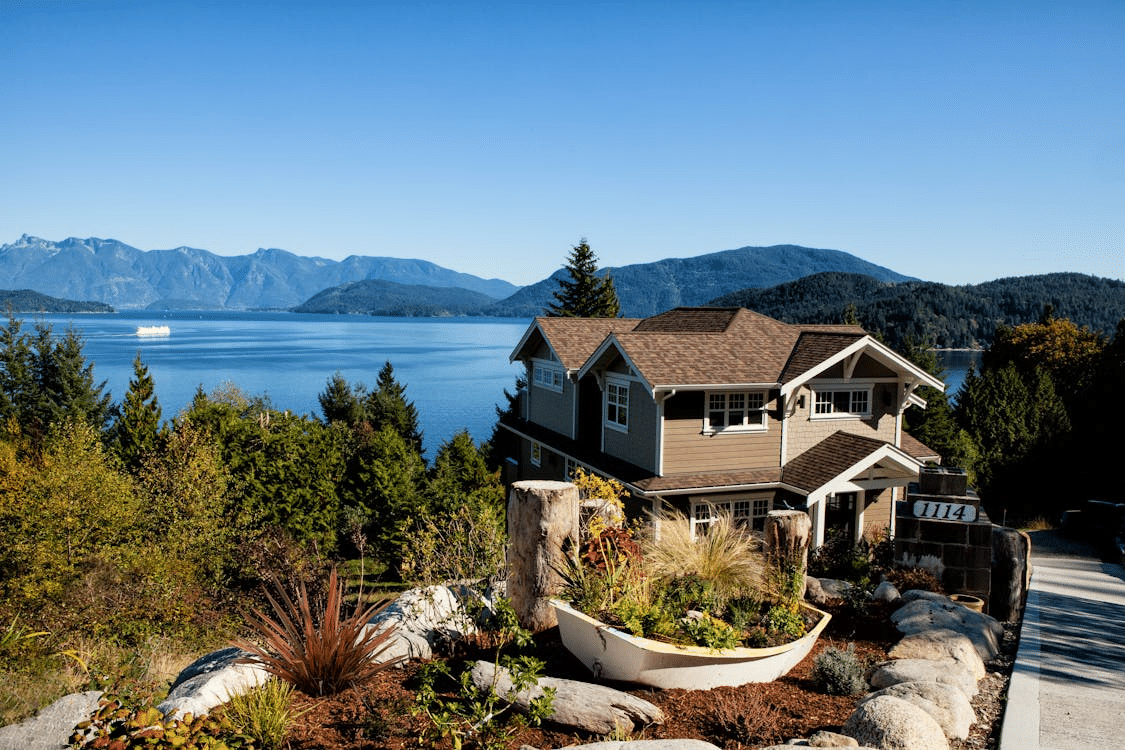

A home represents stability, comfort, and long-term investment, yet its safety depends on layers of protection that often go unnoticed until something fails. From the roof down to structural supports, each component works together to shield occupants from weather, moisture, and gradual wear.
Proper protection reduces the likelihood of costly repairs while preserving interior comfort and property value. Homeowners who understand how these systems function tend to make more confident maintenance decisions. Attention given early often prevents disruption later.
Understanding Your Home’s First Line of Defense
The exterior envelope of a home acts as a buffer between indoor spaces and unpredictable elements. Walls, windows, and roofing materials work together to block moisture intrusion and regulate temperature. When one element weakens, pressure shifts to others, creating vulnerabilities that spread quietly.
Climate plays a significant role in determining how much stress a home endures each year. Heat, heavy rain, and strong winds gradually test materials, even when no immediate damage is obvious. Homes located in coastal or storm-prone areas experience faster material fatigue.
Protection begins with routine evaluation rather than emergency response. Visual checks, seasonal assessments, and professional reviews keep small issues from escalating. A home that receives consistent attention maintains its protective integrity far longer than one addressed only during crises.
The Role Roofing Plays in Structural Stability
A roof does more than cap a house. It distributes weight, directs water, and shields structural framing from exposure. When roofing materials deteriorate, moisture can reach underlying layers, weakening supports and insulation. This type of damage often develops slowly, making early detection valuable. Sound roofing keeps the entire structure balanced and secure.
Material choice affects durability and performance under stress. Shingles, tiles, or metal systems respond differently to heat and wind loads. Selecting materials suited to regional conditions improves longevity and reduces maintenance frequency.
Regular roof assessments reveal subtle signs like lifted shingles or soft spots. Addressing these indicators preserves structural integrity and reduces strain on interior systems. Roofing care supports the entire home, not just the exterior appearance.
Weather Resistance and Long-Term Durability
Weather exposure challenges a home daily, even during calm seasons. Sunlight degrades surfaces, rain tests drainage paths, and wind applies constant pressure. Protective design ensures these forces are redirected safely away from vulnerable areas. Homes built or maintained with weather patterns in mind remain resilient longer.
Moisture control stands out as a major factor in durability. Water that lingers or infiltrates hidden spaces promotes rot and mold growth. Proper flashing, sealing, and ventilation reduce moisture buildup while supporting airflow. These features quietly extend the lifespan of materials throughout the structure.
Homeowners seeking reliable solutions often turn to professionals familiar with regional demands. Choosing experienced providers like Tampa residential roofing services connects property owners with expertise tailored to local weather challenges. This approach supports durability through informed material choices and proper installation practices.
Preventive Maintenance as a Protective Strategy
Maintenance acts as an ongoing defense rather than a one-time task. Scheduled upkeep identifies wear before it disrupts daily life or compromises safety. Small interventions cost less and preserve materials that might otherwise require full replacement. A consistent maintenance plan strengthens every protective layer of a home.
Many protective tasks follow a predictable rhythm tied to seasons. Clearing debris, checking seals, and reviewing drainage systems align with environmental changes. These actions reduce stress on structural components during peak weather periods. Maintenance becomes a routine habit rather than an urgent reaction.
Effective prevention often includes attention to multiple areas at once. Homeowners benefit most when they approach protection as a system rather than isolated fixes. This mindset supports stability across the entire property.
Key Areas Homeowners Should Regularly Review
Certain areas demand closer attention due to their exposure or function. Consistent review helps homeowners stay ahead of damage patterns that develop quietly. A practical review routine often includes the following focus points:
- Roof surfaces and flashing for lifting or gaps
- Gutters and downspouts for blockages or sagging
- Exterior walls and joints for cracks or discoloration
- Attic ventilation and insulation conditions
Each of these areas influences how well the home resists moisture and temperature shifts. Neglect in one location often leads to strain elsewhere. Regular review keeps protective systems balanced and responsive.
Combining observation with timely action builds confidence in a home’s condition. Homeowners who understand what to watch for feel more prepared to protect their investment.
Professional Support and Informed Decisions
Expert guidance adds clarity when protection needs extend beyond basic upkeep. Professionals bring trained eyes that spot issues homeowners may overlook. Their recommendations often prevent misdirected repairs or incomplete fixes. Informed decisions rely on accurate assessment rather than assumption.
Working with qualified specialists supports better long-term outcomes. Experienced contractors understand material behavior, local regulations, and installation standards. Their insight helps homeowners prioritize repairs that strengthen protection rather than cosmetic changes.
Partnership with trusted professionals transforms protection into a strategic process. Homes benefit from tailored solutions rather than generic fixes. Knowledge shared through these collaborations empowers homeowners to maintain safety with confidence.

Proper protection shapes how a home performs across years of use and exposure. Each layer, from roofing to ventilation, contributes to stability and comfort when maintained thoughtfully.
Preventive attention reduces unexpected costs while preserving structural strength. Homeowners who invest in understanding and supporting these systems create living spaces that endure changing conditions with resilience and reliability.

Tommy Hardy, an alumnus of the Georgia Institute of Technology with a degree in Mechanical Engineering, has been a go-to figure in residential upkeep and innovation for over 18 years. His career commenced in a leading home appliance manufacturing company, where he mastered the intricacies of household systems. Joining our platform in 2020, Tommy quickly became a reader favorite for his practical and easy-to-follow guides. He took the helm of our DIY section in 2019, consistently delivering content that empowers homeowners. Beyond his professional pursuits, Tommy is a passionate gardener and enjoys woodworking, skills enhancing his hands-on approach to home care.