
Installing a solar panel system can be a smart long-term investment for your home. With the right system in place, you can generate clean, renewable electricity for years to come while reducing your energy bills. For many homeowners, these fixtures offer a practical way to take more control over rising energy costs while contributing to a more sustainable future.
However, choosing the wrong system can lead to unnecessary expenses and disappointing performance. Factors such as efficiency, durability, and system size can make a big difference in how well your setup works for your home.
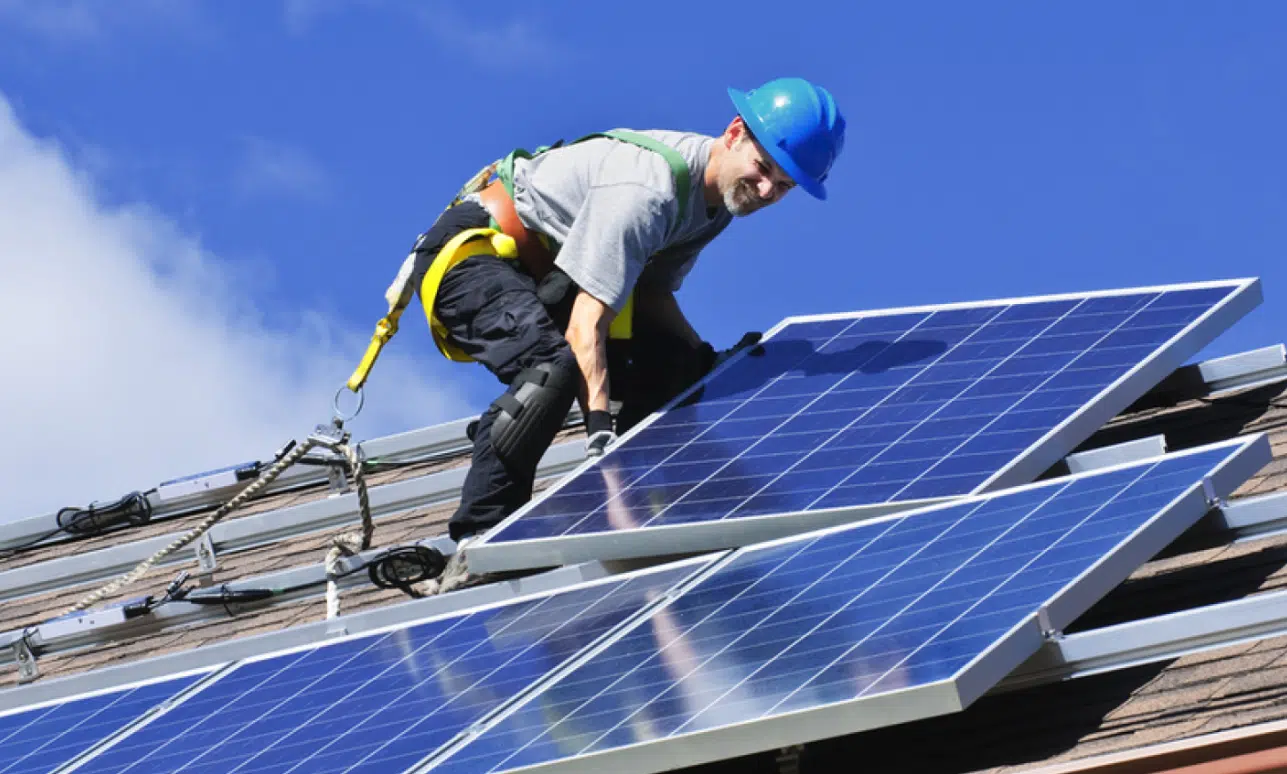
If you want your investment to pay off over time, choose durable solar panels. These systems are designed to sit outside for decades, facing everything from strong sunlight and heavy rain to wind, snow, and temperature changes.
High-quality materials can handle these conditions without losing performance. They continue producing steady amounts of electricity year after year. This helps you get the most value from your system and keeps your energy savings consistent. No one wants to deal with frequent repairs or replacements, especially when you mount your fixtures on a roof or in hard-to-reach areas.
Keep reading to explore the key buying considerations when choosing your panels, so you can find a system that suits your home, energy needs, and budget.
How Many to Buy
One of the key things to think about when buying solar panels online is how many panels you need. The right number depends largely on how much electricity your household uses and how much roof space is available for installation. Finding the right balance is important because a system that’s too small may not generate enough power to make a difference, while one that’s too large could mean paying for more capacity than you’ll realistically use.
System size is usually measured in kilowatt peak (kWp), which refers to the maximum amount of electricity the system can produce under ideal conditions. For many homes, installations are commonly around 4kWp, although the ideal setup varies from one household to another.
What’s Their Purpose?
Before installing your system, think about what you want it to achieve. While generating electricity is the main goal, different households have different reasons for making the switch. Understanding your motivation early on can help you choose the right system size, features, and setup for your needs. People often invest in this technology for a variety of reasons, such as:
- Powering an electric vehicle with clean, home-generated energy.
- Protecting themselves from future increases in electricity prices.
- Lowering their environmental impact and living more sustainably.
- Making use of the electricity their home produces during the day.
- Reducing dependence on energy from the grid.
In the past, some homeowners viewed these systems mainly as a way to earn money through incentives or energy exports. Today, many buyers are more focused on energy independence and long-term stability. Even if the financial return isn’t the main motivation, generating your own electricity can still lead to lower household bills over time. In some cases, it may even add value to the property, as future buyers could benefit from the reduced running costs of having renewable energy.
Direct Sunlight: Yes or No?
A common question people ask is whether solar panels only work when the sun is shining directly on them. The good news is that they can still generate electricity even on cloudy days or during the winter months. This is because the technology captures energy from photons, which are present in both direct and indirect sunlight. Of course, output is usually higher when the sky is clear and the sun is strong, but overcast conditions don’t stop the system from producing power altogether. The only time electricity isn’t generated is at night, when there’s no sunlight available.
Compatibility
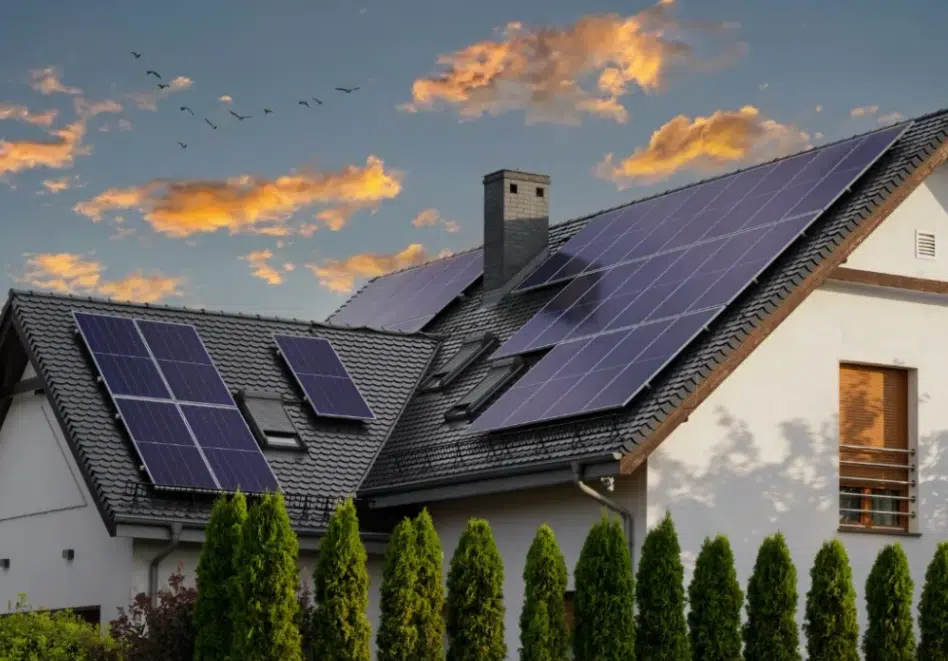
Before installing a solar setup, check whether your home is a good fit for it. Several factors can influence how much energy your setup will produce, so take a closer look at your roof and location.
- Location: Homes in sunnier regions generally receive more solar energy than those further north.
- Roof angle: A slope of around 30–40 degrees is best for capturing sunlight.
- Shading: Trees, chimneys, or nearby buildings can block sunlight and reduce energy output.
- Roof direction: South-facing roofs typically perform best, while east- or west-facing ones may generate slightly less power.
- Available space: A typical household system needs around 20 square metres of roof area.
Finding a Good Installer
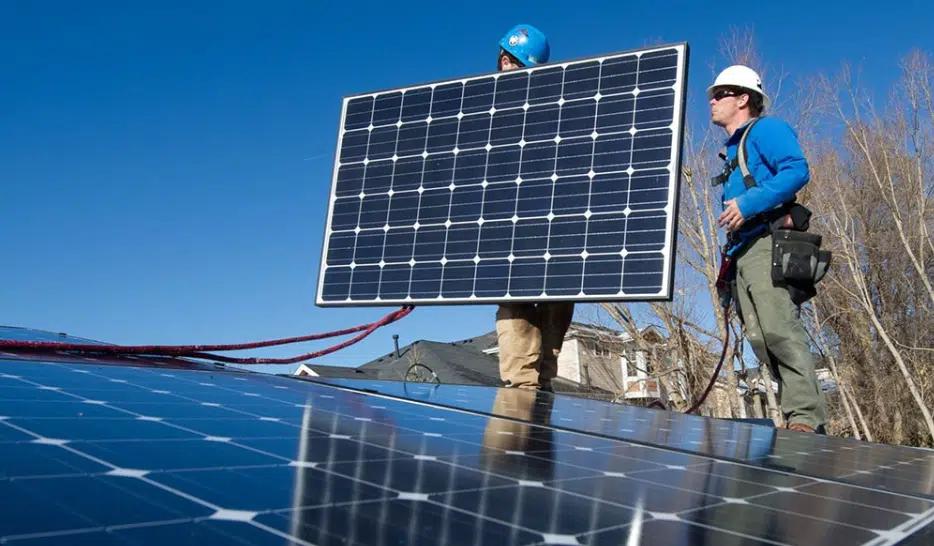
Choosing the right installer is just as important as selecting the system itself. It’s a good idea to speak with several companies and request a few different quotes before making a decision. This gives you a clearer picture of typical prices in your area and helps you understand what’s included in
each proposal. When reviewing offers, look closely at the details rather than just the final cost. A reliable installer should provide a clear breakdown of the equipment, installation work, and estimated energy savings. If any projections seem unusually high or unrealistic, ask questions and make sure the numbers are properly explained before moving forward.
What Should You Do?
Before the installer arrives, check local rules, confirm certifications, and gather details about your home’s energy use. During the visit, make sure a qualified surveyor assesses your roof, measures angles, notes shading, and discusses cable placement.
After the visit, carefully review the detailed quote, ensuring it covers all costs, warranties, and estimated savings. Ask about who will handle the installation, ongoing maintenance, and whether any guarantees are included. Don’t feel rushed or pressured into a decision. Reputable companies won’t push you to sign on the spot or offer unrealistic time-limited deals.
Different Types
What are the different solar panel types? When it comes to choosing a system for your home, most people go with a photovoltaic setup, which converts sunlight into electricity through layers of conductive material, usually silicon. Monocrystalline panels are the most popular choice. They’re highly efficient, space-saving, and last for decades, performing well even in low light. Thin-film options are lighter, flexible, and cheaper, making them suitable for alternative uses like caravans or boats, though they’re less efficient. Hybrid PV panels combine electricity and heat generation, but they’re still new and need specialist installation.
Polycrystalline options are less common in the UK now. They’re affordable and long-lasting, but less efficient, and they struggle in extreme heat. While most systems sit on top of your roof, options like solar tiles or bifacial panels can offer a sleeker look or capture sunlight from both sides, though these often come with a higher price tag or specific installation requirements.

Tommy Hardy, an alumnus of the Georgia Institute of Technology with a degree in Mechanical Engineering, has been a go-to figure in residential upkeep and innovation for over 18 years. His career commenced in a leading home appliance manufacturing company, where he mastered the intricacies of household systems. Joining our platform in 2020, Tommy quickly became a reader favorite for his practical and easy-to-follow guides. He took the helm of our DIY section in 2019, consistently delivering content that empowers homeowners. Beyond his professional pursuits, Tommy is a passionate gardener and enjoys woodworking, skills enhancing his hands-on approach to home care.