
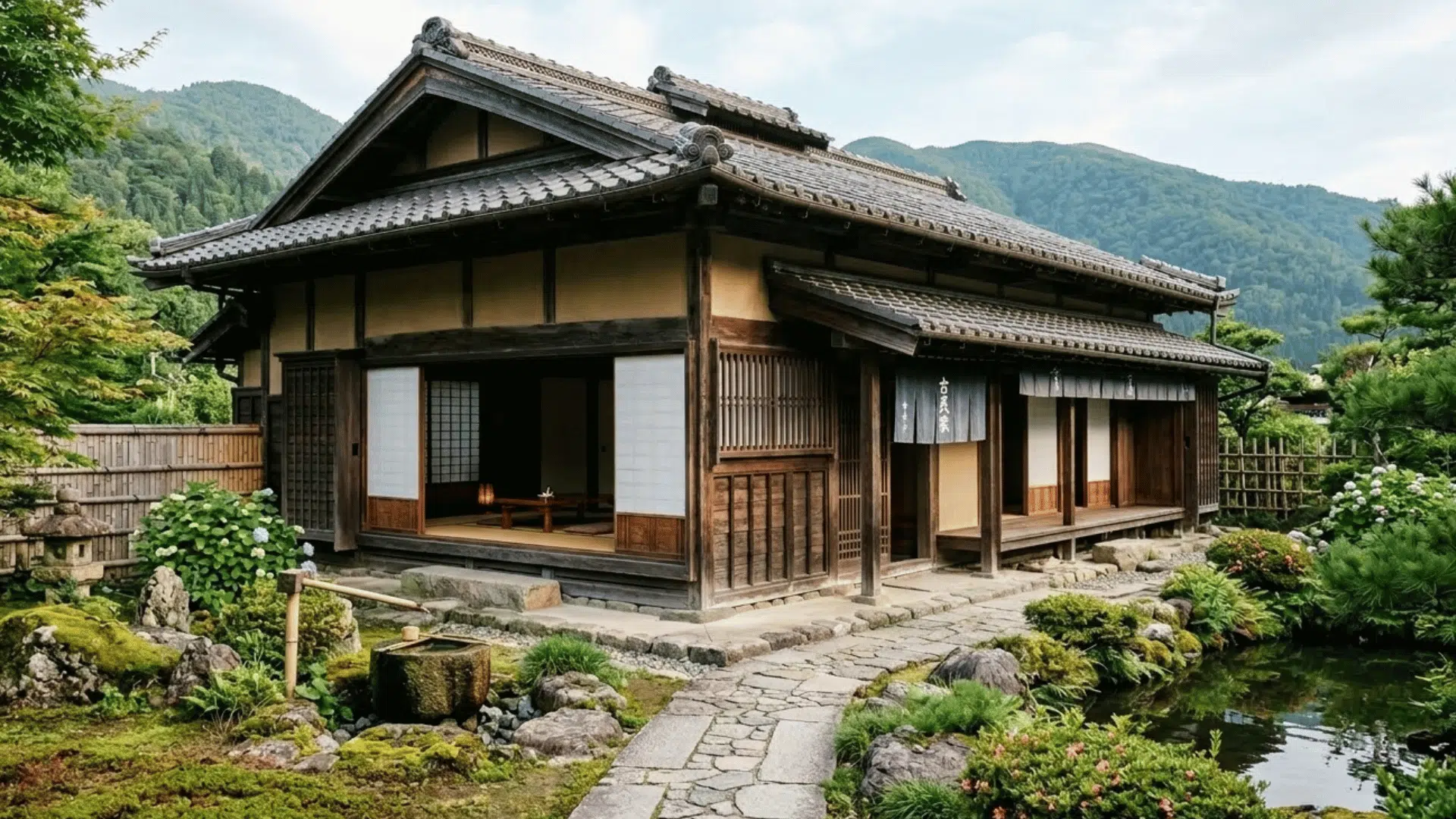

A traditional Japanese home feels calm the moment you step inside. Nothing feels extra or out of place, as every detail is carefully designed with purpose.
These homes are not just about design but reflect a way of living that values comfort, mindfulness, and harmony in daily life.
Natural light, clean layouts, and minimal furniture all work together to create a relaxing environment.
This blog explains the main features, layout, and easy ideas you can use to bring this calm, simple style into your home.
What is a Traditional Japanese Home?
A traditional Japanese home is built around simplicity and purpose, with every element serving a clear role. It avoids clutter and focuses on clean, open spaces that feel light and easy to move through.
Natural materials like wood and paper are commonly used, helping the home feel warm and connected to nature. The layout is designed to be flexible, allowing rooms to change based on daily needs.
Fresh air is important, so spaces are often open and airy. Furniture is kept minimal and low to the ground, which helps maintain a sense of openness.
Overall, these homes are designed to feel balanced and never crowded, making them both practical and peaceful for everyday living.
Key Features of Traditional Japanese Homes
These features give traditional Japanese homes their unique look and peaceful feel, combining simple design with practical use of space and natural elements.
1. Tatami Mat Flooring

Tatami mats are soft, woven floor coverings commonly used in traditional Japanese homes. Made from straw and covered with woven grass, they feel comfortable underfoot and are ideal for sitting or sleeping.
These mats also help define the size and layout of a room, as the number of tatami mats often determines the size of a space. Their natural texture adds warmth and a grounded feel to the home.
Beyond their functional purpose, tatami mats create a calm, simple environment that supports daily living without the need for heavy furniture or decoration.
2. Sliding Doors (Shoji And Fusuma)

Sliding doors are a key feature in traditional Japanese homes, replacing bulky hinged doors. Shoji doors are made from thin paper that allows soft light to pass through, gently brightening the space.
Fusuma panels, on the other hand, are solid and used for privacy. These sliding panels make it easy to open or divide rooms as needed.
They also save space and improve movement within the home. This flexible setup allows rooms to serve different purposes throughout the day without feeling restricted or crowded.
3. Entryway (Genkan)

The genkan is the entry area of a traditional Japanese home and serves both practical and cultural purposes. It is slightly lower than the main floor, creating a clear space to remove shoes before entering.
This helps keep the inside clean and organized. The genkan also acts as a transition zone between the outside world and the peaceful indoor space.
It encourages a mindful shift when entering the home. This small yet important feature reflects the focus on cleanliness, respect, and order in everyday living.
4. Wooden Veranda (Engawa)

The engawa is a narrow wooden walkway that runs along the edge of the house, connecting indoor and outdoor spaces. It acts as a buffer between the interior rooms and the garden.
This area is often used for sitting, relaxing, or enjoying the fresh air. The engawa allows natural light to enter while maintaining a sense of openness.
It also helps create a smooth flow between the home and nature. This connection makes the space feel more open and peaceful, adding to the overall calm atmosphere.
5. Minimal Furniture Setup

Furniture in traditional Japanese homes is kept low and simple to maintain an open space. Instead of chairs, floor seating is commonly used, along with low tables for daily activities.
Futons are used for sleeping and can be folded away during the day, freeing up space. This approach keeps rooms flexible and easy to use for different purposes.
With fewer items in the room, the space feels less crowded and more organized. The focus is on comfort and function without adding unnecessary elements.
Materials Used in Japanese Homes
Natural materials play a big role in traditional Japanese homes. They help create a warm and grounded feel while keeping the design simple and practical.
| Material | Use at home | Why It Matters |
|---|---|---|
| Wood | Structure, flooring, and frames | Adds warmth and keeps the space natural |
| Paper | Sliding doors and screens (Shoji) | Softens light and keeps rooms bright |
| Bamboo | Accents, decor, and small structures | Lightweight and brings a natural touch |
| Clay & Plaster | Walls and finishes | Helps regulate temperature and texture |
| Stone | Foundations, pathways, and gardens | Adds durability and blends with nature |
| Straw (Tatami) | Flooring mats | Provides comfort and defines room layout |
Simple Ways to Bring Japanese Style Into Your Home
You don’t need a full redesign to bring Japanese style into your home. Small, simple changes can create a calm and balanced space.
- Use Sliding Panels To Save Space And Add Flexibility: Replace traditional doors with sliding panels where possible. They take up less space and make it easier to open or divide rooms as needed.
- Choose Low Furniture For A Grounded Feel: Opt for low tables, floor seating, or simple beds. This helps create an open look and makes the room feel more relaxed and spacious.
- Keep Rooms Clean and Free from Clutter: Focus on keeping only what is needed in each space. A clean and open room feels lighter and more comfortable to live in.
- Add Indoor Plants To Bring Nature Inside: Simple plants can make a big difference. They add freshness and create a closer connection to the outdoors.
- Use Natural Materials For A Warm Look: Choose materials like wood, bamboo, or cotton. These add a soft, natural feel to your space without making it feel heavy.
Conclusion
A traditional Japanese home is built around calm and mindful living, where every element serves a clear purpose. The focus is on using space wisely while keeping the overall design simple and uncluttered.
Features like tatami mats, sliding doors, and minimal furniture all work together to support comfort and ease in daily life. These homes show that you don’t need many items to create a peaceful space.
The idea is not to fill every corner but to keep only what truly adds value, helping create a space that feels relaxed, practical, and easy to live in every day.

With a Master in Architectural Studies from University of Pennysylvania, Marwa Haydar has pioneered living spaces since 2005. Her expertise, initially honed in a prestigious architectural firm, is evident in her approach to creating environments. Marwa became part of our team in 2019 and has since been a driving force in our home improvement section, known for her practical yet stylish solutions. She’s been spearheading our design workshops since then, infusing her passion for teaching into her work. In her leisure time, Marwa enjoys exploring historic architecture and is an enthusiastic pottery hobbyist, further enriching her understanding of form and texture.


