
Interior wall treatments influence both function and appearance.
Among these options, wainscoting remains a widely used feature in residential and commercial spaces.
The term often appears in design discussions, yet its meaning and purpose are not always clearly explained.
In simple terms, wainscoting refers to decorative wall paneling installed on the lower portion of a wall. Its role extends beyond decoration, offering practical benefits while shaping how a room feels and functions.
This article explains what wainscoting is, clarifies the meaning of wainscoting in interior design, outlines its purpose, and explains the key rules that influence proper placement.
Common types, height guidelines, and decision factors are also covered to provide a complete and practical overview.
What is Wainscoting?
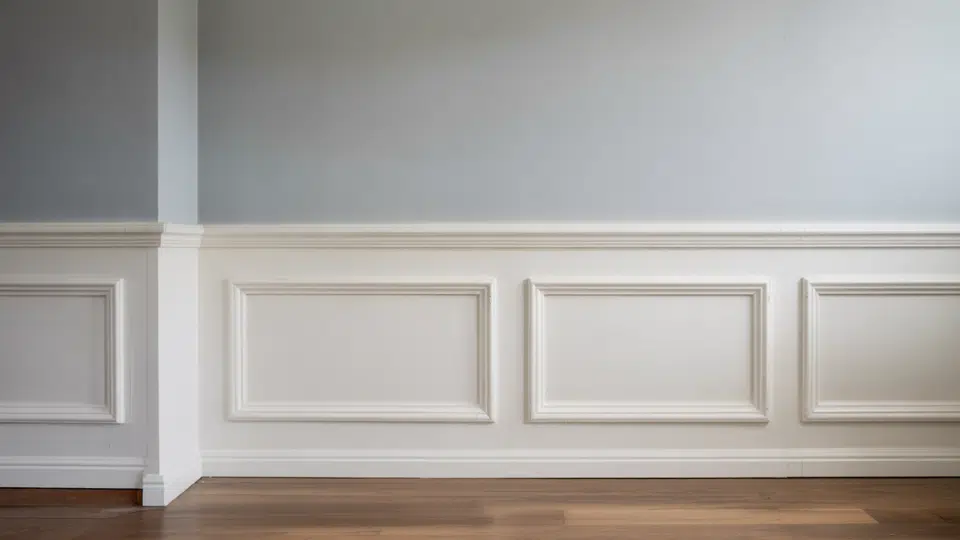
Wainscoting is a form of wall paneling applied to the lower section of interior walls.
Traditionally, it covers the area from the floor up to a specific height, leaving the upper wall surface painted, wallpapered, or finished differently.
The panels may be made from wood, medium-density fiberboard, plywood, or other manufactured materials.
Unlike full wall paneling, wainscoting does not extend from floor to ceiling.
Its defining feature is partial wall coverage, often finished with a horizontal trim piece called a chair rail or cap molding.
This separation creates a visual break that adds structure to otherwise flat walls.
Wainscoting appears in dining rooms, hallways, staircases, bathrooms, and living spaces.
While it originated as a functional solution, it now serves both practical and visual roles in modern interiors.
Wainscoting is pronounced as: “WAYN-skuh-ting.”
Example sentence: “The hallway features classic white wainscoting.” |
What is the Purpose of Wainscoting?
Wainscoting serves both functional and visual roles in interior spaces. Its use is not limited to decoration and continues for practical reasons.
Wall protection: Shields the lower portion of walls from scuffs, dents, and everyday wear caused by furniture and foot traffic.
Visual structure: Breaks up large wall surfaces, helping rooms feel more balanced and proportionate, especially in taller spaces.
Adds durability: Provides a stronger surface finish in high-use areas such as entryways, hallways, and dining rooms.
Architectural definition: Supports different interior styles by adding depth and detail without covering the entire wall.
Wainscoting Meaning in Interior Design: The History
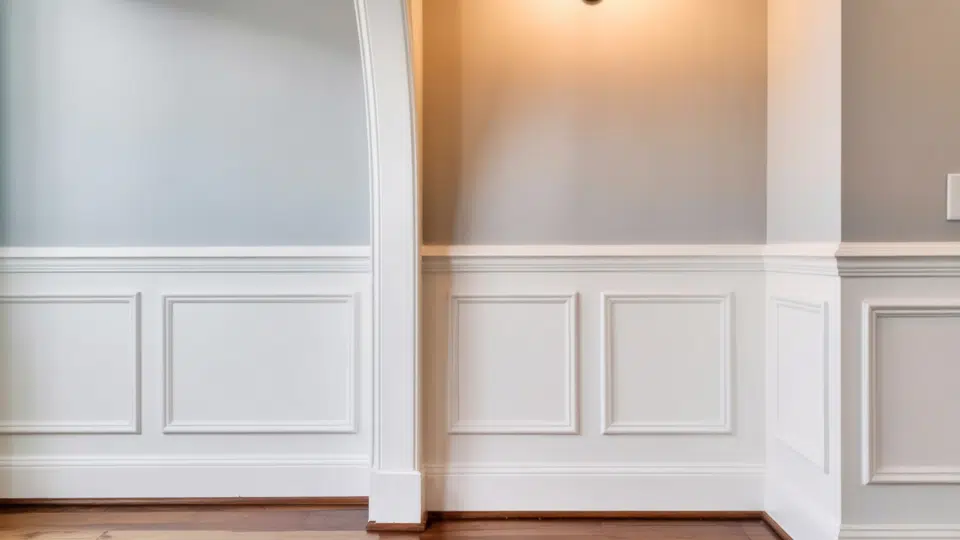
The meaning of wainscoting has evolved over centuries.
Historically, it referred to wooden paneling made from oak, often imported from European forests.
These panels insulated stone walls and protected interiors from moisture and cold.
Over time, the meaning shifted from purely functional use to a combination of function and visual order.
In modern interior design, wainscoting represents a structured approach to wall treatment. It emphasizes proportion, balance, and surface durability rather than insulation.
Today, the term describes a category of wall paneling styles rather than a single material or technique.
Wainscoting’s meaning is tied to how space is organized visually and how surfaces are reinforced in areas subject to frequent contact.
What is the Golden Rule for Wainscoting?
The golden rule for wainscoting centers on proportion.
“The height and layout should relate logically to the overall wall height and surrounding architectural elements.”
A commonly followed principle is maintaining balance between the lower and upper wall sections.
Wainscoting should neither overpower the wall nor appear too shallow. The visual weight must feel evenly distributed.
Alignment is another essential rule. Panel tops, trim lines, and rails should align with doors, windows, and existing molding wherever possible.
Misalignment can disrupt visual flow and make the installation appear unplanned.
Consistency across connected spaces is also important.
When wainscoting appears in adjacent rooms or hallways, maintaining similar height and style helps create continuity.
Symmetry plays a key role as well. Panel spacing and layout should be even, avoiding irregular gaps that draw attention for the wrong reasons.
Following these principles ensures that wainscoting complements the space rather than competing with it.
Wainscoting Standard Height and Placement
Wainscoting height should stay proportional to the wall and ceiling height. Balance is the most important rule.
Standard height range: Most installations fall between one-quarter and one-third of the total wall height.
Rooms with eight-foot ceilings: A height of 32 to 36 inches is commonly used and aligns well with furniture and trim.
Rooms with taller ceilings: Heights of 42 inches or more can work when needed to maintain visual balance.
Make sure that the alignment with features that the panel tops should not cut across window sills or door casings. Trim lines should connect naturally with existing elements.
Do not place the panels too low to reduce visual impact, while panels placed too high can overwhelm the space.
Types of Wainscoting
Different wainscoting styles suit different spaces and design goals. The choice often depends on the desired level of detail and the overall interior style.
1. Raised Panel Wainscoting
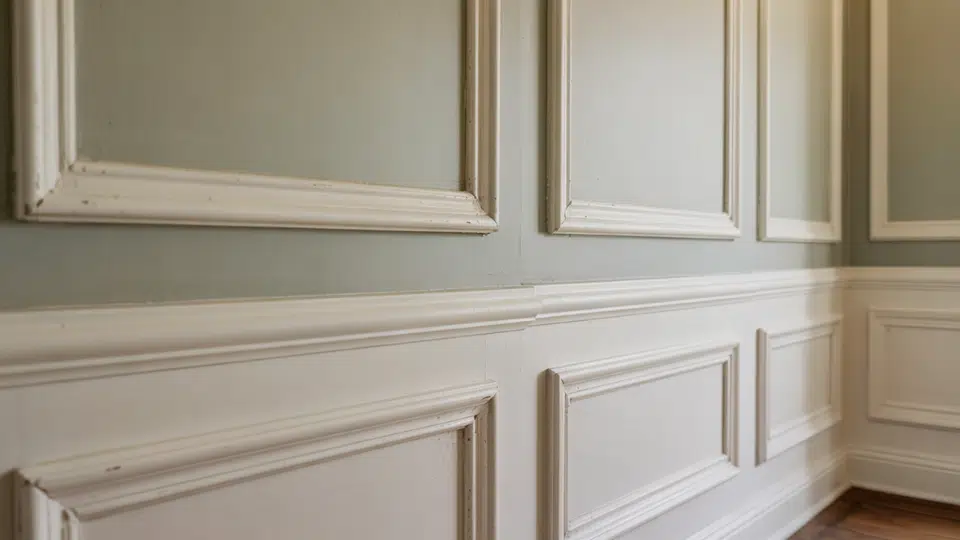
Raised panel wainscoting features panels with a beveled or contoured center that projects outward. This style is commonly associated with traditional interiors and formal rooms.
It works well in dining rooms, studies, and entryways where detailed millwork complements existing trim and molding.
2. Flat Panel Wainscoting
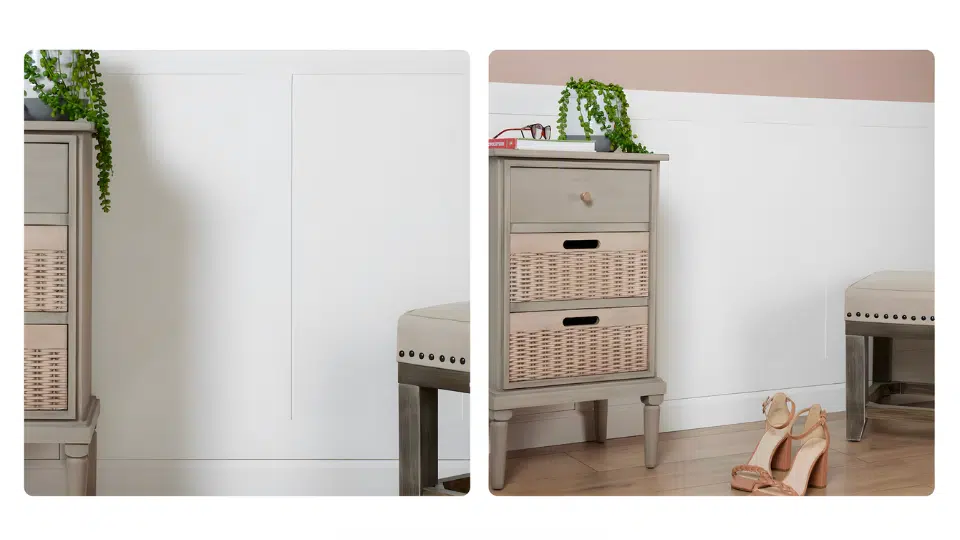
Flat panel wainscoting uses recessed or flush panels with clean lines. The appearance is more restrained, making it suitable for modern and transitional interiors.
This style is often used in living rooms, bedrooms, and hallways where a simple, structured look is preferred.
3. Beadboard Wainscoting
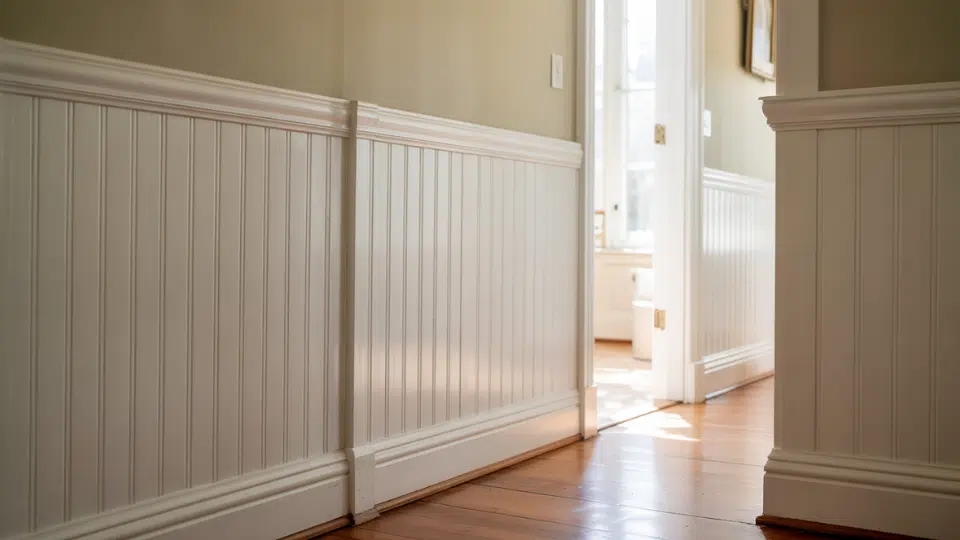
Beadboard consists of narrow vertical planks with evenly spaced grooves. It adds texture without heavy detailing.
Bathrooms, kitchens, and mudrooms commonly feature beadboard due to its casual appearance and practical surface coverage.
4. Board and Batten Wainscoting
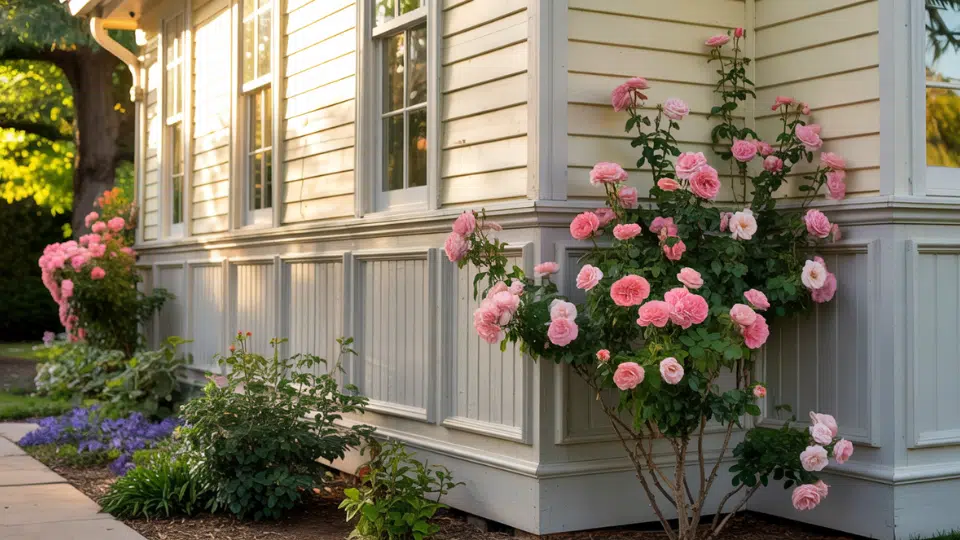
Board and batten wainscoting uses wide vertical boards separated by narrow battens. The result is a strong vertical emphasis.
This style works well in spaces that benefit from added height emphasis, such as staircases or rooms with lower ceilings.
Is Wainscoting Right for Your Space?
Determining whether wainscoting suits a space depends on several factors.
Room size plays a significant role. Smaller rooms can benefit from the added structure, but overly detailed panels may feel heavy if not scaled properly.
Lighting conditions also matter. Natural and artificial light influence how shadows fall across panels and trim.
Adequate lighting helps highlight panel depth without creating harsh contrast.
Style compatibility should be evaluated carefully. Wainscoting should complement existing finishes, flooring, and architectural elements.
Mismatched styles can create a visual disconnect.
Maintenance considerations are also relevant. Painted panels may require periodic touch-ups, especially in high-traffic areas.
Material choice influences durability and upkeep.
In some cases, wainscoting may not be suitable, such as in spaces with irregular wall shapes or extensive built-in features that limit consistent placement.
Conclusion
Wainscoting serves both functional and visual purposes in interior spaces.
Defined as partial wall paneling, it protects walls, adds structure, and supports balanced design.
Its value lies in proportion, placement, and consistency rather than ornament alone.
When installed at the right height and aligned with existing architectural features, it adds structure without overwhelming the space.
With multiple styles available, the final result depends on choosing a layout that fits the room’s scale and purpose.
Thoughts or experiences related to wainscoting placement or style choices are welcome in the comments section.
Frequently Asked Questions
Is Wainscoting Outdated?
Wainscoting Remains Widely Used in Modern Interiors. Its Relevance Depends on Panel Style, Proportion, and How Well It Integrates with the Overall Design.
Can Wainscoting Be Used in Small Rooms?
Yes, Wainscoting Can Work in Small Rooms when Scaled Correctly. Simple Panel Styles and Appropriate Height Help Avoid a Crowded Appearance.
What Materials Are Used for Wainscoting?
Common Materials Include Solid Wood, Mdf, Plywood, and Pvc. The Choice Depends on Budget, Moisture Exposure, and Desired Finish.
Does Wainscoting Add Value to a Home?
Well-installed wainscoting can enhance visual appeal and perceived quality, which may contribute positively to overall property value.

With a Master in Architectural Studies from University of Pennysylvania, Marwa Haydar has pioneered living spaces since 2005. Her expertise, initially honed in a prestigious architectural firm, is evident in her approach to creating environments. Marwa became part of our team in 2019 and has since been a driving force in our home improvement section, known for her practical yet stylish solutions. She’s been spearheading our design workshops since then, infusing her passion for teaching into her work. In her leisure time, Marwa enjoys exploring historic architecture and is an enthusiastic pottery hobbyist, further enriching her understanding of form and texture.