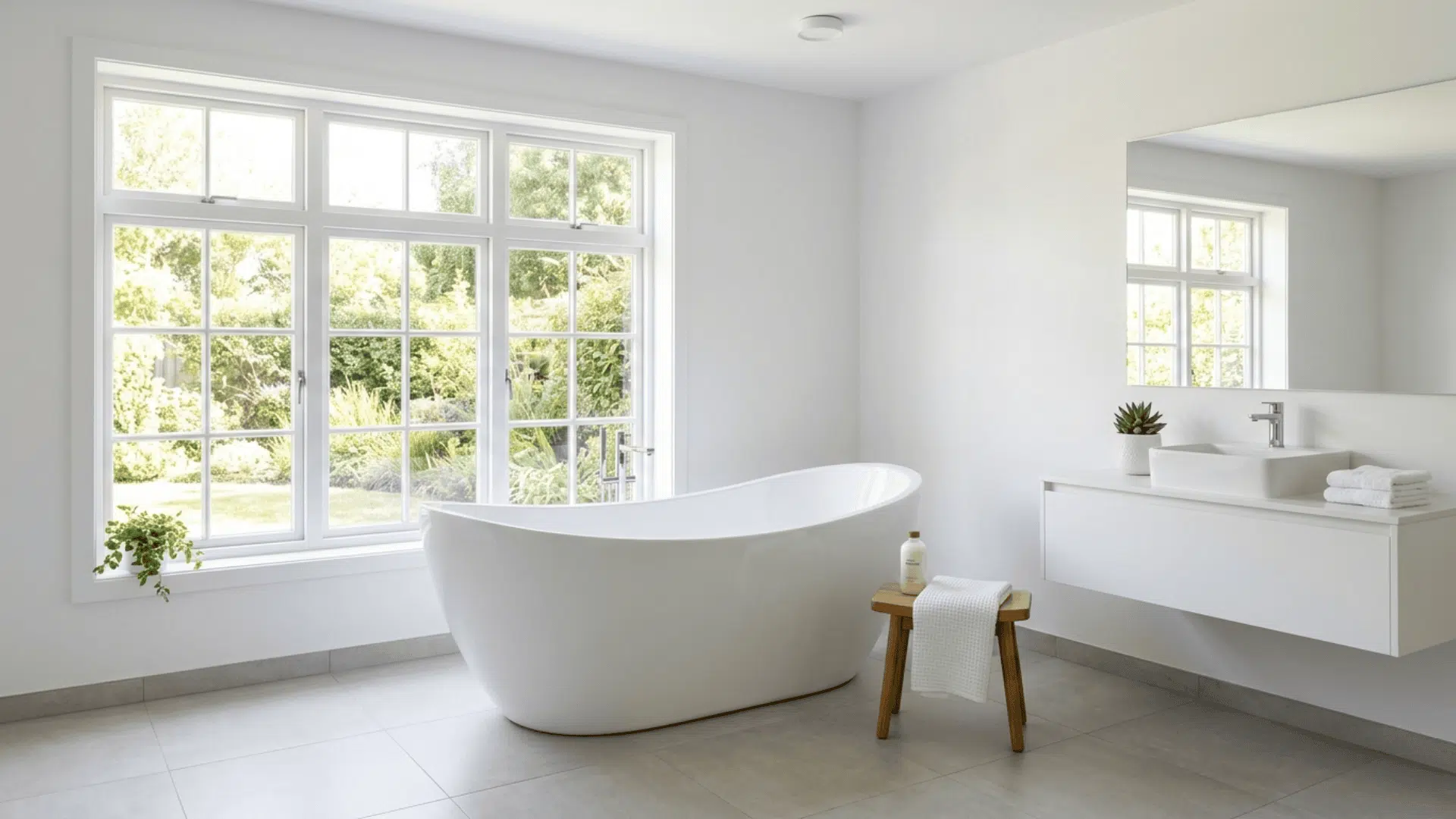

The term “garden tub” often comes up in bathroom design, but its meaning can be confusing at first. Despite the name, it has nothing to do with outdoor spaces or gardens.
So, what is a garden tub, and how is it different from a standard bathtub?
In this blog, you’ll find what defines a garden tub, how it is used, and what makes it a popular choice in modern bathrooms. By the end, you’ll have a clear idea of whether this type of tub fits your space and lifestyle.
What is a Garden Tub?
A garden tub is a large, deep bathtub built with one clear purpose: soaking. Unlike a standard tub, it is wider, deeper, and designed to allow full-body immersion.
It is typically installed as a freestanding unit or set into a built deck. The design gives it a strong presence in the bathroom rather than blending into the wall like a regular tub.
One thing worth noting: a garden tub does not usually include a shower. It functions as a standalone soaking fixture, separate from the shower area.
This makes it a deliberate choice for those who want a bathing space focused entirely on rest and comfort.
Key Features of a Garden Tub
A garden tub has specific characteristics that set it apart from a standard bathtub. These features focus on size, comfort, and the overall soaking experience.
- Larger and deeper than standard tubs; built to allow complete immersion without feeling cramped
- Designed strictly for soaking, a garden tub is not combined with a shower in most cases.
- Available in oval, round, or wide rectangular shapes, giving the tub a bold, open look
- Installed as freestanding or drop-in units, making it a focal point in the bathroom
- Requires a higher water capacity, meaning the water heater and plumbing need to support the volume
- Placed as a design centerpiece, a garden tub is often positioned in a way that draws attention in larger bathrooms
Types of Garden Tubs
Garden tubs come in several styles based on how they are installed and where they are placed. Each type suits a different bathroom layout and set of preferences, helping you better understand what a garden tub is in practical terms.
1. Freestanding Garden Tubs

A freestanding garden tub stands on its own without any wall or frame support. It can be placed anywhere in the bathroom, providing a lot of flexibility in positioning.
This type of garden tub tends to make a strong visual statement and works well in larger bathrooms with open floor space.
Since it is not attached to any wall, the water supply lines are typically routed through the floor. It is also easier to clean around compared to built-in options.
2. Drop-In Garden Tubs

A drop-in garden tub is set into a built platform or deck. The outer edges of the tub rest on the frame, giving it a neat, seamless finish.
This style suits those who want the garden tub to feel like a built-in part of the bathroom rather than a standalone piece.
The surrounding deck can also be used to keep bathing essentials within easy reach. It tends to suit bathrooms with a more structured or planned layout.
3. Corner Garden Tubs

A corner garden tub is designed to fit snugly into a corner. It makes good use of space in larger bathrooms and keeps the remaining space open.
This type is a suitable choice for those who want the soaking experience of a garden tub while keeping the rest of the floor area accessible.
The corner placement also gives the tub a naturally enclosed feel, which many find comfortable during a soak. It is a practical fit for bathrooms where layout efficiency matters.
4. Alcove Garden Tubs

An alcove garden tub is set between three walls, giving it an enclosed, snug feel. While less common than other types, this style of garden tub suits bathrooms where space is limited but soaking depth is still a priority.
The three-wall setup keeps the tub firmly in place and makes the surrounding area easier to manage. It offers a more contained setup without compromising on the core soaking function.
Garden Tub vs. Regular Bathtub
Understanding how a garden tub differs from a regular bathtub helps clarify its purpose, durability, and practicality. The two may look similar at first glance, but serve quite different functions.
| Aspect | Garden Tub | Regular Bathtub |
|---|---|---|
| Size | Larger and deeper; built for full-body soaking | Standard size, more compact |
| Purpose | Soaking and relaxation | Daily bathing and shower use |
| Installation | Freestanding or drop-in | Typically wall-mounted |
| Shower Option | Usually separate | Often combined with a shower |
| Water Usage | Higher due to greater depth and width | Lower |
| Common Materials | Acrylic, fiberglass, cast iron, stone resin | Acrylic, fiberglass, porcelain-coated steel |
| Heat Retention | Better in premium materials like cast iron and stone resin | Moderate, depending on the material |
| Cost Range | Medium to high, depending on the material and installation | Low to medium |
Common Mistakes to Avoid
Choosing a garden tub without proper planning can lead to practical issues later. Being aware of these common mistakes makes it easier to use and plan for a garden tub effectively.
- Assuming it fits in small bathrooms: A garden tub requires significant floor space and does not suit compact bathroom layouts without proper planning
- Ignoring higher water usage: Due to its depth and size, a garden tub uses considerably more water than a standard tub; the home’s water heater should be able to handle the volume
- Expecting a shower combination: A garden tub is built as a dedicated soaking fixture and does not typically include a shower; a separate shower unit is usually needed
- Not planning enough floor space: Beyond the tub itself, enough clearance around it is needed for safe and comfortable access from all sides
- Overlooking installation requirements: A garden tub is heavier and larger than a regular tub; the floor structure, plumbing, and drainage all need to be assessed before installation begins
Final Thoughts
A garden tub is more than just an oversized bathtub. It is a purpose-built soaking fixture designed for comfort, rest, and a more intentional bathing experience.
Understanding what a garden tub is makes it easier to decide whether it is the right fit for a bathroom.
From its size and depth to the material choices and installation types, each factor plays a role in how well it works in a given space.
For anyone planning a bathroom renovation or simply looking to learn more, knowing the basics of a garden tub helps make a well-informed choice in bathroom planning.

James McLaren, with a rich background in architecture from the University of Manchester, has been contributing his expertise to the world of creative construction and home innovation for over 20 years. His journey began as a project manager for a leading construction firm, where he honed his skills in bringing complex designs to life. James joined our platform as a freelancer in 2019, quickly becoming a favorite for his insightful and practical advice. He has been a pivotal force to our wing ever since, bringing our readers a blend of technical know-how and creative flair. Beyond his professional life, James is an avid woodworker and enjoys restoring vintage furniture, a hobby that complements his professional insights beautifully.