
If you are planning a bathroom update, you have probably found yourself searching, What is an alcove bathtub, and is it the right fit?
It is one of the most common tub styles found in homes, yet many people are unsure about what makes it different from other options.
An alcove bathtub is known for its simple design and space-saving setup, which makes it a practical choice for everyday use.
This guide explains everything in clear, easy-to-follow language. You will learn its key features, pros and cons, and how it compares to other popular bathtub types before making a decision.
What Is an Alcove Bathtub?
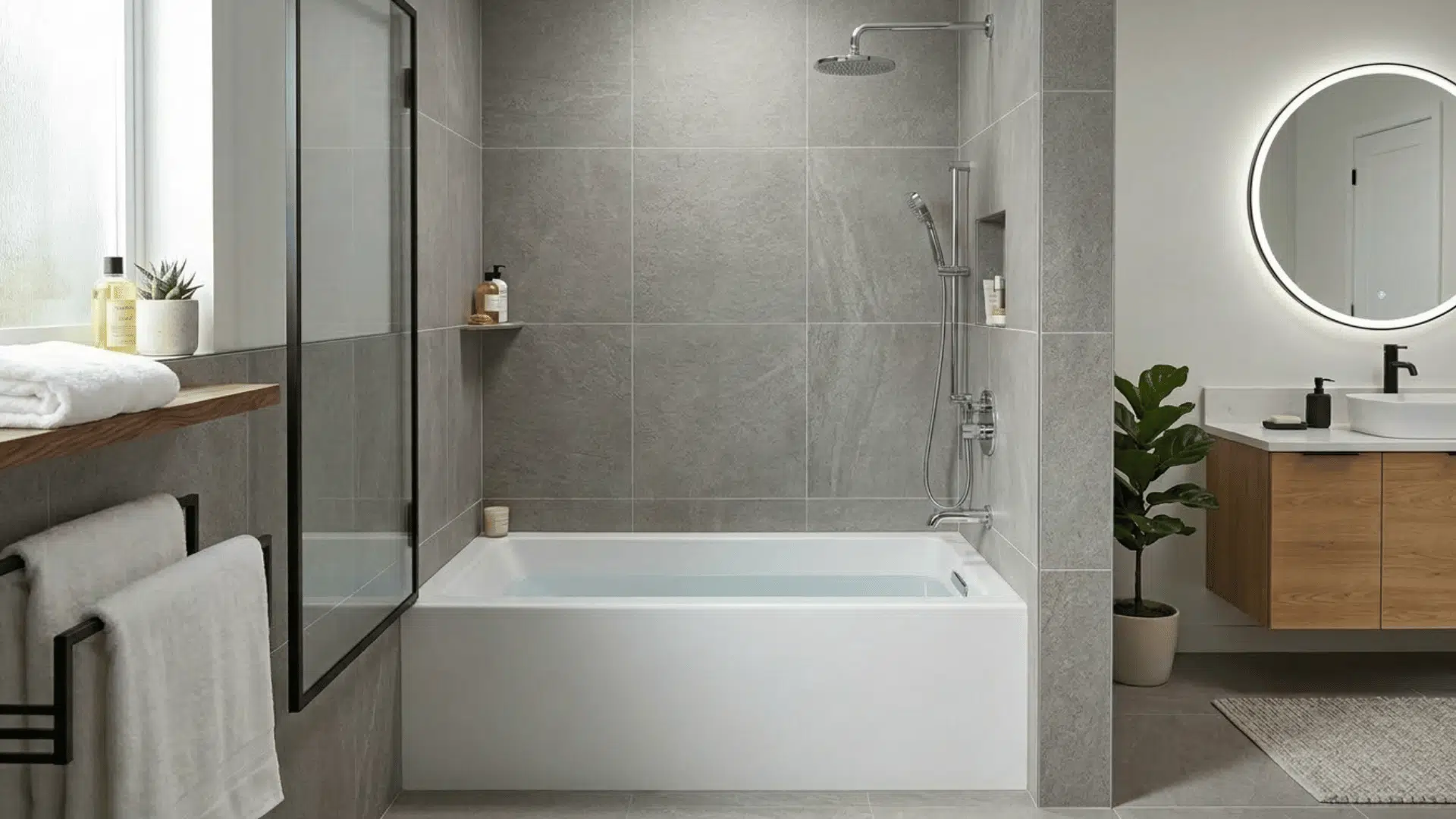
An alcove bathtub fits neatly between three walls, making it a practical choice for many homes. It features one open, finished side, usually at the front, which is known as the apron.
This design allows easy access while keeping the rest of the tub enclosed. Alcove bathtubs are commonly installed as part of a shower-and-tub combo, with the shower mounted above.
Because of their compact setup and simple installation, they are widely used in apartments, guest bathrooms, and standard residential spaces where saving space matters without sacrificing everyday functionality.
Key Features of Alcove Bathtubs

Alcove bathtubs are a popular choice because of their simple design and practical use. Here are the key features that make them a common fit for most bathrooms.
1. Space-Saving Design
A space-saving design is one of the biggest advantages of an alcove bathtub. It fits neatly between three walls, which helps us use every inch of available space efficiently.
This makes it a great option for small bathrooms where layout matters.
Instead of taking up extra room, it blends into the structure, allowing more open floor space and a cleaner, more organized setup overall.
2. Built-In Installation
A built-in installation makes alcove bathtubs easy to set up in most bathrooms. The tub is installed directly into a wall frame, which helps keep everything secure and aligned.
It is often paired with a shower, making it a practical two-in-one solution. This setup creates a clean and simple layout that works well for everyday use.
3. Budget-Friendly Option
Alcove bathtubs are known for being budget-friendly. They usually have a lower upfront cost than other tub styles.
Installation is also simple, helping reduce labor costs. This makes them a great option for quick bathroom upgrades without spending too much.
4. Standard Sizes Available
One of the biggest benefits of alcove bathtubs is their standard sizing. Most models are about 60 inches long, making them easy to fit into existing spaces.
This also makes replacing an old tub much easier. Since they are widely available in stores, finding the right option is usually quick and hassle-free.
Parts of an Alcove Bathtub and How They Fit Together
An alcove bathtub is made up of several parts, and each one plays a role in how the tub looks, functions, and holds up over time.
| Part | Description |
|---|---|
| Tub Basin | The main hollow shell where water collects and where a person bathes. |
| Apron or Front Panel | The finished front face that covers the underside of the basin. |
| Drain | Sits at the bottom of the basin and lets water flow out after use. |
| Overflow Plate | Prevents water from spilling over the edge if the tub overfills. |
| Faucet and Spout | Controls water flow into the tub from the wall or tub deck. |
| Tub Surround | The three enclosing walls are usually covered with tile or prefab panels. |
| Flange | A lip along the top edge that seals the tub against the walls. |
| Trip Lever or Stopper | Opens or closes the drain to hold or release water. |
Alcove Bathtub Vs Other Types
Comparing alcove bathtubs to other types helps you understand which option best fits your space, budget, and daily needs.
1. Alcove Vs Freestanding Bathtub

Freestanding bathtubs are designed to stand alone and often become the focal point of a bathroom. They are chosen more for their visual appeal and statement look.
On the other hand, alcove bathtubs prioritize practicality and everyday use, especially in homes with limited space and budget.
Here’s how They Compare:
- Space: Alcove bathtubs are ideal for tight spaces as they fit between three walls. Freestanding tubs need more open floor space and work better in larger bathrooms.
- Cost: Alcove tubs are generally more affordable, both in the unit and in installation. Freestanding tubs tend to cost more and may require additional plumbing adjustments.
- Style: Freestanding tubs have a bold, eye-catching look and are often used as a design feature. Alcove tubs have a simpler, more functional appearance that blends into the bathroom layout.
2. Alcove Vs Drop-In Bathtub

Drop-in bathtubs are installed inside a custom-built deck or frame, giving them a more tailored look.
Alcove bathtubs, in contrast, are simpler and designed to fit directly between three walls, making them easier to install and more practical for everyday use.
Here’s how They Compare:
- Installation: Alcove tubs are easier to install since they fit into a pre-framed space. Drop-in tubs require additional framing and finishing work.
- Cost: Alcove bathtubs are generally more budget-friendly. Drop-in tubs usually cost more due to the materials and labor required.
- Design: Drop-in tubs offer greater design and placement flexibility. Alcove tubs have a fixed structure with fewer customization options.
3. Alcove Vs Corner Bathtub

Corner bathtubs are designed to fit into a corner, often with a wider, deeper basin for a more relaxing soak. Alcove bathtubs are more compact and built for efficient use of space along a straight wall.
Here’s how They Compare:
- Placement: Alcove tubs fit along one wall between three sides, while corner tubs are placed where two walls meet.
- Space: Alcove bathtubs are great for saving space in smaller bathrooms. Corner tubs take up more room and are better suited for larger layouts.
- Use: Corner tubs are better for longer, more relaxed baths. Alcove tubs are more practical for daily use and shower combinations.
Who Should Choose an Alcove Bathtub?
An alcove bathtub works best for specific needs, especially when space and practicality matter. It is a smart choice for small to medium bathrooms where making the most of available space is important.
This type of tub also suits people looking for a budget-friendly option without the added complexity of installation costs.
It works well for those who need a combined shower and tub setup for daily convenience.
In many cases, it’s also a great fit for rental properties or resale upgrades, offering a clean, functional design that appeals to a wide range of buyers.
Installation and Maintenance Tips
A Few Simple Tips Can Help You Get the Most out Of Your Tub and Keep It in Good Condition for Years.
- Measure Your Space Carefully: Always Check the Exact Dimensions of Your Bathroom Before Buying to Ensure the Tub Fits Properly.
- Seal the Walls Properly: Make sure the Surrounding Walls Are Well-Sealed to Prevent Water Leaks and Long-Term Damage.
- Use Mold-Resistant Caulk: applying Mold-Resistant Caulk Helps Keep Moisture from building up And Reduces the Chances of Mold Growth.
- Clean regularly: Regular Cleaning Prevents Soap Scum and Grime from Building Up, keeping the Tub Looking Fresh.
- Choose Easy-Care Materials: Acrylics are easier to clean and maintain, making them a practical choice for everyday use.
It’s a Wrap
Alcove bathtubs are a simple, practical, and cost-effective choice for many homes. They fit easily into most bathroom layouts and work well for everyday use, especially where space is limited.
While they may not have a high-end look like some other tub styles, they offer strong value through convenience and easy installation.
Their ability to combine a shower and tub also adds to their usefulness.
Before making a final decision, consider your available space, budget, and daily needs. This helps ensure you choose a bathtub that fits well and works smoothly in your home.

James McLaren, with a rich background in architecture from the University of Manchester, has been contributing his expertise to the world of creative construction and home innovation for over 20 years. His journey began as a project manager for a leading construction firm, where he honed his skills in bringing complex designs to life. James joined our platform as a freelancer in 2019, quickly becoming a favorite for his insightful and practical advice. He has been a pivotal force to our wing ever since, bringing our readers a blend of technical know-how and creative flair. Beyond his professional life, James is an avid woodworker and enjoys restoring vintage furniture, a hobby that complements his professional insights beautifully.