
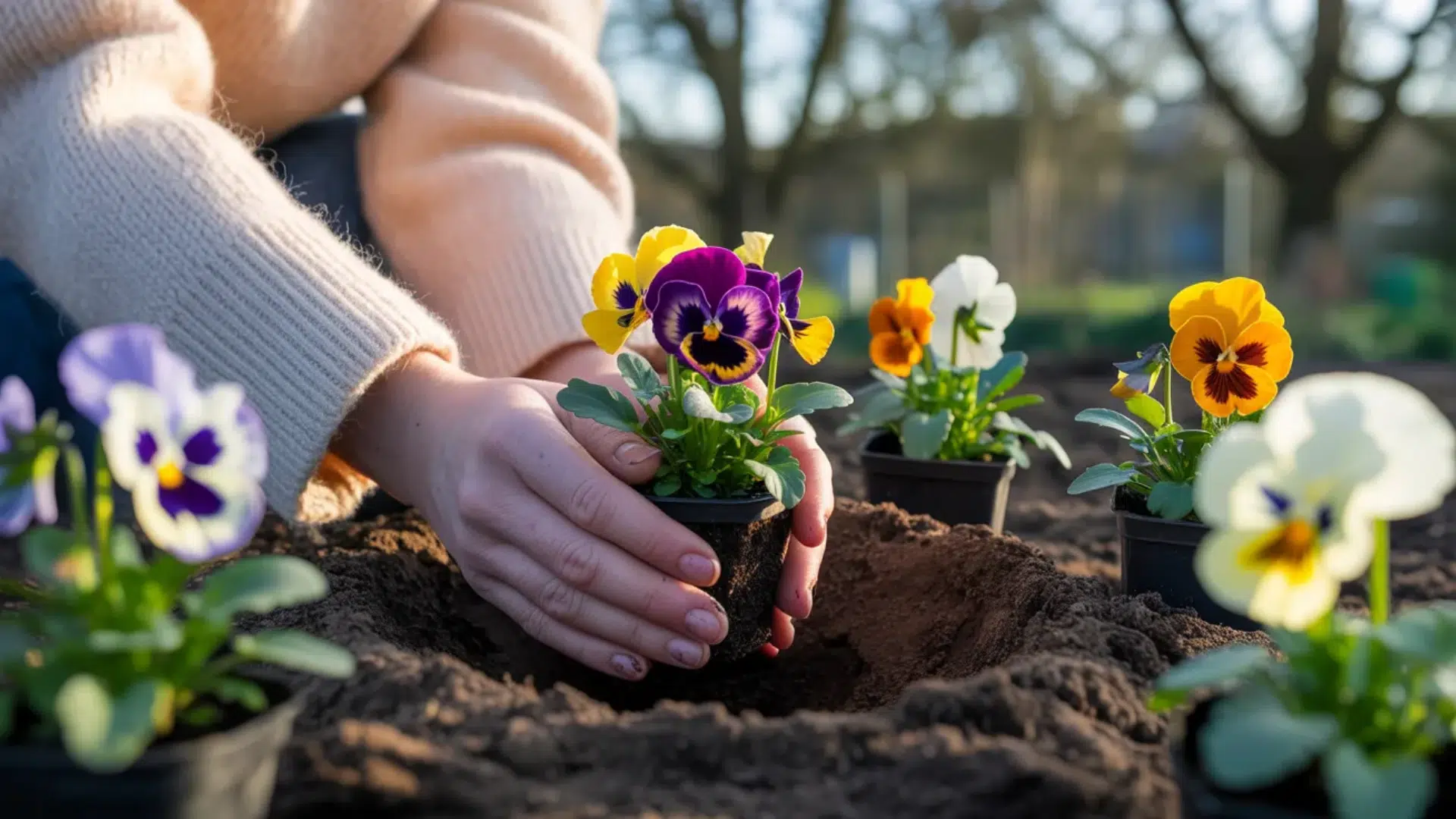

It sounds simple, right? Just plant and watch them bloom, but pansies do not play that game.
Miss the timing by a little, and suddenly your plants look tired, stretched, or just give up altogether. That is why figuring out when to plant pansies matters more than most people think.
Many gardeners follow generic advice and end up disappointed, and honestly, that is where things start going wrong.
So if you are wondering when to plant pansies and actually get full, vibrant blooms, you are in the right place. Let’s clear up the confusion and get it right.
What are Pansies Plants?
Pansies are cool-season flowering plants known for their vibrant colors and unique “face-like” petal patterns. They belong to the Viola family and are widely used in gardens and containers.
These plants grow best in mild temperatures and are commonly planted in fall and spring. Their adaptability makes them a reliable choice for seasonal color.
With proper care, pansies maintain a compact, tidy shape and produce consistent blooms. Their wide range of colors makes them a popular option for decorative planting.
How to Plant Pansies: Step-by-Step Process for Healthy Blooms
A few simple steps can make all the difference. Below are a few easy steps to grow pansies successfully.
1. Choose the Right Location

Pansies thrive in cool weather and need a spot with full sun to partial shade. Aim for 4 to 6 hours of sunlight daily for healthy blooms. In warmer climates, provide afternoon shade to prevent heat stress.
Good air circulation is essential to reduce disease risk. Avoid areas with standing water, as poorly drained soil can cause root rot.
A well-chosen location ensures strong growth and consistent flowering throughout the season.
2. Prepare the Soil

Pansies prefer well-draining, fertile soil enriched with organic matter. Loosen the soil to a depth of 8 to 10 inches to allow roots to spread easily.
Mix in compost or aged manure to improve drainage and nutrient content. Maintain a slightly acidic to neutral pH between 6.0 and 7.0 for best results.
Proper soil preparation supports faster establishment, better nutrient uptake, and helps plants produce healthy, long-lasting blooms.
3. Plant at the Correct Depth

Dig holes slightly larger than the root ball and place each pansy so the top of the root ball is level with the soil surface. Avoid planting too deeply, as it can lead to poor growth and root issues.
Space plants 6 to 9 inches apart to allow airflow and prevent overcrowding. Proper spacing reduces disease risk and encourages fuller plants.
Correct planting depth and positioning help establish strong roots and improve overall plant health.
4. Water and Mulch Properly

Water pansies thoroughly after planting to settle the soil and eliminate air pockets. Keep the soil consistently moist but not soggy, as excess water can damage roots.
Adding a thin layer of organic mulch helps retain moisture, regulate soil temperature, and reduce weeds. Ensure mulch is not piled against the stems to prevent rot.
Proper watering and mulching create a stable environment that supports steady growth and healthy flowering.
5. Maintain and Feed Regularly

Regular care keeps pansies healthy and blooming longer. Remove faded flowers to encourage continuous blooming and prevent seed formation.
Feed plants with a balanced fertilizer every 2 to 3 weeks to support growth and flowering. Monitor for pests and diseases and address issues early.
Consistent maintenance, including light pruning and proper feeding, ensures vibrant blooms and helps pansies stay attractive and productive throughout the growing season.
The Right Time to Plant Pansies for Healthy Blooms
Timing pansies isn’t about picking a random date – it’s about understanding seasonal signals and temperature shifts. Even small timing mistakes can affect growth, flowering, and overall plant health.
| Planting Time | When to Plant | What Happens | Best For |
|---|---|---|---|
| Fall Planting | Early to mid-fall (below 20°C) | Strong roots, better winter survival, early blooms | Mild winters, warmer climates |
| Spring Planting | Late winter to early spring (workable soil) | Quick growth, steady blooming into summer | Cold regions with harsh winters |
| Avoid Summer | Peak summer heat | Weak growth, fewer flowers, plant stress | Hot climates (avoid during high heat) |
Planting at the right time ensures stronger roots, healthier plants, and longer-lasting blooms. Since pansies respond to temperature more than dates, seasonal timing makes all the difference.
Best Locations and Ideal Conditions for Planting Pansies
Choosing the right location is key to healthy growth, vibrant blooms, and overall plant performance. Proper sunlight, soil, and protection from harsh conditions make a noticeable difference.
- Choose full sun to partial shade
- Ensure 4–6 hours of sunlight daily
- Prefer morning sun with light afternoon shade
- Use well-drained, nutrient-rich soil
- Avoid waterlogged or poorly drained areas
- Avoid intense afternoon heat
Pests & Diseases in Pansies: Key Issues & Prevention Tips
Pansies are generally low-maintenance but can develop pest and disease issues under poor conditions like excess moisture or limited airflow.
Regular inspection and proper care help prevent problems and keep plants healthy and blooming consistently.
1. Aphids & Spider Mites

These are common sap-sucking pests that weaken pansies by draining the essential nutrients. They spread quickly if unnoticed and can significantly affect growth and flowering.
Damage:
- Curled or distorted leaves.
- Found on new growth and leaf undersides.
- Reduced growth and flowering.
Prevention & Control:
- Use neem oil or insecticidal soap.
- Inspect plants regularly.
- Control infestations early.
2. Slugs & Snails

Slugs and snails are moisture-loving pests that feed on soft plant tissues, especially leaves and flowers. They can cause visible damage overnight if conditions are damp and favorable.
Damage:
- Holes in leaves and flowers.
- Slime trails on plants.
- Active in damp, shaded areas.
Prevention & Control:
- Use traps or natural barriers.
- Remove manually in the morning or evening.
- Keep the area dry and clean.
3. Powdery Mildew

Powdery mildew is a fungal disease that develops in humid conditions with poor air circulation. It spreads quickly and affects the overall appearance and health of pansies.
Damage:
- White powdery coating on leaves.
- Weak growth.
- Common in poorly ventilated areas.
Prevention & Control:
- Improve air circulation.
- Avoid overhead watering.
- Keep foliage dry.
Essential Tips for Long-Lasting Blooms
Proper care helps pansies stay vibrant and bloom consistently. With a few simple practices, you can keep them healthy and attractive throughout the season.
- Water consistently: Keep soil evenly moist, watering when the top layer feels slightly dry. Morning watering helps prevent diseases and supports steady growth.
- Provide Proper Sunlight: Ensure 4-6 hours of direct sunlight daily for healthy, vibrant blooms. In warmer climates, provide partial shade during the afternoon to prevent heat stress.
- Fertilize Regularly: Feed pansies every 2 to 3 weeks with a balanced, water-soluble fertilizer for steady growth. Avoid excess nitrogen, as it can reduce flowering and promote more leafy growth.
- Deadhead and Prune: Remove faded flowers to encourage continuous blooming. Light pruning keeps plants compact and promotes bushier growth.
- Protect from Pests and Diseases: Check regularly for pests like aphids or slugs. Use mild treatments and maintain airflow to prevent issues.
Final Verdict
Growing healthy pansies is less about effort and more about doing the basics right. From choosing the correct planting time to providing proper sunlight, soil, and watering, each step plays a role in their overall performance.
Pansies are highly responsive to their environment, so consistent care and early attention to pests or diseases make a noticeable difference.
When planted and maintained correctly, they reward you with vibrant, long-lasting blooms across the season.
By following a simple, structured approach, you can avoid common mistakes and ensure your pansies not only survive but truly thrive in your garden space.

With a Master’s in Landscape Architecture from the University of Virginia, Sophia Stephenson has dedicated the last 20 years to creating and maintaining vibrant outdoor spaces. Her professional journey started in landscape design, where she gained a reputation for innovative and sustainable approaches. Sophia became a part of our editorial team as a freelancer in 2019, offering a fresh perspective on outdoor living. Since 2020, she has been the chief for our outdoor design content, blending aesthetic appeal with environmental stewardship. In her leisure time, Sophia is a keen photographer, capturing the beauty of natural landscapes, a hobby that complements her professional expertise.


![20 front yard succulent garden ideas[P]](https://enthrallinggumption.com/wp-content/uploads/2023/12/20frontyardsucculentgardenideas-1024x576.jpg.webp)