
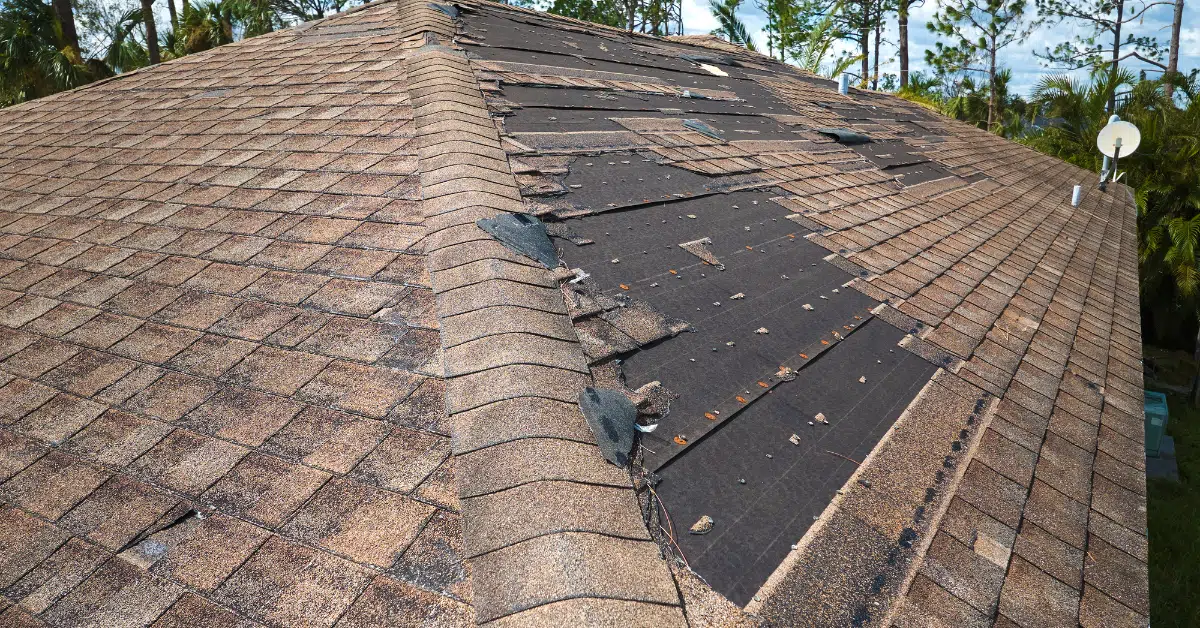

If you own an older home in Philadelphia, chances are you’ve dealt with – or will eventually deal with – a roof leak. From rowhomes built in the early 1900s to historic twins and Victorians, roof issues are one of the most common headaches for Philly homeowners.
And it’s not just bad luck. There are very real reasons leaks show up so often in older Philadelphia houses.
1. Aging Roofing Materials Simply Wear Out
Most roofs are not designed to last forever. Asphalt shingles typically last 20–25 years, flat roofing materials even less, especially if maintenance was skipped. Many older Philadelphia homes have gone through multiple roof layers over the decades, and in some cases, the original materials are still partially in place.
Over time, roofing materials become brittle, crack, curl, or separate. Once that protective layer weakens, water finds its way in – usually during heavy rain, snowmelt, or ice buildup.
2. Flat and Low-Slope Roofs Are Common in Philly
Philadelphia has a huge number of flat and low-slope roofs, especially on rowhomes and older commercial-style residences. While flat roofs are practical for dense urban areas, they come with one major drawback: water doesn’t drain as easily.
When water sits on a roof too long, it increases the chances of:
- Membrane deterioration
- Seam separation
- Small punctures turning into major leaks
Even a slight dip in the roof surface can cause ponding water, which eventually works its way inside.
3. Outdated Flashing Is a Major Weak Point
Roof flashing—the metal installed around chimneys, skylights, vents, and walls—is one of the most common leak sources in older homes.
In many Philadelphia houses:
- Flashing was installed decades ago
- It may be rusted, cracked, or improperly sealed
- Older techniques didn’t always account for long-term expansion and contraction
Once flashing fails, water can leak in without damaging the main roof surface, making the problem harder to detect.
4. Philadelphia Weather Is Tough on Roofs
Philadelphia experiences all four seasons, and that constant temperature change takes a toll on roofing systems.
Some common weather-related stress factors include:
- Freeze-thaw cycles in winter
- Heavy spring rainstorms
- Hot, humid summers
- Snow accumulation and ice dams
These conditions cause roofing materials to expand and contract repeatedly, weakening seals and opening small gaps that eventually turn into leaks.
5. Old Roof Decking and Structural Movement
Many older homes were built with wood roof decking that has been exposed to moisture for decades. Even if the roof covering looks fine, the structure underneath may be compromised.
Over time:
- Wood can rot or warp
- Nails loosen
- The roof shifts slightly with the building
This movement creates tiny openings that allow water intrusion, especially around edges and joints.
6. Why Professional Inspections Matter in Older Homes
One of the biggest challenges with roof leaks is that the source isn’t always obvious. Water can travel along beams and decking before showing up inside the home.
That’s why many Philadelphia homeowners rely on experienced local contractors – such as Umbrella Roofing – to perform thorough inspections that go beyond surface-level checks. Identifying weak flashing, hidden decking damage, or drainage issues early can prevent far more expensive repairs down the line.
7. Multiple Past Repairs (Not Always Done Right)
Another common issue in older Philadelphia homes is layered repairs. Instead of full replacements, previous owners often opted for quick fixes.
This can mean:
- New roofing installed over old materials
- Patchwork repairs done at different times
- Mismatched materials that don’t seal properly
While these repairs may work short-term, they often fail years later—sometimes suddenly and without warning.
8. Clogged Gutters and Poor Drainage
Older homes often have aging gutter systems that don’t handle water efficiently. When gutters clog or pull away from the house, water backs up onto the roof edge.
This leads to:
- Water seeping under shingles
- Rot along fascia and roof edges
- Interior leaks near exterior walls
It’s a small issue that can cause surprisingly big damage over time.
Final Thoughts
Roof leaks are common in older Philadelphia homes not because they were poorly built—but because time, weather, and outdated materials eventually catch up. Understanding these risks helps homeowners take action before small problems turn into expensive repairs.
If your home is decades old, routine inspections and proactive maintenance can make all the difference.

Tommy Hardy, an alumnus of the Georgia Institute of Technology with a degree in Mechanical Engineering, has been a go-to figure in residential upkeep and innovation for over 18 years. His career commenced in a leading home appliance manufacturing company, where he mastered the intricacies of household systems. Joining our platform in 2020, Tommy quickly became a reader favorite for his practical and easy-to-follow guides. He took the helm of our DIY section in 2019, consistently delivering content that empowers homeowners. Beyond his professional pursuits, Tommy is a passionate gardener and enjoys woodworking, skills enhancing his hands-on approach to home care.


