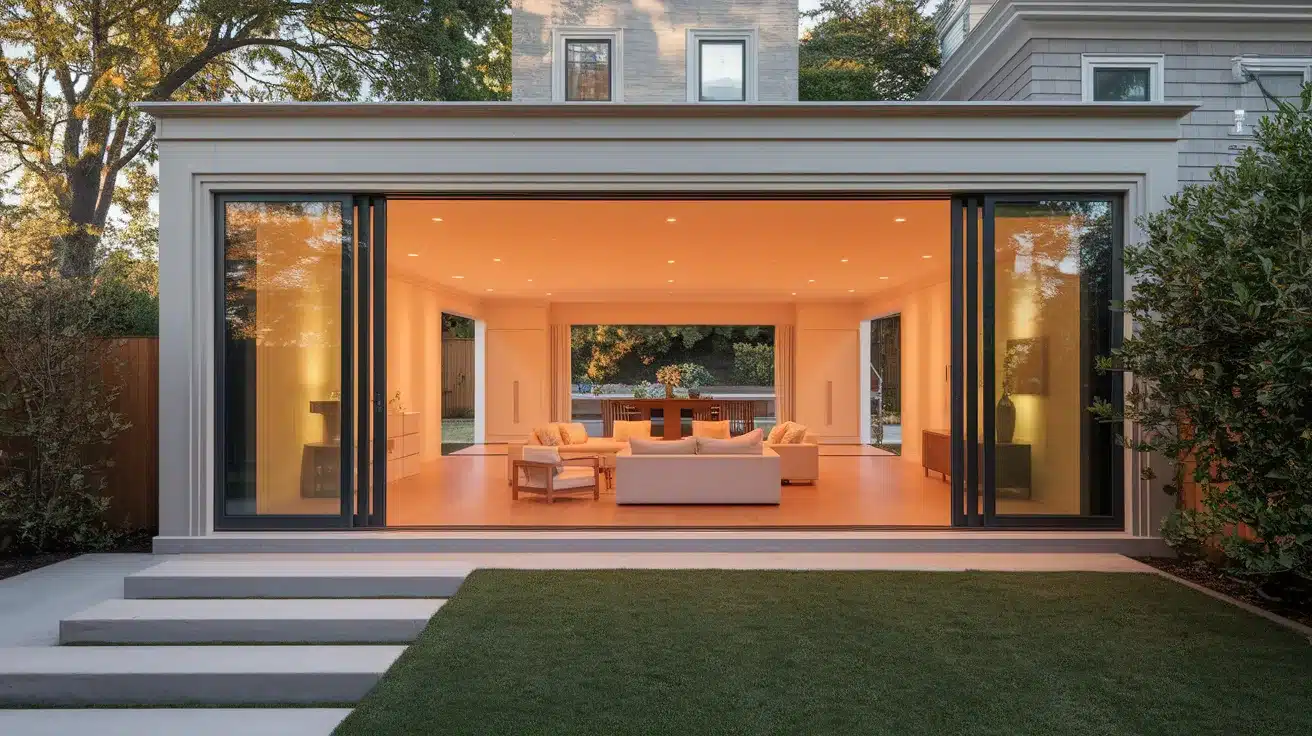

Limited indoor space is a common concern for homeowners seeking functional upgrades without altering a home’s front structure.
Back house room additions offer a practical solution by extending usable living space at the rear of the property while preserving street-facing design.
When planned correctly, these additions can support changing household needs, improve layout efficiency, and contribute to long-term property value.
This article explains what back house room additions involve, outlines their advantages and limitations, and highlights common room addition ideas.
It also covers key planning factors and layout options to help evaluate feasibility, space usage, and design compatibility before moving forward.
Back House Room Additions: Overview
Back house room additions refer to expanding living space at the rear of an existing home.
These additions are commonly used to increase usable square footage without changing the front structure.
Typical uses include living areas, bedrooms, workspaces, or utility rooms. This type of addition often blends with the existing layout while improving functionality and property value.
Back house room additions are suitable for single-family homes with sufficient backyard space and are often designed to maintain privacy from the street.
Pros of Back House Room Additions
These benefits highlight the potential of back house room additions, though practical constraints should also be taken into account.
Adds usable indoor space without altering the home’s front appearance
Improves layout flexibility for growing household needs
Can increase resale value when planned correctly
Allows better use of underutilized backyard space
Easier integration with existing plumbing and utilities in many cases
Cons of Back House Room Additions
While there are drawbacks to consider, careful planning and site evaluation can help address many of these challenges.
Requires sufficient lot depth and setback compliance
Construction may temporarily disrupt daily routines
Permits and zoning approval can extend timelines
Costs may rise if foundation or drainage changes are needed
Backyard open space may be reduced
7 Back House Room Addition Ideas
Once the planning basics are clear, the next step is choosing the right type of back house room addition for the available space and intended use.
1. Rear Living Room Extension
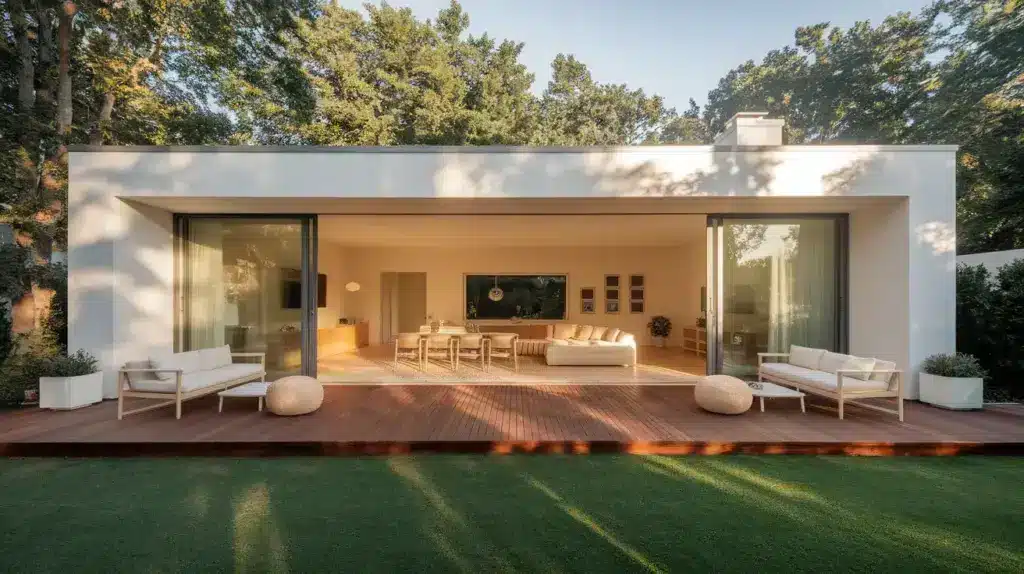
Creates a larger shared space for daily activities such as relaxing, entertaining, or family gatherings.
This type of addition often improves the overall flow of the home by opening up previously tight layouts.
Large windows or sliding doors are commonly added to improve light access. It also allows a better visual connection to the backyard.
2. Back Bedroom Addition
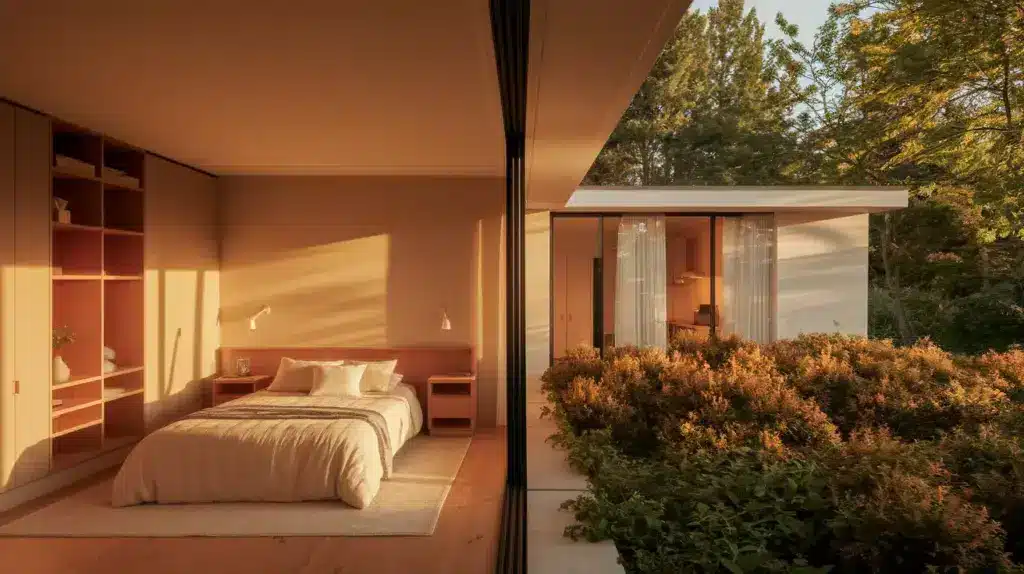
Provides a quiet sleeping area positioned away from street noise and high-traffic zones. This option works well for guest rooms, aging family members, or growing households.
Closet space and nearby bathroom access are often included in the design. Proper insulation helps maintain comfort throughout the year.
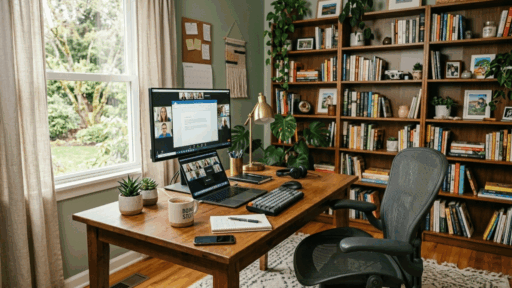
3. Home Office Room Addition
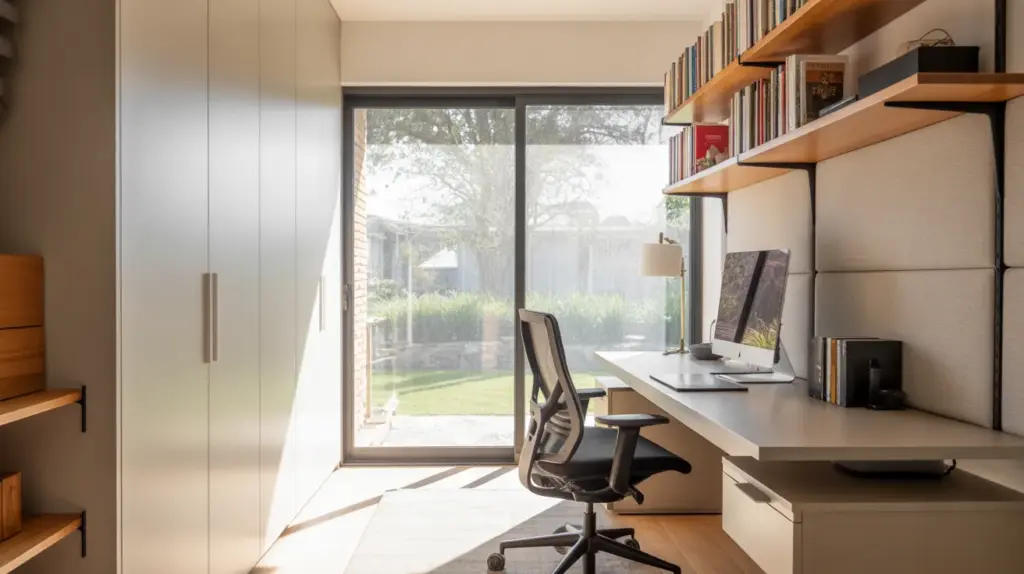
Supports focused work by separating professional activities from main living areas.
This setup helps reduce distractions and improve productivity.
Electrical planning is important to support equipment needs. Sound control and natural lighting are usually key design priorities.
4. Dining Room Expansion
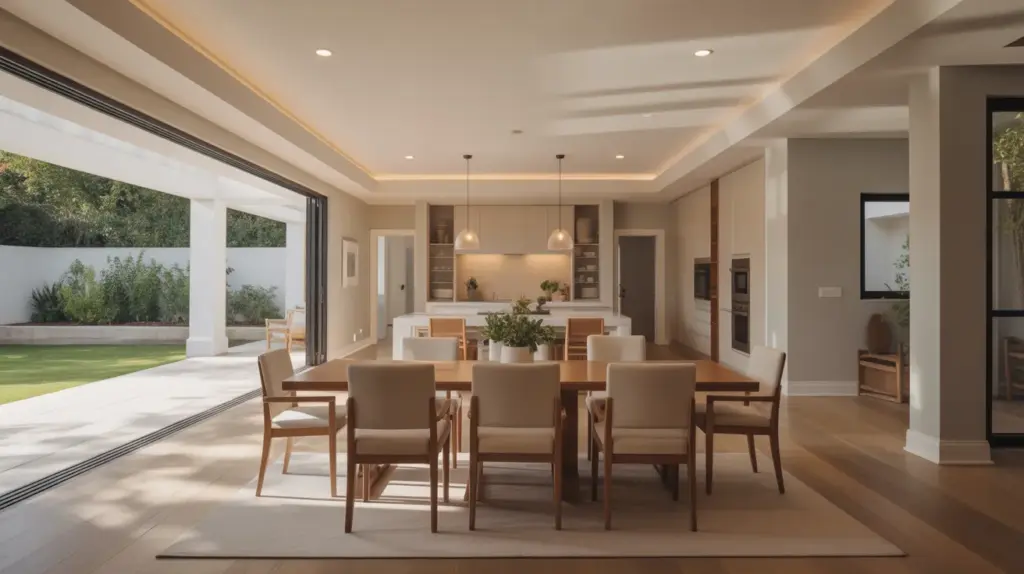
Adds space for larger dining tables and more comfortable seating arrangements. This type of addition improves movement between the kitchen and rear areas of the home.
It works well for households that host gatherings or prefer open layouts. Design choices often focus on easy access and balanced lighting.
5. Sunroom or Enclosed Patio
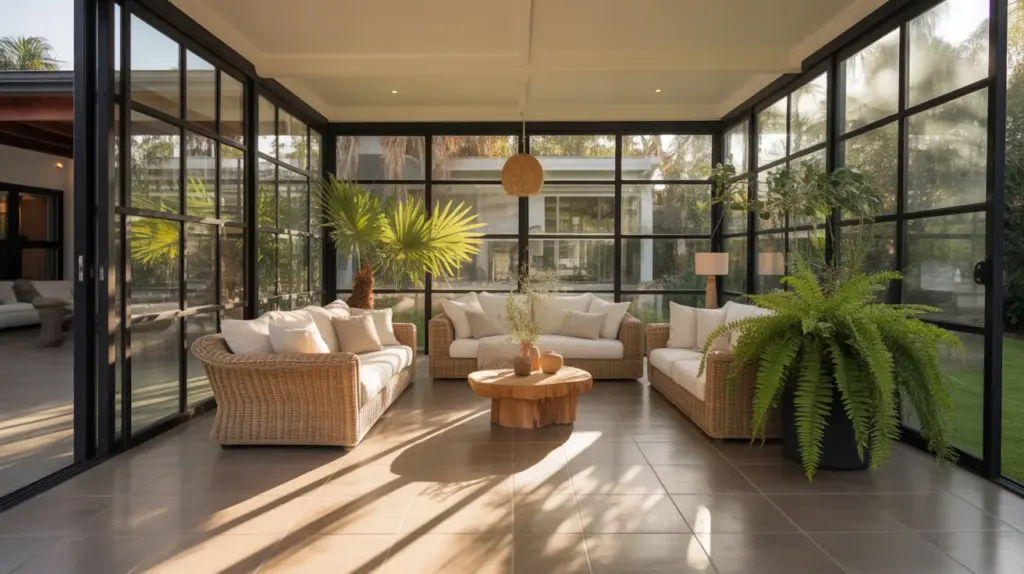
Introduces an extra room that benefits from increased natural light while remaining protected from the weather.
These spaces are often used for casual seating, reading, or indoor plants. Materials are selected to manage temperature changes.
The design typically emphasizes visibility and comfort.
6. Laundry and Utility Room Addition
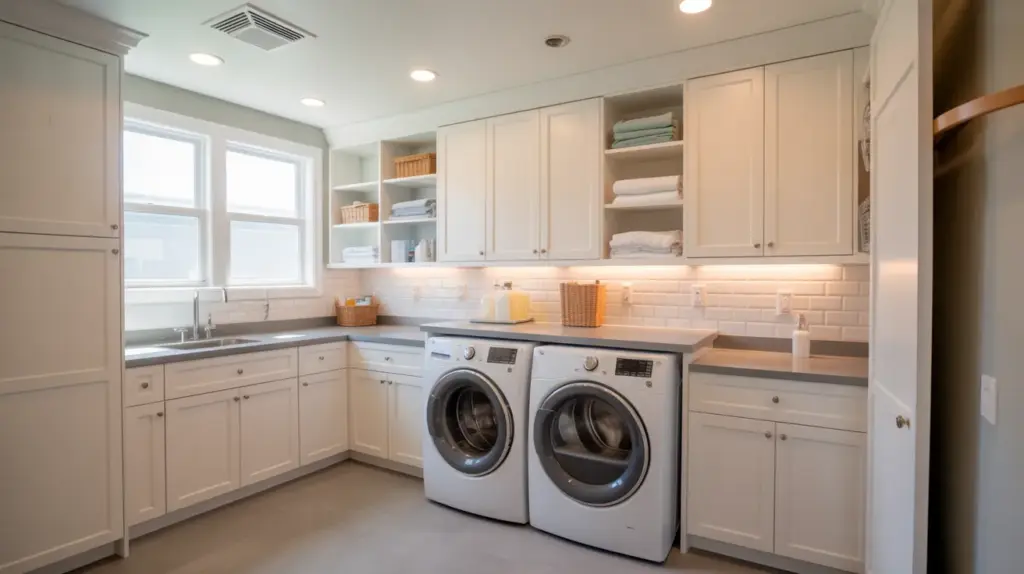
Moves essential functions away from main living spaces, helping reduce clutter and noise.
This addition allows better organization with built-in storage and work surfaces.
Plumbing and ventilation planning are important considerations. It can also free up interior space for other uses.
7. Multi-Purpose Flex Room
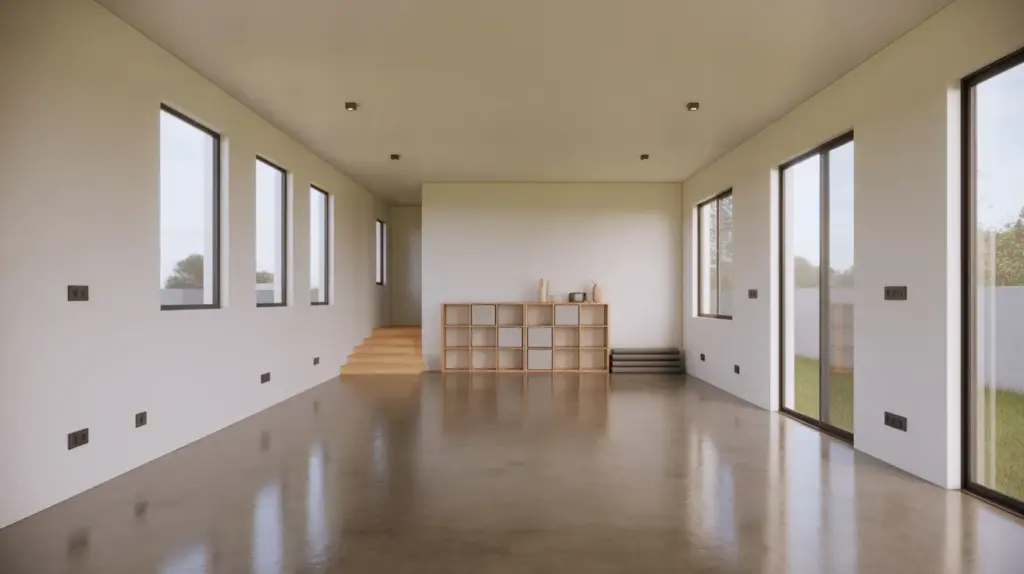
Designed to support changing needs over time, such as recreation, fitness, or additional storage.
The layout is usually open and adaptable for future adjustments. Electrical and flooring choices are kept flexible.
This type of room adds long-term practicality without locking in a single function.
Important Factors to Consider in Back House Room Additions
The following factors outline what typically affects planning, approval, and long-term use of back house room additions.
Local zoning rules: Setbacks, lot coverage limits, and height restrictions
Foundation type: Slab, crawl space, or extension of existing foundation
Natural light access: Rear additions may need skylights or larger windows
Ventilation and drainage: Proper airflow and water management are critical
Design continuity: Materials and rooflines should align with the existing home
Best Layout Options for Back House Room Additions
The layout of a back house room addition plays a major role in comfort, usability, and long-term value.
Rear expansions are often designed to work around lot depth, existing room placement, and backyard access.
Choosing the right layout helps maintain natural light, movement, and visual balance throughout the home.
1. Straight-Line Extension
Extends the home directly from the rear wall, making it one of the most common layout choices. This option works well for living rooms, dining areas, and bedrooms.
It allows easy roof and utility alignment with the existing structure. Construction is often more straightforward compared to complex layouts.
2. L-Shaped Addition
Wraps around the rear corner of the home to create separation between spaces.
This layout is useful when adding more than one function, such as a room and a storage area.
It can help preserve part of the backyard while adding square footage. Privacy between rooms is usually improved.
3. Full-Width Rear Addition
Spans the entire back side of the house, creating a wide and open interior. This layout is often used for large living or dining areas.
It improves interior flow but may reduce backyard depth. Careful planning is needed to maintain light and ventilation.
4. Bump-Out Addition
Adds a smaller extension to an existing room without expanding the full footprint. This option works well for offices, laundry rooms, or seating areas.
It typically costs less than full-scale additions. Structural impact is usually minimal.
5. Split-Function Layout
Combines two uses within one rear addition, such as a utility space and flex room.
This layout supports efficient use of limited space. Interior partitions help define areas without requiring multiple additions. It works well for households with varied needs.
Conclusion
Back house room additions provide a practical way to expand living space without altering a home’s front appearance.
When designed with proper planning, these additions can improve functionality, support evolving space needs, and make better use of available backyard area.
Reviewing the pros and cons helps set realistic expectations, while understanding layout options and planning factors supports better decision-making.
From simple extensions to flexible multi-purpose rooms, rear additions can be adapted to different lot sizes and household requirements.
Careful attention to zoning rules, design continuity, and long-term use ensures the addition remains functional, compliant, and well-integrated with the existing home.

Ava Taylor, holding a Bachelor’s degree in Interior Design from the Pratt Institute, has made her mark in creating engaging and functional living spaces for over 14 years. She began her career with a New York-based design studio, where she gained a reputation for her innovative and user-centric designs. Ava joined our team in 2019, bringing a blend of artistic flair and practicality to our home improvement section. Since the she has been the lead contributor to our room transformation series, inspiring readers with her unique approach to maximizing space utility and aesthetic appeal. Beyond her professional work, Ava is a passionate collector of vintage furniture, a hobby that enriches her design perspective.