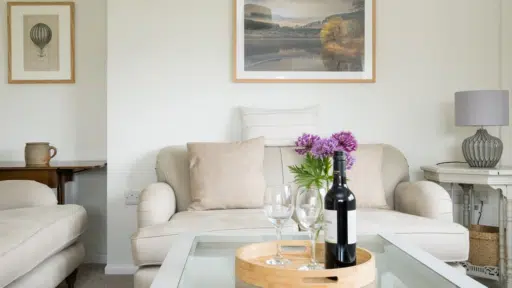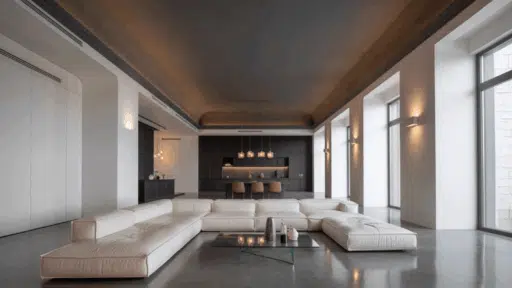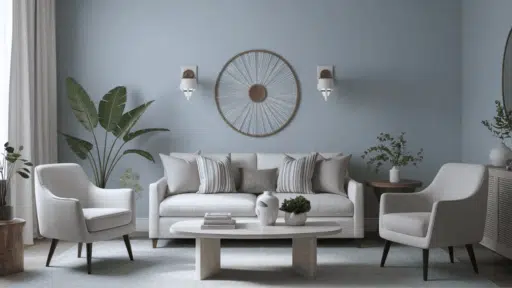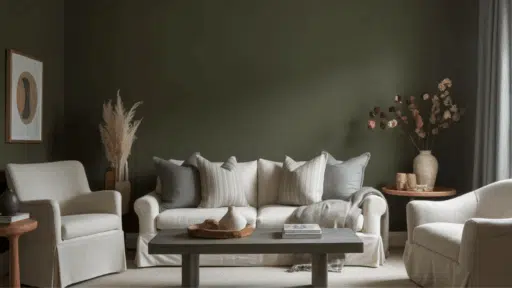
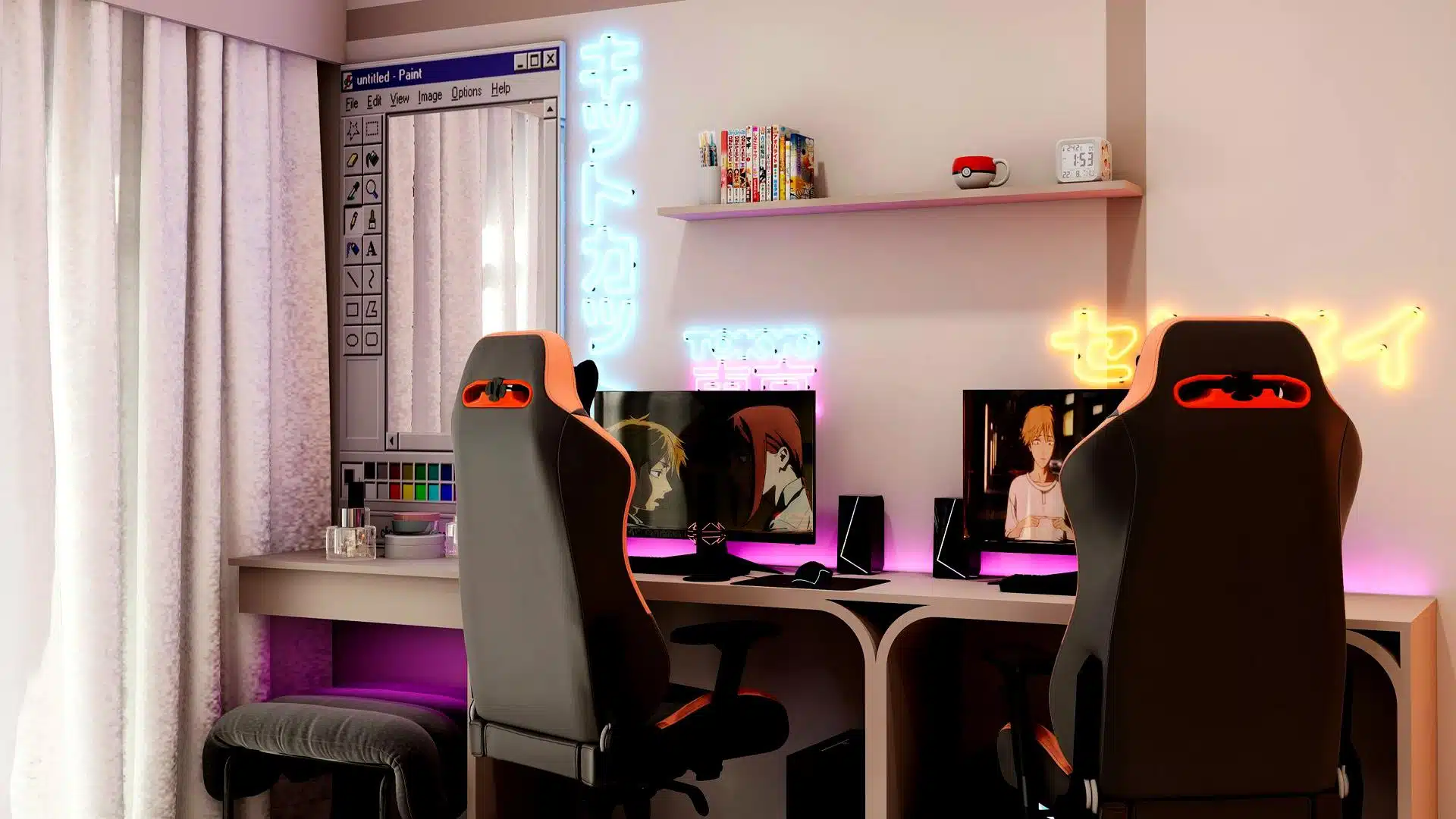

Neon signs aren’t just for bars or retro diners anymore. Today, you’ll find them in bedrooms, living rooms, and home offices glowing softly over headboards, spelling out names on gallery walls, or adding a gentle splash of color that transforms plain spaces into something special.
The real game-changer was the switch from traditional glass to LED neon flex, which is safer, more affordable, and still looks great at home.
According to recent market data, the global customizable LED neon sign market reached $1.3 billion in 2024 and is expected to grow to $3.7 billion by 2033, with an average annual growth rate of about 12.4%. A simple fact drives this boom: people want their homes to reflect their personalities, not just look like they came from a catalog.
Whether you like a small warm-white word above your sofa or a bold custom sign in your bedroom, there’s now a neon sign style for nearly every taste and space.
By early 2026, demand is especially high among Gen Z. They love bold interiors, lots of color, and showing off their individuality. For many in this group, lighting isn’t just about seeing better; it’s a way to express who they are, both at home and online.
A single custom neon sign can make a statement on a wall, highlight a desk area, or serve as the perfect backdrop for photos and video calls.
This guide will cover the main decor styles using neon signs, smart color choices for different rooms, placement tips that really work in everyday homes, and why personalized neon signs have become one of the key home decor trends of the mid-2020s.
Neon Sign Decor Styles That Define 2025-2026
The way neon signs look in homes has changed in recent years. Big, brightly colored neon sign pieces that used to take over a room are now less popular, especially in houses and apartments. Instead, people are choosing signs that feel more thoughtful and better fit their furniture and other decorations.

Minimalist Text Signs
Clean, simple words in easy-to-read fonts are trending right now. Short phrases like “Home,” “Breathe,” or “Dream,” especially in warm white or soft yellow, work well in bedrooms and living rooms because they blend into the space and enhance it rather than dominate it.
The goal is to create a gentle glow that enhances the atmosphere, not a bright sign that draws attention away from everything else in the room.
Script Fonts
Script lettering stays popular because it feels personal, almost like someone’s handwriting on the wall. Many people still like these flowing styles for names, signatures, and special phrases. On the other hand, bold sans-serif fonts attract those who prefer a clean, modern look, especially in living rooms and offices with simple decor.
In both cases, less is more. A short, three-word phrase in an easy-to-read style usually makes a bigger impact than a long quote crammed into a decorative font.
Soft Pastel and Earthy Tones
Muted pinks, lavender, mint, and sage have slowly taken the place of the bright blues and hot pinks that used to be popular in neon signs. These softer colors add interest without being too bold, making them a better fit for bedrooms, living rooms, and entryways. They also look good in photos, which matters now that social media often influences what people buy.
Warmer colors like terracotta and amber are also showing up more in living spaces and home offices. People who want a calm, cozy atmosphere are picking these shades because they work well with wood, plants, and neutral fabrics.
Geometric and Abstract Shapes
Neon signs without words have become popular in their own way. Designs such as simple line art, crescent moons, star shapes, and basic geometric forms offer a subtle option for those who prefer not to have text on their walls. These signs look great above reading nooks, in hallways, or near mirrors where words might not fit.
How the Personalization Trend Is Reshaping Neon Sign Decor
Personalization is now a major driver behind the demand for neon signs. While classic phrases like “Good Vibes Only” or “Hello” are still popular, the biggest growth is in fully custom signs featuring names, initials, dates, or inside jokes unique to each household.
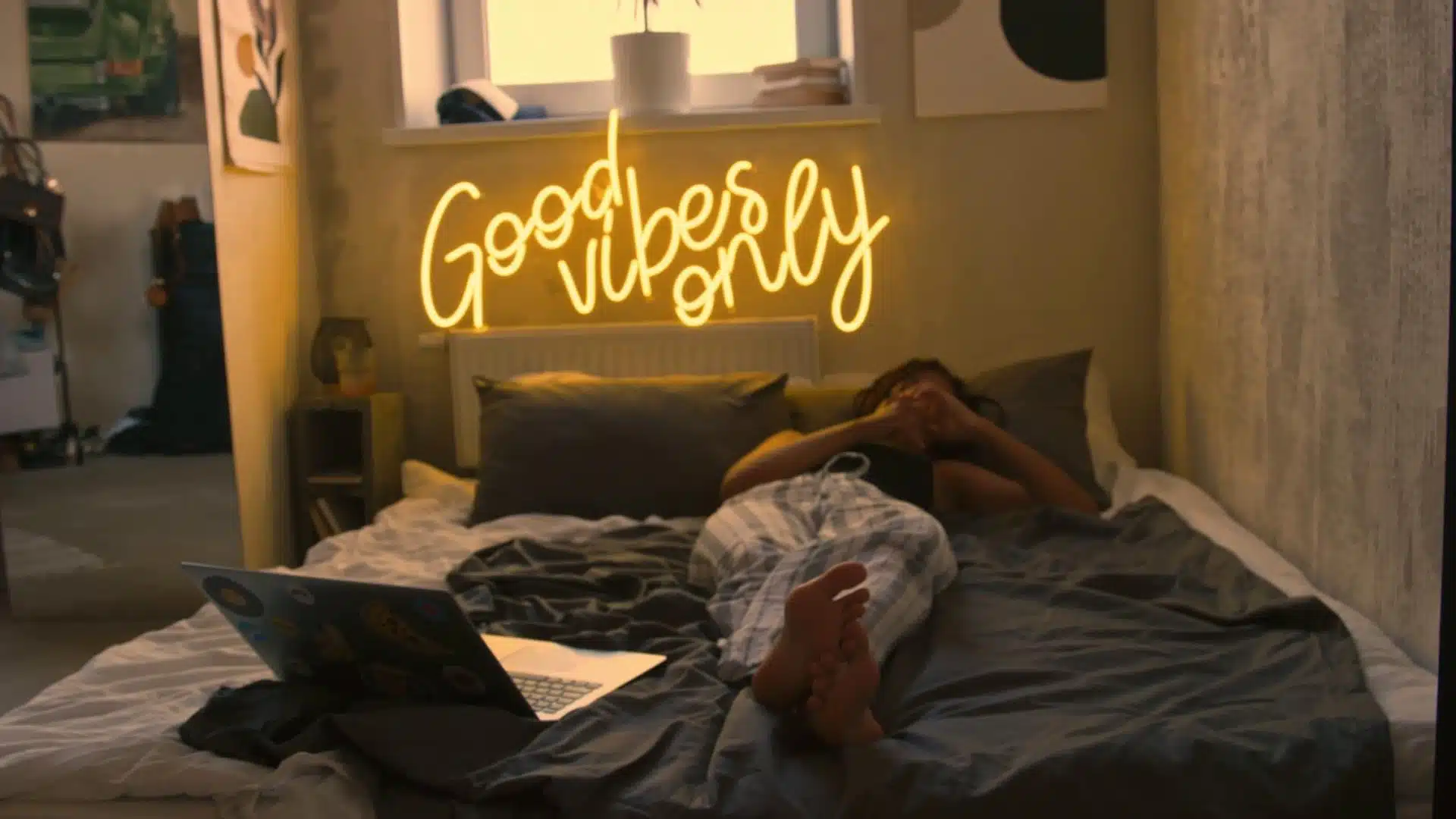
Most custom neon sign companies let customers pick the font, color, size, and wording using easy online design tools. You can see a preview before you order, which takes the guesswork out of the process and encourages people to choose more creative options.
Thanks to this flexibility, personalized neon signs have become a top gift choice for weddings, housewarmings, nurseries, and milestone birthdays.
Millennials and Gen Z buyers are leading this trend because they see their homes as reflections of who they are, not just places to live. A hallway sign with the family name or a child’s name above the crib works as both decoration and a statement of identity, something guests remember when they visit.
This idea started in commercial spaces and social media culture. Cafés and restaurants were early adopters of custom neon signs to encourage customers to take photos, tag their location, and share on social media.
Now homeowners use personal neon signs in much the same way, creating photo-worthy spots at home without needing constant redecorating.
LED Neon vs. Traditional Glass: The Honest Comparison
Traditional glass neon signs are made by heating and bending glass tubes, then filling them with neon or argon gas and connecting them to high-voltage transformers.
This process creates a unique look: a soft glow with slight flickers and small imperfections that show the sign was made by hand. For collectors or anyone decorating a vintage bar or retro-themed space, this handmade feel adds to the appeal.
For everyday home use, though, LED signs are usually the better choice. Traditional neon signs use about 15 to 20 watts of electricity per foot, while LED neon signs need only 1 to 3 watts for the same length, saving up to 80% in energy costs.
Glass tubes can break easily, get hot, and often need professional installation and maintenance. They also require careful disposal because of the gases inside and traces of mercury.
LED neon signs are lighter and stay cool to the touch. They’re easy to hang using the included hardware or basic wall anchors. They’re also safer around kids and pets because they run on low-voltage power and use flexible tubing that won’t shatter if dropped. By 2025, LED neon flex is expected to account for about 43.2% of all neon sign sales, indicating that most people now prefer this option.
Still, there’s one big exception. If you’re after the classic flicker, warm glow, and slight imperfections of old-school glass neon for a themed room or display case, LED can’t replicate that exact look. In these cases, traditional glass neon remains popular, though it’s now more of a specialty choice for home decor.
Choosing Colors That Match Your Room’s Energy
The colors you choose for a sign do more than change how it looks in pictures; they influence the mood of the room when you’re actually in it.
That’s why understanding some basic color psychology can really help. Warm colors like red and orange often make a space feel lively and energetic, while cool colors such as blue and green usually create a calmer, more relaxing atmosphere.
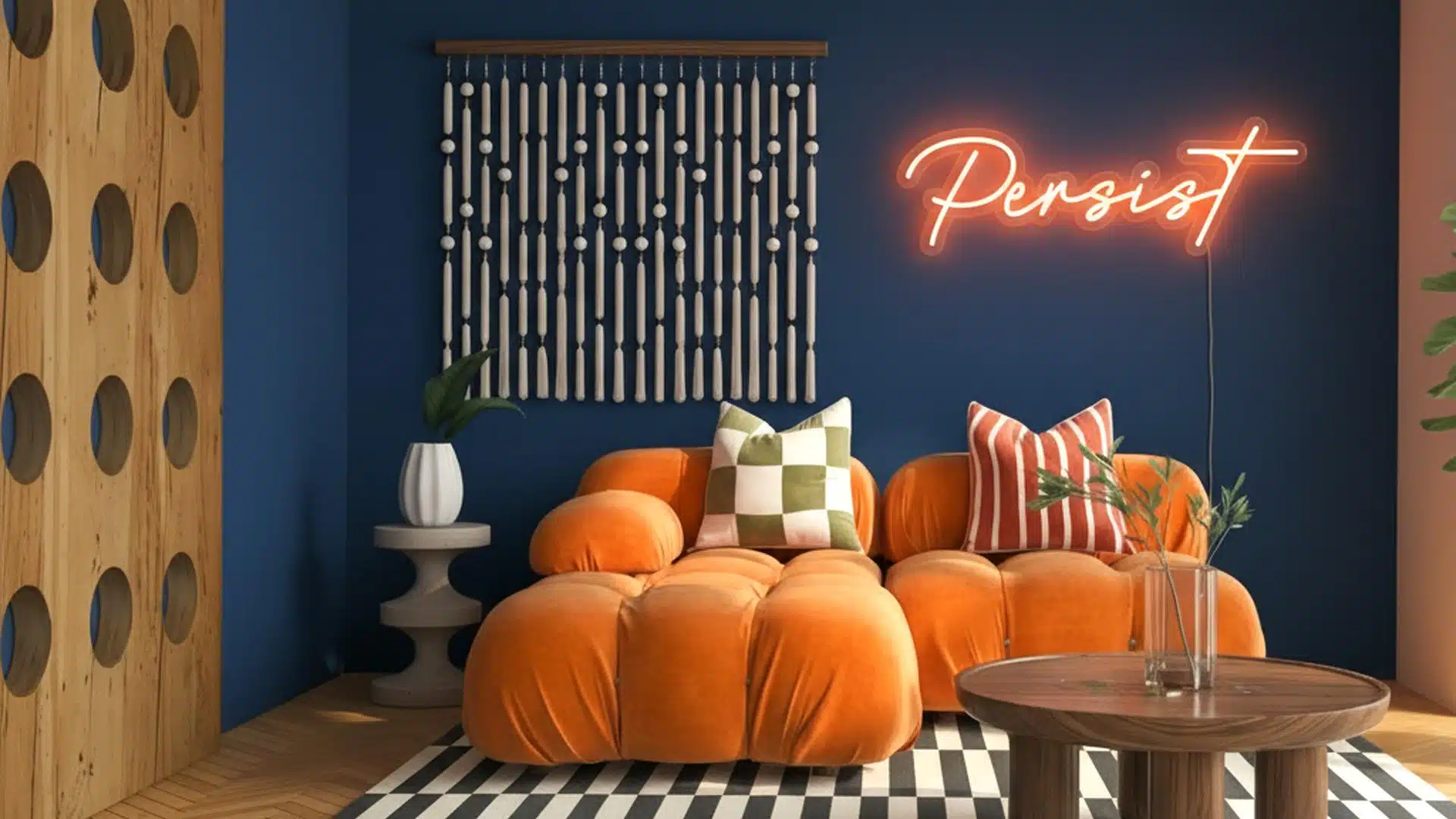
When choosing a neon sign, consider what the room is mostly used for rather than just picking a color that stands out. A color that works well in a gaming area might feel overwhelming in a bedroom where you want to relax every night.
Bedroom
For bedrooms, soft pinks, peach shades, and cool lavender are usually the best choices. These colors create a warm and cozy atmosphere without being too bright or stimulating before sleep. Soft blues and light whites can also work well if you keep them dim, providing gentle background light that isn’t harsh or disruptive.
Bright reds and greens are usually best used in small amounts as accents, rather than as the main color in a bedroom sign. They can feel too strong and overwhelming, especially when you’re trying to relax at night.
Living Room
In living rooms, warm white and soft yellow neon signs create a cozy, inviting feel. These colors look good with almost any wall shade, from bright white to dark neutrals, making them a versatile option if you plan to repaint in the future.
If you want to add more character, try muted pink or ice blue for a pop of color that can bring together your pillows, artwork, and other decor. Medium-sized signs are ideal for shared spaces; they’re big enough to stand out on a wall but not so large that they overshadow your furniture or TV.
Home Office
Home offices do best with colors that help you concentrate but aren’t too intense. Shades like yellow and warm white offer a clear, bright feel without the urgency of red or bright orange. Simple words like “Create” or “Focus” placed where you can easily see them can also help set the right mood for work.
A dimmer switch is especially helpful in a home office. It allows you to lower the lights during video calls, adjust for late-night work, or quickly turn off bright lights when you want a calmer background.
Kids’ Room
Safety and comfort are the top priorities when decorating children’s rooms. Playful shapes like stars, moons, animals, and rockets look great in soft pastel colors, brightening up the space without making it too flashy. LED neon lights are a smart choice; they stay cool to the touch and use low voltage, so they’re safe for little hands.
A neon sign with your child’s name is a fun way to personalize their room. When they’re young, it adds a whimsical feel, and as they grow older, it can still fit in if you pick a simple font and color that work with more mature decor.
Gaming Room
Gaming setups often look best with bold, vibrant colors. Electric blue, deep purple, and neon green blend easily with RGB keyboard and PC lights, creating a unified glow throughout the space.
Gamertags, controller icons, or phrases like “Game On” stand out in these bright shades. For streamers and content creators, a custom neon sign can serve as both eye-catching lighting and a memorable background for videos.
Where to Place Your Neon Sign for Maximum Impact
Where you place a sign can make all the difference between subtly enhancing a room and having it go unnoticed. Even a great design loses its effect if it’s hidden in a cluttered corner, while a simple sign can stand out and look impressive when positioned thoughtfully.
Behind the Headboard
In bedrooms, placing lights behind the headboard is a popular choice. This setup creates a gentle glow that can either replace bedside lamps or work alongside them, depending on how bright the lights are. It also makes the bed stand out the moment you enter the room.
Above the Sofa
In living rooms, hanging a sign above the sofa naturally draws attention to that area. This is especially effective on walls painted in neutral or dark colors, since the contrast helps the sign stand out even in lower light.
For the best look, choose a sign that’s about two-thirds to three-quarters as wide as your sofa. This keeps everything balanced and prevents the sign from appearing too small or crowded. Following this rule makes it easy to get the size right from the start.
Accent Walls
Hanging a neon sign on an accent wall, especially one with a different color or interesting texture, makes the room feel more dynamic and draws attention to that spot. On walls painted in deep colors like navy, charcoal, or dark green, even a simple warm-white word will stand out and be easy to read from across the room.
This approach works especially well in dining areas, hallways, or small media rooms where you want one standout feature instead of several decorations competing for attention.
Corners and Nooks
Smaller neon signs are perfect for tight spaces like reading corners, breakfast nooks, or entryways. These spots are often missed when planning lighting, so a compact sign can add personality without needing extra floor lamps.
Make sure to leave about 20 to 30 centimeters of space around the sign. This helps it stand out and keeps it from looking crowded, especially if there are shelves, artwork, or windows nearby.
Home Office and Desk Area
In workspaces, putting a sign above your desk or on the wall behind your monitor adds personality without getting in the way. A dim neon sign provides just enough light for working late without the harshness of bright overhead lights.
If you’re often on video calls, a stylish neon sign in the background can make your setup look more polished, especially when combined with a clean desk and a neutral wall color.
What’s Coming Next for Neon Home Decor
The customizable LED neon market is expected to continue growing, with global demand forecast to reach $3.7 billion by 2033 and an annual growth rate of about 12.4%. This steady rise shows that neon lighting is becoming a lasting part of home decor, not just a passing trend.
New product features are also showing up. IoT-enabled neon signs, ones that respond to movement, change their display based on the time of day, or sync with occupancy sensors, are now making their way into home collections as well as commercial spaces.
Many manufacturers are also trying out recycled materials and solar-powered options to attract buyers who care about the environment.Smart home integration will likely become more common, allowing neon signs to serve both as decoration and as functional lighting. For example, a custom word on your wall could also control the room’s brightness and color, syncing with your smart bulbs and routines.
Neon signs have also moved from being seen as just a novelty to being accepted as a design element. Well-known interior designers, including those featured on colorful TV shows, are now using custom LED neon signs in their residential projects, showing that neon signs are now considered alongside more traditional lighting.
For most homeowners, it makes sense to start small: pick one room, choose a color that fits how you use the space, and look for features like sturdy acrylic backing, a dimmer switch, and compatibility with your existing smart home setup if you have one.
A single, well-placed neon sign can subtly transform a room’s feel, just as good home lighting should.

With a Master’s in Architecture from the University of California, Berkeley, Mitchell Green has spent over two decades dedicated to the study and practical application of home fixture design. His career started in an architectural firm, providing him a strong foundation in the structural and aesthetic aspects of home interiors. Mitchell brought his comprehensive knowledge to our platform, where he has been an influential voice in our home fixtures and fittings section. Since 2018, he has been guiding our readers through the intricacies of selecting and installing fixtures, combining technical know-how with design flair. In his spare time, Mitchell is a keen photographer, capturing architectural details and design elements, an interest that complements his professional focus.