
Replacing a door sounds simple. But the moment you walk into a hardware store, things get confusing fast. Prehung door. Slab door. Pre-drilled. Pre-mortemised. What does any of it even mean?
If you have been scratching your head trying to figure out what a prehung door actually is, you are not alone.
Most homeowners have no idea there is even a difference between door types until they are standing in the aisle, completely lost.
Good news, it is simpler than it sounds. In this guide, you will learn exactly what a prehung door is, how it compares to a slab door, and how to pick the right one for your home.
What is a Prehung Door?
A prehung door is a door that comes with its own frame, sold and installed as one complete unit.
Unlike a slab door, which is just the door panel on its own, a prehung door includes everything you need right out of the box. The door, the hinges, and the frame are all put together. No building from scratch, no lining everything up yourself.
The key components include the door slab, the door frame, pre-attached hinges, and pre-drilled holes for your lockset and deadbolt.
Everything comes in one package. You simply fit it into the rough opening of your wall and secure it.
Key Benefits of Choosing a Prehung Door
Prehung doors save you time, effort, and a lot of guesswork. Here is why homeowners and contractors prefer them.
Easier and Faster Installation
- Hinges are pre-attached, the frame is pre-cut, door comes pre-drilled for a lockset
- No building from scratch, no aligning hinges yourself
- Simply fit it into the rough opening, level it, and secure it
- For a first-time DIYer, that makes a huge difference
Better Weatherproofing and Insulation
- Door and frame come as one unit, fitting together tightly from day one
- Fewer gaps means better sealing and less air sneaking in or out
- Especially important for exterior doors
- Helps keep energy bills lower and your home comfortable year-round
Stronger Security Features
- Door and frame are built to work together – warping and misalignment are less likely
- That alone makes it a sturdier option over time
- A well-fitted door is naturally harder to force open
- Combined with a good quality lockset, it is a reliable security choice for any home
Types of Prehung Doors
Not all prehung doors are the same. They come in different styles depending on where you plan to use them and how much space you are working with. Here is a quick breakdown.
1. Interior Prehung Doors
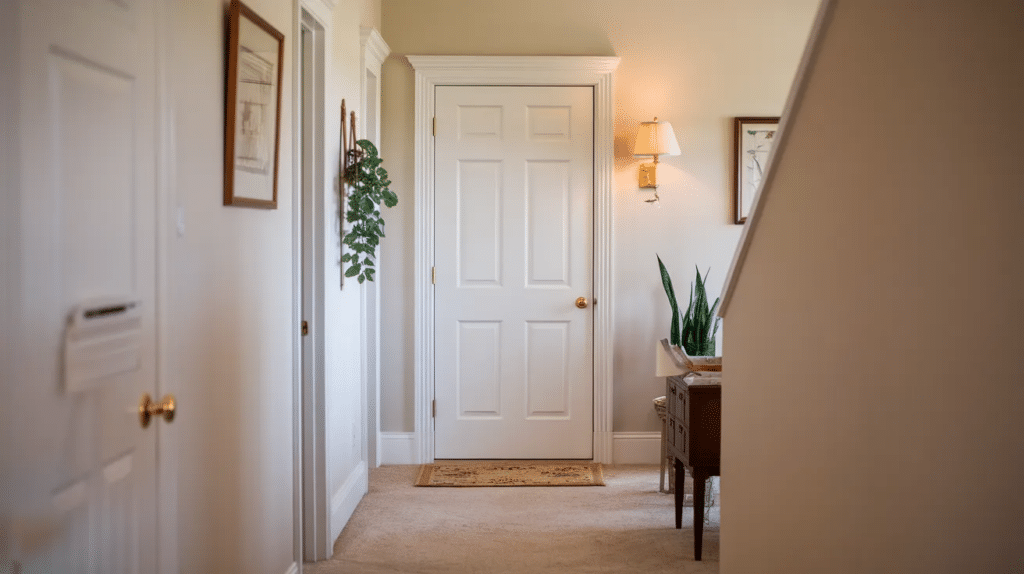
Interior prehung doors are used inside the home, in bedrooms, bathrooms, and closets. They are lighter in weight compared to exterior doors and do not require heavy weatherproofing or insulation. This makes them easier to handle and faster to install.
Because they are designed purely for indoor use, they are available in a wide range of styles, finishes, and materials. Whether you prefer a classic six-panel design or a simple flat-panel look, interior prehung doors give you plenty of options to match your home decor.
2. Exterior Prehung Doors
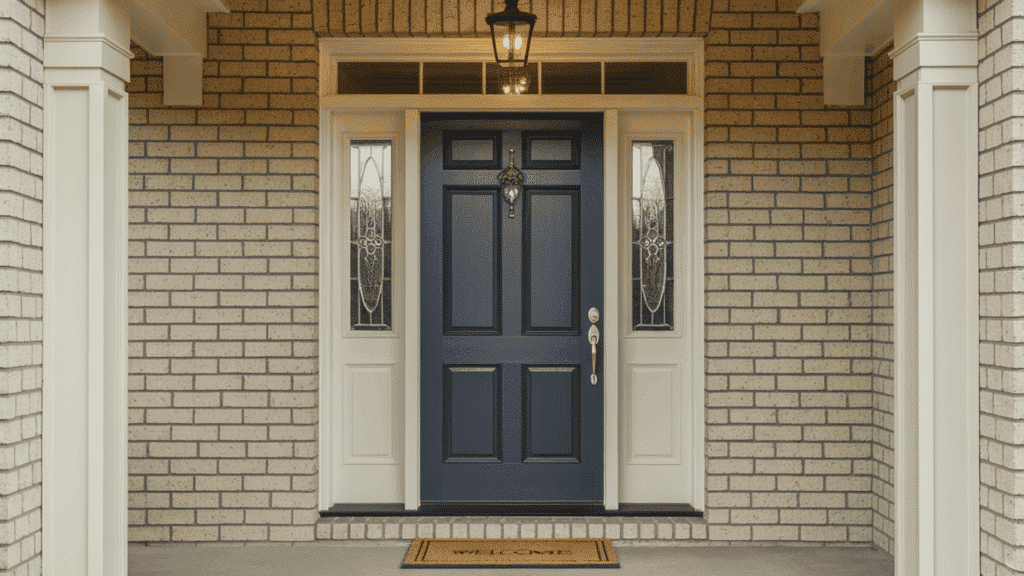
Exterior prehung doors are used as entry points front door, back door, and side entrance. They are built with stronger, more durable materials like solid wood, fiberglass, or steel and come with weatherstripping and insulation built in.
These doors are specifically designed to handle outdoor elements like rain, wind, and temperature changes.
A good quality exterior prehung door also plays a key role in your home’s security and energy efficiency, keeping the elements out and the comfort in.
3. Single Prehung Doors
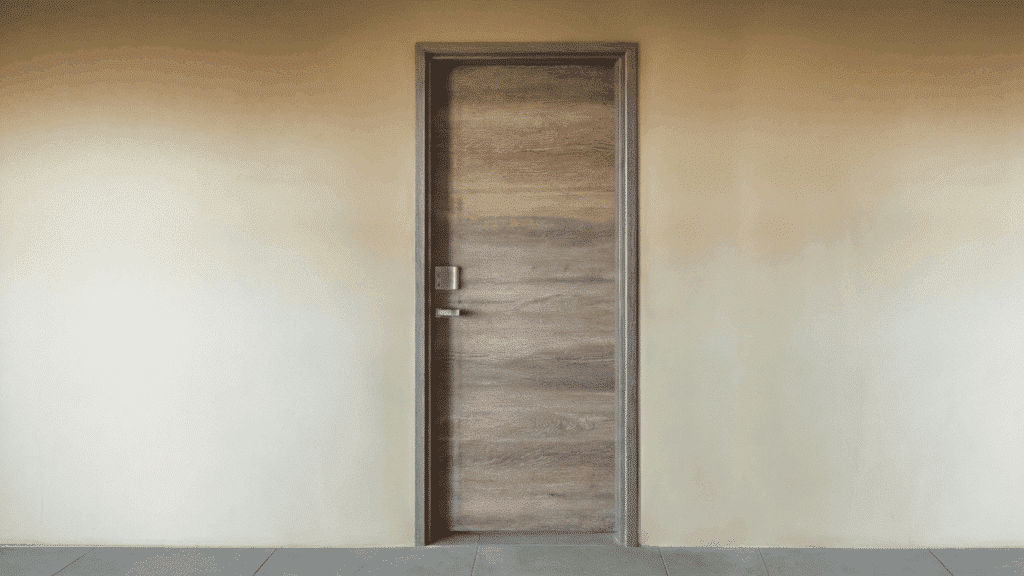
A single prehung door is the most common type of door panel fitted into one frame. It works well for standard doorways throughout the home, including bedrooms, bathrooms, kitchens, and utility rooms.
They are cost-effective, straightforward to install, and available in a wide range of sizes. Standard sizes like 30×80 and 32×80 fit most doorways, making them the go-to choice for both new construction and replacement projects.
4. Double Prehung Doors
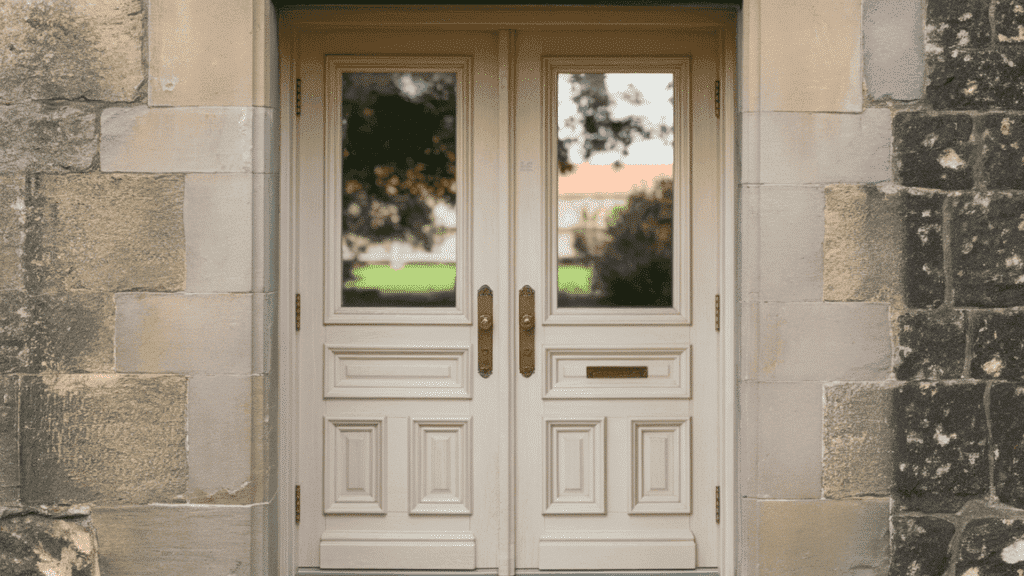
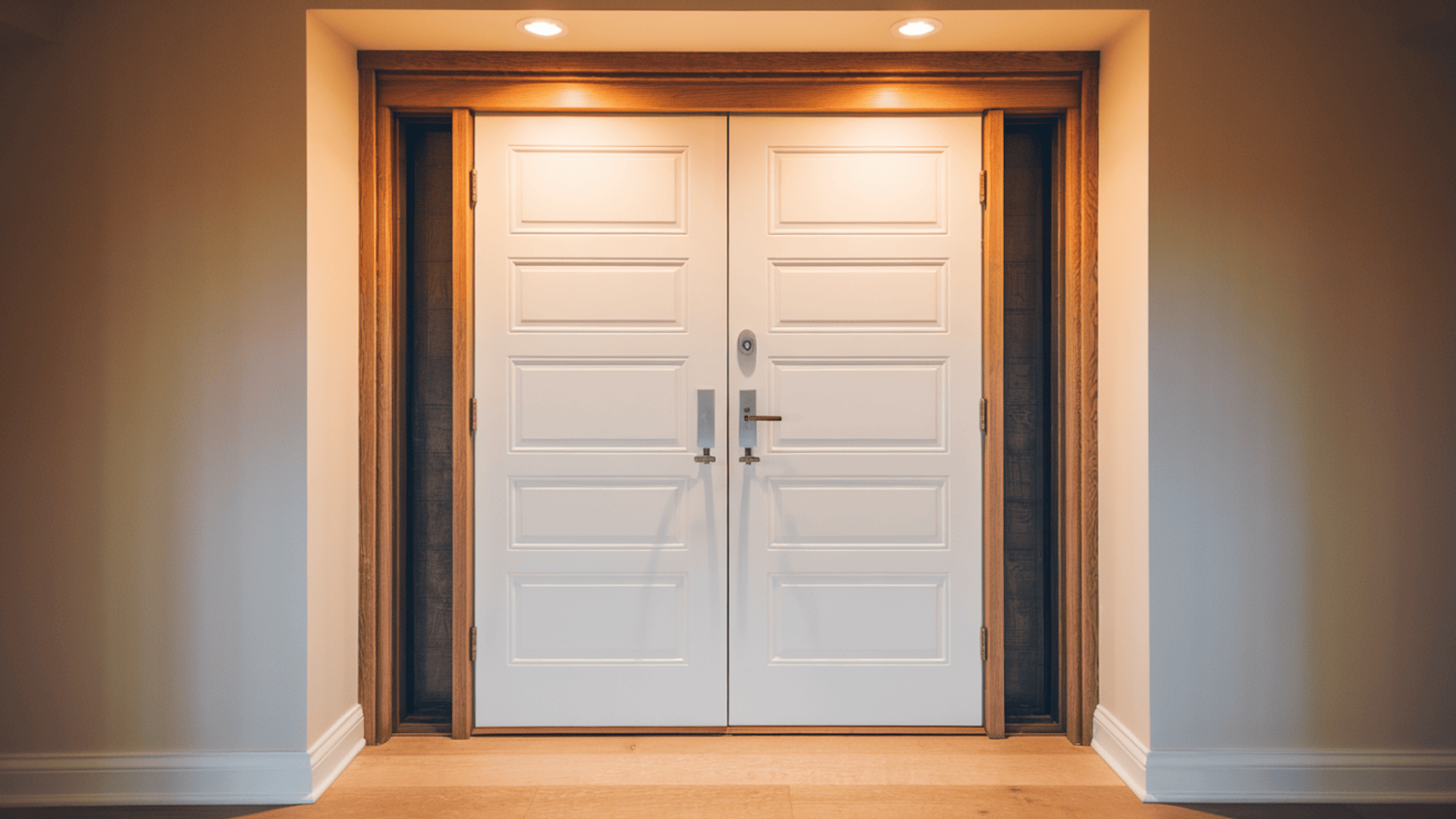
Double prehung doors feature two door panels in one frame, commonly known as French doors. They are designed for wider openings like patios, dining rooms, living rooms, or main entrances where a single door would feel too narrow.
Beyond their practical use, double prehung doors create a more open and spacious feel in any room. They are a popular choice for homeowners looking to add a touch of style and character to their living space without a major renovation.
Prehung Door vs. Slab Door
Both are solid door options. But they serve very different purposes. Knowing the difference saves you time, money, and frustration.
| Feature | Prehung Door | Slab Door |
|---|---|---|
| Frame | Comes with its own frame | No frame included |
| Hinges | Pre-attached | Installed separately |
| Skill Level | Beginner friendly | Requires more experience |
| Time Required | Faster | Takes longer |
| Average Door Price | $150 — $800 | $50 — $400 |
| What is Included | Door, frame, hinges | Door panel only |
| Overall Value | Better for full replacements | Better for simple door swaps |
| Best For | New construction or full-frame replacement | Existing frame in good condition |
A prehung door is built as one unit, the door and frame fit each other perfectly from the start. A slab door relies entirely on your existing frame.
If that frame is damaged or uneven, you will run into problems down the line. Simply put — if you are starting fresh, go with a prehung door. If your existing frame is in good shape, a slab door gets the job done.
DIY vs. Hiring a Professional
Installing a prehung door yourself can save you a good amount of money. But hiring a professional has its own advantages.
DIY Prehung Door Installation
Installing a prehung door yourself means you only pay for tools and materials. No labor cost is involved, which makes it a budget-friendly option for homeowners with basic home improvement experience.
Basic tools needed include a level, hammer, shims, screwdriver, and tape measure. If you already own these, your total installation cost drops to nearly nothing.
DIY installation will cost you around $50 to $100 in tools with zero labor cost.
Hiring a Pro
Hiring a professional means the job gets done correctly the first time. No guesswork, no risk of misalignment, and no wasted materials.
It costs more upfront, but it is worth it, especially for exterior doors where proper fitting is critical. Keep in mind that your final cost will also vary depending on door size, material, and your location.
Hiring a professional will run between $150 to $400 in labor, but it gets the job done in 1 to 2 hours with minimal risk of error.
Common Mistakes to Avoid
Buying a prehung door seems simple, but small mistakes can turn into costly problems. Avoid these common errors to ensure a smooth installation.
- Buying the wrong size – Measure your rough opening carefully before purchasing.
- Choosing the wrong door type – Match interior and exterior doors to their proper locations.
- Ignoring swing direction – Confirm left- or right-hand swing before ordering.
- Skipping professional installation – Hire a pro for exterior doors to prevent leaks and damage.
A little planning goes a long way when purchasing a prehung door. Measure carefully, choose correctly, and install properly to get it right the first time.
Final Thoughts
Now you know exactly what a prehung door is: a complete, ready-to-install unit that saves you time, effort, and a lot of guesswork compared to a slab door.
From choosing the right type for your space to understanding the cost difference between DIY and hiring a professional, you have everything you need to make a confident decision.
The right door makes a bigger difference than most homeowners realize in security, insulation, and overall home comfort.
So before your next door replacement or new construction project, take what you have learned here and make the choice that works best for your home and budget.

With a Master in Architectural Studies from University of Pennysylvania, Marwa Haydar has pioneered living spaces since 2005. Her expertise, initially honed in a prestigious architectural firm, is evident in her approach to creating environments. Marwa became part of our team in 2019 and has since been a driving force in our home improvement section, known for her practical yet stylish solutions. She’s been spearheading our design workshops since then, infusing her passion for teaching into her work. In her leisure time, Marwa enjoys exploring historic architecture and is an enthusiastic pottery hobbyist, further enriching her understanding of form and texture.