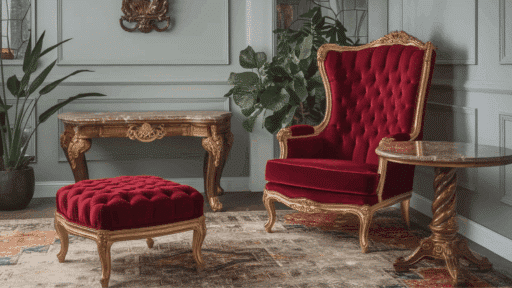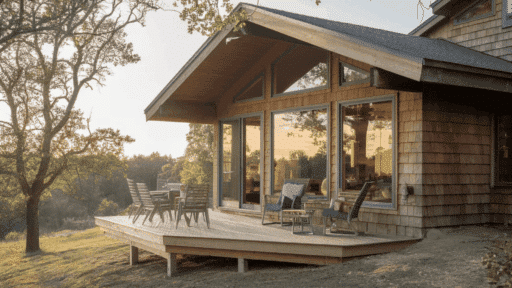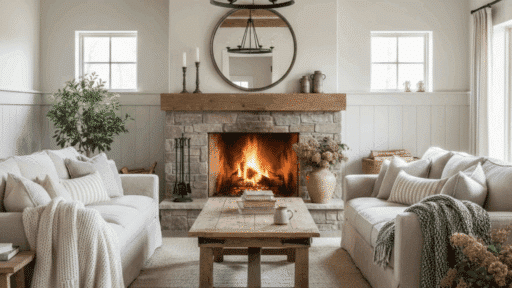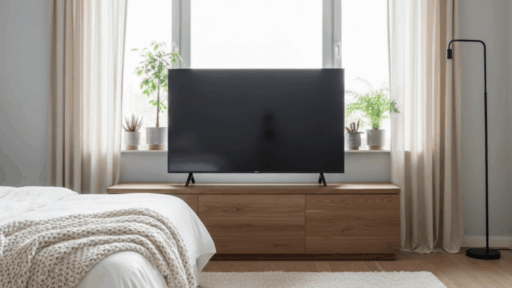
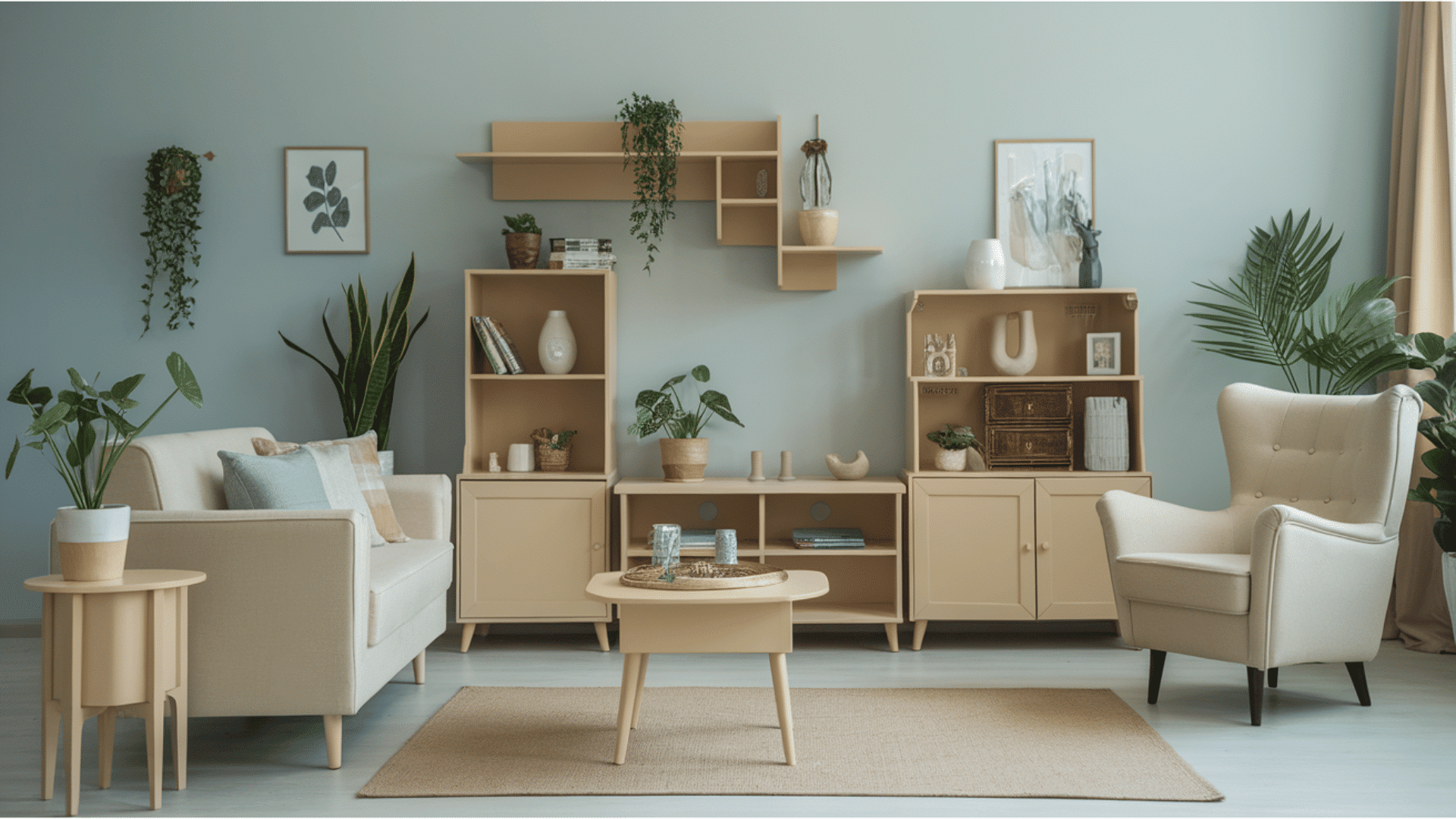

Enter a room where everything just feels right. The colors don’t fight for attention, the furniture feels balanced, and nothing seems out of place. That quiet sense of flow is what we call harmony in interior design.
It’s not about matching every single piece, and it’s definitely not about perfection. It’s about connection. When colors relate, materials repeat, and styles stay consistent, a space feels calm and lived-in.
In this guide, I’ll talk about how harmony actually works and how you can apply it in real life, without overcomplicating the process.
What is Harmony in Interior Design?
Harmony in interior design means unity in interior design, everything in a room works together in a natural, balanced way.
It doesn’t mean every piece has to match perfectly, and it definitely doesn’t mean the space has to look staged. Instead, harmony is about connection.
When colors relate to each other, shapes are repeated thoughtfully, and furniture feels properly sized for the room, the space starts to feel cohesive.
Coordinated materials, like repeating the same wood tone or metal finish, also help tie everything together. Even sticking to one clear design style makes a big difference because it prevents the room from feeling scattered.
When these elements align, the room feels calm, comfortable, and intentional rather than random or overwhelming.
Why Harmony Matters in a Home
Without harmony, even expensive rooms can look messy. Harmony is what separates “random decor” from thoughtful design.
- Makes a space feel calm
- Reduces visual clutter
- Improves flow between rooms
- Makes decorating easier
- Helps your home feel intentional
Ways to Create Harmony in Interior Design
You don’t need a designer to create harmony in your home. With a simple plan and thoughtful choices, you can make any space feel balanced and connected.
1. Use a Simple Color Palette
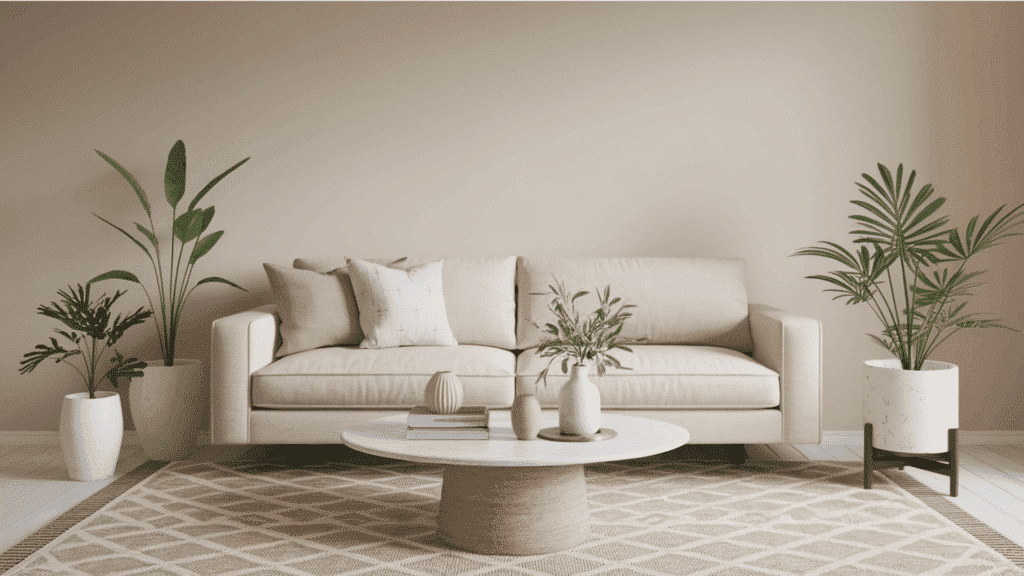
Creating harmony in interior design starts with color. You don’t need dozens of shades to make a room look good. In fact, fewer colors usually work better.
Choose two to four main colors. Start with one base color for walls or large furniture. Then add a supporting color and one accent shade.
The key is repetition. If you use navy pillows on the sofa, repeat navy in artwork, a vase, or a rug pattern. When colors appear more than once, the room instantly feels connected instead of random.
2. Repeat Shapes and Lines
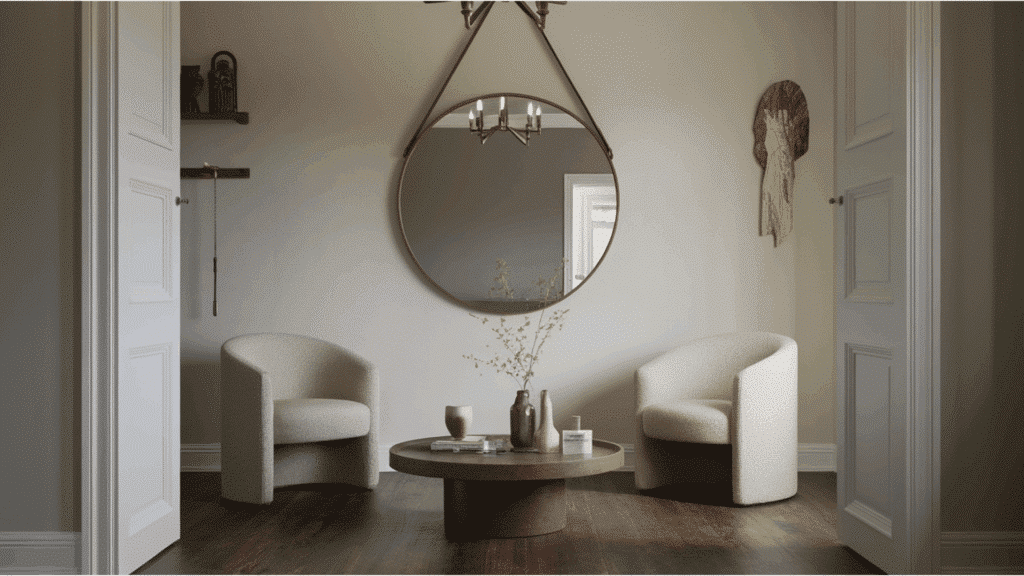
Take a look at the shapes in your room. Are they mostly straight and structured, or soft and curved? Pick a direction and repeat it. If you have a round mirror, try adding a round coffee table or curved chairs.
If your space leans modern with clean lines, repeat those sharp edges in shelving or lighting. Repeating shapes makes the design feel intentional. It gives the room rhythm and structure, so nothing feels out of place or added at the last minute.
3. Stick to One Main Style
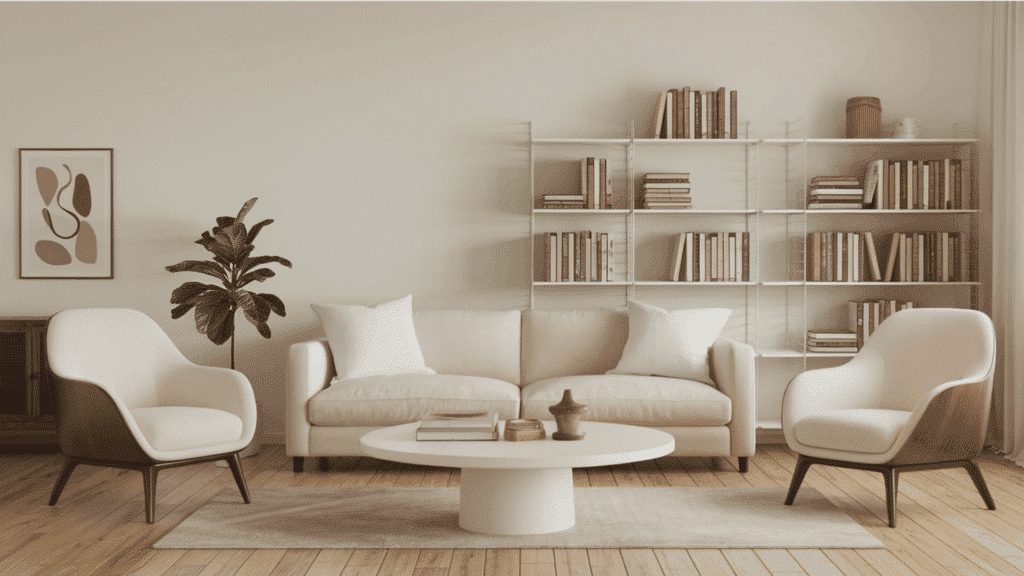
Mixing styles can work, but too many can make a room feel busy. Choose one main design style and let it guide your decisions. Whether it’s modern, farmhouse, Scandinavian, or traditional, stay consistent.
You can still add small touches from another style, but keep at least one element the same – like color, wood tone, or finish. This keeps everything grounded. When there’s one clear direction, the space feels cohesive instead of confused.
4. Balance Textures and Materials
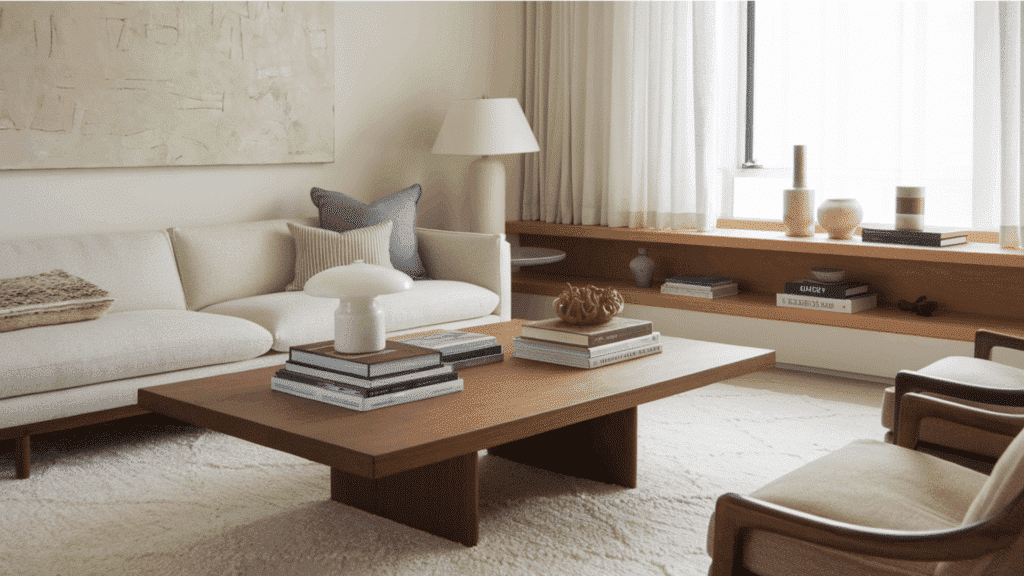
Harmony isn’t just about color. Texture plays a big role too. Mix soft fabrics like linen or cotton with natural wood, metal accents, and smooth surfaces.
The goal is balance, not overload. If you introduce black metal in a light fixture, repeat it in furniture legs or cabinet handles. When materials show up more than once, the room feels tied together.
A mix of textures adds depth, but repetition keeps it controlled and cohesive.
5. Keep Flow Between Rooms
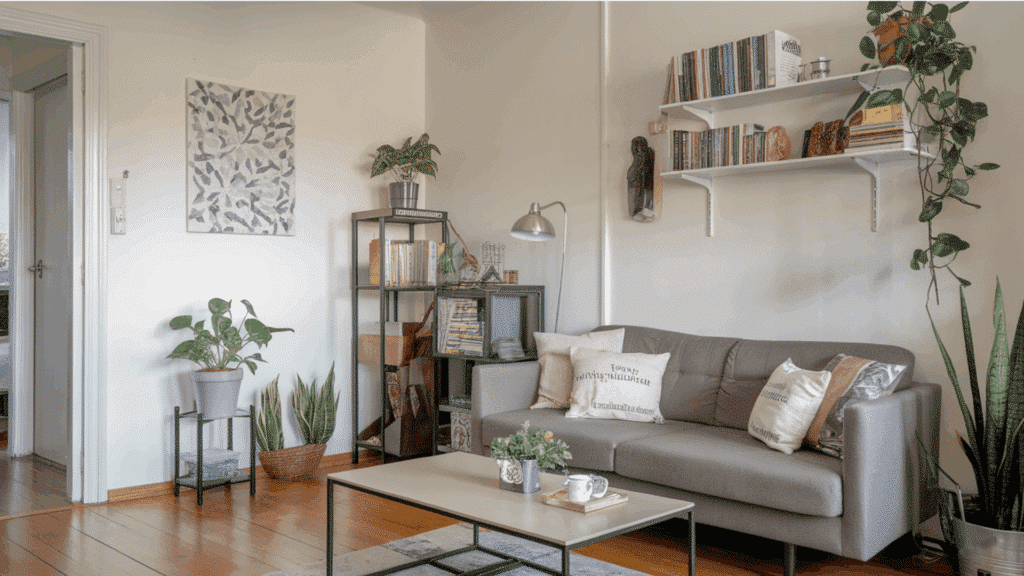
Harmony shouldn’t stop at one space. Especially in open layouts, consistency matters. Try to keep flooring similar across rooms. Use related color tones so transitions feel smooth.
Repeat finishes like brass or matte black throughout the home. Even maintaining the same overall design style helps. When rooms connect visually, the entire home feels unified. Instead of separate spaces, you create one continuous, balanced environment.
Room-by-Room Examples of Harmony
Harmony becomes easier to understand when you see it in action, so let’s walk through simple room-by-room examples you can apply right away.
Living Room
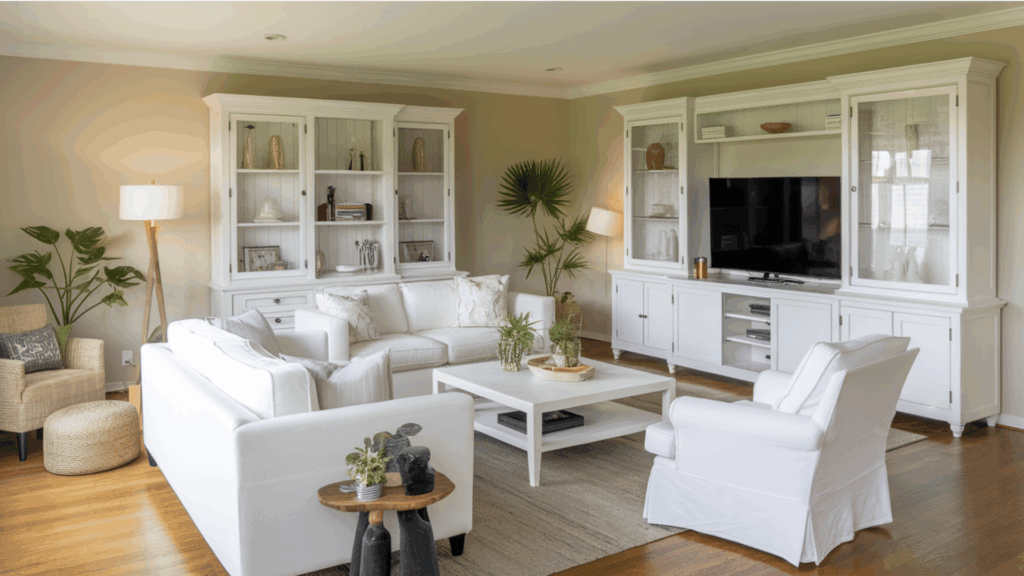
| Element | Design Tip | Purpose |
|---|---|---|
| Sofa | Neutral sofa to create a calming base | Provides a flexible foundation for the room |
| Accent Pillows | Matching pillows with wall art for visual cohesion | Ties the color scheme and artwork together |
| Coffee Table | Wood coffee table to complement side shelves | Creates balance with wooden elements in the room |
| Lighting & Decor | Same metal finish in lighting and decor for consistency | Ensures a unified look in design accents |
Bedroom
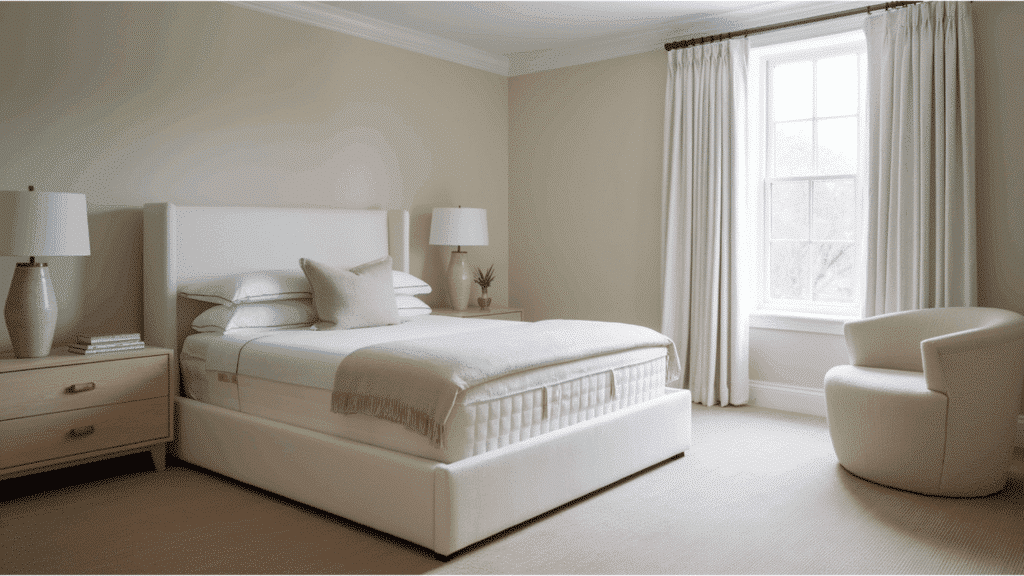
| Element | Design Tip | Purpose |
|---|---|---|
| Sofa | Neutral sofa to create a calming base | Offers a versatile foundation for the room. |
| Accent Pillows | Matching pillows with wall art for visual cohesion | Links the color scheme and artwork. |
| Lighting & Decor | Same metal finish in lighting and decor for consistency | Creates a unified look in design accents. |
| Bedding | Bedding that complements wall color | Achieves a harmonious blend with the walls. |
| Bedside Lamps | Matching bedside lamps | Ensures symmetry and functional lighting. |
| Rug & Curtains | Coordinated rug and curtains | Unifies patterns and colors in the room. |
Kitchen
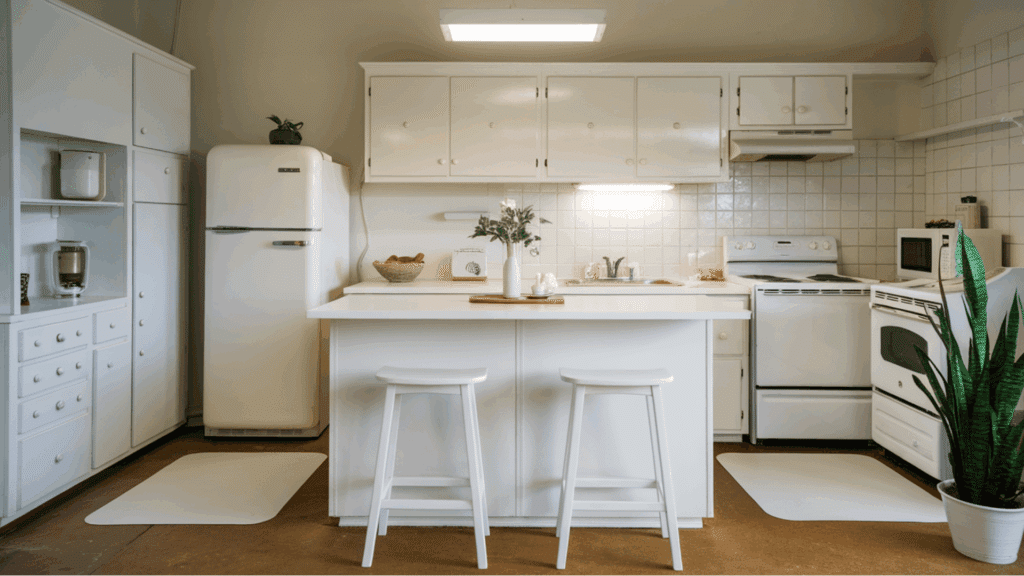
| Element | Design Tip | Purpose |
|---|---|---|
| Cabinet Color | Cabinet color connected to backsplash tone | Creates a seamless flow between the cabinets and backsplash. |
| Hardware Finish | Matching hardware finish throughout | Ensures consistency and a cohesive look across all hardware elements. |
| Countertop Material | Consistent countertop material | Maintains uniformity in design, contributing to a cohesive and polished look. |
Bathroom
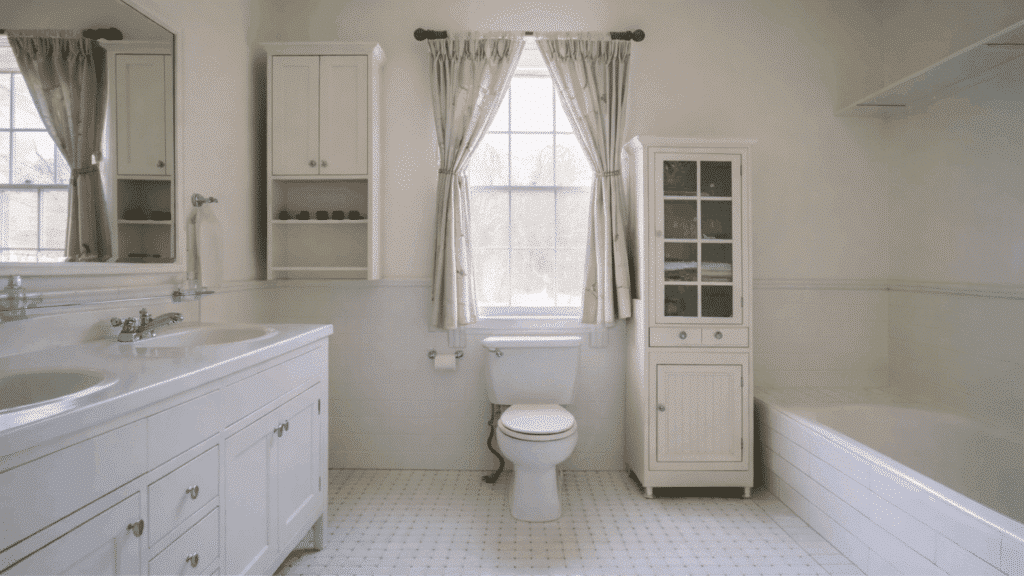
| Element | Design Tip | Purpose |
|---|---|---|
| Vanity Color | Vanity color that complements wall tiles | Ties the vanity and tiles together for a cohesive look. |
| Faucet & Hardware Finish | Matching faucet, showerhead, and hardware finish | Creates a uniform look across bathroom fixtures. |
| Towels | Towels that repeat one main accent color | Reinforces the color scheme with a key accent color. |
| Mirror Frame | Mirror frame that connects with lighting finish | Unifies the mirror and lighting for a balanced design. |
How Harmony Works in Small Spaces
Creating harmony in small spaces is essential for making the most of limited space. With the right design elements, you can maximize functionality while maintaining a balanced, stylish atmosphere.
- Limit the Color Palette: Use one main color and one or two related tones. Too many colors can make a small space feel busy.
- Choose Light and Connected Shades: Light tones reflect more light and make the room feel open. Keeping undertones similar prevents clashing.
- Repeat Finishes Consistently: Match hardware, lighting, and décor finishes to avoid a mixed look that feels cluttered.
- Select Slim, Proportional Furniture: Choose pieces that fit the scale of the room. Bulky furniture can overwhelm compact areas.
- Keep Décor Minimal: Avoid filling every surface. A few intentional pieces create breathing space.
- Focus on Visual Flow: When elements connect, the eye moves smoothly across the room, making the space feel larger and more organized.
Common Mistakes That Break Harmony
Sometimes harmony isn’t about what you add – it’s about what you remove. Here are a few common design choices that can quickly throw a room off balance:
- Using too many bold or competing colors in one space
- Combining unrelated design styles without a connecting element
- Choosing furniture that feels too large or too small for the room
- Overfilling shelves and surfaces with decorative pieces
- Mixing random metal finishes without repetition
Conclusion
Creating harmony in interior design isn’t about strict rules or perfectly matched furniture. It’s about making thoughtful choices that connect your space in simple ways.
When colors repeat, materials relate, and styles stay consistent, rooms begin to feel natural instead of forced.
Small adjustments, like coordinating finishes or refining your color palette, can completely change how a space feels. Start with one room, focus on balance, and build from there.
Over time, those intentional decisions will shape a home that feels calm, connected, and easy to live in.

With a Master in Architectural Studies from University of Pennysylvania, Marwa Haydar has pioneered living spaces since 2005. Her expertise, initially honed in a prestigious architectural firm, is evident in her approach to creating environments. Marwa became part of our team in 2019 and has since been a driving force in our home improvement section, known for her practical yet stylish solutions. She’s been spearheading our design workshops since then, infusing her passion for teaching into her work. In her leisure time, Marwa enjoys exploring historic architecture and is an enthusiastic pottery hobbyist, further enriching her understanding of form and texture.