You noticed one tiny fly hovering near your pothos last Tuesday. By Friday, there were six. By Sunday? You’d rather not talk about it.
Fungus gnats are one of the most common houseplant problems out there, and one of the most frustrating. Most advice online gives you the same recycled tips that only half-work, leaving you still swatting flies two weeks later.
Here’s the thing: knowing how to get rid of gnats in plants properly means understanding what you’re actually dealing with first. This guide covers every method that actually works. Let’s fix this.
What are Fungus Gnats and Why are They in Your Plants?
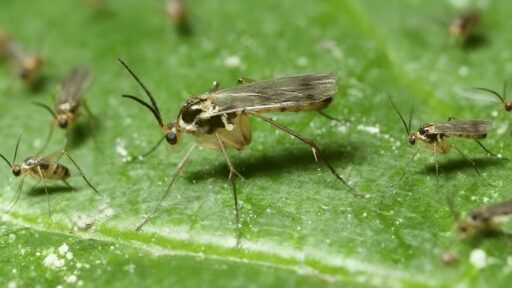
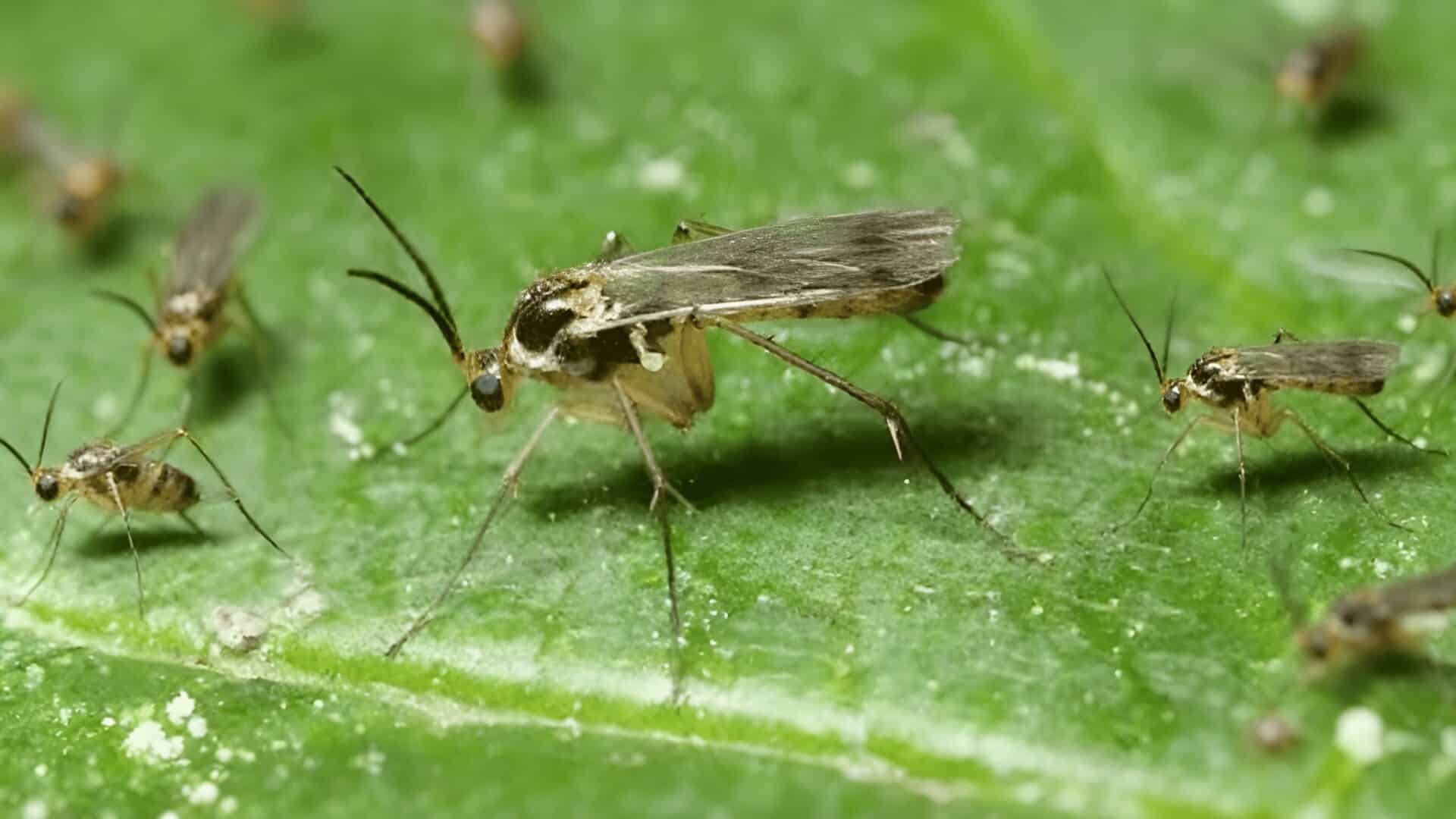
First things first, if you’re seeing tiny flies near your houseplants, they’re probably not fruit flies. Fruit flies hang around your kitchen and are drawn to rotting food. Fungus gnats are different: they’re smaller, darker, and you’ll almost always find them hovering right at soil level.
Here’s the part most people don’t realize: the adults are basically harmless. Annoying, yes, but the real damage is happening underground.
Fungus gnat larvae live in your soil and feed on root hairs, which is what causes that wilting, yellowing, and stunted growth you might already be noticing in your plants.
The root cause is almost always moist soil. Fungus gnats need consistently damp, organic-rich soil to lay their eggs. If you’re someone who waters frequently or tends to keep your soil on the wetter side, that’s exactly the environment they’re looking for.
Understanding this cycle is the key to figuring out how to get rid of gnats properly. Treating just the adults without addressing the larvae is like mopping the floor while the tap is still running.
Do Gnats Bite?
If you’ve been Googling “do gnats bite” while side-eyeing your houseplants, let’s clear this up right now.
Fungus gnats do not bite. They don’t have the mouthparts for it. The confusion usually comes from mixing them up with other tiny flying insects; midges and sandflies look similar and absolutely do bite, which is why the panic comes.
But if what you’re seeing is hovering around your plant pots and struggling to fly in a straight line, it’s almost certainly fungus gnats, and you’re completely safe.
So if you’ve been worried about getting bitten or whether your pets are at risk, you can let that one go. Fungus gnats are a plant problem, not a people problem.
How to Get Rid of Gnats in Plants: Methods that Actually Work
Okay, here’s the part you actually came for. I’ve tried most of these myself and I’ll tell you honestly which ones made a real difference and which ones are just wishful thinking.
1. Let the Soil Dry out Between Waterings
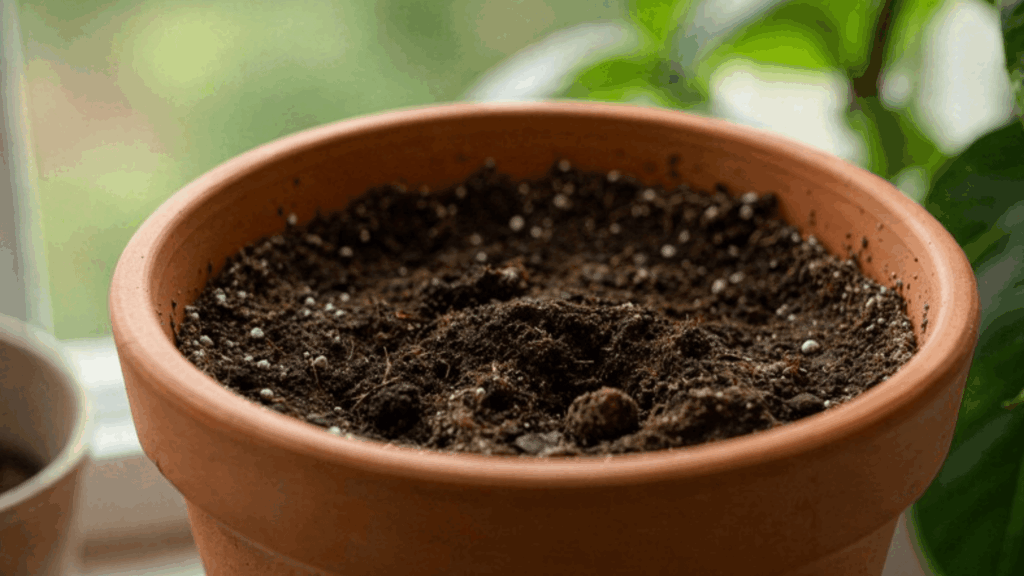
This is the single most effective thing you can do, and it costs nothing. Fungus gnats need consistently moist soil to lay eggs and for larvae to survive.
Wait until the top 2 inches of soil are completely dry before watering again. I know it feels wrong, especially if you’re a dedicated waterer, but I noticed a visible drop in adult gnat activity within a week of simply adjusting my watering schedule. No products, no treatments. Just patience.
Use the finger test or a cheap moisture meter instead of watering on a fixed schedule. Your plants will tell you when they’re ready.
Best for: All houseplants, especially tropical varieties that are commonly overwatered.
2. Yellow Sticky Traps
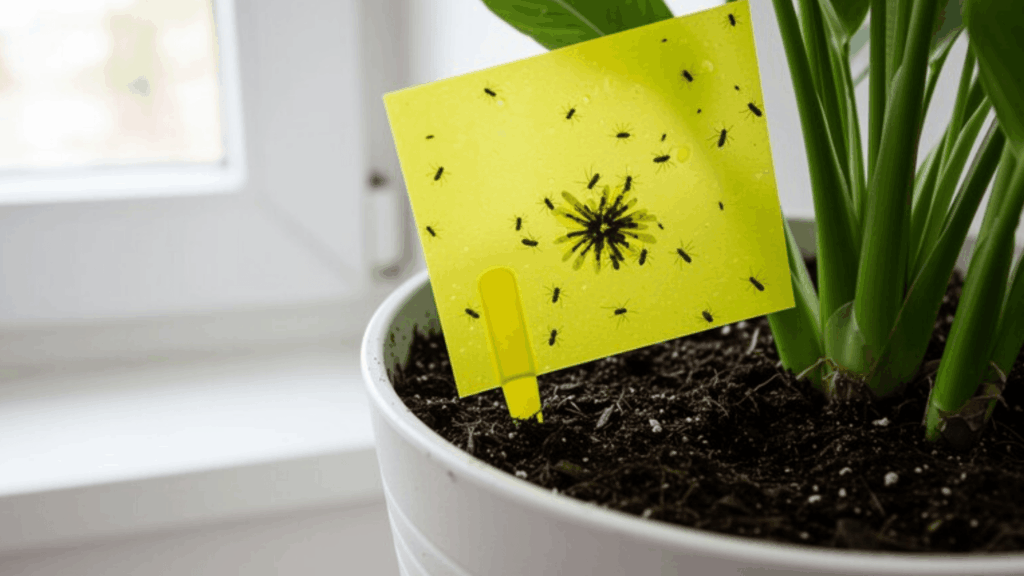
Yellow sticky traps placed just above the soil surface catch adult gnats by the dozens; they’re irresistibly attracted to the color yellow and fly straight into the adhesive.
They won’t solve your larval problem underground, but they’re excellent for breaking the adult breeding cycle and, importantly, showing you exactly how bad the infestation is. I put one in my most infested pot, and it was covered within 24 hours. Gross, but motivating.
Replace traps every 1 to 2 weeks, or when they’re full. Keep them low, right at soil level, is where the action is.
Best for: Catching adults and monitoring infestation severity.
3. Hydrogen Peroxide Soil Drench
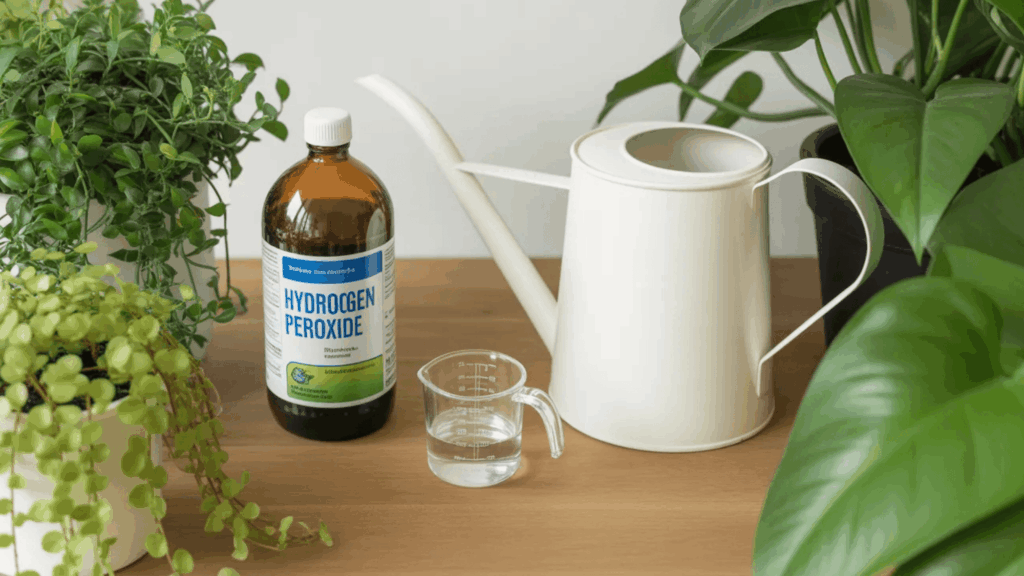
This one is genuinely one of the most effective methods for killing larvae directly, and it’s probably already under your bathroom sink. Mix 1 part 3% hydrogen peroxide with 4 parts water, then use it to water your plant as usual.
The peroxide kills larvae on contact as it moves through the soil, then breaks down harmlessly into water and oxygen. It’ll fizz a little when it hits the soil; that’s completely normal and means it’s working.
Do this two to three times over two weeks for the best results, letting the soil dry between treatments.
Best for: Moderate-to-severe infestations in which larvae are actively damaging roots.
4. Neem Oil Soil Drench
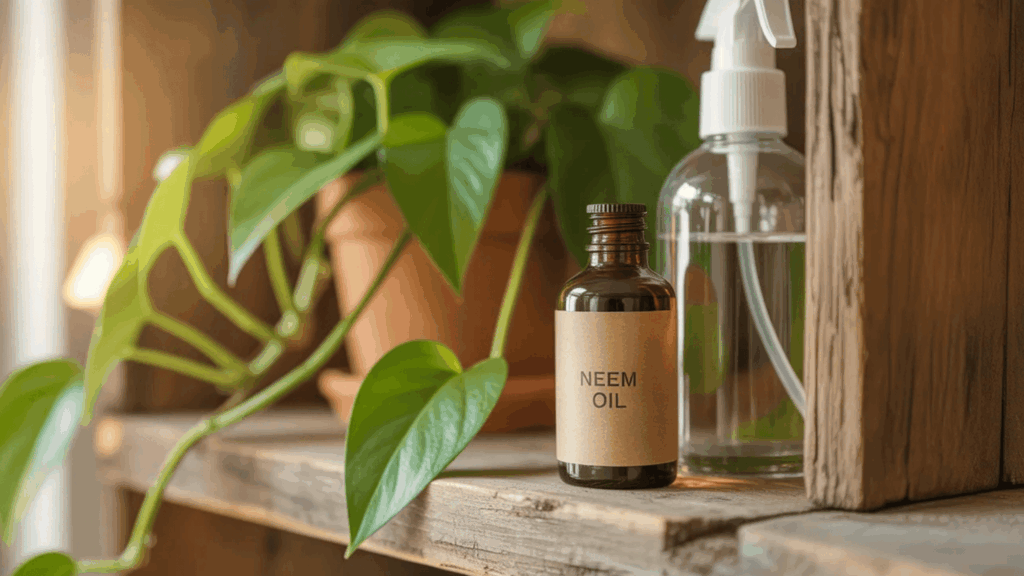
Neem oil disrupts the life cycle of fungus gnats at the larval stage and works as a completely natural pesticide. Mix pure neem oil with water and a small drop of dish soap; the soap helps it emulsify, and use it to water your plant as normal.
Fair warning: it smells strong. Like garlic and peanuts, argued. But it dissipates within a day or so, and the results are worth it.
Use cold-pressed, pure neem oil for the best results and apply it in the evening to avoid any light sensitivity on your leaves.
Best for: Organic gardeners who want a natural, multi-purpose solution.
5. Sand Topdressing
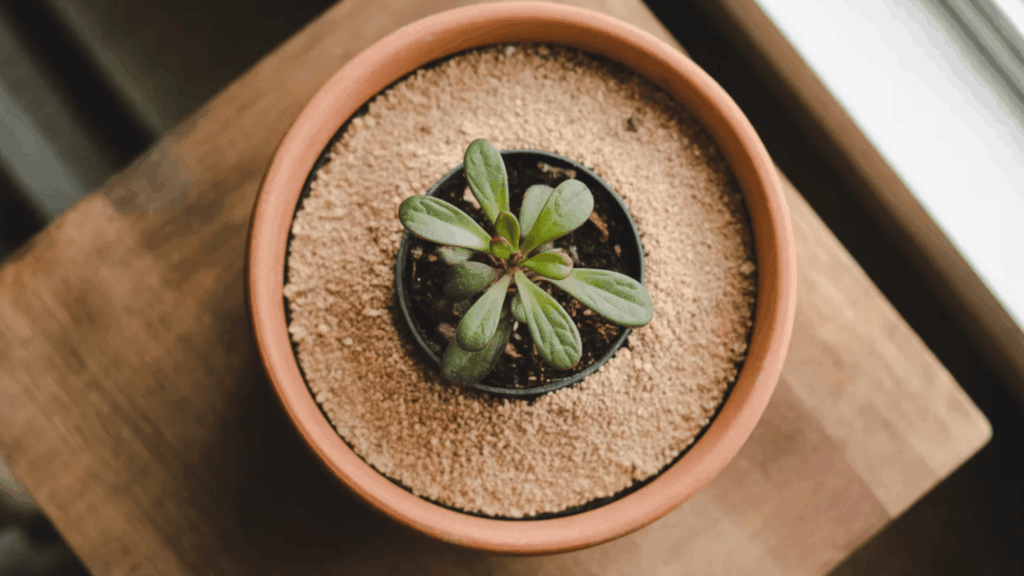
This one is more of a prevention tool than a cure, but it works remarkably well at stopping re-infestation after you’ve treated the larvae. Spread a half-inch layer of coarse sand over the soil surface. Gnats need moist organic matter to lay their eggs, and they can’t penetrate a dry sand barrier.
I used this on a snake plant that kept getting re-infested every few weeks, no matter what I did. Adding a sand topdress finally stopped the cycle completely. It also looks clean and intentional on top of your pots, which is a nice bonus.
Use horticultural sand or coarse builder’s sand; fine beach sand packs too tightly and can affect drainage.
Best for: Prevention and stopping re-infestation after active treatment.
6. Mosquito Bits
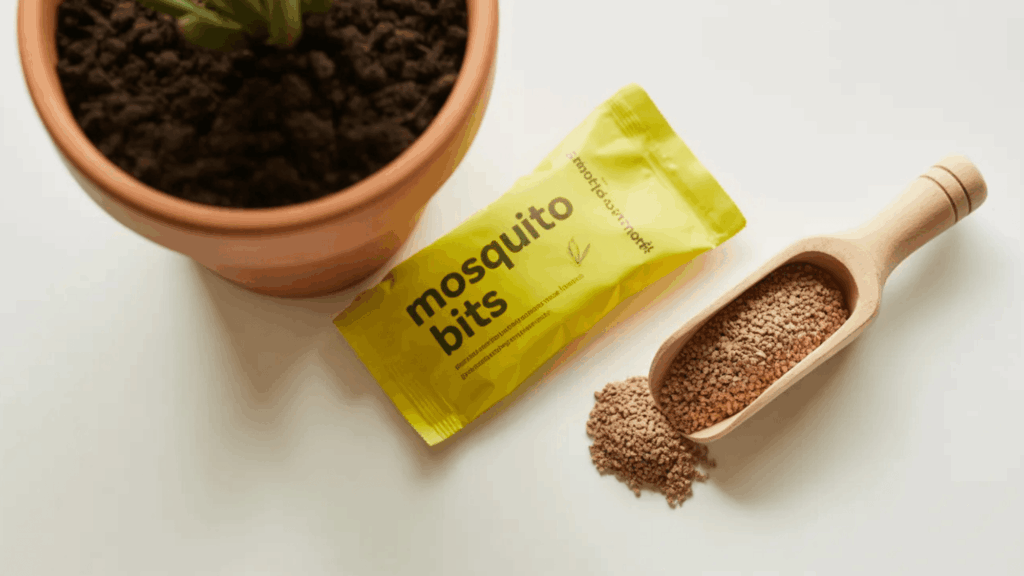
This sounds more complicated than it is. Bacillus thuringiensis var. israelensis — sold as Mosquito Bits or Gnatrol — is a naturally occurring soil bacterium that specifically targets and kills fungus gnat larvae. It won’t harm your plants, your pets, your kids, or any beneficial insects. It only goes after the larvae.
Sprinkle Mosquito Bits directly onto the soil surface, or soak them in water for 30 minutes and use the liquid to water your plants.
Best for: Stubborn or recurring infestations that haven’t fully responded to other methods.
7. Repotting with Fresh Soil
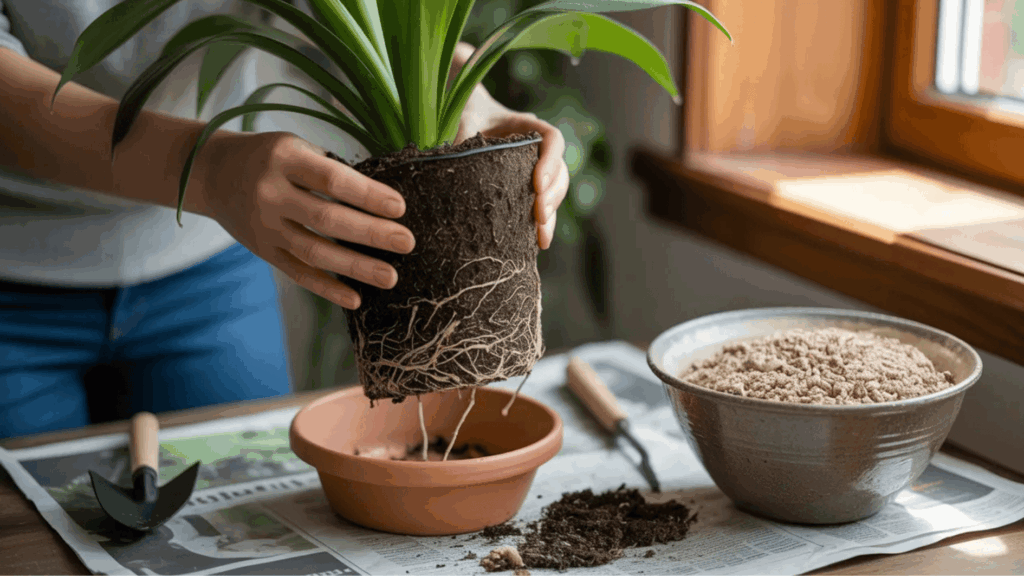
Sometimes, the most efficient way to get rid of gnats in plants is a full reset. If your infestation is severe and your plant is already showing signs of root damage, wilting, yellowing, or slow growth, repotting into fresh soil is the fastest way to start clean.
Remove the plant from its pot, shake off as much old soil as you can, rinse the roots gently under lukewarm water, and repot into a fresh, well-draining mix. Throw the old soil away immediately; don’t compost it or leave it sitting near other plants.
Add perlite to your new potting mix to improve drainage and make the soil less hospitable to gnats.
Best for: Severely infested plants or plants already showing visible root damage.
How Long Does It Take to Get Rid of Gnats in Plants?
Let’s be real, this is the question everyone actually wants answered. So here’s an honest timeline:
| Stage | What Happens | Expected Time |
|---|---|---|
| Adult Gnats | Sticky traps and soil treatment reduce flying adults quickly. | 3–5 days to see a clear drop. |
| Larvae in Soil | Soil treatments like hydrogen peroxide or BTi target larvae underground. | 1–2 weeks for control. |
| Full Life Cycle Control | Continued treatment removes adults, larvae, and newly hatched gnats. | 3–4 weeks for full eradication. |
The fastest route? Combine two or three methods at once, let the soil dry, run sticky traps, and do a hydrogen peroxide drench simultaneously. Stack your solutions, and you’ll see results much faster than tackling it one step at a time.
How to Prevent Gnats from Coming Back
Getting rid of gnats is one thing; keeping them gone is another. Treatment without prevention is just a cycle you’ll repeat every few months. These habits are what actually make the difference in the long term.
- Check every new plant before it comes inside. Gnats hitchhike in nursery soil constantly. Inspect the soil, let it dry out, and consider a preventative hydrogen peroxide drench before the plant joins your collection.
- Switch to a well-draining potting mix. Heavy, moisture-retaining soil is basically a welcome mat for gnats. Add perlite to improve drainage and stop the soil from staying wet too long between waterings.
- Empty your saucers after watering. Standing water under your pots keeps the surrounding soil moist for longer, exactly the environment gnats are looking for. Tip them out within an hour of watering.
- Water from the bottom whenever you can. This is the single habit change that made the biggest difference for me. Since switching to bottom watering, I haven’t had a serious infestation since. Surface soil stays dry, and dry surface soil means nowhere to lay eggs.
- Keep a sticky trap in place permanently. Even after the infestation clears, leave one yellow sticky trap in your most vulnerable plants. They’ll catch any new arrivals before things spiral again.
- Avoid overwatering. When in doubt, wait another day. More houseplants are lost to overwatering than underwatering, and consistently moist soil is the number one reason gnats move in.
Conclusion
Fungus gnats are frustrating, but they’re not invincible.
Now that you know exactly how to get rid of gnats in plants, and more importantly, how to keep them from coming back, you’re already ahead of most plant owners still Googling the same recycled advice.
Start simple: let your soil dry out, put up a yellow sticky trap, and do one hydrogen peroxide drench this week.
Stay consistent for 3–4 weeks, build a couple of prevention habits into your routine, and this will be the last time you have to deal with gnats in your home.

Certified Veterinary Technician Ethan Brooks has cared for companion animals in clinics and shelters for 13 years. Joining us in 2025, he shares health advice, training hacks, and product reviews that keep pets happy and owners informed. Off duty, Ethan rehabilitates injured wildlife and competes in agility trials with his border collie, Scout.