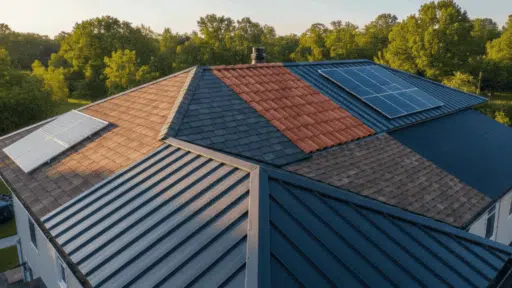
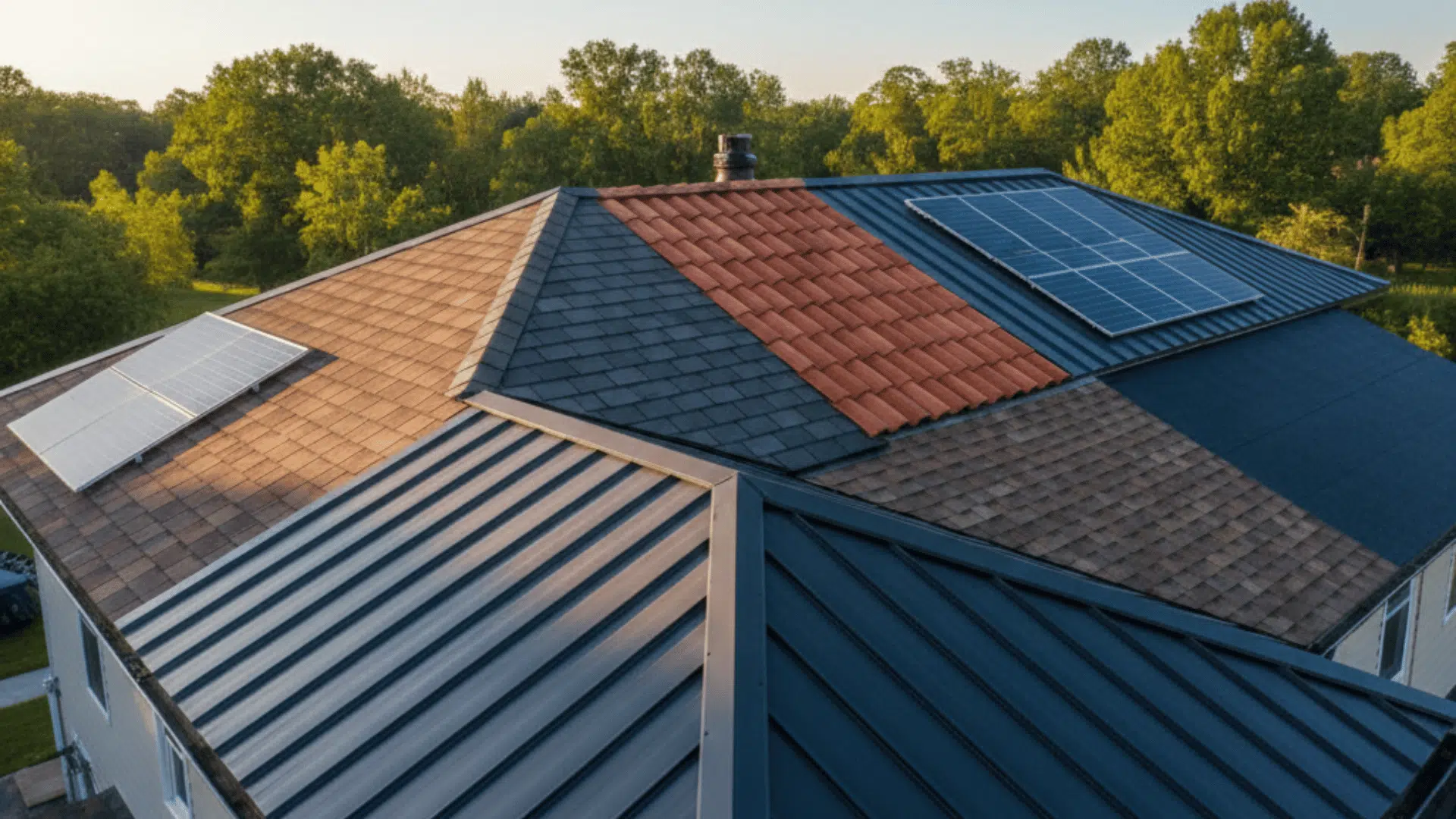

Standing in the hardware store staring at endless shingle options, you know you need a new roof, but which type is right for your home?
Understanding different types of roof shingles is crucial before investing thousands of dollars in a new roof, yet most people have no idea where to start.
We’re breaking down all types of roof shingles, including their characteristics, materials, durability, costs, and lifespans, so that you can make an informed decision.
You’ll learn which options work best for your climate, budget, and home style. Let’s seeall the roof shingles types available today, from budget-friendly asphalt to premium slate. Find your perfect match.
Roof Shingles Types You Need to Know
Not all roofing materials are created equal. Some shingles are designed for affordability and easy installation, while others focus on longevity, energy efficiency, or premium curb appeal.
Here are the most popular and specialized roof shingles types available today, so you can compare your options with confidence.
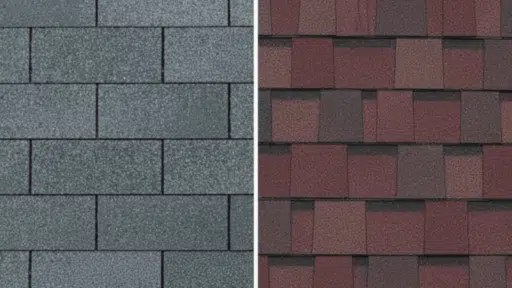
1. Asphalt 3-Tab Shingles
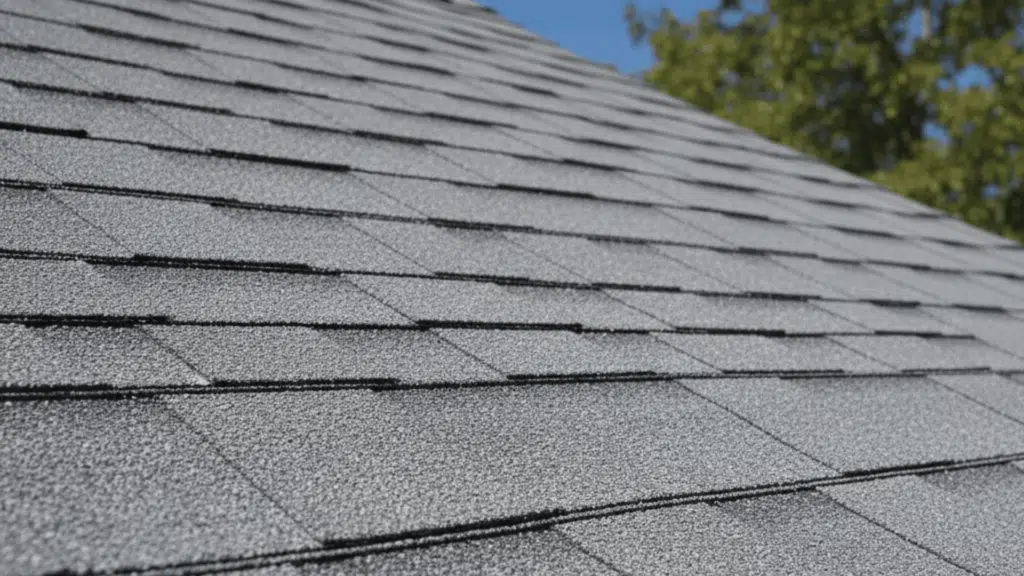
These are your basic, budget-friendly shingles. The economy option that gets the job done without any frills.
They’re lightweight, cost just $1-$2 per square foot, and last 15-20 years. The flat, uniform appearance is pretty basic, and they’re less wind-resistant than other options.
Perfect for rental properties or tight budgets, but don’t expect them to boost your curb appeal.
2. Architectural (Dimensional) Asphalt Shingles
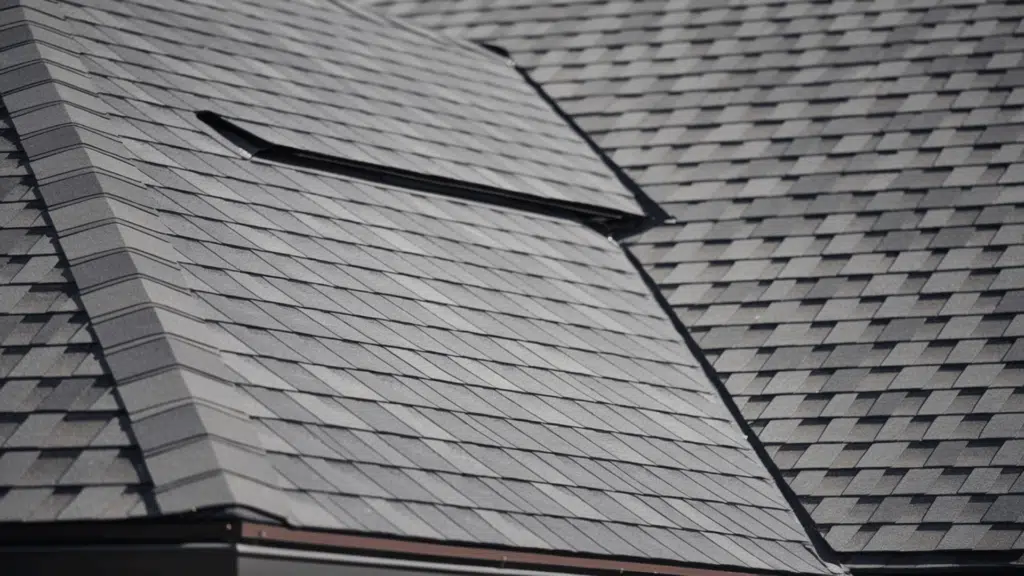
The most popular choice in America, these multi-layered shingles create depth and shadow lines, making your roof look three-dimensional.
They’re tougher than 3-tabs, handle winds up to 130 mph, and last 25-30 years. At $3-$5 per square foot, they’re the sweet spot between affordability and quality.
If you’re unsure what to get and want something reliable that looks decent, this is probably your answer.
3. Luxury Asphalt Shingles
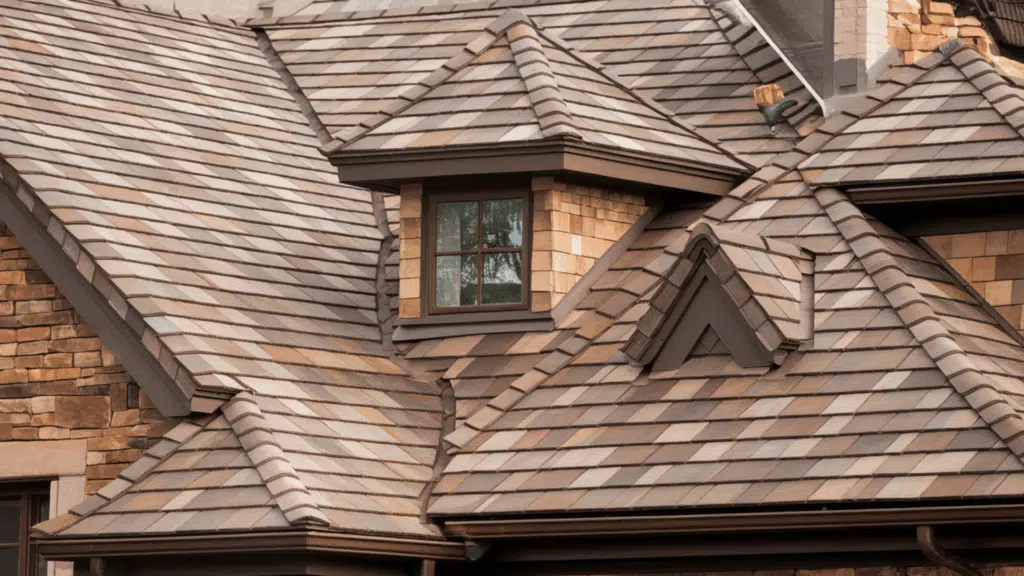
The premium tier of asphalt is designed to mimic slate or cedar shake and from the street, most people can’t tell the difference.
These thick, multi-layered shingles last 30-50 years and run $5-$8 per square foot. They deliver high-end curb appeal without the weight or cost of real stone or wood.
Just make sure your roof structure can handle the extra weight.
4. Fiberglass Shingles
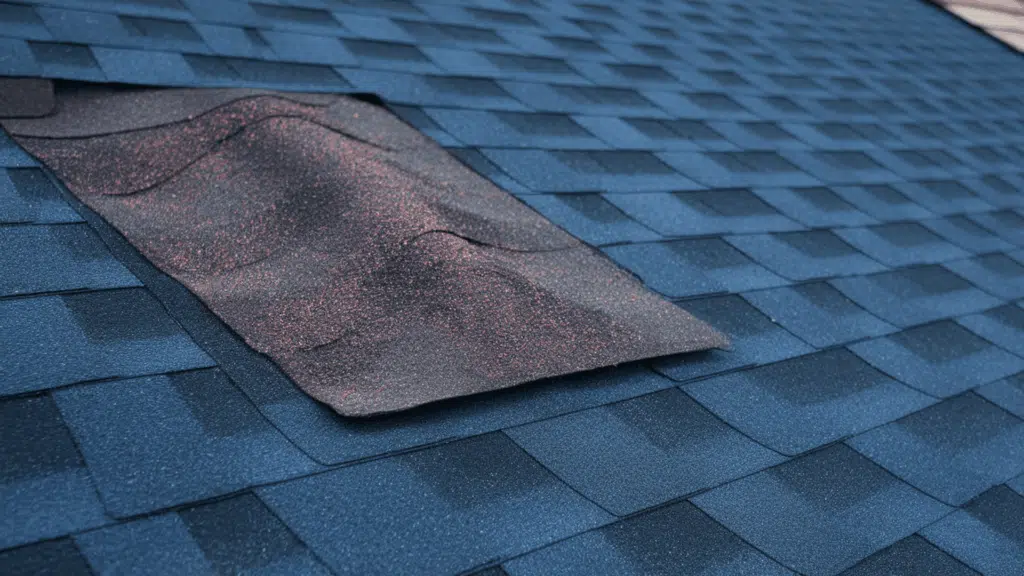
Most modern “asphalt shingles” are actually fiberglass; they use a fiberglass mat base instead of paper, making them lighter and more fire-resistant.
They’re what you’ll find at any big-box store, they’re affordable, and they hold up well in most climates.
The only downside is they can get brittle in extreme cold, but for most people, they’re a solid, drama-free choice.
5. Organic Asphalt Shingles
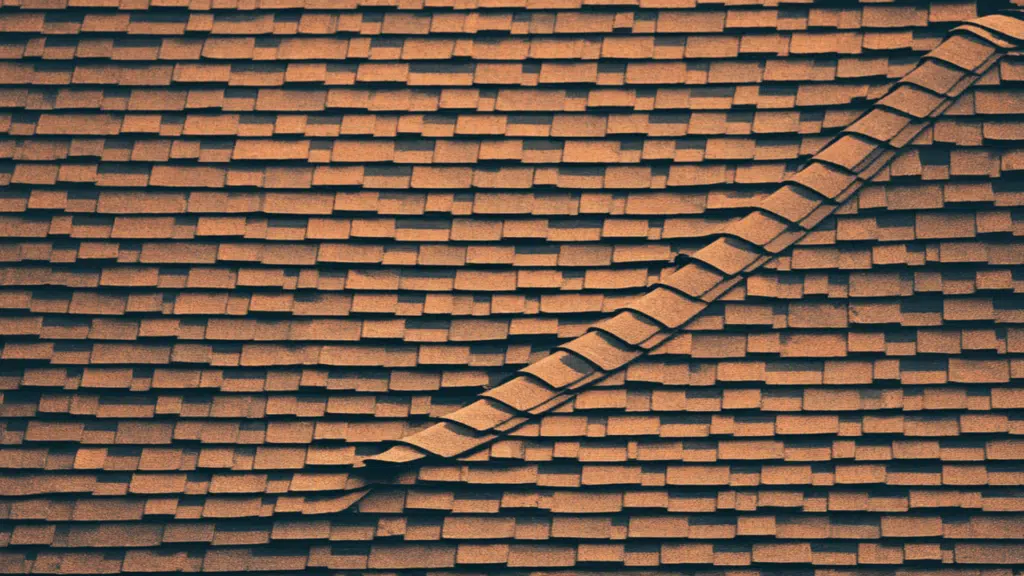
The old-school option your grandparents probably had was recycled felt paper saturated with asphalt. They’re more flexible in freezing weather but heavier and less fire-resistant than fiberglass.
Most roofers today will steer you toward fiberglass instead since the technology’s just better. You’ll mainly see these on older homes.
6. Wood Shingles
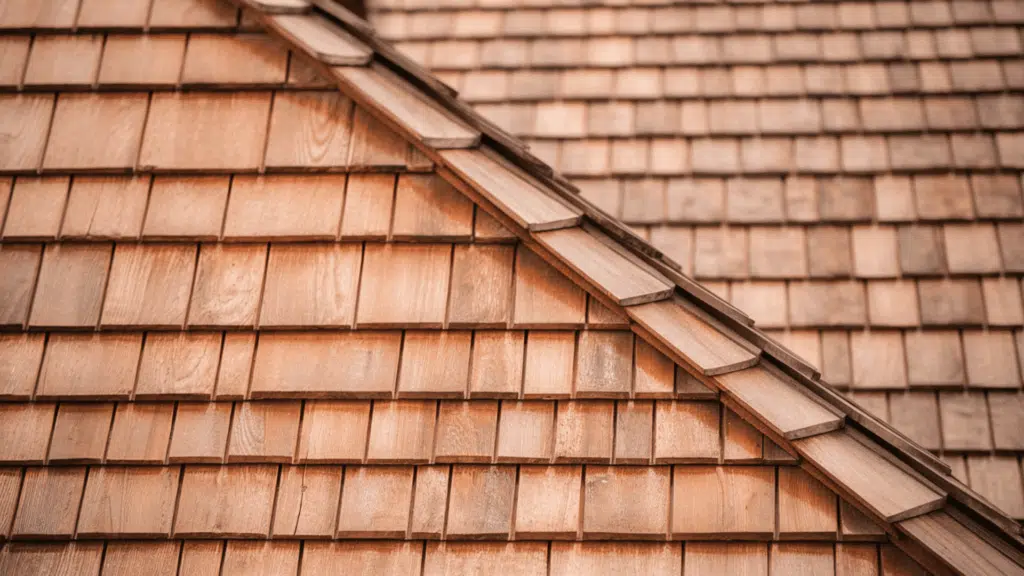
Machine-cut cedar shingles offer that classic, natural look with uniform pieces and built-in insulation value.
Cedar’s natural oils resist rot and insects, making them perfect for Cape Cod cottages and craftsman homes.
But they’re high maintenance, and you’ll need to treat them regularly to prevent moss and mold. Beautiful, but definitely more work than asphalt.
7. Wood Shakes
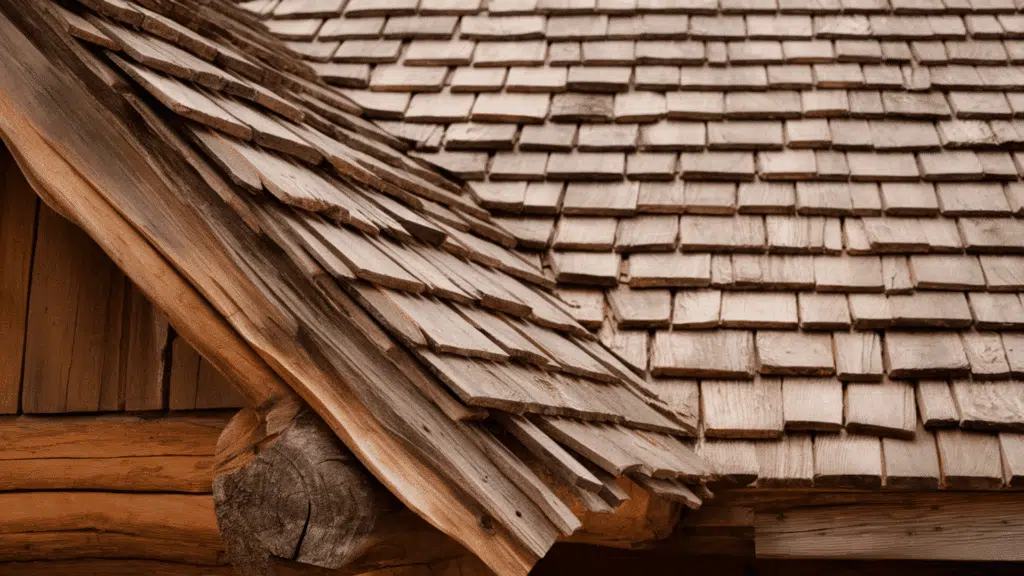
Hand-split or machine-split for that thick, rustic, irregular texture, no two pieces look alike. They’re chunkier than regular shingles and last 30-40 years with proper care, perfect for mountain homes and cabins.
Expect to pay $7-$10 per square foot, and be ready for regular maintenance. They’re heavy, expensive, and can be tricky to walk on for repairs.
8. Slate Shingles
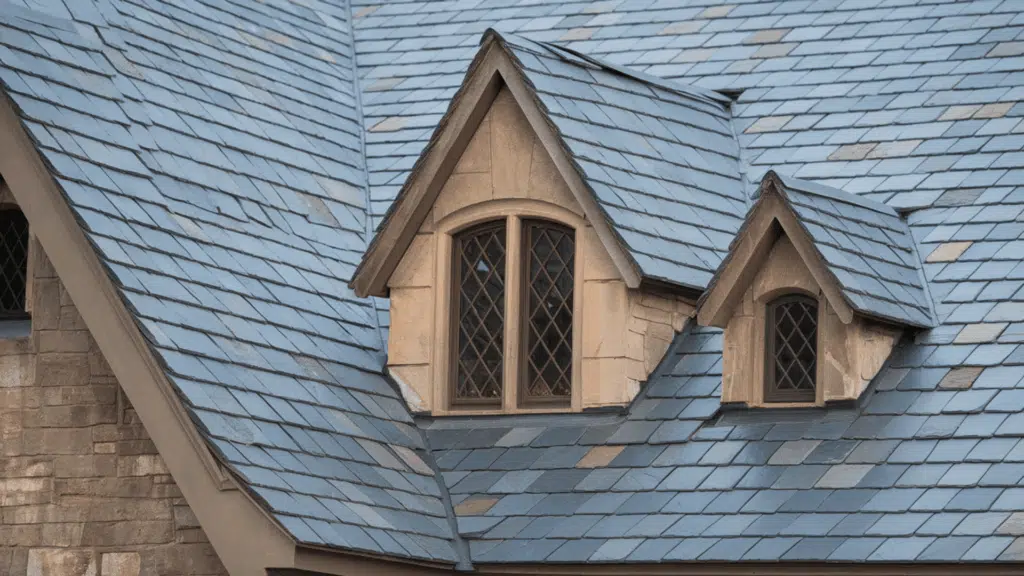
Real stone roofing that can last 75-150 years. Your grandkids might inherit this roof. It’s fireproof, gorgeous, and needs basically zero maintenance, but wow is it expensive at $15-$30+ per square foot.
It’s also crazy heavy, requiring serious structural reinforcement and specialized installers. This is a once-in-a-lifetime investment, literally.
9. Synthetic Slate Shingles
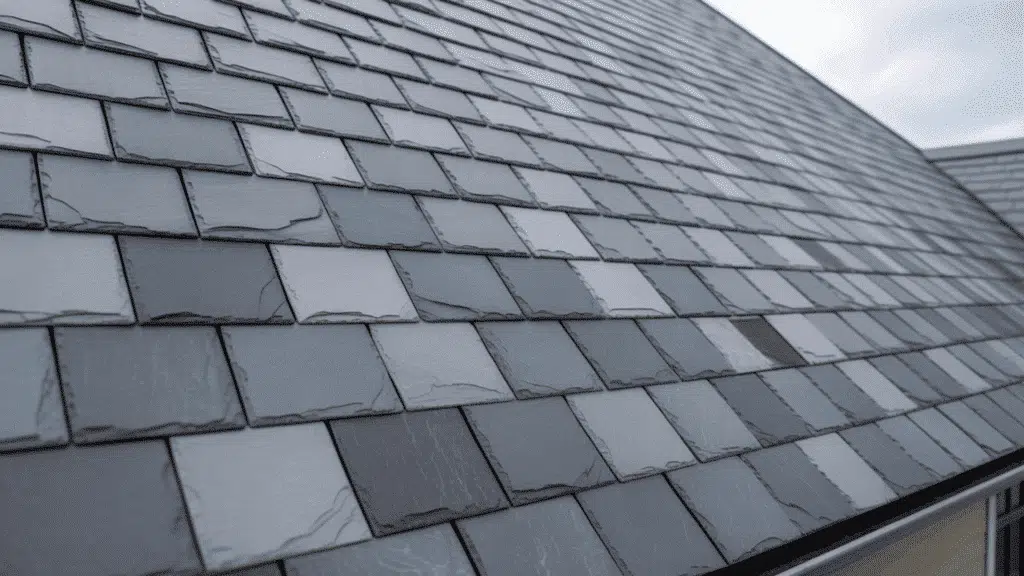
Made from rubber or plastic polymers to mimic real slate at about half the cost. They’re way lighter (no structural reinforcement needed), easier to install, and last 40-60 years.
Up close, you can sometimes tell it’s not real stone, and quality varies wildly between manufacturers. Do your research on brands before buying.
10. Clay Tile Shingles
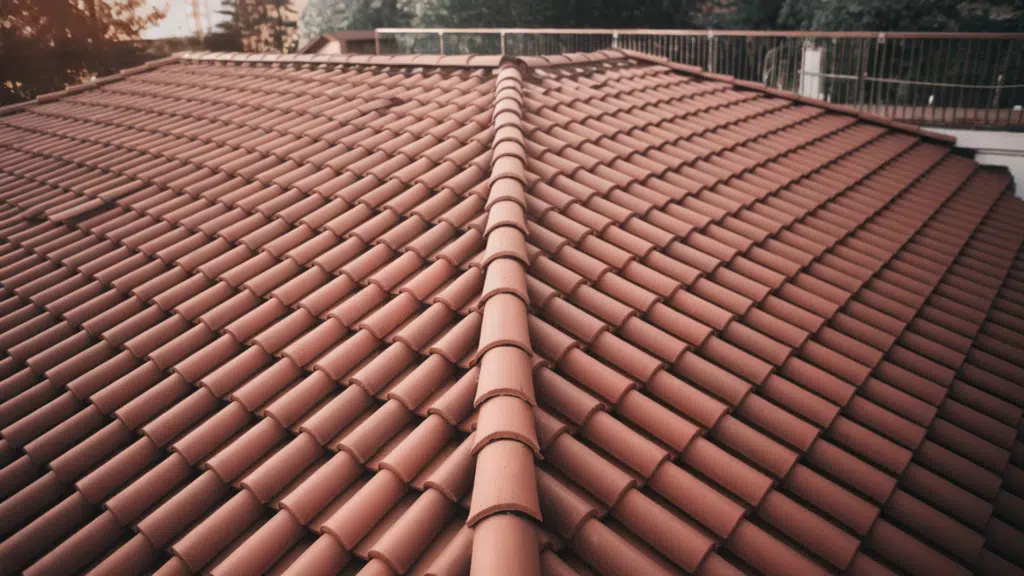
Those iconic curved, terracotta tiles you see on Spanish and Mediterranean homes are fired at high temperatures for fireproof durability.
They last 50-100+ years and keep houses cooler in hot climates. The downsides? Expensive at $10-$18 per square foot and super heavy (800-1000 lbs per square), requiring structural support.
They also crack if you walk on them incorrectly.
11. Concrete Tile Shingles
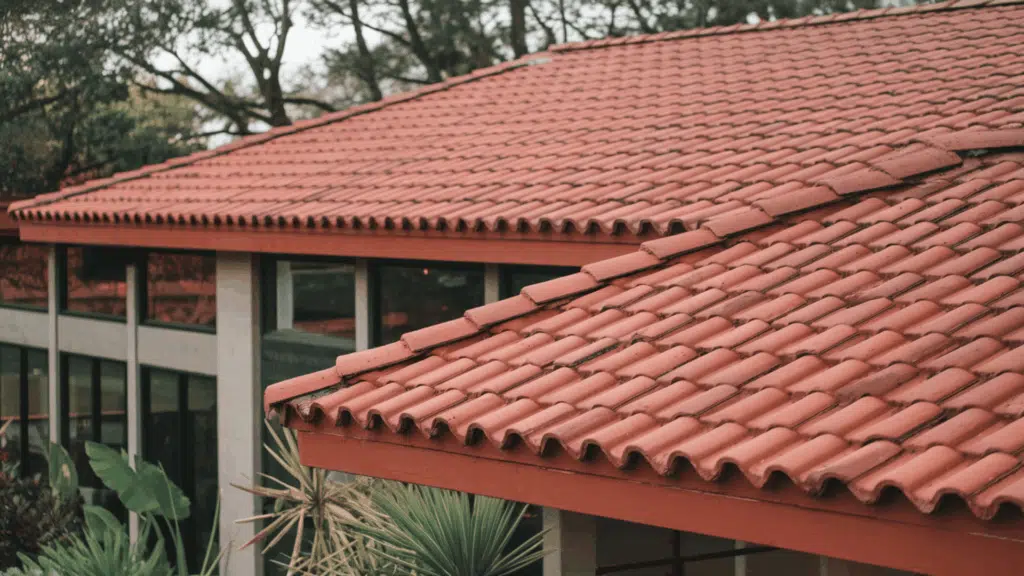
Clay tile’s more affordable cousin is cement, sand, water, and water molded into tile shapes. They give you the tile look at $8-$15 per square foot and last 40-75 years.
You can get different profiles that mimic clay or slate pretty convincingly. Still heavy, though, and they can absorb moisture in humid climates, potentially encouraging algae growth.
12. Metal Shingles
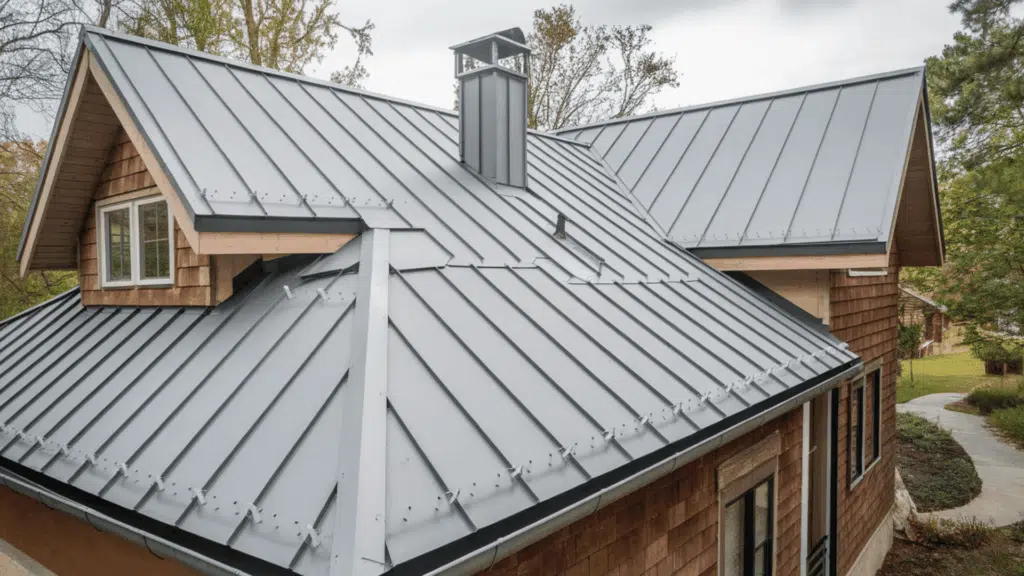
Steel, aluminum, or copper shaped to look like traditional shingles rather than industrial panels. They last 40-70 years, reflect heat to lower AC bills, and are 100% recyclable, plus snow slides right off.
The trade-offs: possible denting from major hail, rain noise without proper insulation, and $5-$12 per square foot. If longevity matters, metal’s hard to beat.
13. Standing Seam Metal Roofing
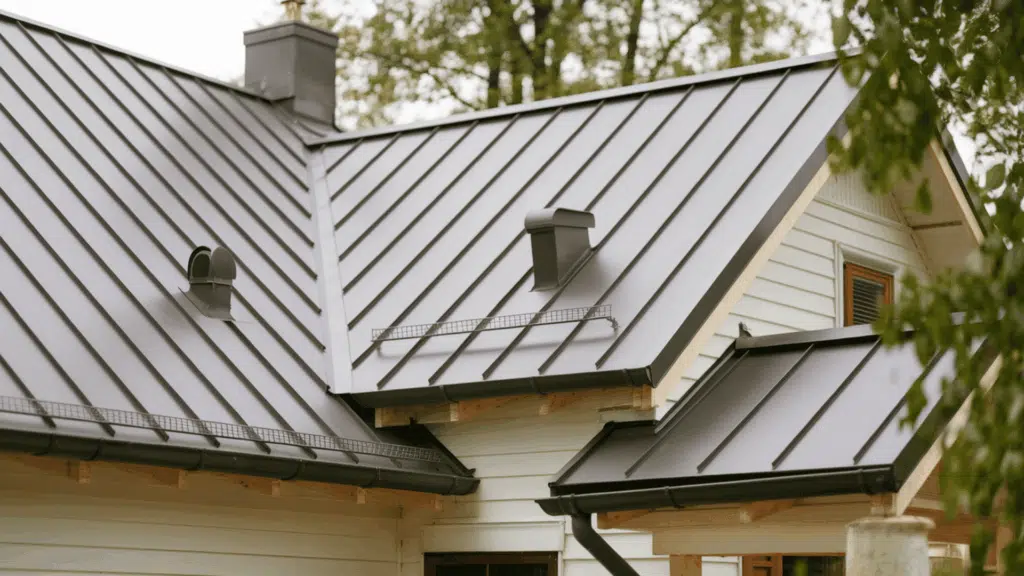
Sleek vertical metal panels with interlocking seams and hidden fasteners, very modern farmhouse or contemporary.
The concealed fasteners mean fewer leak points, they handle extreme weather beautifully, and need almost no maintenance.
Not cheap, and the distinctly modern look might not match your home’s style. Great for new builds, awkward on Victorians.
14. Composite Shingles
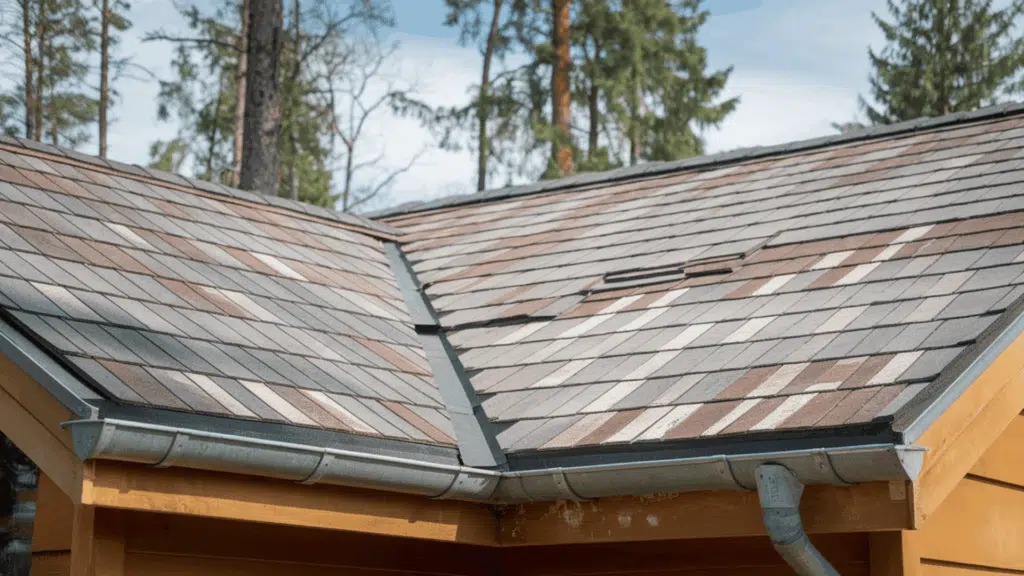
Engineered synthetic blends (recycled plastics, rubber, wood fibers) designed to mimic wood, slate, or tile.
They’re eco-friendly with 80-95% recycled content, tough, low-maintenance, and last 30-50 years. Since the category’s newer, quality varies significantly between brands; some perform great, others fall apart.
Check reviews and warranties carefully before buying.
15. Rubber Shingles (EPDM)
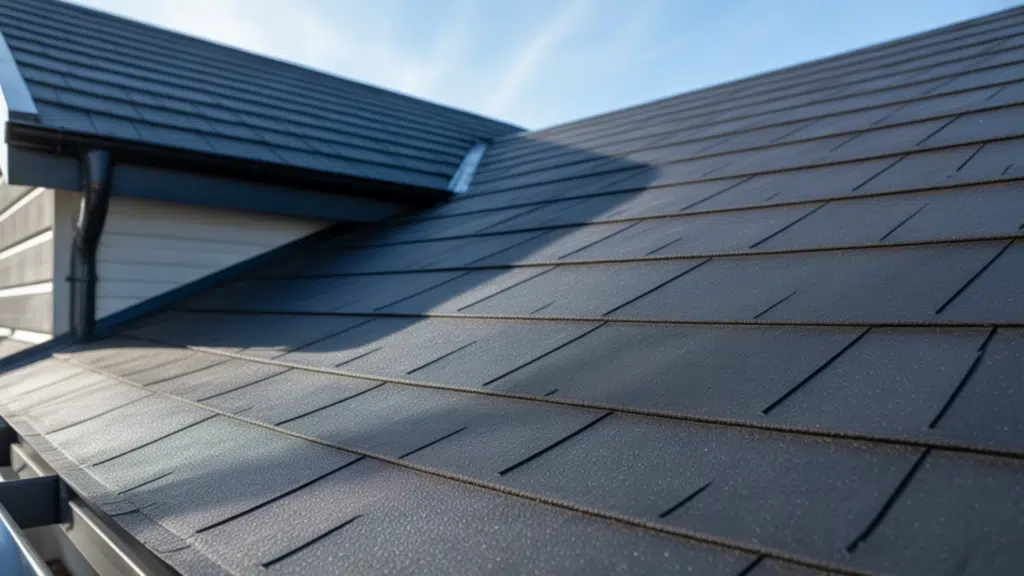
Made from recycled tires, sounds weird, but they’re super impact-resistant (hail bounces right off) and eco-friendly.
They’re lightweight, many look like slate from the ground, and they’re perfect for hail-prone areas. They can fade over time, and finding experienced installers might be tricky.
Worth considering if you prioritize sustainability and storm resistance.
16. Solar Shingles
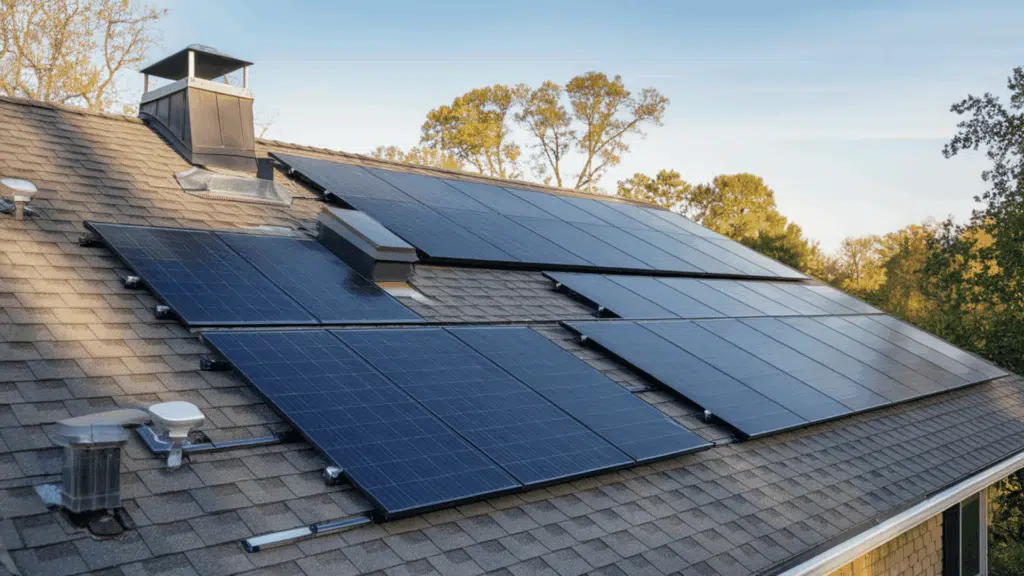
Roofing shingles that generate electricity, integrated solar technology rather than panels mounted on top.
They look cleaner, you get federal tax credits (26-30%), and you could eliminate your electric bill.
But they’re expensive upfront at $20-$30 per square foot, require good sun exposure, and the technology’s still evolving. The future of roofing is just not quite mainstream yet.
17. Green Roof Systems
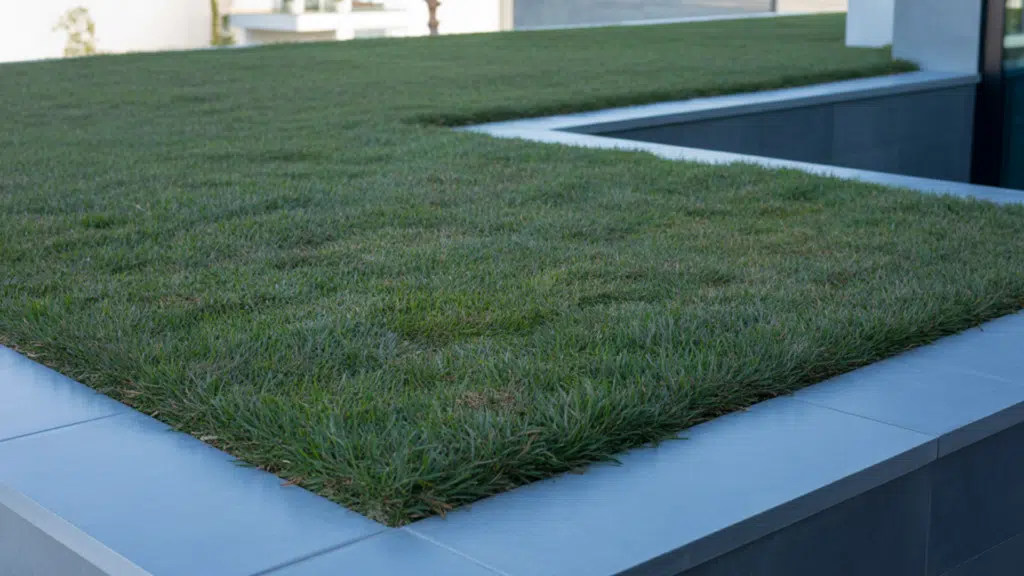
Literally growing plants on your roof, a waterproof membrane, a growing medium, and then vegetation like sedums.
Benefits include amazing insulation, stormwater management, urban cooling, and wildlife habitat creation.
The problems: expensive ($15-$25+ per square foot), heavy (needs serious structural support), high maintenance (you’re gardening on your roof), and requires specialists, only for flat or low-slope roofs.
18. Plastic Polymer Shingles
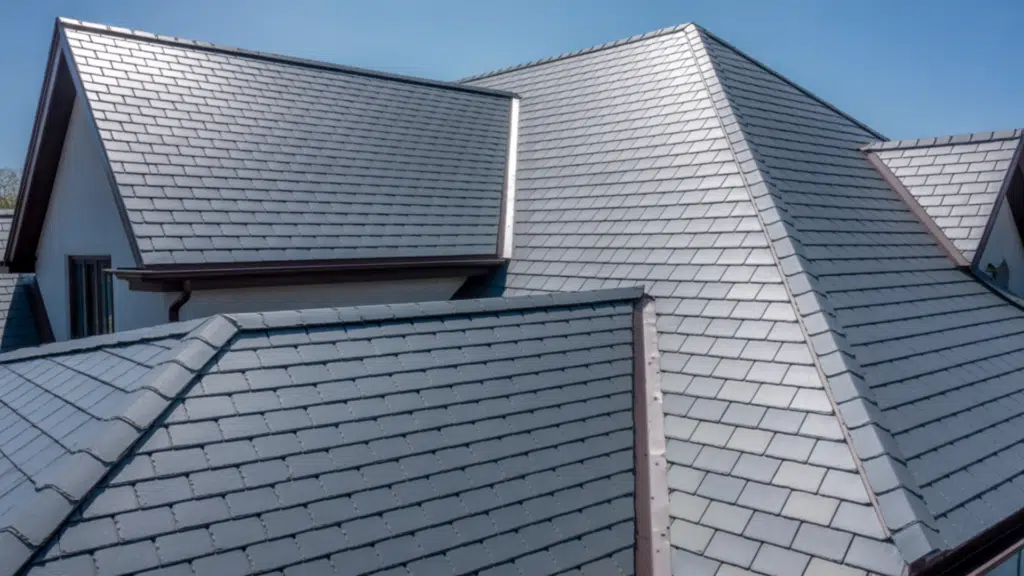
High-tech thermoplastic shingles that are lightweight, super impact-resistant (Class 4 ratings), and won’t rot, crack, or warp.
They’re low-maintenance and last 40-60 years, but they’re new enough that we don’t have decades of real-world data. Up close, some look a bit plastic-y, and not all contractors know how to install them properly.
How to Choose the Right Roof Shingles Types for Your Home?
When comparing different types of roof shingles, focus on more than just price. The cheapest option today could cost you thousands more in repairs, replacements, or energy bills down the road.
Your climate, home structure, maintenance tolerance, and long-term plans all play a role in finding the right fit.
Consider Your Climate
- Your local weather is the biggest factor in roof performance
- Heavy snow areas need materials that shed snow easily, such as metal or steep-pitched shingles
- Hot climates benefit from reflective options that cut cooling costs
- Humid regions require algae-resistant materials that won’t rot
- Hurricane or hail zones require materials with strong wind and impact ratings. If you live in an area prone to severe storms, consulting a professional who specializes in roof repair in Houston or your local region can help you choose materials that stand up to the climate and reduce future maintenance costs.
Evaluate Your Budget
- Don’t just look at installation costs; calculate the cost per year of lifespan
- A $10,000 asphalt roof lasting 20 years costs $500 per year
- A $30,000 metal roof lasting 60 years costs the same per year, but adds more resale value and requires less maintenance
- Factor in energy savings, maintenance costs, and how long you plan to stay before deciding if spending more upfront saves money long-term
Check Structural Requirements
- Not every roof can handle every material
- Heavy options like clay tile, slate, and concrete (800 to 1,500 lbs per square) may require $5,000 to $15,000 in structural reinforcement
- Lightweight materials like metal, asphalt, and synthetics work on standard structures without modification
- Get a structural engineer’s assessment before committing to heavy materials, or choose lightweight alternatives that mimic the same look
Conclusion
Your roof protects everything you own, so choosing wisely matters. With so many roof shingle types available, the best choice depends on your climate, budget, and long-term goals. There’s no one-size-fits-all answer.
Now that you understand all the options, you’re ready to have informed conversations with contractors.
Don’t go it alone, though. A licensed roofing professional can assess your home’s structure, local codes, and recommend what actually works in your area.
The right roof lasts decades and adds value. The wrong one becomes an expensive headache, so choose wisely.

Tommy Hardy, an alumnus of the Georgia Institute of Technology with a degree in Mechanical Engineering, has been a go-to figure in residential upkeep and innovation for over 18 years. His career commenced in a leading home appliance manufacturing company, where he mastered the intricacies of household systems. Joining our platform in 2020, Tommy quickly became a reader favorite for his practical and easy-to-follow guides. He took the helm of our DIY section in 2019, consistently delivering content that empowers homeowners. Beyond his professional pursuits, Tommy is a passionate gardener and enjoys woodworking, skills enhancing his hands-on approach to home care.