
Deck renovation often starts the same way: the space is technically usable, but it does not feel easy to live with. A few chairs are out there, the boards have seen better years, and the whole setup feels more like a leftover platform than part of the home. That is usually the point where homeowners start looking at ideas from Olympic Decks and asking what actually changes the way a backyard works day to day.
Why Deck Renovation Feels Different when The Goal is Daily Use in Pacific Northwest Conditions
The most useful upgrades are rarely the loudest ones. In many homes, the real problem is not that the deck is too small or too old. It is that the outdoor space asks too much from people every time they use it. The seating area catches too much sun in the afternoon. The traffic path cuts through the dining setup. The stairs feel awkward. Storage is nowhere near the door.
On many Seattle decks, Seattle weather and constant moisture make those small frustrations worse, especially on older decks that no longer feel like a well maintained deck.
A good deck renovation solves those frictions first. It makes the outdoor area easier to enter, easier to maintain, and easier to use on an ordinary weeknight, not just on a holiday weekend. In a practical outdoor living space, the goal is not only comfort but also structural integrity, safer movement, and material choices that hold up in Seattle’s climate.
The Upgrades that Remove Friction from Outdoor Living in a Professional Deck Renovation
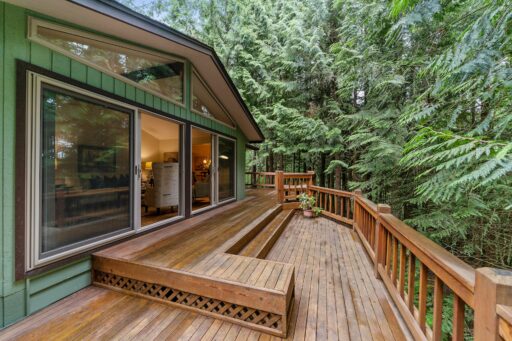
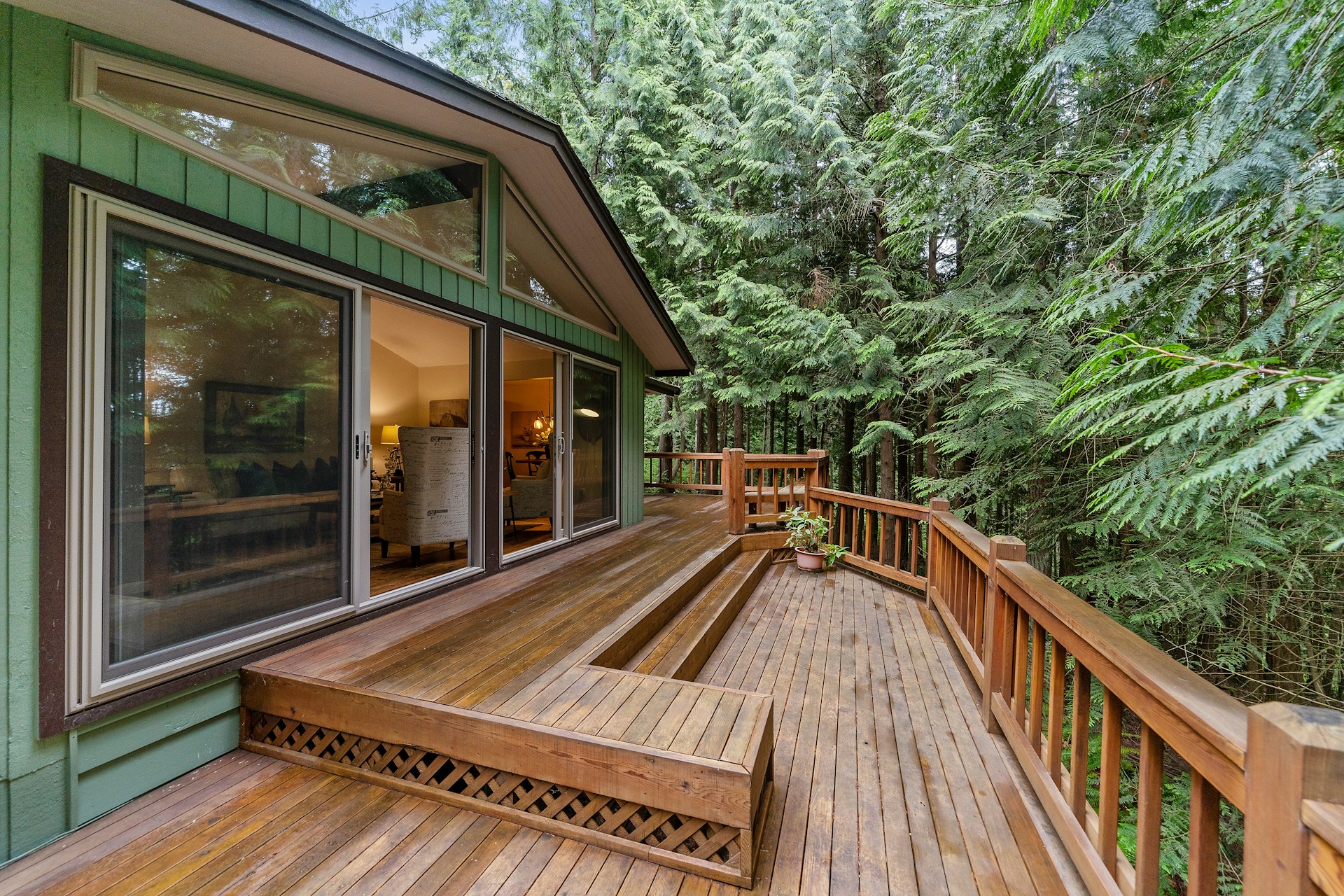
Some changes work because they are simple. Better stair placement can make a deck feel more connected to the yard. Built-in planters and built-in benches can reduce furniture clutter and make the outdoor space feel more intentional. Wider transitions near doors can make movement feel less cramped. Lighting along steps and edges can help the space stay useful after sunset, enhance safety, and add dimension without making it feel overdesigned.
This is also where deck renovation becomes more than surface-level styling. A space can look updated and still feel inconvenient. What usually lasts is the kind of upgrade that makes outdoor living feel natural, almost automatic. That may include professional deck refinishing, selective deck restoration, or a broader restoration plan when a weathered deck needs more than cosmetic work to feel functional and visually appealing again.
Why Layout Matters More than Square Footage in a New Deck Plan
A deck does not have to be large to feel complete. It has to make sense. It has to make sense. That is one reason modern multi level decks keep showing up in renovation conversations. Multi level layouts often create clearer zones for dining, lounging, grilling, or moving between the house and the yard. In the right outdoor space, multi level decks can add dimension without demanding a huge square foot increase, and that makes them a practical option for Seattle decks where layout matters more than sheer size.
Even a modest split in elevation can help a backyard feel more organized. One level can stay close to the kitchen for meals and quick coffee breaks. Another can hold softer seating, a fire feature, or a quieter corner. In some restoration project discussions, multi-level planning also helps the deck function better by separating circulation from gathering zones. That is one reason multi level decks keep coming up in renovation work that prioritizes function first. The point is not trend-chasing. It is making the space behave better with quality materials that suit long-term outdoor use.
Where Older Timber Decks Start to Show the Deck’s Condition
Aging wood decks rarely become frustrating all at once. It usually happens gradually. The finish starts looking tired. Loose railings start to feel less secure. Deck boards lose their clean, even look, and small cracks, splintering boards, soft spots, or popped nails begin to change the deck’s condition. When loose connections show up, galvanized or stainless-steel fasteners are the better long-term repair choice.
That is why timber deck restoration remains such a practical part of the conversation. In some backyards, the character of real wood and visible wood grain are still worth preserving. A comprehensive deck restoration in Seattle typically ranges from $550 to $4,900, and even extensive restoration rarely exceeds half the cost of replacement. The real question is whether the problems are limited to the surface or whether loose railings, damaged boards, wear across the decking, and broader structural issues are starting to affect how the deck performs.
When a Surface Refresh is Enough in The Restoration Process and When Damaged Boards are Not the Only Issue
This is usually the turning point. Some decks respond well to a focused reset. If the structure still feels solid and the main issue is wear at the surface level, homeowners often start looking at when deck resurfacing makes sense because it can improve appearance and usability without pushing the project into a full rebuild.
But there are also cases where a surface update will not fix the real issue. If the traffic flow is awkward, the stairs interrupt how the yard works, or the deck no longer fits the way the household uses outdoor space, a broader renovation often makes more sense than another short-term patch.
That is especially true when structural repairs, damaged boards, or hidden framing concerns suggest that complete replacement may be a more cost-effective option than repeated partial fixes.
A smarter way to plan upgrades without overdoing them or hurting your home’s curb appeal
The best renovation plans usually begin with one honest question: What makes this deck harder to use than it should be? From there, the priorities become clearer. Sometimes it is the walking path. Sometimes it is the finish. Sometimes it is the lack of distinct zones.
Sometimes the space simply needs a cleaner, more current shape. In King County, permit requirements, weather delays, and transparent pricing can also shape the right scope, especially when homeowners are comparing deck restoration with building a new deck.
The goal is not to turn every deck into a showpiece. It is to make outdoor living feel easier, calmer, and more complete. When the upgrades match the way people actually move, sit, host, and relax, the difference tends to show up fast.
The best results usually come from hiring professionals who can balance wood, composite materials, and weather resistant materials in a way that supports daily use, home value, and long-term performance in Seattle weather. In some projects, composite materials also make sense in specific zones where lower upkeep matters more than keeping every surface natural wood.
FAQ on deck renovation and the restoration process
What is the difference between deck renovation, deck resurfacing, and pressure washing?
Deck resurfacing updates the surface layer, while deck renovation can include layout changes, access improvements, and broader design updates. Pressure washing is part of cleaning and prep, not a substitute for resurfacing or restoration, and it should be handled carefully to avoid damaging the wood.
Are multi-level decks only for large backyards?
No. They can also work well in medium-sized yards when the goal is to create better flow and clearer use zones. Multi level decks are often less about size than about function, and a well-planned multi level layout can help an outdoor living space feel more organized without adding unnecessary square foot area. In many renovation cases, multi level decks work because they separate movement, seating, and dining more clearly than a single uninterrupted platform.
Is timber deck restoration worth it if the goal is a cleaner finish and even coverage on an older deck?
It can be, especially when the structure is still sound and the main problems are wear, finish loss, or dated visual details. Staining improves appearance, adds protection against the elements, and works best when applied in thin, even coats in the direction of the wood grain for more even coverage.
For wood surfaces, a restoration process may include power-washer prep with a fan-type nozzle, checks for potential mildew growth and UV damage, and finish work aimed at even coverage and a more cohesive look. In other cases, full replacement or structural repairs make more sense from both a durability and environmental impact standpoint.

With a Master’s in Architecture from the University of California, Berkeley, Alexander Martin has dedicated the last 18 years to enhancing outdoor living through thoughtful and robust structure design. His career kicked off in urban planning, giving him a unique perspective on integrating structures into diverse environments. In 2019, Alexander brought his expertise to our website, offering insights into creating versatile outdoor spaces. Since then, he has been the lead advisor for our outdoor design projects and is known for his ability to merge functionality with environmental consciousness. Alexander enjoys rock climbing outside of work and participates in community development projects, activities that reflect his passion for the outdoors and sustainable design.