
If you’ve been looking for outdoor furniture or sustainable materials, you’ve probably come across Polywood and wondered what it actually is.
Is it just plastic, or something more advanced? The answer to the question: What is polywood made of? can help you decide whether it’s the right choice for your home.
It’s not as complicated as it sounds. In this blog, you’ll get a clear, no-jargon explanation of its composition, how it’s made, and why so many people are choosing it today.
What is Plywood?
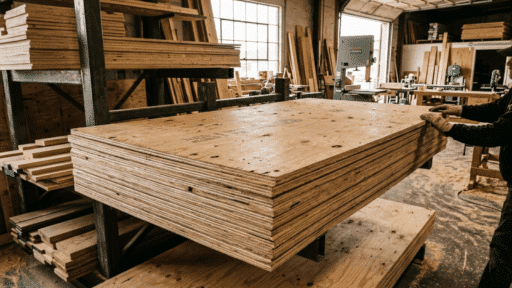
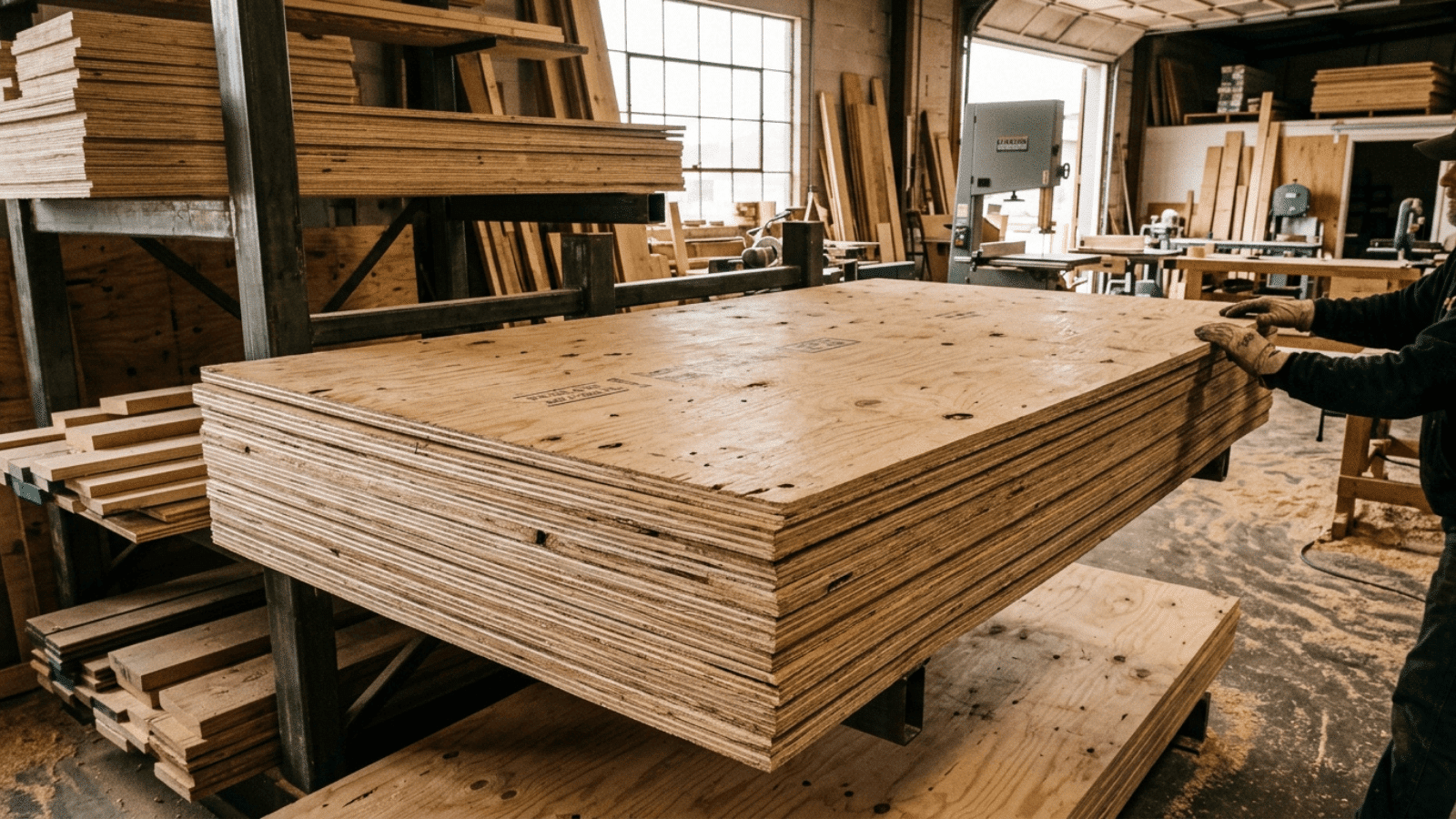
Plywood is an engineered wood material made by gluing together thin layers of wood veneer, known as plies, under high pressure and heat.
Each layer is placed in an alternating grain pattern, which gives plywood its strength and helps prevent bending, cracking, or warping.
The outer layers are usually smooth and finished, while the inner layers provide structure and durability.
It’s commonly used for cabinets, beds, flooring, and wall panels because it’s strong, cost-effective, and easier to work with than solid wood.
Reasons Polywood is Considered Sustainable
Polywood stands out as a sustainable option because it uses recycled materials and is built to last for years. It helps reduce waste while offering a durable alternative to traditional wood.
- Made from recycled plastics like milk jugs and detergent bottles, reducing landfill waste
- Helps minimize ocean pollution by reusing discarded plastic materials
- Reduces the need for cutting down trees, supporting forest conservation
- A long lifespan means less frequent replacement and lower overall waste
- Requires no chemical treatments like paint or sealants, making it more eco-friendly
- Fully recyclable again at the end of its life, supporting a circular system
Polywood Vs Real Wood: What’s the Difference
If you’re deciding between the two, it helps to compare Polywood and real wood on key factors such as durability, maintenance, and sustainability.
| Factor | Polywood | Real Wood |
|---|---|---|
| Material Composition | Made from recycled HDPE plastic | Natural material from trees |
| Maintenance Needs | Low maintenance, no sealing or staining needed | Requires regular sealing, polishing, or staining |
| Durability | Highly resistant to moisture, insects, and weather | Can crack, rot, or get damaged over time |
| Environmental Impact | Eco-friendly, uses recycled materials, and reduces waste | Involves cutting trees, contributing to deforestation |
What is Polywood Made of?
Plywood is not just recycled plastic; it’s a carefully engineered material designed for durability, weather resistance, and long-term use. Each component plays a specific role in making Polywood strong, stable, and low-maintenance.
1. Recycled High-Density Polyethylene (HDPE)
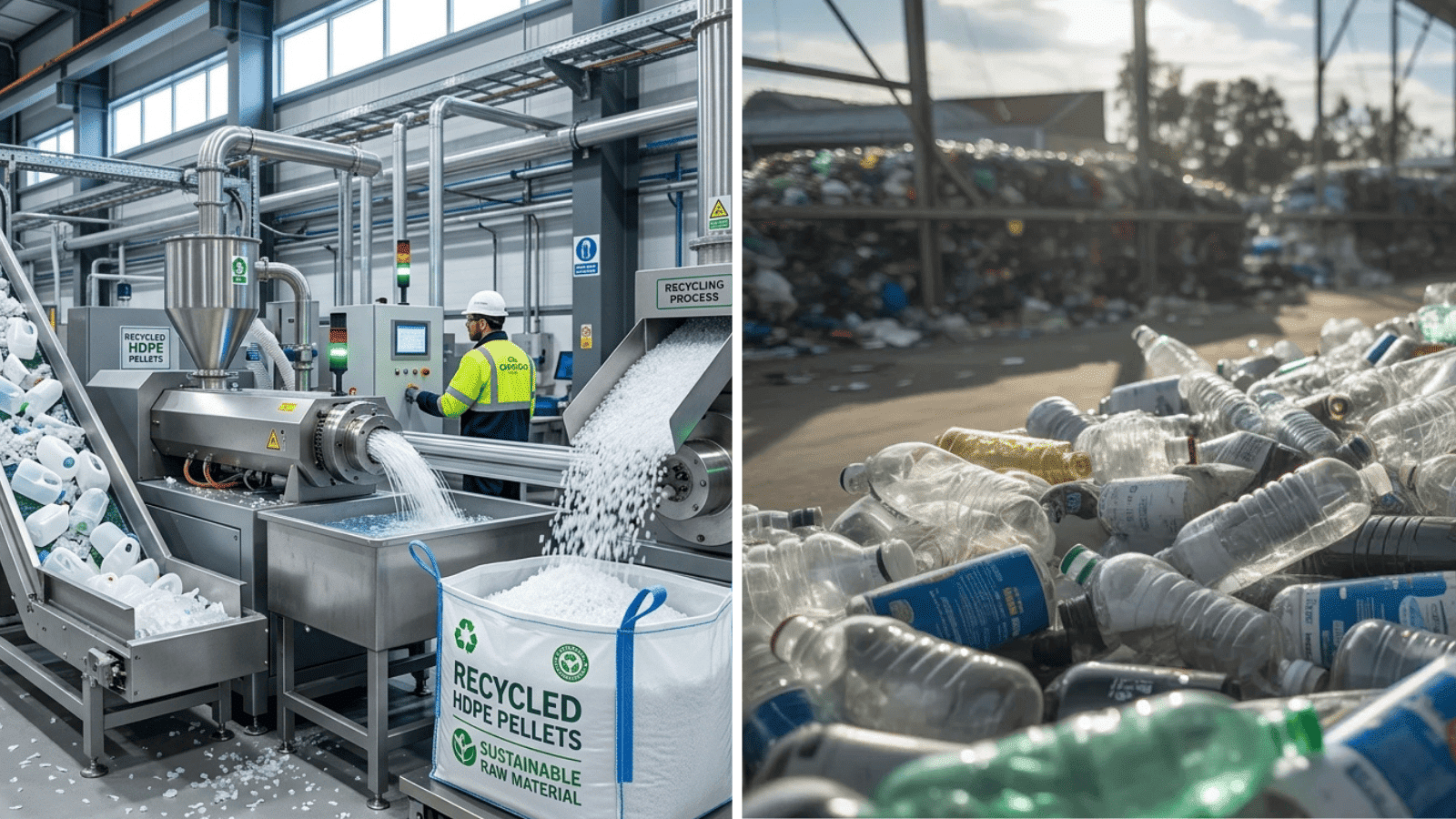
The primary material used in Polywood is HDPE, a strong, durable plastic commonly used in products such as milk jugs, detergent bottles, and containers.
These plastics are collected, thoroughly cleaned, and processed into a solid base material that forms the foundation of Polywood, making it both sturdy and eco-friendly.
2. Post-Consumer and Post-Industrial Waste
To understand what polywood is made of, it’s important to know its sources. It includes post-consumer waste, such as used bottles and containers, as well as post-industrial waste from factories.
Reusing both types helps reduce landfill waste and gives discarded plastic a second life in a durable form.
3. UV Stabilizers and Pigments
Polywood is engineered with UV stabilizers that protect it from sun damage and prevent fading over time.
Pigments are added during production to ensure consistent color throughout the material. This means the color won’t peel or chip, and there’s no need for painting or staining.
4. Additives for Strength and Durability
Additional compounds are mixed into Polywood to improve its overall strength and long-term performance.
These typically include impact modifiers to prevent cracking, bonding agents to enhance structural integrity, and moisture-resistant additives to repel water.
Together, they make Polywood highly resistant to splintering, weather damage, and everyday wear, especially in outdoor environments.
Is Polywood Safe and Non-Toxic?
A common concern when asking what polywood is made of is whether it’s safe to use around your home.
Polywood is generally considered non-toxic because it doesn’t require chemical treatments like stains, sealants, or pesticides that are often used on traditional wood.
It’s also resistant to mold, mildew, and pests, and it doesn’t release harmful fumes under normal conditions, making it a safe option for both indoor and outdoor use.
Pros and Cons of Plywood
Before choosing plywood for furniture or construction, it’s helpful to understand both its advantages and limitations. Here’s a clear breakdown to help you decide if it fits your needs.
| Pros | Cons |
|---|---|
| Strong and durable due to its cross-layered structure, which adds stability | Can get damaged by moisture if not properly sealed or treated |
| Resistant to cracking, shrinking, and warping compared to solid wood | Edges may splinter and often need finishing or edge banding |
| More affordable than solid wood, making it budget-friendly | Lower-grade plywood may have voids or weak inner layers |
| Easy to cut, shape, and install, ideal for DIY and professional use | Not as visually appealing unless laminated or polished |
Common Uses of Polywood
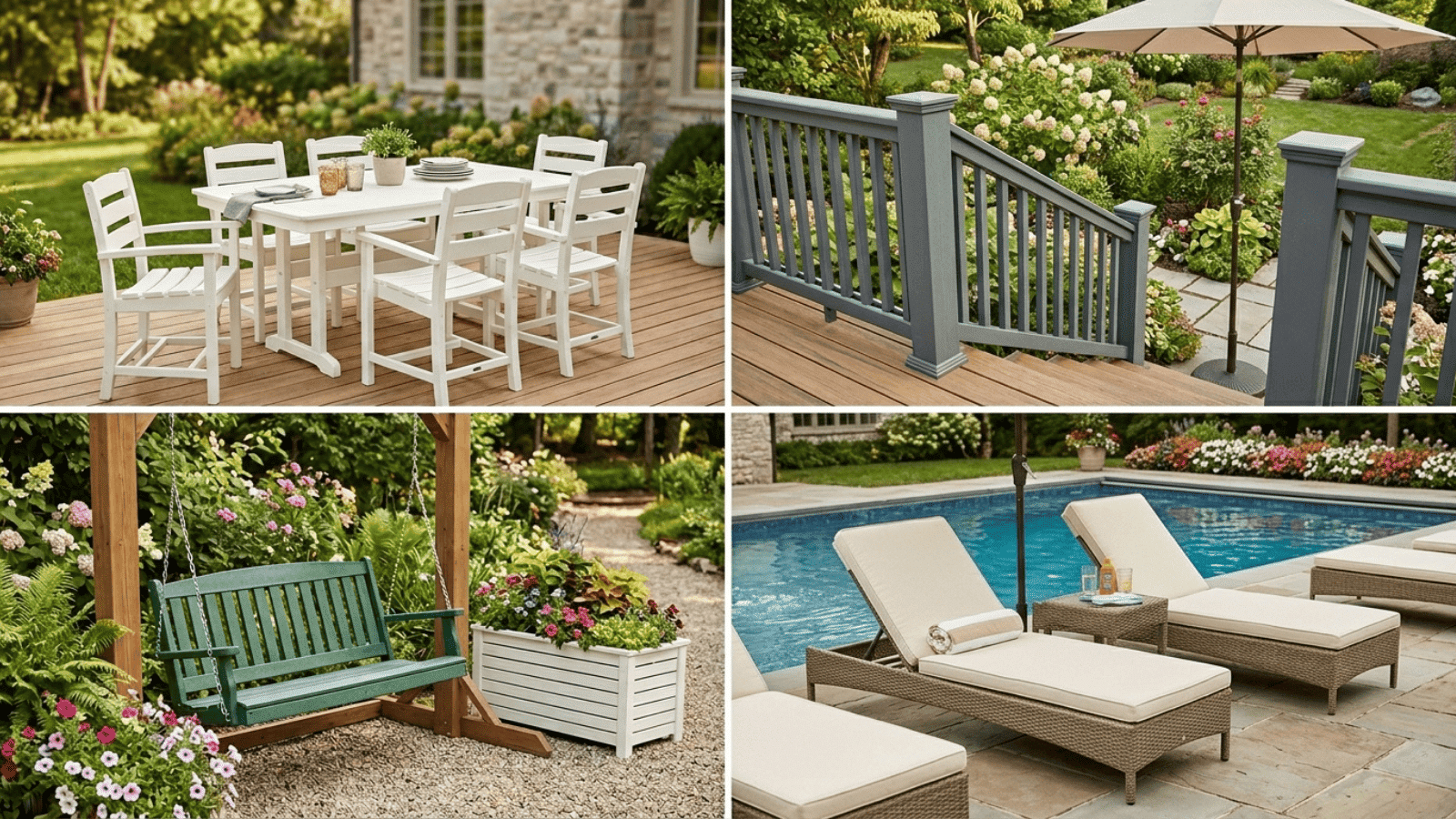
Now that you know what polywood is made of, let’s look at where it’s commonly used in everyday spaces.
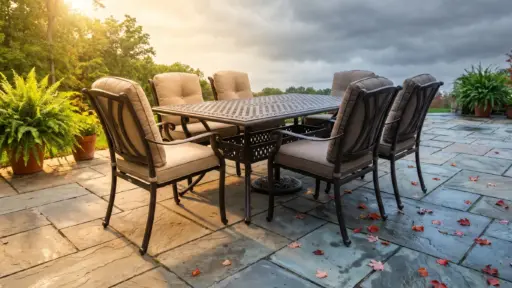
- Outdoor Furniture: Chairs, tables, benches, and patio sets are the most common uses, as they can withstand harsh weather. They stay durable and maintain their look without frequent maintenance.
- Decking: Polywood is used for outdoor flooring because it resists moisture, sunlight, and temperature changes. It provides a long-lasting surface without the risk of rotting or warping.
- Railings: Ideal for balconies, staircases, and decks, as they don’t splinter or decay over time. It also requires minimal upkeep compared to traditional wooden railings.
- Garden Accessories, such as planters, swings, and decorative pieces, are often made from Polywood. These add style to outdoor spaces while staying resistant to weather damage.
- Poolside Furniture: Perfect for wet environments as it resists water, chlorine, and sun exposure. It doesn’t fade or weaken easily, making it ideal for pool areas.
- Outdoor Dining Sets: Great for patios and gardens where furniture is constantly exposed to the elements. They offer a stylish, low-maintenance solution for outdoor dining.
Is Polywood Worth It?
Polywood is designed for long-term performance, especially in outdoor settings where weather, moisture, and sunlight can quickly damage traditional materials.
While the upfront cost may be higher than basic wood or plastic, you won’t need to worry about painting, sealing, or frequent replacements, which saves time and effort over the years.
If you want something sustainable, long-lasting, and hassle-free, Polywood is a smart investment, particularly for patios, gardens, and outdoor furniture.
It’s a Wrap
Now you know what polywood is made of and why it matters. Polywood is one of those materials that earns its place the longer you think about it.
It starts as plastic waste that would otherwise sit in a landfill and ends up as furniture built to outlast almost everything else on a patio.
If you’re upgrading your patio or choosing long-lasting furniture, Polywood offers a balance of function, style, and environmental responsibility, making it a smart choice for modern living.

Robert Thompson, a proud alum of the University of Oregon with a degree in Landscape Architecture, has been a leading figure in outdoor space enhancement for over 17 years. He started his career with a landscape design firm, gaining invaluable experience creating functional and attractive outdoor living areas. Robert joined our website in 2018, where he quickly became known for his innovative yet practical advice on outdoor renovations. He has been the chief editor of our deck and patio section ever since then, helping readers transform their outdoor spaces into personal retreats. When not drafting designs or writing, Robert is an avid kayaker, often drawing inspiration from nature for his creative projects.