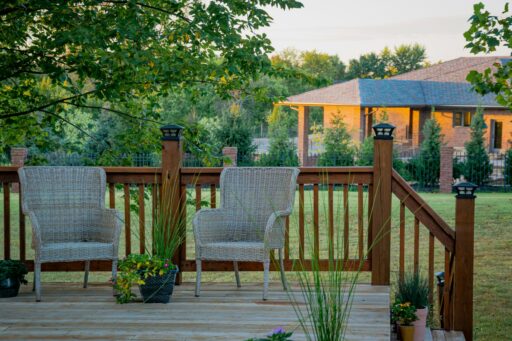
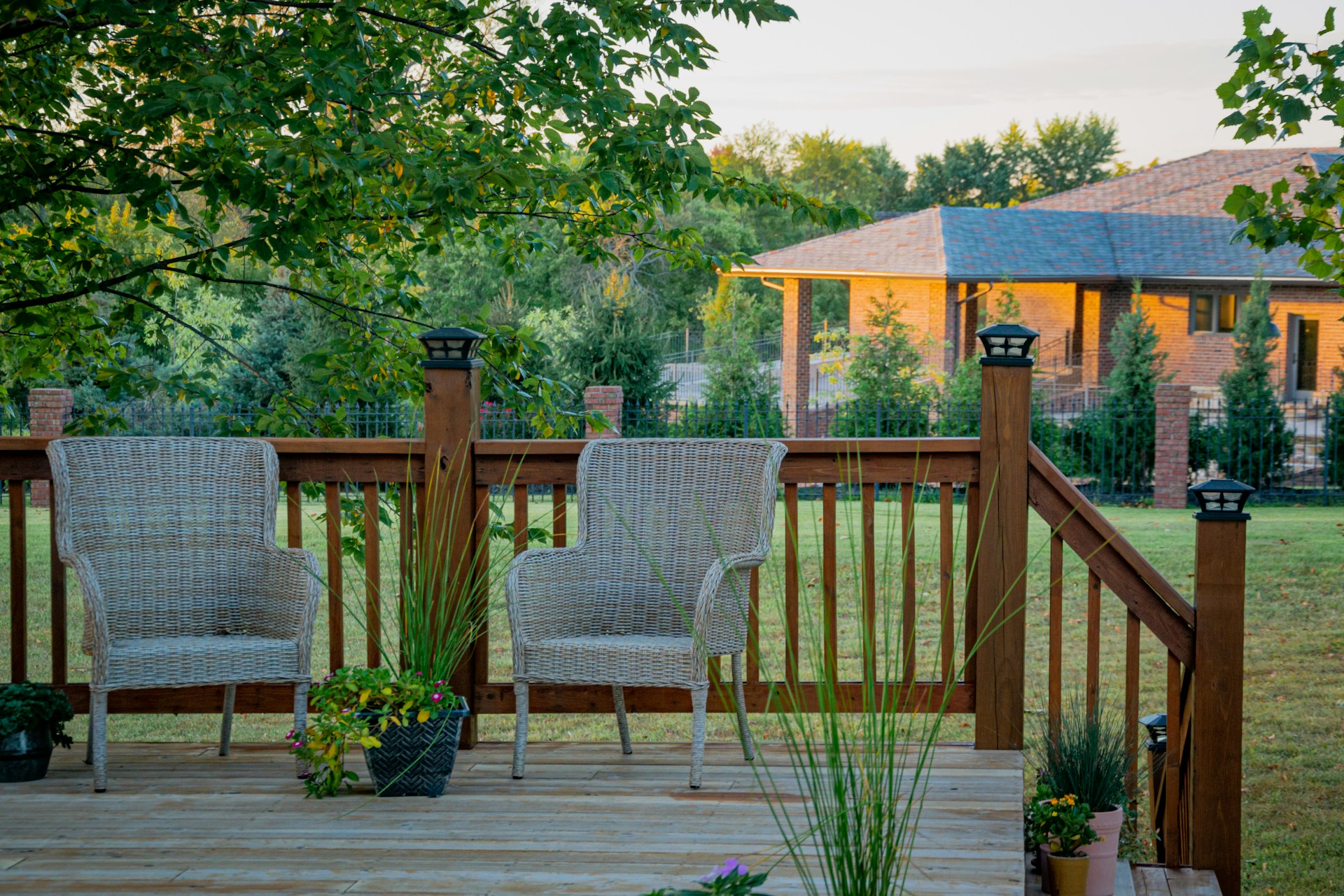

Deck skirting ideas are often the detail that turns a deck from “basically done” into something that actually feels finished. That is part of why homeowners who browse Deck Guardian projects often notice the same thing: the strongest outdoor spaces do not rely on size alone. They feel intentional from the ground up.
This guide covers practical deck skirting upgrades for homeowners who want to improve outdoor living space aesthetics without overcomplicating the work. Whether your wood deck has been standing for years or you recently completed a new deck project, the right deck skirting choice can change how your backyard looks from the patio, porch, or yard. In many cases, the best deck skirting ideas help connect the deck to the house, porch, and surrounding outdoor space in a more intentional way.
The short answer: deck skirting makes outdoor spaces feel more complete by providing a visual foundation that grounds the structure and hides the open area beneath the deck boards.
Understanding Deck Skirting Fundamentals for Any Deck Project
Deck skirting is the covering installed around the base of an elevated deck to hide the open area underneath. It serves both visual and practical purposes. It makes the deck look more complete while helping shield the structure below. Without that finishing layer, even a well-built deck can look like it is floating above the yard rather than tied into the rest of the outdoor space.
Visual Impact and Completion
Deck skirting creates a visual foundation that makes a deck look intentional rather than incomplete. When the open area underneath stays visible, exposed framing and uneven ground can make the whole outdoor space feel unfinished. A deck without deck skirting often reads as “almost there” rather than truly complete, no matter the quality of the deck boards or railings.
Functional Benefits Beyond Appearance
Looks are only part of the reason deck skirting matters. It also helps protect the support structure from moisture, snow, and debris that would otherwise keep building up beneath the deck. That lower space often becomes useful too. Homeowners commonly use it for storing garden tools, cushions, or items that are not needed year-round. Well-installed skirting can also make the area less attractive to pests, which helps reduce problems that can shorten the life of the structure.
These basics explain why some deck skirting ideas work better than others.
Popular Deck Skirting Ideas for Composite Decking and More
The best deck skirting choice depends on the shape of your yard, the height of your deck, and how visible that lower area is from your main seating zone. Here are practical deck skirting ideas homeowners consider when they want a cleaner final product and a more finished style.
Traditional Lattice Panels for Climbing Plants
Lattice panels remain a cost-effective classic option with a timeless crisscross design. They work well for homeowners who want climbing plants around the deck perimeter and a softer transition into the backyard. The open pattern allows ventilation while still creating visual cover. Wood lattice can be painted to complement house siding, porch details, or the deck surface. Vinyl and composite lattice panels offer durable, low maintenance solutions that still support the overall beauty of the space.
Modern Horizontal Slat Designs
For a more contemporary look, horizontal slat designs create clean, streamlined aesthetics. These deck skirting ideas work well for homeowners seeking a fresh, modern style that makes the deck feel like a natural extension of the house, porch, or even a nearby sunroom. Customizable spacing allows you to balance privacy, airflow, and sightlines to neighbors. Multi-width boards add visual interest while maintaining that seamless, intentional appearance. This style pairs particularly well with composite decking surfaces and a new deck built around a more creative design vision.
Composite and PVC Solutions
Composite and PVC deck skirting materials offer consistent appearance over years of exposure to NJ weather conditions. These low-maintenance solutions resist warping, fading, and rot that can affect wood in humid or freeze-thaw climates. While the upfront cost runs higher than wood, the reduced maintenance and longer lifespan often make composite and PVC the more practical choice for homeowners who value a top notch result delivered in a timely manner.
Design and Installation Considerations
If you are looking at ways deck skirting can make a backyard look more complete, planning ahead prevents common problems that can undermine your outdoor project.
Planning Your Skirting Project
Before selecting materials, assess your situation:
- Measure the deck perimeter and height.
- Assess ventilation needs based on deck height and climate.
- Choose materials based on maintenance preferences.
- Plan access points for utilities and servicing.
- If your deck includes stairs, note how deck skirting will wrap those transitions so the building lines still look clean.
Common Challenges and Solutions
Even well-planned deck skirting ideas can run into obstacles.
Ventilation and Moisture Management
The most dangerous mistake is skirting that is too tight and traps moisture beneath the deck. That can lead to rot, mold, and structural damage.
Solution: Maintain small gaps between boards, keep skirting slightly above ground level, and consider vented panels where airflow is limited. Lattice naturally provides ventilation.
Utility Access Complications
Many homeowners finish deck skirting only to realize they cannot reach utilities without removing panels.
Solution: Plan access points during the design phase. A skilled contractor or building team can install hinged doors or removable panel sections at utility locations. Clear communication on site makes a significant difference, especially when the goal is a flexible layout that still looks clean.
Height and Proportion Issues
Deck skirting that looks out of proportion can make the deck feel awkward.
Solution: Choose deck skirting ideas that complement deck height and yard scale. Lower decks often look better with solid materials like stone or vertical boards. Higher decks benefit from open or semi-open designs that do not create visual bulk and help the structure stand more naturally in the yard.
Conclusion and Next Steps
The best deck upgrades are often the quiet ones. Deck skirting, surface care, and a few finish details can make an outdoor area feel more useful, more polished, and easier to enjoy with neighbors and friends without forcing a full rebuild.
Related upgrades worth considering include deck staining for surface refresh, railing updates for safety and style, and outdoor lighting additions that extend usable hours. Each of these details works together to create an outdoor living space that feels intentional, appreciated, and ready to use. Good craftsmanship shows up in those smaller decisions, especially when a contractor and team take real pride in the work.
FAQ
What is the point of deck skirting?
Deck skirting helps the structure look finished and hides the open area underneath while protecting the support structure.
Do I need ventilation in deck skirting?
Yes. Proper airflow prevents moisture buildup that can lead to rot and structural damage.
How much does deck skirting cost in an outdoor project?
Costs range from basic wood lattice to higher-cost stone or masonry options. Total project cost depends on material choice, deck size, and labor.
When should a deck be rebuilt instead of updated?
When layout, age, or structural wear make cosmetic changes feel temporary rather than useful. If the framing shows significant rot or the deck no longer supports how you use your outdoor space, a contractor may recommend a new deck instead.

With a Master’s in Architecture from the University of California, Berkeley, Alexander Martin has dedicated the last 18 years to enhancing outdoor living through thoughtful and robust structure design. His career kicked off in urban planning, giving him a unique perspective on integrating structures into diverse environments. In 2019, Alexander brought his expertise to our website, offering insights into creating versatile outdoor spaces. Since then, he has been the lead advisor for our outdoor design projects and is known for his ability to merge functionality with environmental consciousness. Alexander enjoys rock climbing outside of work and participates in community development projects, activities that reflect his passion for the outdoors and sustainable design.