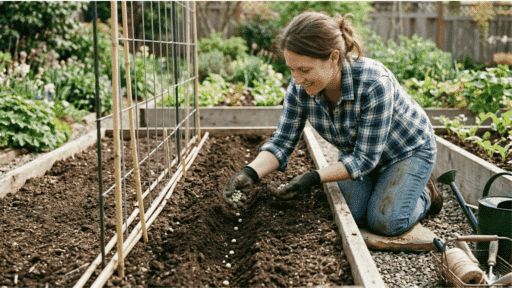
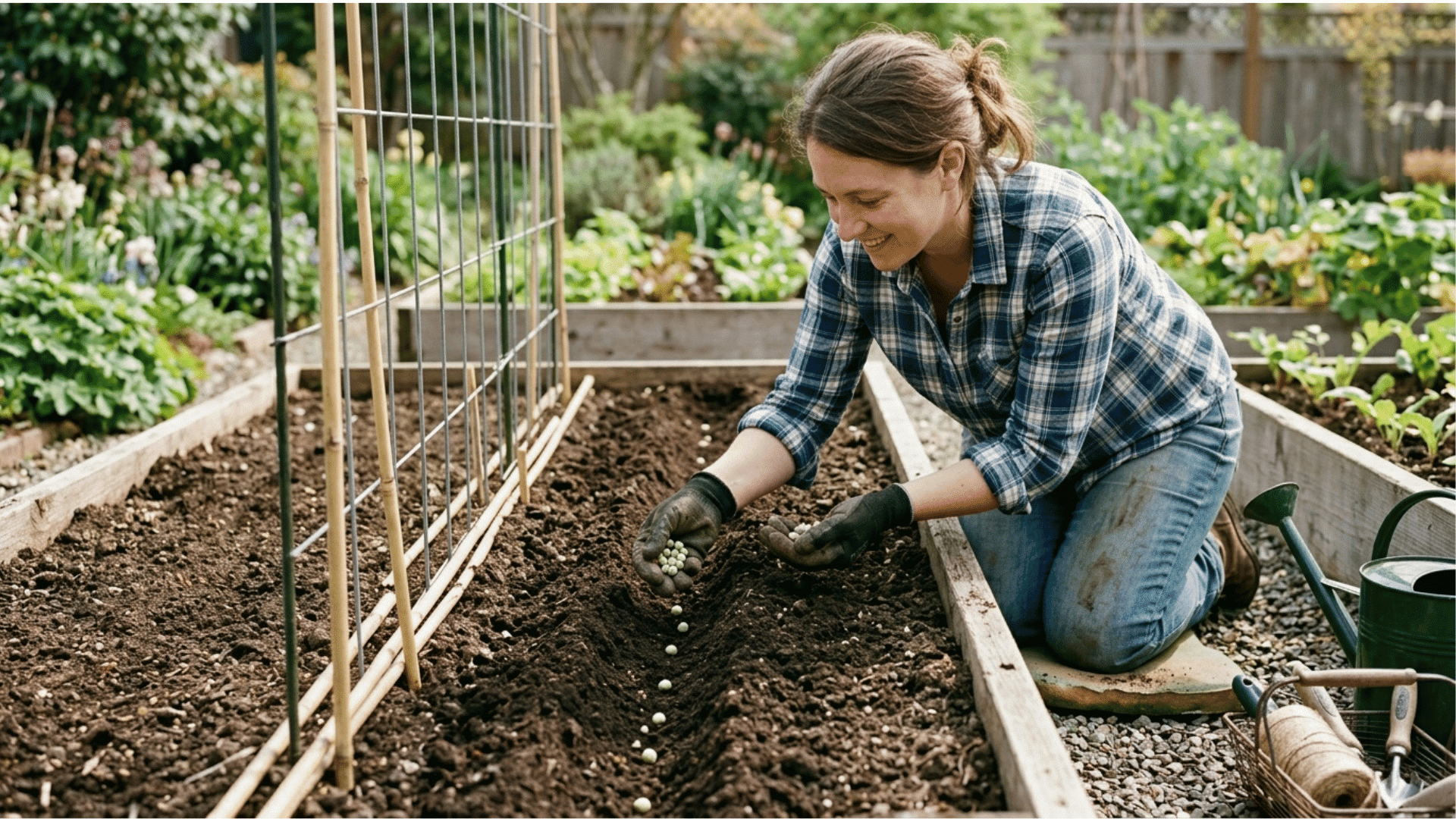

Peas are one of the easiest vegetables to grow at home. They grow fast, don’t need much space, and taste much better fresh than store-bought ones.
But timing is everything. Plant too early, and seeds may struggle in cold soil. Plant too late, and warm weather can stop growth.
The good news? Once you understand when to plant peas, the rest is simple.
This blog covers the best planting time, how to grow peas, and easy care tips to help you get a healthy harvest.
When to Plant Peas for Best Results
Getting the timing right is the most important step. Peas love cool weather and grow best before the heat kicks in. Knowing the right season makes a big difference in how well your peas grow. Here’s a quick breakdown to help you plan:
- Early spring is the best time to plant peas in most regions
- Plant 4–6 weeks before the last frost for strong early growth
- Late winter works well in mild climates
- Fall planting is possible in cooler regions
- Planting early leads to better results since peas grow best in cool weather
Soil Temperature and Timing
| Factor | Details | Why It Matters |
|---|---|---|
| Soil Temperature | Minimum: 40°F (4°C) , Ideal: 50–75°F (10–24°C) , Above 80°F slows growth | Ensures proper germination and healthy plant growth |
| Soil Condition | Avoid cold and overly wet soil | Prevents seed damage and poor sprouting |
| Cold Regions | Plant in early spring, just before the last frost | Gives plants a strong start in short growing seasons |
| Moderate Climates | Plant from late winter to early spring | Matches steady and mild weather conditions |
| Warm Climates | Plant in late fall or early winter | Helps avoid heat that can slow plant growth |
How to Plant Peas the Right Way
Planting peas is simple, but a few small steps can help you get better growth and a healthier harvest.
1. Choose the Right Location
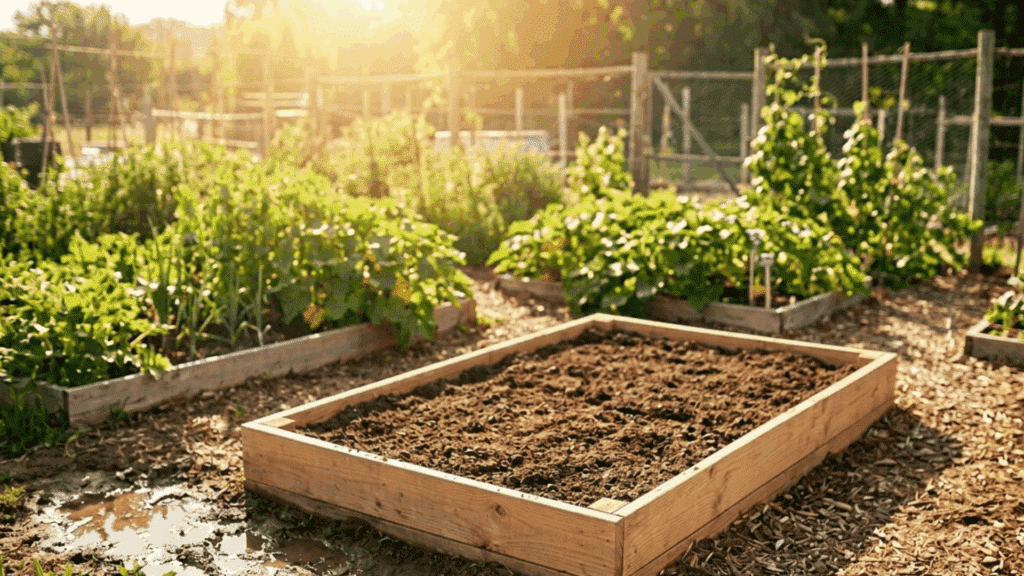
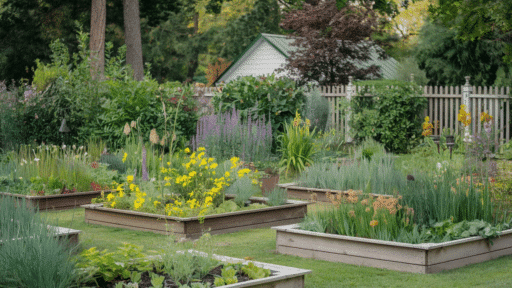
Start by selecting a spot that gets plenty of sunlight, ideally around 6–8 hours a day. Peas grow best in areas with good airflow and well-drained soil.
Avoid low-lying spaces where water collects, as soggy soil can damage seeds and roots. A slightly raised bed or loose garden soil works well.
Choosing the right location early helps prevent common problems and supports steady growth from the beginning.
2. Prepare the Soil
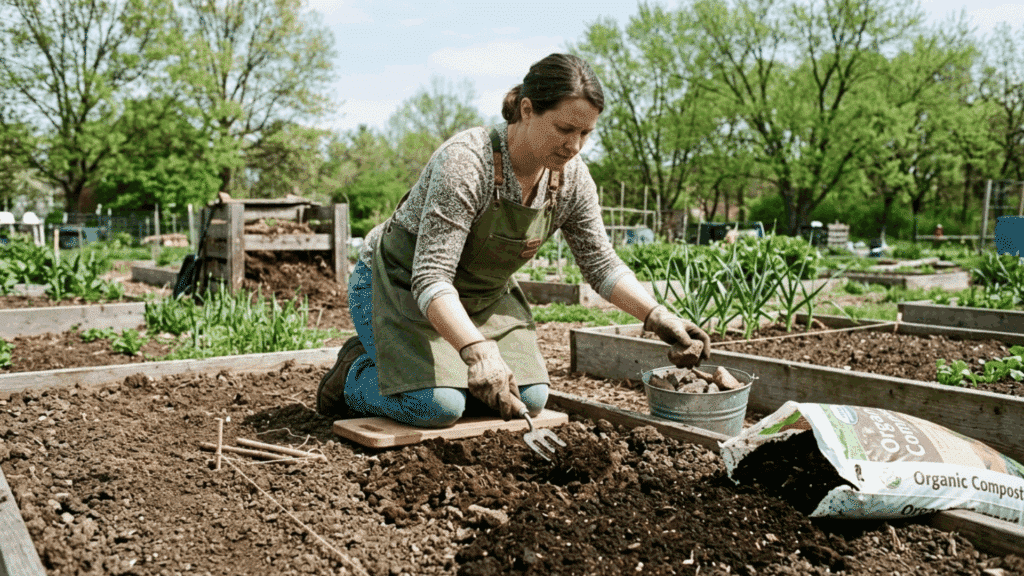
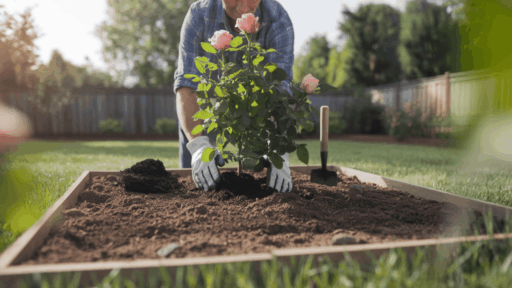
Before planting, loosen the soil to help roots grow easily. Mix in compost to improve soil structure and provide basic nutrients. Peas don’t need very rich soil, but they do need good drainage.
Break up any hard clumps and remove stones or debris. This step ensures the seeds settle well and sprout evenly. Healthy soil creates a strong base for better plant growth and higher yields.
3. Plant Seeds at The Right Depth and Spacing
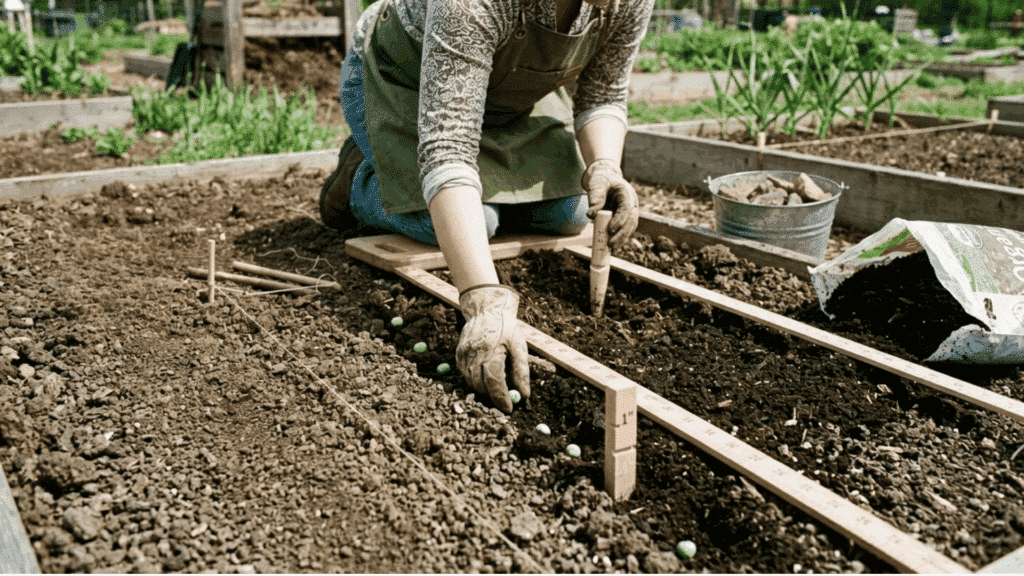
Plant pea seeds about 1 inch deep into the soil to protect them while allowing easy sprouting. Keep each seed spaced around 2–3 inches apart so plants have enough room to grow without crowding.
Maintain rows about 12–18 inches apart for better airflow and easier care. Proper spacing reduces the risk of disease and helps each plant get enough sunlight and nutrients.
4. Water Lightly After Planting
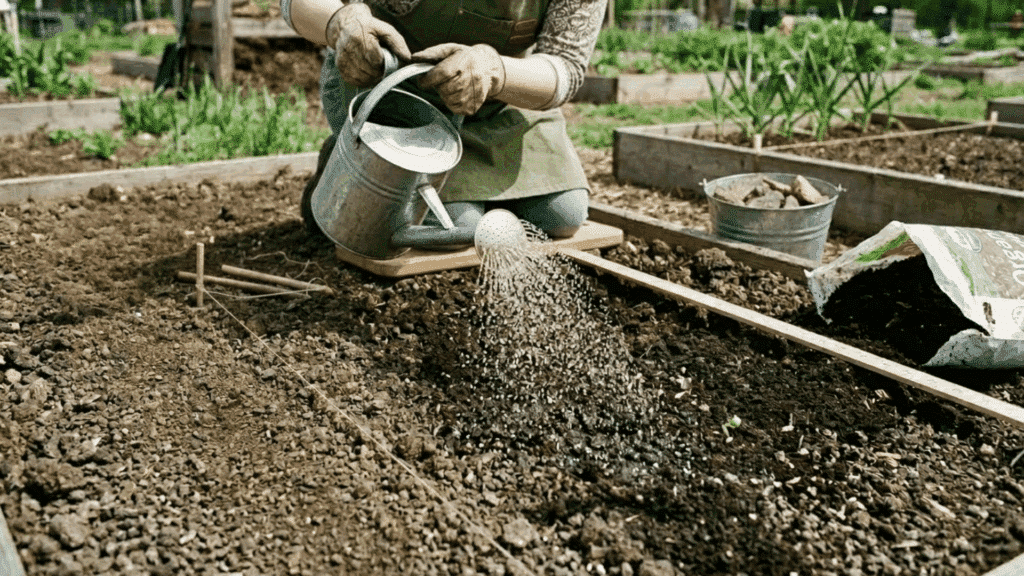
After planting the seeds, water the soil gently to keep it evenly moist. Avoid heavy watering, as it can wash seeds away or compact the soil.
Peas prefer moist but not soggy conditions, especially during germination. Regular, light watering helps seeds sprout faster and keeps young plants healthy. Keeping the moisture level balanced is important during the early stages of growth.
5. Provide Support for Growing Plants
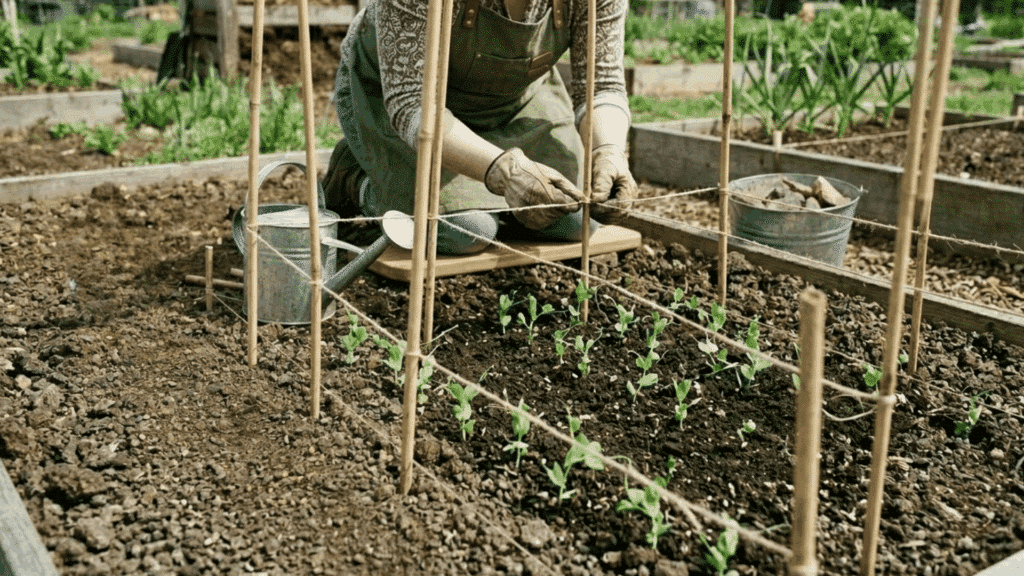
Many pea varieties grow as vines and need support to stay upright. Adding a trellis, netting, or sticks early helps guide their growth and keeps them off the ground.
This improves airflow, reduces the chance of disease, and makes harvesting easier. Supporting plants also helps them produce more pods since they can grow freely without tangling or bending.
Best Growing Conditions for Peas
Peas grow best in cool, mild weather with plenty of sunlight and well-drained soil. Providing the right balance of light, soil quality, and moisture helps ensure healthy growth and a good harvest.
| Factor | Details | Why It Matters | Tip to Follow |
|---|---|---|---|
| Weather | Peas grow best in cool, steady temperatures | Supports healthy growth and better yields | Plant in early spring or fall |
| Sunlight Needs | Requires 6–8 hours of sunlight daily | Helps plants grow strong and produce well | Provide partial shade in warmer areas |
| Watering Tips | Keep soil moist but not waterlogged | Prevents root damage and supports flowering | Increase watering during flowering stage |
| Support for Climbing Varieties | Use trellis, netting, or sticks for support | Improves airflow and makes harvesting easier | Keep plants off the ground for better growth |
How to Care for Pea Plants
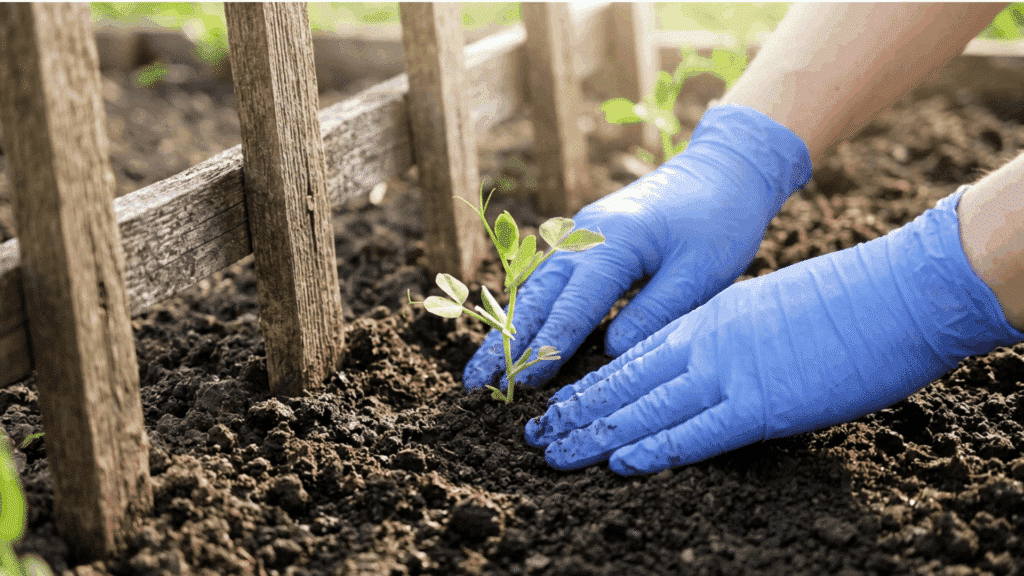
Pea plants are low-maintenance, but a little attention can improve growth and yield. Here are some simple care tips to follow:
1. Fertilizing Basics
Peas don’t need heavy feeding, so keep fertilizing:
- Use compost at planting time to provide basic nutrients
- Avoid high-nitrogen fertilizers as they promote leaf growth over pods
- Light feeding is enough for healthy plant development
2. Common Problems to Watch
Keep an eye on your plants to catch issues early:
- Powdery mildew may appear in humid weather as a white coating
- Aphids can gather on leaves and stems, and slow growth
- Heat can cause poor growth, as peas prefer cooler conditions
- Early detection helps protect plants and prevents further damage
3. Mulching Tips
Mulching helps maintain a stable growing environment:
- Keeps soil cool, especially on warmer days
- Locks in moisture and reduces the need for frequent watering
- Reduces weed growth around the plants
- A thin layer of mulch works best for peas
When and How to Harvest Peas
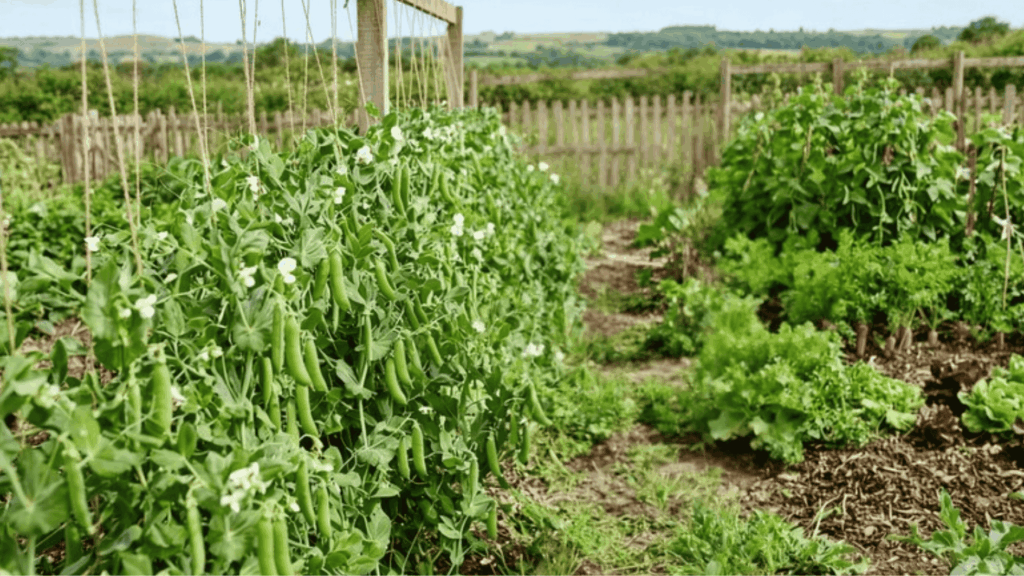
Harvesting peas at the right time is important for the best taste and texture. Peas are ready to pick when the pods are full but still tender, bright green, and the seeds are not too hard.
Waiting too long can make the pods tough and less enjoyable to eat. To harvest, pick the peas regularly to encourage the plant to produce more pods.
It is best to use both hands, one to hold the vine and the other to gently pull the pod, so as not to damage the plant.
Frequent harvesting not only improves yield but also keeps the plants productive for a longer period.
Conclusion
Growing peas at home can be simple and rewarding once you understand when to plant peas and how to care for them properly.
Focusing on cool weather, healthy soil, and regular maintenance can make a big difference in your results.
Small steps like proper spacing, timely watering, and early support help plants grow strong and produce better. Avoiding common mistakes also keeps your plants healthy throughout the season.
With the right approach, even beginners can enjoy a steady supply of fresh, sweet peas straight from their garden.

With a Master’s in Landscape Architecture from the University of Virginia, Sophia Stephenson has dedicated the last 20 years to creating and maintaining vibrant outdoor spaces. Her professional journey started in landscape design, where she gained a reputation for innovative and sustainable approaches. Sophia became a part of our editorial team as a freelancer in 2019, offering a fresh perspective on outdoor living. Since 2020, she has been the chief for our outdoor design content, blending aesthetic appeal with environmental stewardship. In her leisure time, Sophia is a keen photographer, capturing the beauty of natural landscapes, a hobby that complements her professional expertise.