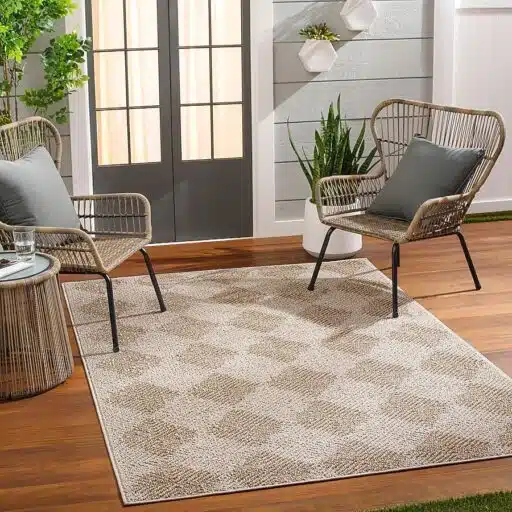
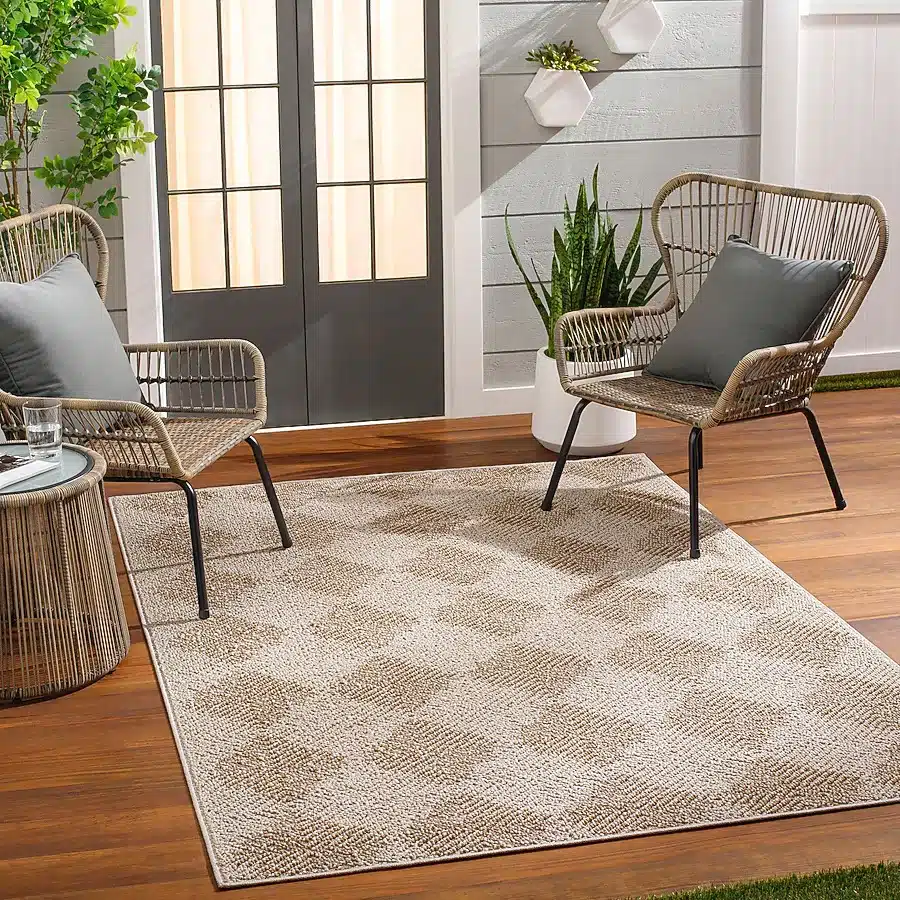

Styling an outdoor space is not about matching furniture pieces or filling up the area. It is about using textures, layers, and materials that add comfort without compromising function.
One design trick that continues to gain popularity is rug layering. This technique works well for covered porches, open patios, and poolside decks. When used appropriately, outdoor rugs can unify the entire zone and give it a well-organized, fashionable look.
Let’s discuss the art of layering and the proper way to do it.
Why Layering Rugs Helps?
Indoor rugs are used for warmth and definition, and outdoor rugs can achieve a similar effect. The difference lies in the materials. Most outdoor rugs are made from synthetic blends that can withstand temperature swings and resist dust and moisture.
When layered, they can create dimension without adding bulk. This makes them perfect for patios, verandas, balconies and poolside corners.
Layering works exceptionally well when the surface underneath feels too hard or flat. Pavers, concrete, and artificial grass can all benefit from the textural balance that layered outdoor rugs bring.
How To Layer Them Right?
Choosing the Right Base Rug
Every rug layering begins with a base layer. This should be larger in size and made from weather-resistant material. A flatweave rug made from polypropylene works well here. These rugs have a tightly woven structure and do not curl or slide easily. They come in neutral colors like beige, grey, and olive, which allows other design elements to pop.
Most homeowners prefer rectangular, loomed, waterproof outdoor rugs as the foundation layer. These sit well under patio dining sets or outdoor chairs and define the central gathering zone. Be sure to pick a rug size that leaves at least a 6-inch border around your furniture. That way, the base rug does not feel lost under the decor.
Adding the Accent Rug
The accent rug adds character. This is where you can bring in bold colors, unique shapes, or printed textures. Tropical floral outdoor runners bring a vacation-like mood. Abstract polyester area rugs in teal or burnt orange add a pop to otherwise muted patios.
Weatherproof Layering Outdoors
Layered rugs must withstand heat, rain, and debris. Always choose waterproof outdoor rugs or those marked for outdoor use. Avoid natural materials like cotton or wool unless your patio is fully covered. You can also look for UV-resistant rugs to prevent fading.
Layering Around Patio Furniture
If your patio includes furniture like deck lights, outdoor chairs, or low benches, work your layering around these. Rugs should not touch wiring or wet spots. For seating areas, the base rug can go under the furniture legs, and the top rug can sit in the center. This creates a visual break and makes the space feel intentional.
You can also place a round accent rug under a side table and chair set in a reading corner. For larger patios, break the space into two or three zones and use different layering schemes for each.
Styling Ideas Using Layered Rugs
- Use a grey loomed waterproof rug under a small glass dining table and layer it with a round teal synthetic mat under the centerpiece.
- Place a large beige flatweave under two wooden loungers and add a long floral runner at the foot.
- For a covered verandah, use a patterned base rug and layer with a plain jute-look synthetic rug for contrast.
- Around pool lights, avoid textured accent rugs. Use smoother, waterproof rugs in a grid layout instead.
- Create a walkway effect by layering two runners side by side and adding potted plants along the edges.
Each of these settings can work with natural wood furniture or metal patio dining sets. Layering adapts well to almost any design theme.
How Layered Rugs Complement Other Elements?
Layered rugs work best when they echo a new focal point in the space. You can match colors from your cushions or bring in tones that repeat in your plant pots. Rugs also complement wood finishes and textures. If you are using outdoor lighting, try placing rugs where the light can highlight texture.
If you have an outdoor kitchen or grill, maintain a distance of a few feet between the rugs and the fire-prone areas. When laying the rugs around food places, always use stain-resistant materials.
Conclusion
When properly layered, outdoor rugs can transform dull patios into cozy, inviting ones. The technique can be applied to homes with waterproof outdoor rugs that delineate areas and to homes with oriental accents that provide a personal touch.
When you focus on the right materials, the right balance of size, and surface grip, layered rugs can add structure and style that lasts all year round. Whether you are styling around patio dining sets or poolside loungers, this simple step instantly elevates your space.

With a Master in Architectural Studies from University of Pennysylvania, Marwa Haydar has pioneered living spaces since 2005. Her expertise, initially honed in a prestigious architectural firm, is evident in her approach to creating environments. Marwa became part of our team in 2019 and has since been a driving force in our home improvement section, known for her practical yet stylish solutions. She’s been spearheading our design workshops since then, infusing her passion for teaching into her work. In her leisure time, Marwa enjoys exploring historic architecture and is an enthusiastic pottery hobbyist, further enriching her understanding of form and texture.