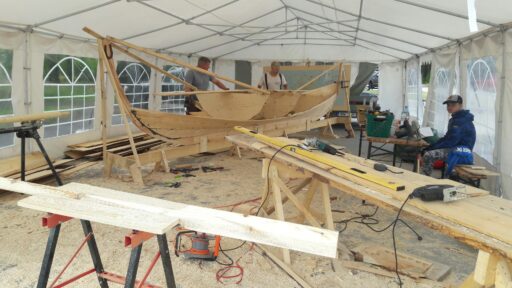
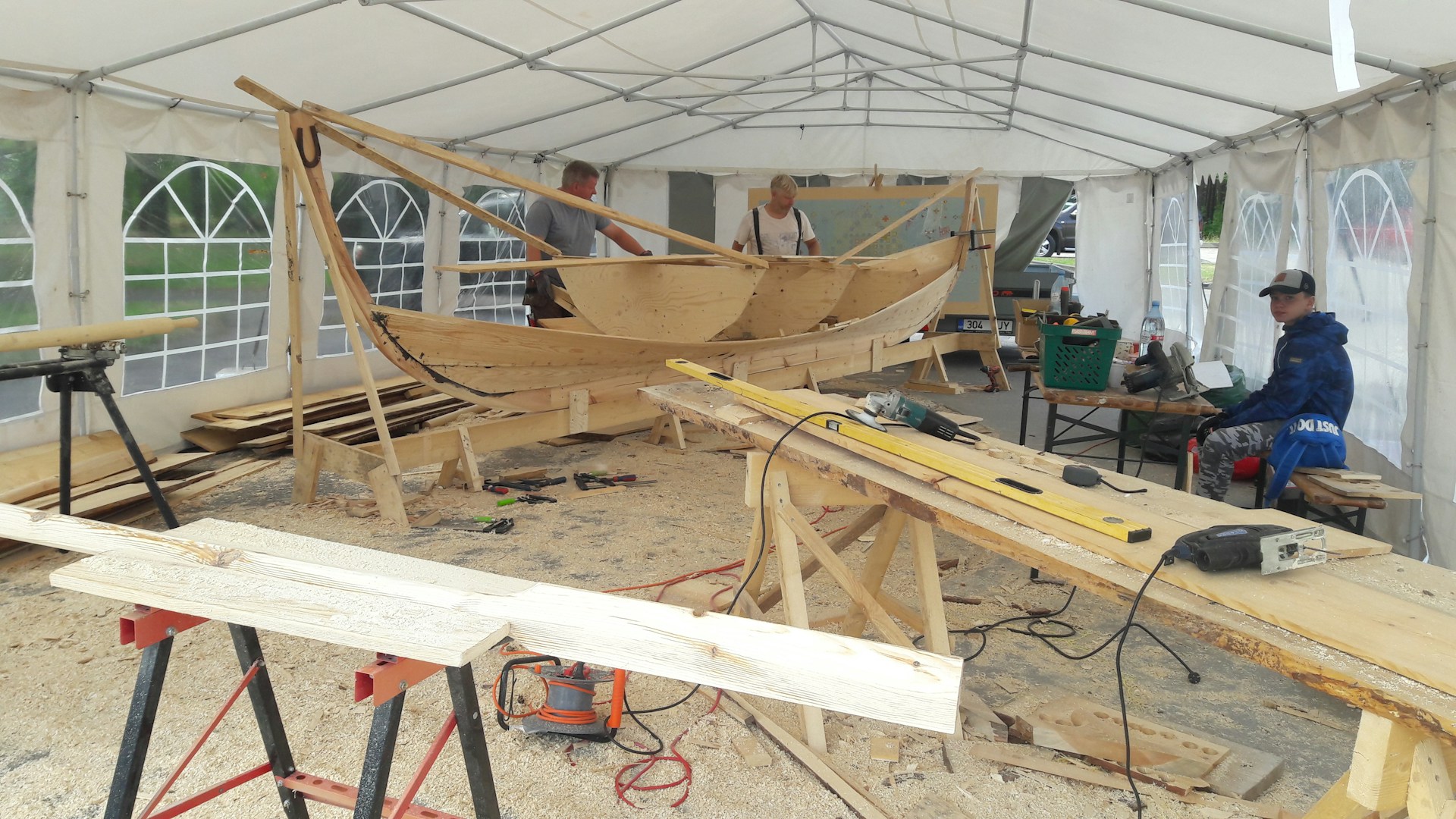
Wood is a cellular biopolymer consisting of cellulose, hemicellulose, and lignin. This biological composite functions as a structural material with high specific modulus and significant axial load capacity. The acquisition of “custom made wooden furniture “MaxiWoods” requires an analytical evaluation of timber density and equilibrium moisture content (EMC).
Hardwoods contain vessel elements that provide mechanical reinforcement and facilitate fluid transport within the plant structure. These botanical characteristics determine the material’s resistance to compression and its suitability for specific architectural applications.
Physical Properties of Hardwood and Softwood Species
Wood density is measured in kilograms per cubic meter at 12% moisture content to provide an objective baseline for material comparison. The Janka hardness test quantifies resistance to denting by measuring the force required to embed an 11.28-millimeter steel ball to half its diameter. Species like White Oak possess a Janka rating of 1,360 lbf, providing high resistance to indentation and surface abrasion in high-traffic environments.
The modulus of rupture defines the maximum bending stress the wood withstands before fiber failure occurs. Engineers utilize these quantitative metrics to calculate the minimum thickness for horizontal load-bearing surfaces like shelving. Anisotropic properties mean wood exhibits different mechanical strengths along the longitudinal and radial axes, necessitating precise grain orientation and structural alignment during the fabrication process.
Precision Manufacturing and Humidity Control
High-precision fabrication utilizes Computer-Integrated Manufacturing (CIM) frameworks to maintain dimensional accuracy within a 100-micrometer threshold. The operational sequence initiates with multi-axis laser topography to map grain vectors and isolate internal stresses capable of inducing post-milling distortion.
Spindle rotational frequencies are dynamically modulated according to the Janka hardness of the wood species to prevent frictional charring or the mechanical collapse of tracheid cells. Industrial environments are regulated to a 45% relative humidity setpoint to stabilize the timber’s Equilibrium Moisture Content (EMC).
This atmospheric management prevents the development of internal tension and prevents radial fractures during the subtractive phase. Technicians implement digital hygrometric monitoring to verify that the moisture profile of the lumber matches the specific atmospheric conditions of its intended installation site.
Mechanical Joinery and Adhesive Chemistry
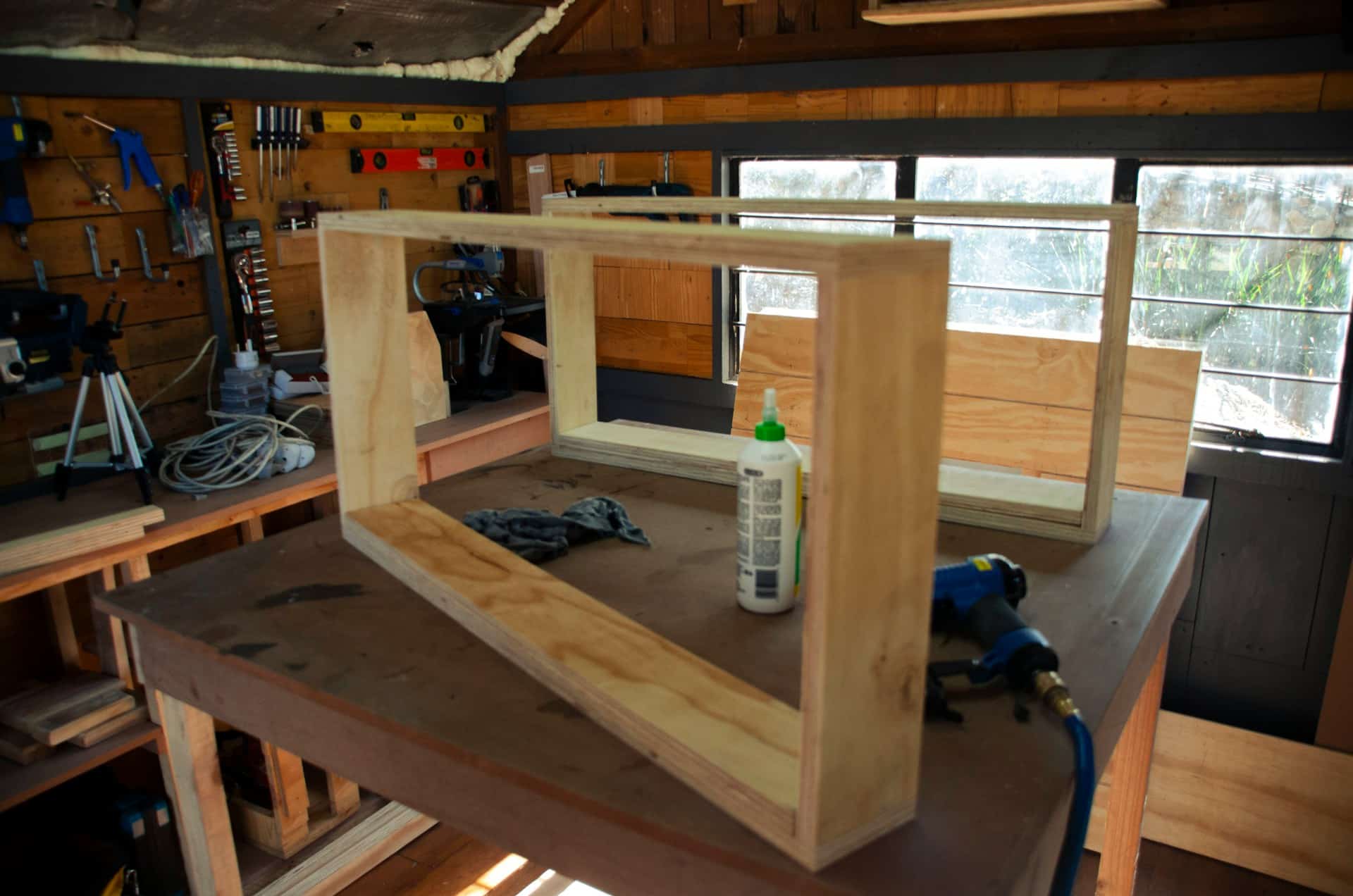
Joinery engineering focuses on geometric interlocks that maximize the surface area available for molecular adhesive bonding. The blind mortise-and-tenon joint involves a rectangular tenon inserted into a milled cavity, providing high resistance to torque and lateral displacement. Dovetail joinery utilizes interlocking trapezoidal pins that provide mechanical resistance to tensile pull-out forces, an industrial standard for high-integrity case construction.
CNC technology allows for interlocks with fits as precise as 0.05 millimeters, reducing the reliance on secondary metal hardware. Polyurethane adhesives are utilized because they undergo chemical cross-linking and expand during curing to fill microscopic voids within cellular tracheids. Proper grain orientation within the joinery is critical to prevent structural failure caused by differential shrinkage rates between interconnected members.
Surface Treatment and Chemical Barriers
Synthetic polymers and natural oils create a protective barrier isolating lignocellulosic fibers from atmospheric moisture and photochemical degradation. Polyurethane finishes form a hard, cross-linked film on the surface that is impervious to liquid water and household chemicals. Ultraviolet inhibitors are integrated into these chemical formulas to prevent the photochemical oxidation of lignin, which causes discoloration and surface brittleness.
A multi-stage sanding protocol, utilizing a grit sequence from P80 to P220, ensures a surface profile for optimal mechanical and chemical adhesion. Hardwax oils penetrate the cellular structure and undergo oxidation to harden within the tracheids, providing a surface that remains vapor-permeable to prevent internal moisture entrapment.
Technical verification of finish thickness, measured in mils, ensures a consistent moisture barrier across the entire surface area of the component.
Architectural Wood Components and Stability
Dimensional stability is managed through the removal of water during thermal dehydration in industrial kilns. Kiln-drying reduces moisture content to a standardized range of 6% to 9%, aligning with interior vapor pressures. Wood undergoes volumetric expansion in response to ambient relative humidity due to its hygroscopic nature.
Tangential shrinkage is typically double the rate of radial shrinkage, necessitating quartersawing to minimize volumetric movement in wide-span panels. Structural designers incorporate sliding dovetails to allow wood fibers to expand and contract without compromising geometric integrity.
For architectural details requiring moisture resistance and dimensional accuracy, such as sills and frames, technical data is available at MaxiWoods. These engineering principles ensure that natural wood products remain functional and reliable across diverse climate zones.

Natalie Zhou, AIA, holds an MIT Master of Architecture and has designed civic and residential projects for 12 years. She joined us in 2025 to translate green-building theory into practical home ideas, spotlighting passive-solar layouts and space-saving details. Natalie’s articles blend on-site anecdotes with sketchbook tips. Away from the desk, she restores mid-century chairs and volunteers with Habitat for Humanity.