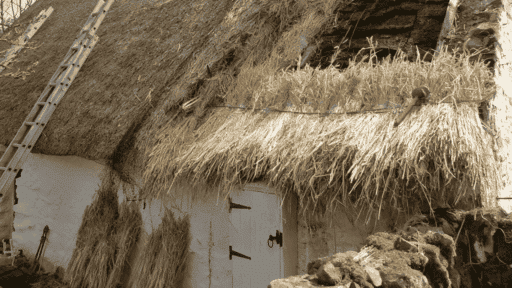

Some roofs do more than just cover a home; they carry centuries of history, craft, and quiet resilience.
A thatched roof is one of them. Long before concrete and steel took over construction, communities across the world were already mastering the art of building roofs from nature itself.
What makes it work?
Why do some last decades while others fail early? And is it still a roof worth choosing today?
The answers lie in the materials, the craftsmanship, and a few details most people never think to ask about.
What Is a Thatched Roof?
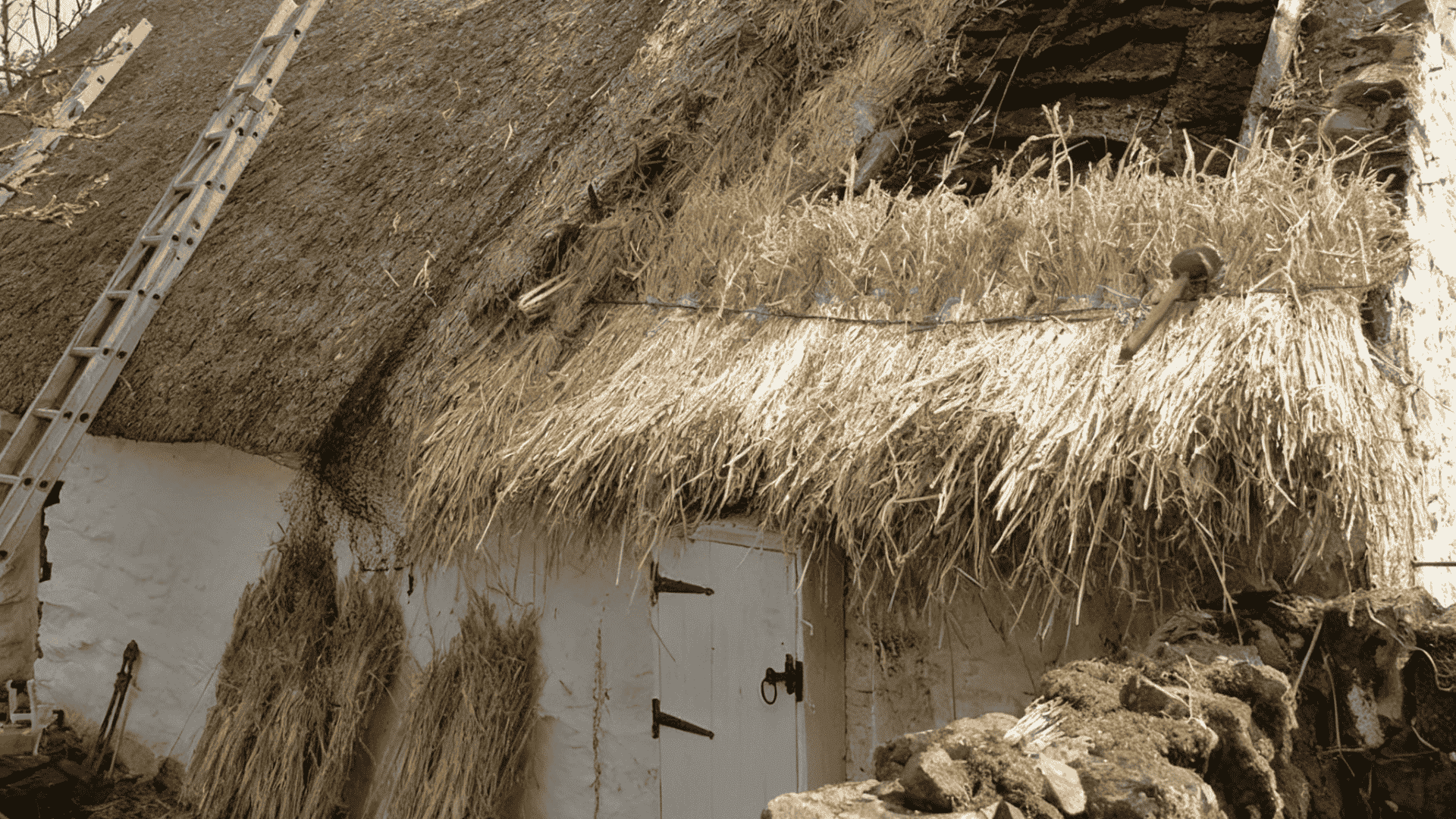
A thatched roof is one of the oldest and most traditional roofing systems in the world, built using natural plant materials such as water reed, straw, or palm leaves, carefully layered over a timber frame.
Rather than relying on tiles or metal sheets, thatching uses skilled craftsmanship to create a dense, weather-resistant surface that naturally sheds rainwater.
Originating thousands of years ago, thatched roofing was developed by ancient communities across Europe, Asia, and Africa using locally available vegetation.
It was the most practical and accessible roofing solution before modern materials existed.
Beyond its historic roots, a thatched roof also offers excellent natural insulation, keeping interiors cool in summer and warm in winter, making it an eco-friendly choice.
Key Components of Thatched Roof
Understanding the key components of a thatched roof helps explain how this ancient roofing system achieves its remarkable durability and weather resistance.
Each part plays a specific role in the overall structure:
- Thatch Material: Natural vegetation layered densely to create a waterproof roofing surface.
- Roof Frame: Timber structure supporting the weight and maintaining roof pitch stability.
- Battens: Horizontal wooden strips securing thatch bundles firmly in place.
- Spars (Fixings): Twisted hazel or willow rods pinning thatch layers securely together.
- Ridge Cap: Topmost section protecting the roof peak from direct weather exposure.
- Underlayer/Coatwork: The main thick layer is responsible for insulation and effective rainwater shedding.
When combined, these components create a structurally sound and well-insulated roof that has stood the test of time across generations and climates.
Basic Thatch Roof Material
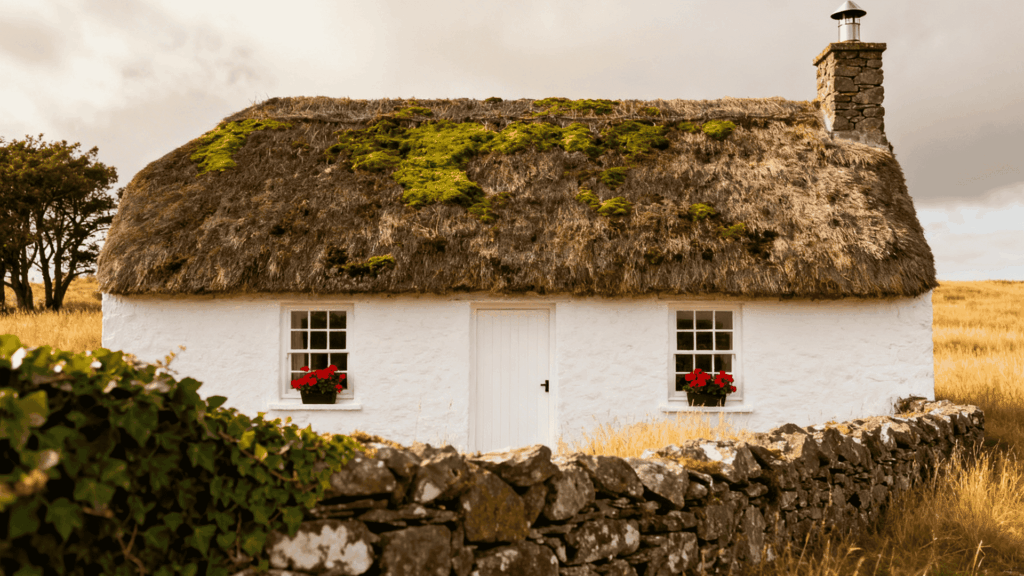
The durability of a thatched roof depends mainly on the type of thatch roof material used. Climate and local availability also affect which materials perform best.
Some last for decades, while others need earlier replacement, directly impacting how long a thatch roof lasts.
Here are the most commonly used materials:
- Water Reed: Dense, strong, and highly water-resistant; can last 40:60 years.
- Long Straw: Traditional material with a softer, textured look; usually lasts 15:30 years.
- Combed Wheat Reed: Cleaner and more compact than long straw; offers improved durability.
- Palm Leaves: Common in tropical regions; breathable and cooling, but have a shorter lifespan.
- Heather & Sedges: Regional materials used in specific climates; lifespan varies widely.
Each material has its own strengths, appearance, and maintenance needs.
Selecting the right thatch roof material plays a major role in determining the roof’s longevity, performance, and overall cost.
How Long Does a Thatch Roof Last?
The lifespan of a thatched roof can vary depending on several important factors. While some roofs last only 15 years, others can remain in good condition for over 50 years.
The difference mainly depends on material quality, weather exposure and regular maintenance.
Here are the factors that affect its longevity:
- Climate conditions and rainfall intensity
- Roof pitch (steeper slopes last longer)
- Quality of craftsmanship
- Type of thatch roof material used
- Regular inspection and maintenance
- Ventilation and moisture control
- Exposure to moss, algae and pests
Below is the table showing the average lifespan of common materials:
| Thatch Material | Average Lifespan |
|---|---|
| Water Reed | 40:60 years |
| Long Straw | 15:30 years |
| Combed Wheat Reed | 25:40 years |
| Palm Thatch | 5:15 years |
| Ridge (all materials) | 10:15 years |
In most cases, the main coating of the roof lasts several decades, especially when high-quality materials like water reed are used.
However, the ridge is more exposed to the weather and typically needs replacement sooner.
With proper installation, suitable thatch roof material, and routine maintenance, a thatched roof can remain durable, efficient, and visually appealing for generations.
Signs Your Thatched Roof Needs Replacement
Even a well-built thatched roof will eventually show signs of aging. Regular inspections help spot problems early before they become serious structural issues.
Knowing what to look for can save money and extend the roof’s life.
Common warning signs include:
- Noticeable thinning or exposed fixings
- Persistent leaks after rainfall
- Sagging or uneven roof lines
- Excessive moss or plant growth
- Bird or rodent damage
- Ridge deterioration or cracking
If these problems are ignored, moisture can enter the structure and cause more serious damage to the roof frame.
Identifying these warning signs early helps prevent costly repairs and ensures timely replacement when needed.
Pros and Cons of Thatched Roof
A thatched roof offers clear benefits but also requires ongoing care. Here are a few advantages and limitations:
Pros
- Natural Insulation: Provides strong thermal performance in both hot and cold climates.
- Eco-Friendly Material: Made from renewable vegetation with low environmental impact.
- Traditional Appearance: Adds character and historic value to properties.
- Breathable Structure: Allows airflow, reducing condensation and trapped moisture.
- Long Lifespan Potential: Can last for decades with proper installation and upkeep.
Cons
- Regular Maintenance: Requires routine inspections and occasional repairs.
- Fire Sensitivity: Requires modern fire-retardant treatments for greater safety.
- Limited Skilled Labor: Experienced thatchers may not be available in every location.
- Higher Insurance Costs: Premiums can be higher than for standard roofing.
- Specialized Repairs: Fixing damage often requires trained professionals.
Costing of Installation and Maintenance
The cost of a thatched roof depends on factors like roof size, location, labor availability and the type of thatch roof material used.
Installation requires skilled craftsmanship, which can influence overall pricing. Regular maintenance also contributes to long-term expenses.
| Service Type | Estimated Cost Range |
|---|---|
| New Thatched Roof Installation | $10,000 : $30,000+ |
| Ridge Replacement | $1,500 : $4,000 |
| Minor Repairs | $500 : $2,000 |
| Annual Inspection | $200 : $500 |
Although the initial installation cost may be higher than conventional roofing, proper care and durable materials can help reduce major repair costs over time.
Are Thatched Roofs Still Practical Today?
Yes, thatched roofs are still a practical and viable roofing choice today.
In rural settings, heritage properties, and eco-conscious construction, they continue to deliver reliable performance.
Modern advancements in fire-retardant treatments and improved installation techniques have addressed many traditional concerns.
The key is finding skilled thatchers and committing to routine upkeep.
For the right property and owner, a thatched roof remains a smart, sustainable and characterful investment.
Conclusion
A thatched roof is far more than a rustic choice. From its ancient origins to its modern-day applications, it has proven itself as a durable, breathable, and sustainable roofing system.
The right material matters, water reed outlasting most others by decades. Craftsmanship shapes how well it performs through seasons and storms.
Routine maintenance keeps it standing longer than many expect.
Even the costs, while higher upfront, balance out over time with proper care.
Fire safety, insurance, and skilled labor are real considerations, but none that make it an impractical choice.
For the right home and the right owner, a thatched roof delivers character, comfort, and longevity in equal measure.
Got a thatched roof at home or a favourite material you swear by? Drop your experience or thoughts in the comments below!
Frequently Asked Questions
Is a Thatched Roof Waterproof?
Yes, a thatched roof is effectively waterproof when properly installed. The tightly packed, overlapping layers naturally direct rainwater downward, preventing moisture from penetrating the structure beneath.
Are Thatched Roofs Expensive To Maintain?
Maintenance costs are quite manageable. Routine annual inspections typically cost between $200–$500, and addressing minor issues early prevents expensive repairs, making long-term upkeep reasonably affordable for most homeowners.
Can Thatched Roofs Be Fireproofed?
While naturally combustible, thatched roofs can be treated with modern fire-retardant solutions that significantly reduce fire risk, bringing them closer to the safety standards of conventional roofing materials.

Tommy Hardy, an alumnus of the Georgia Institute of Technology with a degree in Mechanical Engineering, has been a go-to figure in residential upkeep and innovation for over 18 years. His career commenced in a leading home appliance manufacturing company, where he mastered the intricacies of household systems. Joining our platform in 2020, Tommy quickly became a reader favorite for his practical and easy-to-follow guides. He took the helm of our DIY section in 2019, consistently delivering content that empowers homeowners. Beyond his professional pursuits, Tommy is a passionate gardener and enjoys woodworking, skills enhancing his hands-on approach to home care.