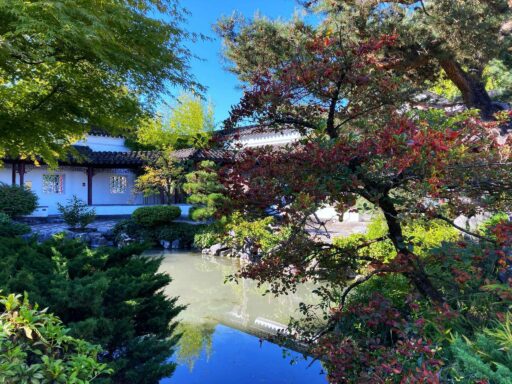
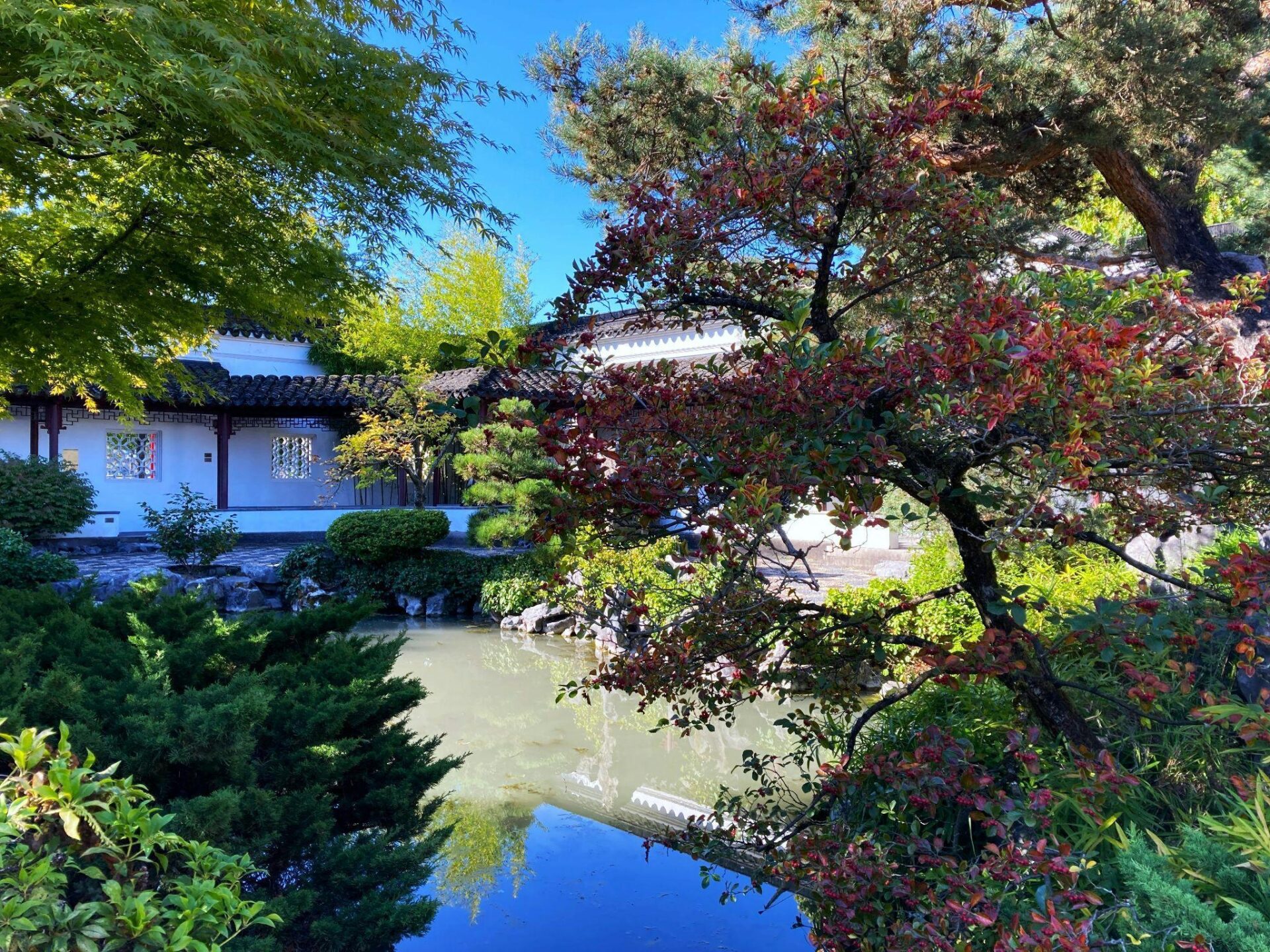

Outdoor living spaces have become an important extension of modern homes. Gardens, patios, and landscaped yards are increasingly designed not only for visual appeal but also for relaxation and recreation. One feature that continues to grow in popularity is the garden pond. Whether small and decorative or larger and designed for fish and aquatic plants, ponds add movement, sound, and biodiversity to outdoor environments.
Creating a successful pond requires thoughtful planning and ongoing care. From design choices to seasonal maintenance, homeowners must consider water circulation, filtration, and oxygen levels to keep the ecosystem balanced. Many pond owners explore solutions offered by companies such as Living Water Aeration when researching equipment and strategies for maintaining healthy water conditions.
Planning the Right Pond Design
Before installing a pond, it is important to evaluate the available outdoor space and how the water feature will integrate with the surrounding landscape. Pond design often begins with considerations such as location, sunlight exposure, and proximity to trees or garden structures.
Placing a pond in a location that receives moderate sunlight can help maintain a healthy balance of aquatic plants while preventing excessive algae growth. Too much direct sunlight may accelerate algae blooms, while too little light can limit plant growth.
The shape and depth of the pond also influence its long-term stability. Deeper ponds typically maintain more consistent temperatures and provide better habitats for fish, while shallow decorative ponds are easier to install and maintain in smaller gardens.
Careful planning during the design stage can reduce future maintenance challenges and create a pond that complements the surrounding outdoor environment.
Setting Up a Healthy Pond Ecosystem
Once the design is finalized, the installation process begins. This usually involves excavating the pond area, installing a liner or preformed basin, and setting up essential equipment such as pumps and filtration systems.
Filtration plays a critical role in maintaining water quality. Mechanical filters remove debris like leaves and organic material, while biological filters support beneficial bacteria that break down waste products. These bacteria help convert harmful compounds into less toxic substances that plants can absorb.
Another important component of a healthy pond is water circulation. Moving water prevents stagnation and helps distribute oxygen throughout the pond. Without proper circulation, oxygen levels may drop, which can harm fish and beneficial microorganisms.
According to environmental water management research, adequate aeration improves oxygen availability and supports biological processes that maintain water quality. This circulation helps prevent nutrient buildup and encourages beneficial bacteria that naturally break down organic waste in aquatic environments.
Incorporating Aquatic Plants and Fish
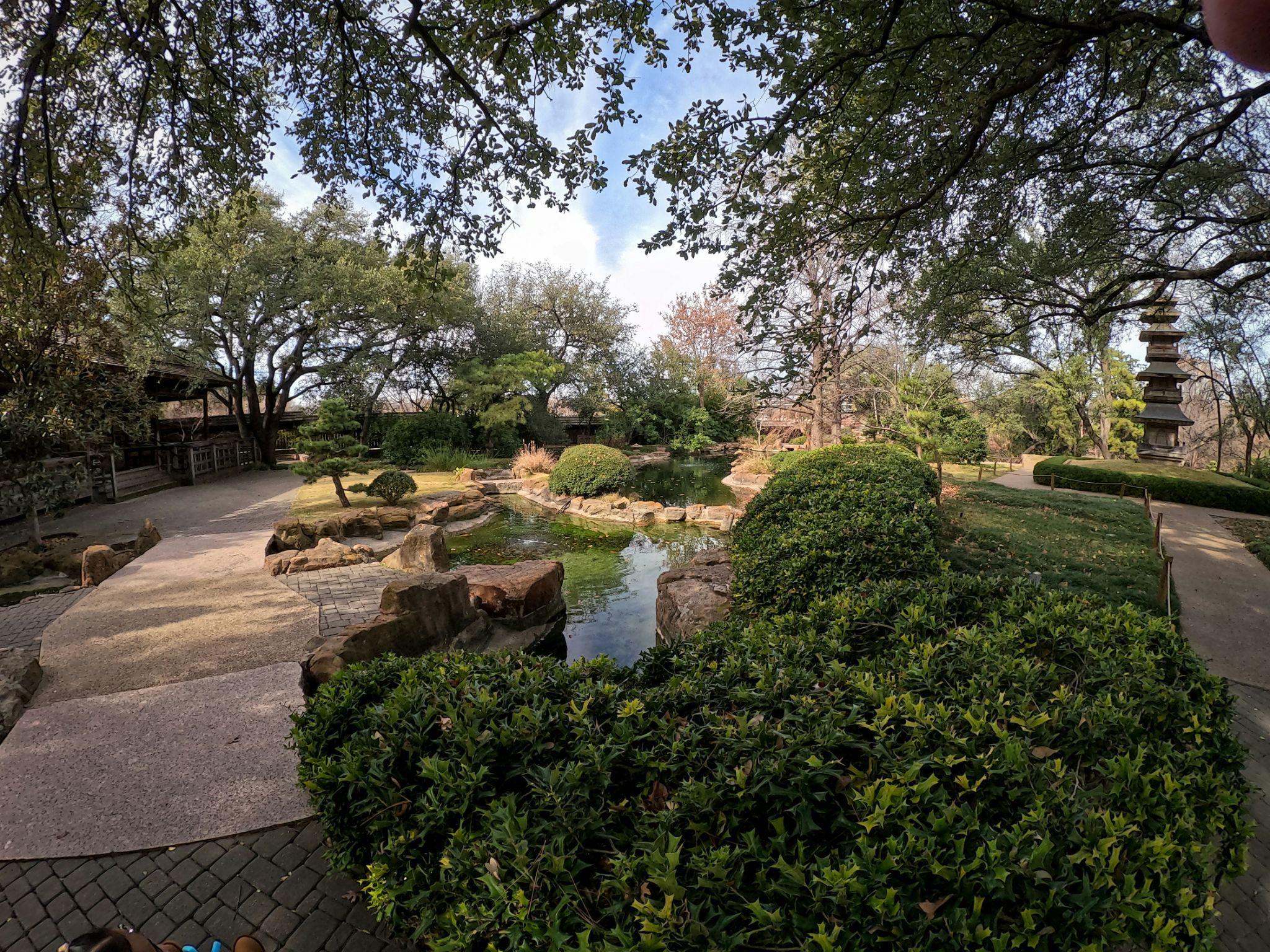
Aquatic plants contribute significantly to the ecological balance of a pond. Floating plants, submerged plants, and marginal plants each serve different roles in maintaining water health.
Floating plants provide shade that limits excessive algae growth, while submerged plants release oxygen and absorb nutrients from the water. Marginal plants growing along pond edges help stabilize soil and create habitats for insects and amphibians.
Fish are often added to garden ponds to create movement and visual interest. Popular pond fish such as koi or goldfish can thrive in well-maintained environments with adequate oxygen and filtration.
However, stocking levels must be carefully managed. Too many fish can increase waste production and strain the pond’s biological filtration system.
Seasonal Maintenance Throughout the Year
Maintaining a pond requires ongoing attention across different seasons. Each time of year introduces specific challenges that pond owners should address.
In spring, pond owners often perform thorough cleaning to remove debris accumulated during winter. Equipment such as pumps and filters should be inspected and restarted if they were shut down during colder months.
Summer maintenance focuses on controlling algae growth and ensuring adequate oxygen levels as warmer water temperatures reduce dissolved oxygen capacity. Monitoring water levels and removing excess plant growth can also help maintain balance.
Autumn brings falling leaves that can accumulate in ponds. Installing protective netting or regularly removing debris prevents organic material from decomposing in the water and affecting water quality.
During winter, deeper ponds may require minimal intervention, but maintaining a small opening in the ice allows gas exchange and prevents harmful gases from building up beneath the frozen surface.
Long-Term Benefits of Proper Pond Care
A well-designed and properly maintained pond becomes more than just a decorative feature. Over time, it evolves into a thriving ecosystem that supports birds, insects, amphibians, and aquatic plants.
Homeowners often find that ponds enhance the overall atmosphere of their outdoor living space. The sound of moving water, the presence of wildlife, and the visual appeal of aquatic plants create a relaxing environment that can be enjoyed year round.
Consistent maintenance, balanced biological systems, and proper oxygen circulation allow ponds to remain healthy with relatively minimal intervention.
Creating a Sustainable Outdoor Water Feature
Adding a pond to an outdoor living space requires thoughtful planning and a commitment to long-term care. By focusing on proper design, reliable filtration, and effective aeration, homeowners can create water features that remain clear and vibrant through every season.
With the right approach, a pond becomes a sustainable centerpiece of the garden, one that enhances both the beauty of the landscape and the ecological health of the surrounding environment.

Holding a Master’s in Architecture from the University of Texas at Austin, Emily Rodriguez has dedicated more than two decades to the art and science of building renovation. Starting her journey in historic preservation, she developed a profound respect for blending old with new in building design. Emily became a vital part of our team in 2019, renowned for her insightful and innovative renovation tips. She has been leading our DIY home improvement series since ever since, where she shares her wealth of knowledge in turning outdated spaces into modern havens. When not engaged in writing or consulting, Emily is a passionate advocate for heritage conservation and enjoys exploring vintage architecture, a hobby that complements her professional expertise.