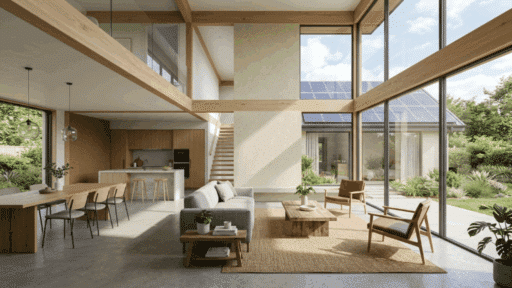
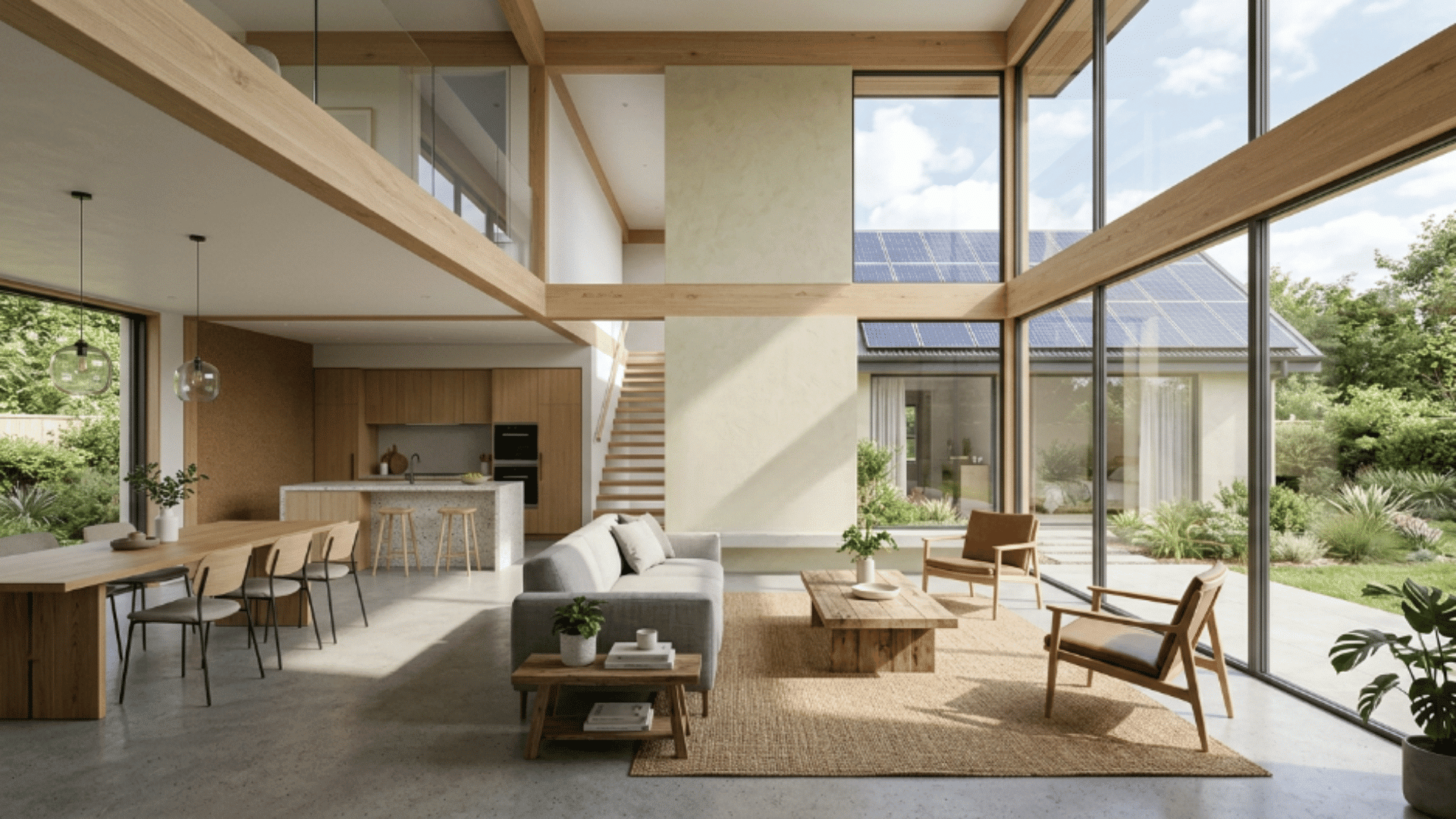

Eco-friendly homes are becoming increasingly important as people seek ways to reduce their environmental impact and live healthier lives.
Rising energy costs, climate concerns, and increased awareness about indoor air quality are pushing people to rethink how their spaces are designed.
This is where sustainable interior designplays a key role. It focuses on using responsible materials, improving energy efficiency, and creating spaces that last longer with less waste.
Understanding how sustainable interior design works helps people make smarter decisions that support both their lifestyle and the planet.
Understanding Sustainable Interior Design
It focuses on creating spaces that are functional, efficient, and mindful of environmental impact.
It involves making smart choices about materials, energy use, and overall design so that homes are both comfortable and long-lasting.
The goal is not just to improve how a space looks, but also how it performs over time while reducing waste and resource use.
Key Principles to Know
It is built on a few core principles that guide every decision, helping create spaces that are efficient, practical, and mindful of long-term impact.
- Use of Eco-Friendly Materials: Bamboo, reclaimed wood, and recycled products are used to reduce the need for new resources and limit waste.
- Energy Efficiency: Simple choices such as LED lighting, proper insulation, and maximizing natural light can significantly reduce energy consumption and lower utility costs.
- Low-Waste And Long-Lasting Design: Choosing durable furniture and avoiding short-term trends helps reduce frequent replacements, which cuts down on waste over time.
- Indoor Air Quality: Using low-VOC paints, natural fabrics, and non-toxic finishes improves air quality and creates a healthier living environment.
Case Studies of Sustainable Interior Design
Each case study shows how thoughtful choices in materials, energy use, and planning can reduce environmental impact while still creating comfortable, functional spaces.
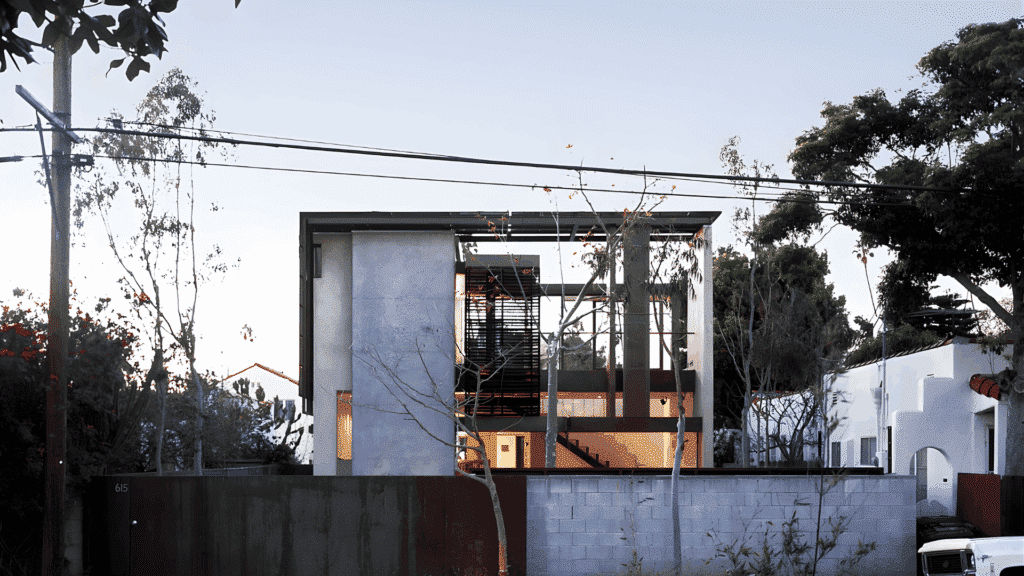
1. Solar Umbrella House
Source: Wikipedia
The solar umbrella house is a strong example of how modern homes can rely on clean energy. It is designed to be nearly energy-neutral, meaning it produces almost as much energy as it uses.
Solar panels play a major role, generating about 95% of the home’s electricity.
The design also uses passive solar techniques, such as positioning and shading, to naturally control temperature. This reduces the need for heating and cooling systems, making the home more efficient and cost-effective over time.
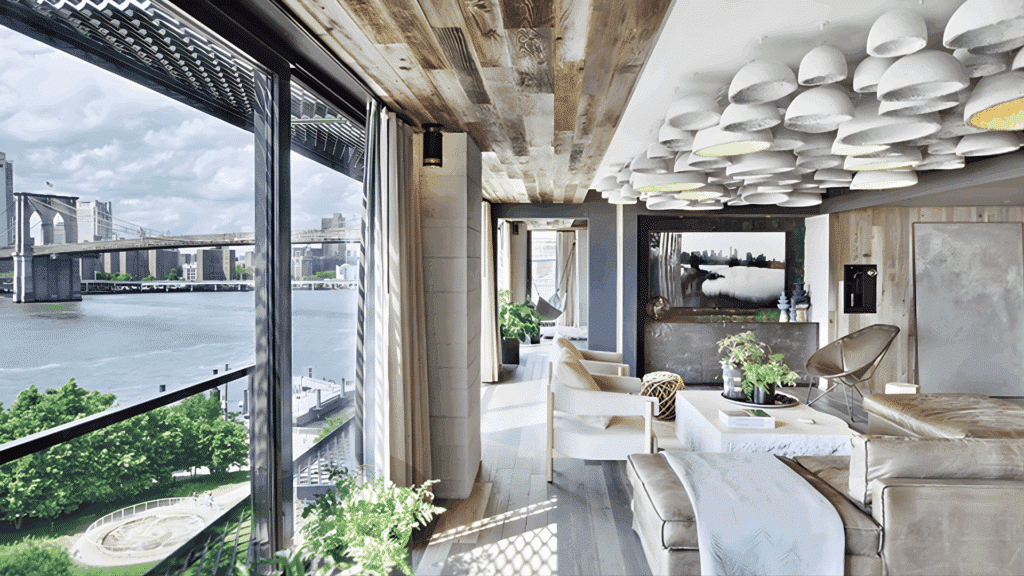
2. Hotel Brooklyn Bridge Park
Source:Interior Design
Hotel Brooklyn Bridge Park is an example of sustainable interior design that focuses on natural materials. The interiors use salvaged wood and organic fabrics to reduce environmental impact.
The design also supports energy efficiency through natural lighting and smart systems. Indoor greenery is used throughout the space to improve air quality and create a calm environment.
The project shows how interior design can combine comfort, function, and sustainability without relying on new resources.
3. Earthship Brighton
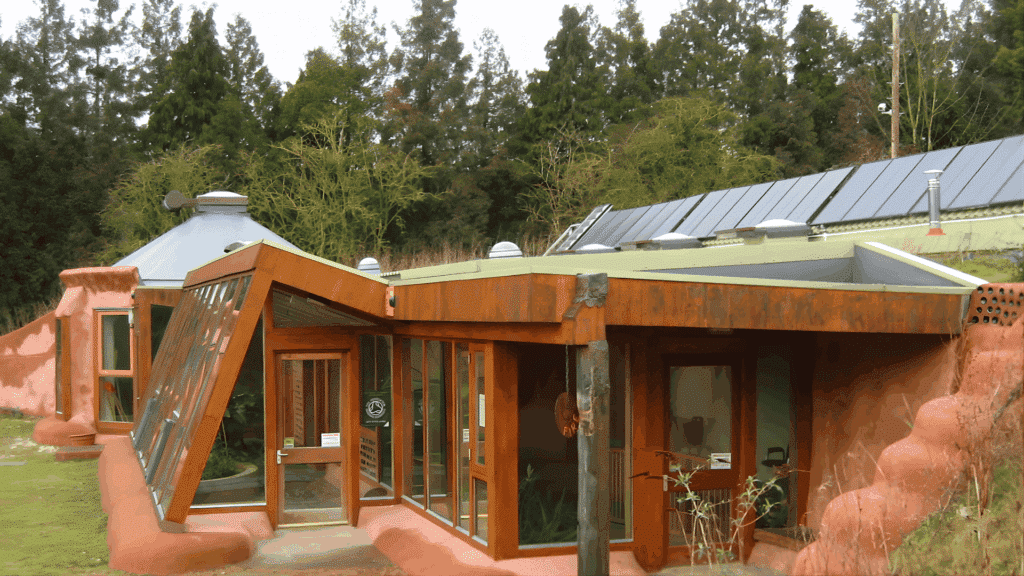
Source:Wikipedia
Earthship Brighton is a unique project built from recycled materials, including old tires, glass bottles, and cans. These materials are not only reused but also help insulate the building naturally.
The structure is designed to be self-sufficient, with systems for collecting rainwater, generating solar energy, and maintaining indoor temperature, with minimal reliance on external systems.
This project highlights how waste materials can be turned into functional design elements while reducing construction impact.
4. House R128
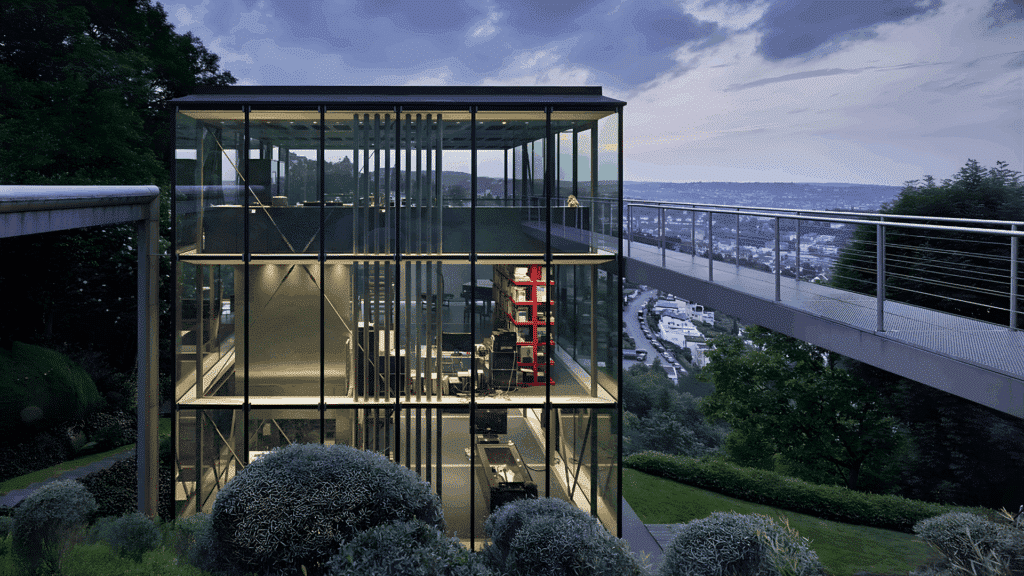
Source:Wikipedia
House R128 is a modern residential building that focuses on long-term sustainability. It is designed to be fully recyclable, meaning most of its materials can be reused at the end of its life cycle.
The house produces its own energy and uses advanced insulation and smart systems to reduce energy consumption. Its clean and simple design also reflects the idea of using fewer resources while maintaining comfort and efficiency.
5. Angatuba House
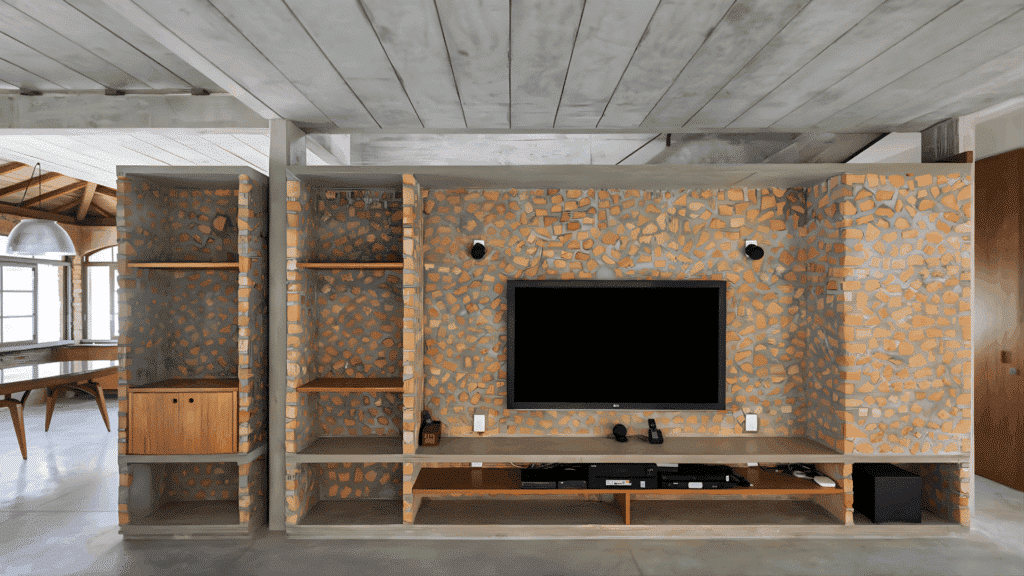
Source: Arch Daily
Angatuba House by Messina Rivas demonstrates how sustainable interior design can focus on reusing on-site materials.
During renovation, clay brick walls were demolished, but instead of discarding them, the team explored ways to reuse the bricks within the project.
Working closely with engineers and builders, they experimented with new construction methods using the same materials.
Why It Matters in Today’s Time?
Sustainable interior design matters today because it addresses both environmental concerns and everyday living needs.
As energy costs continue to rise and awareness of climate impact grows, more people are looking for ways to reduce their home footprint.
This approach helps lower environmental impact by using fewer resources and reducing waste. It also creates healthier living spaces by improving indoor air quality through safer materials and better ventilation.
Energy-efficient choices like proper lighting and insulation can lead to long-term cost savings. Overall, it supports a more practical and responsible way of living.
Ways to Inculcate Sustainable Design at Home
Making small, thoughtful changes at home can help bring sustainable interior design into everyday living without making the process feel overwhelming.
- Choose Eco-Friendly Materials: Use reclaimed wood, bamboo, and recycled materials to reduce environmental impact and create a more responsible space.
- Switch to Energy-Efficient Lighting: Replace traditional bulbs with LED lighting and make better use of natural light to lower electricity consumption.
- Invest in Long-Lasting Furniture: Choose durable, high-quality pieces that last longer, reducing the need for frequent replacements.
- Use Second-Hand or Upcycled Decor: Buy pre-owned furniture or refurbish old items to reduce waste and give pieces a new purpose.
- Improve Indoor Air Quality: Choose low-VOC paints, natural fabrics, and add indoor plants to create a healthier living environment.
The Role of Technology in Sustainable Design
Technology plays an important role in making sustainable design more efficient and easier to manage in modern homes.
Smart systems like automated lighting help reduce energy use by adjusting based on habits. Digital tools help people find eco-friendly materials and compare options easily.
Energy-efficient appliances also use less electricity and water, which helps lower utility bills and overall consumption. These solutions make it easy to control resources with minimal effort.
Renewable energy solutions like solar panels and improved insulation systems further reduce reliance on traditional energy sources, creating homes that are more efficient and responsible.
Conclusion
Sustainable interior design goes beyond look and focuses on creating spaces that are thoughtful, efficient, and built to last.
Choosing durable items, improving lighting efficiency, and being mindful of what is brought into a space can make a noticeable difference.
Over time, these changes support a more balanced way of living, reducing waste and improving comfort. As awareness grows, more people are moving toward designs that balance functionality and responsibility.
Starting with simple changes today can lead to long-term benefits that extend beyond the home and into a more sustainable future.

With a Master’s in Architecture from the University of California, Berkeley, Alexander Martin has dedicated the last 18 years to enhancing outdoor living through thoughtful and robust structure design. His career kicked off in urban planning, giving him a unique perspective on integrating structures into diverse environments. In 2019, Alexander brought his expertise to our website, offering insights into creating versatile outdoor spaces. Since then, he has been the lead advisor for our outdoor design projects and is known for his ability to merge functionality with environmental consciousness. Alexander enjoys rock climbing outside of work and participates in community development projects, activities that reflect his passion for the outdoors and sustainable design.