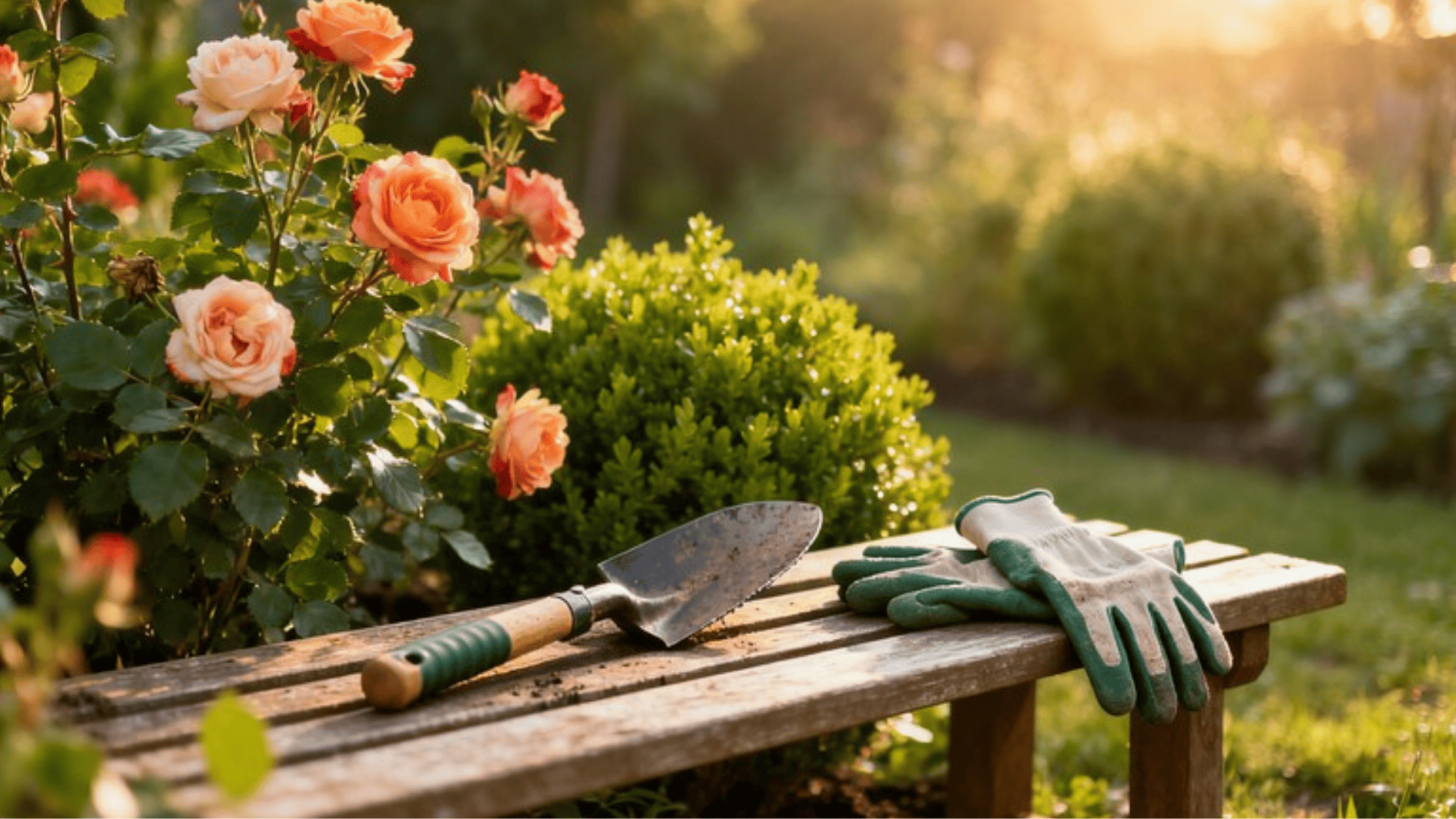

Most gardeners water, add sunlight, and follow the basics, yet their plants still struggle. The problem isn’t effort. It’s the small things that often go unnoticed: poor soil, wrong watering habits, or skipping a few key steps.
These gaps hold back even the most dedicated gardeners. The encouraging part? Most of these issues have straightforward fixes.
The right gardening tips and practical garden hacks can improve plant health, reduce wasted effort, and make the whole process far more manageable.
Here, you’ll find simple, effective changes that any gardener can apply: no complicated tools, no guesswork involved.
What Actually Makes a Garden Grow
A healthy garden is not just about planting seeds and watering regularly. It depends on a combination of key factors that work together to support healthy plant growth.
Understanding these basics helps you create the right environment for your plants from the start. Good soil is the foundation, providing nutrients, structure, and support for roots.
Sunlight is equally important, since most plants need adequate light to grow and produce. Proper watering keeps plants hydrated without becoming waterlogged, while air circulation helps prevent disease.
When these elements, soil, light, water, and care, are balanced, plants grow stronger and more productive, making your gardening efforts more successful.
Practical Gardening Tips and Hacks
These ideas focus on practical actions and simple workarounds that make gardening easier and more efficient. From soil prep to pest control, each tip is easy to follow and requires minimal effort.
1. Start with Loose, Nutrient-Rich Soil
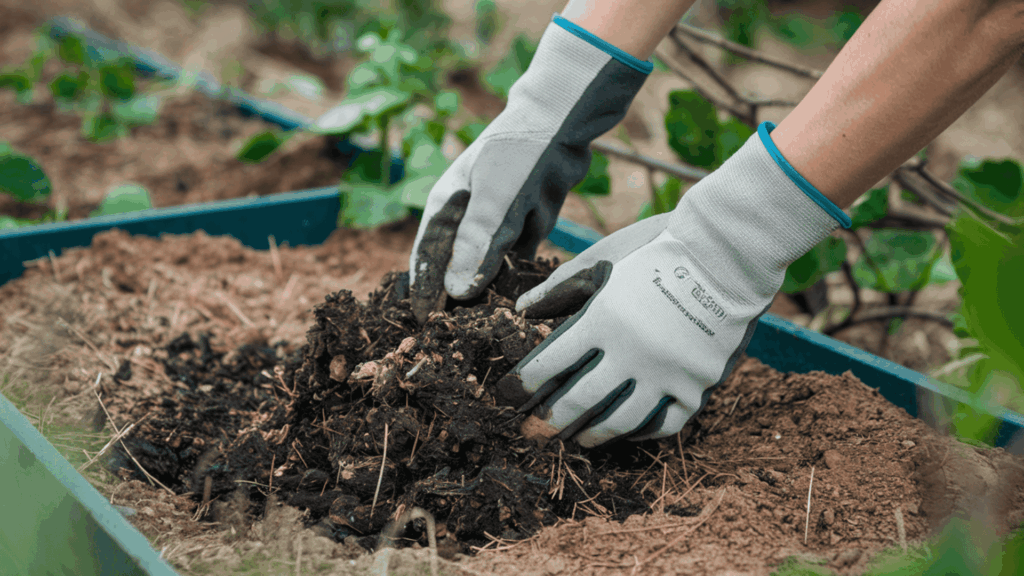
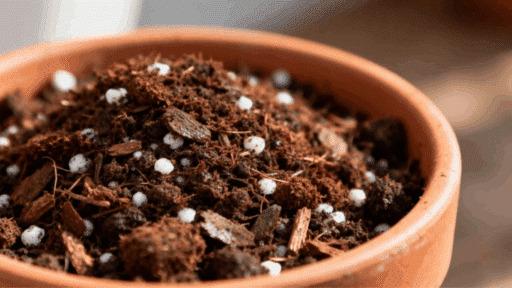
Soil quality is the foundation of a healthy garden. Compacted or nutrient-poor soil makes it hard for roots to spread, no matter how much care goes into the plants above ground.
Mixing compost or organic matter into the top layer before planting loosens the soil and adds key nutrients. It is a simple step that gives plants a much stronger start.
2. Water Deeply Instead of Frequently
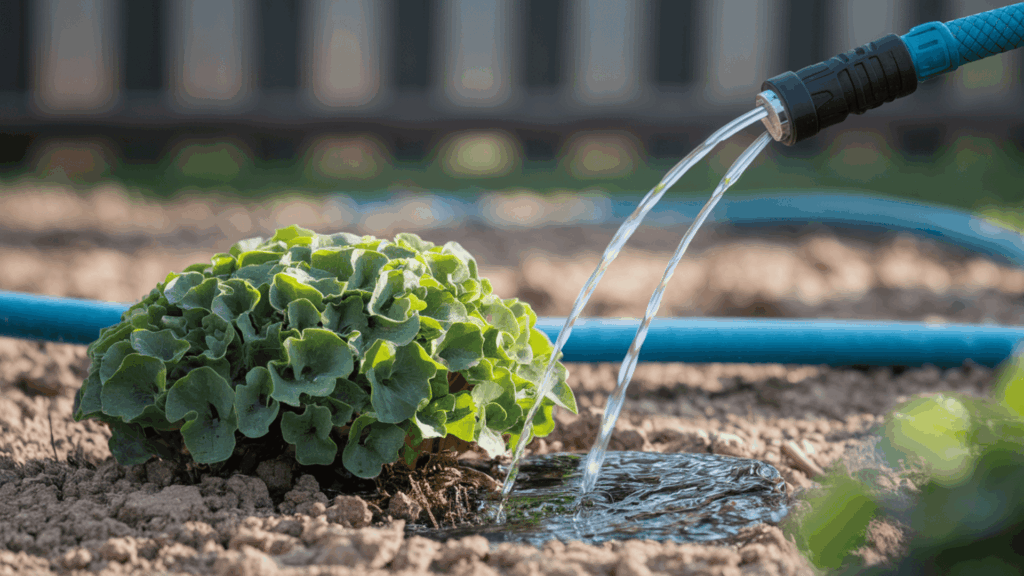
Frequent light watering keeps roots close to the surface, which makes plants more vulnerable to heat and dry spells.
Among the most overlooked gardening tips is simply changing how often and how deeply water is applied.
Watering less often but more thoroughly leads to stronger, more stable root systems over time. It also reduces the overall amount of water used in the garden.
3. Water Plants Early in The Morning
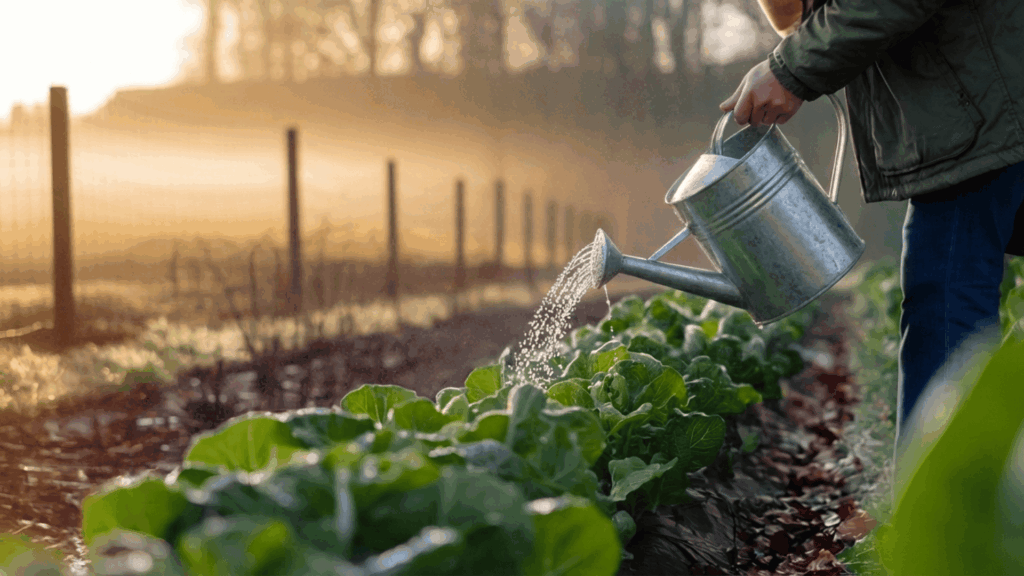
Morning watering gives plants time to absorb moisture before temperatures climb. Any water that lands on leaves dries off naturally during the day, lowering the risk of fungal problems that tend to develop in damp conditions overnight.
Evening watering does the opposite, leaving moisture sitting on plants for hours. Switching to morning watering is one of the simpler garden hacks that makes a real difference over time.
4. Use Mulch to Lock in Moisture
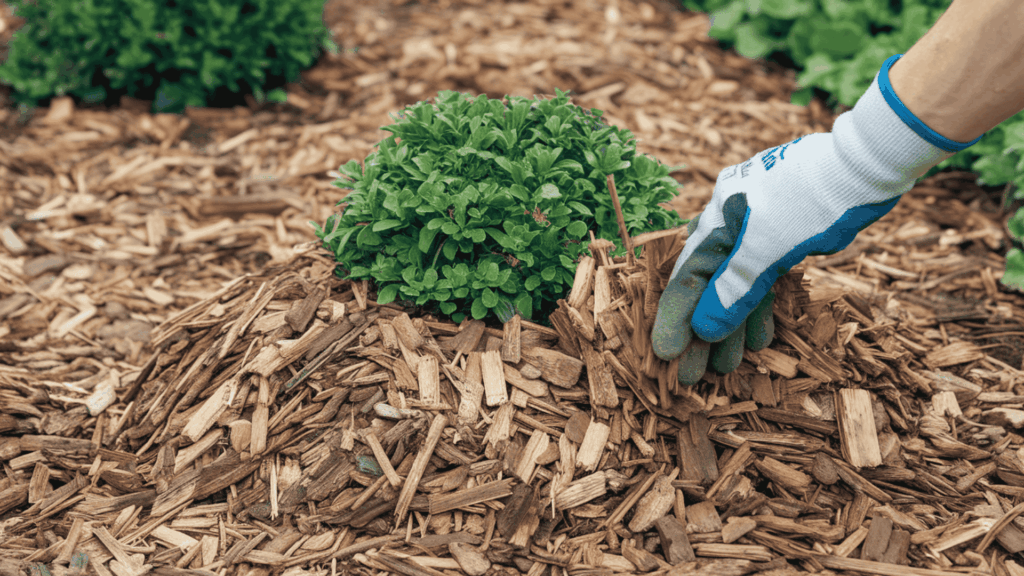
Mulch acts as a protective layer over the soil, slowing down evaporation and keeping moisture in place longer. This means less frequent watering, especially during warmer months.
It also helps regulate soil temperature and reduces weed growth at the same time. A thin layer around the base of plants is enough to make a clear difference. It is one of the more underrated gardening tips for reducing overall maintenance time.
5. Match Plants to Available Sunlight
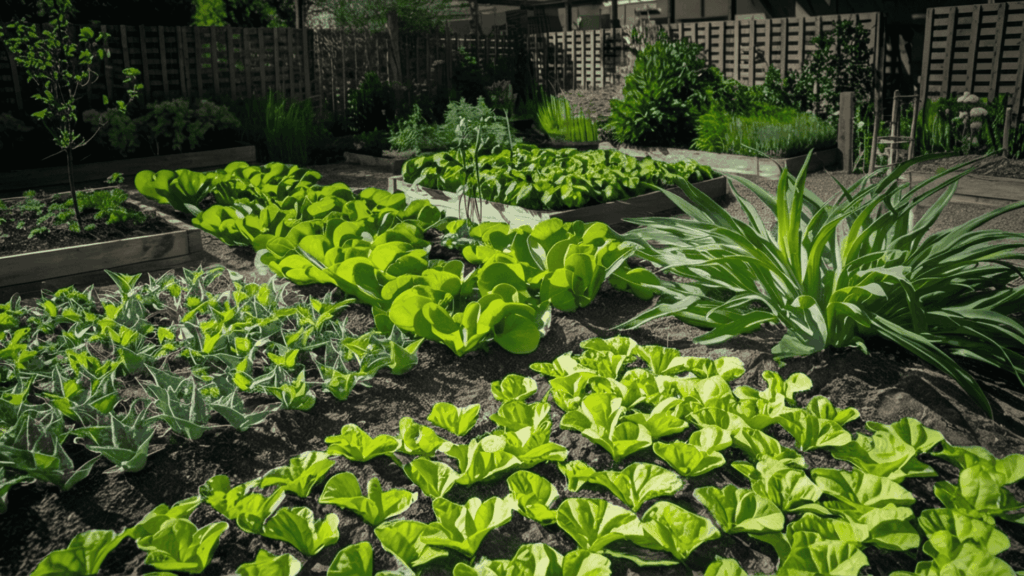
Not every plant grows the same in the same light conditions. Placing a sun-loving plant in shade, or a shade-preferring one in direct sun, leads to poor growth, no matter how well everything else is managed.
One of the most practical garden hacks is spending a day tracking sunlight patterns across the space before deciding where each plant goes.
6. Turn Kitchen Scraps Into Compost
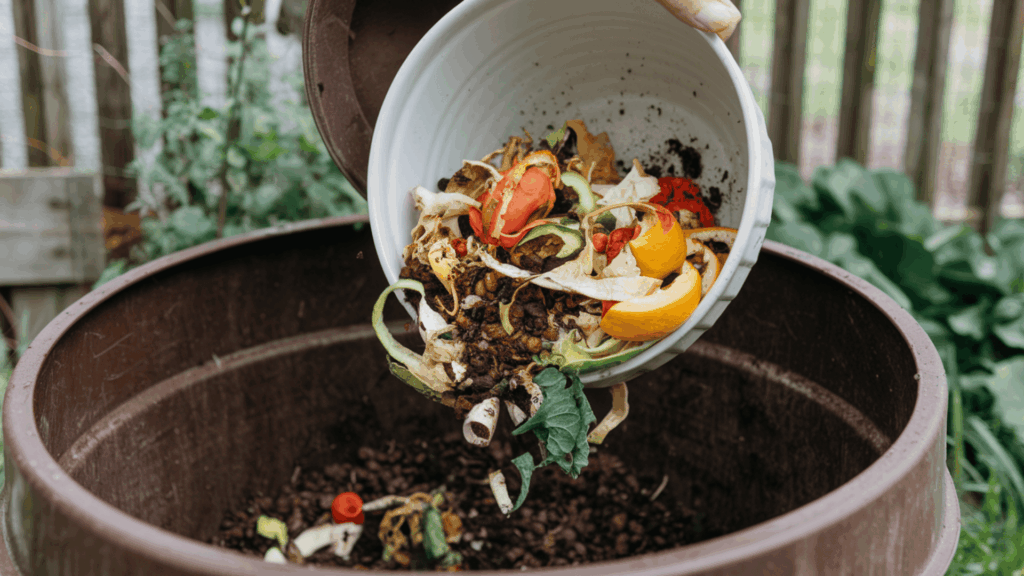
Vegetable peels, fruit rinds, and coffee grounds can go straight back into the garden rather than into the bin. When mixed into soil or added to a compost pile, they break down and release nutrients plants can actually use.
Even a small container is enough to collect scraps. It is a low-effort gardening tip that gradually improves soil quality without any extra cost.
7. Use Eggshells to Support Plant Health
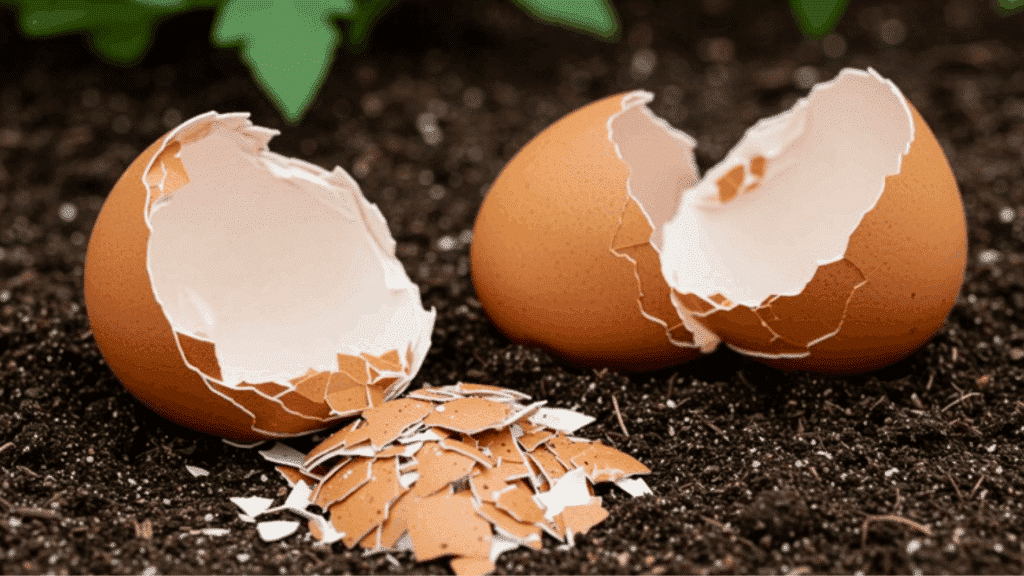
Crushed eggshells add calcium to the soil and help prevent common issues like blossom end rot in tomatoes and peppers. Rinsing and drying them before use makes the process cleaner.
Sprinkling the crushed shells around plant bases or mixing them into the soil works well for most garden types.
8. Create Self-Watering Pots with Bottles
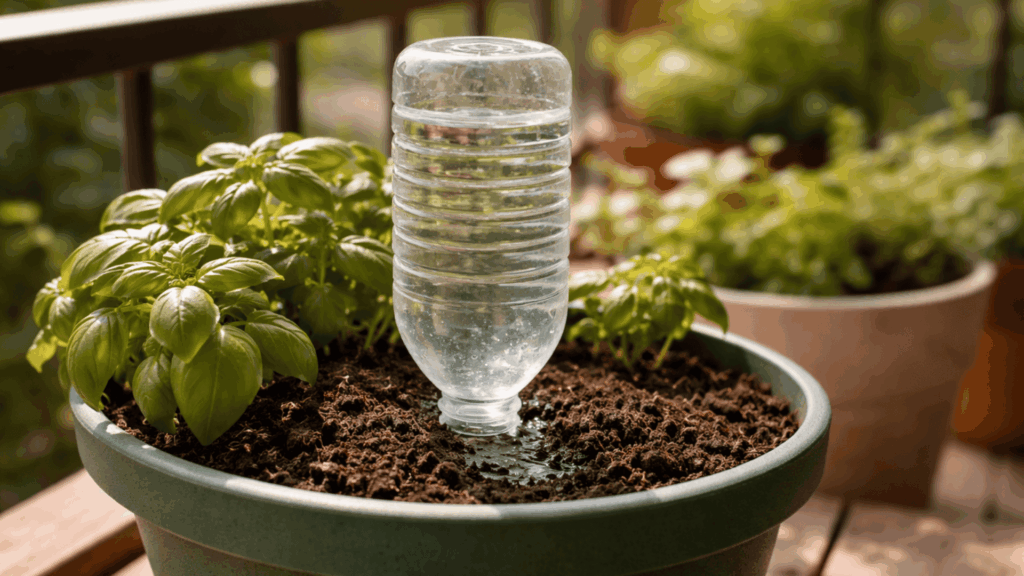
Filling a plastic bottle with water and placing it upside down in the soil allows moisture to release slowly as the top layer dries out. It is a simple garden hack that keeps watering consistent without daily effort.
This works particularly well for container plants and raised beds that tend to dry out faster than ground-level gardens.
9. Ensure Proper Drainage in Every Container
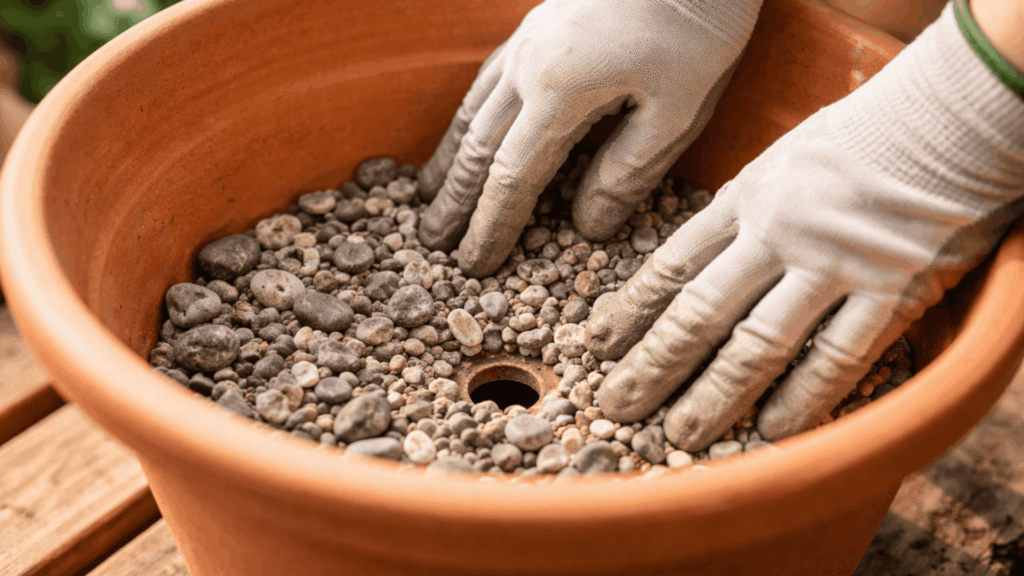
Poor drainage is one of the more damaging and easily overlooked container gardening problems.
Water that has nowhere to go sits at the bottom and causes roots to rot over time, even when watering amounts seem reasonable.
Adding holes at the base or placing small stones at the bottom before filling with soil quickly fixes this. Checking drainage before planting is a basic step that prevents many problems down the line.
10. Use Companion Planting to Reduce Pests
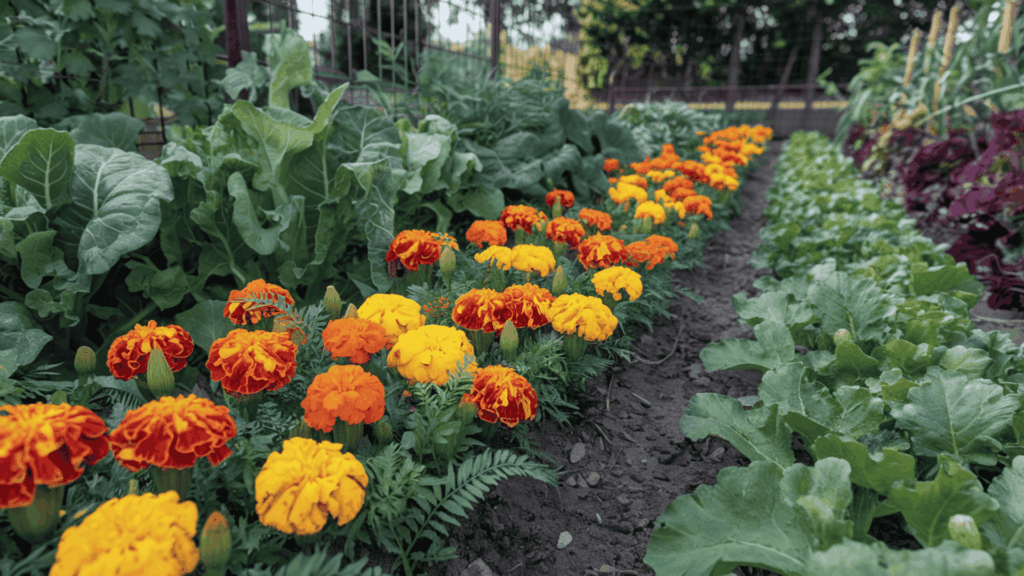
Certain plant combinations offer natural pest protection. Basil near tomatoes reduces insect pressure. Marigolds near vegetables work similarly.
It is a practical gardening tip that reduces the need for sprays or chemical treatments, especially for those managing an organic garden.
11. Space Plants to Allow Airflow
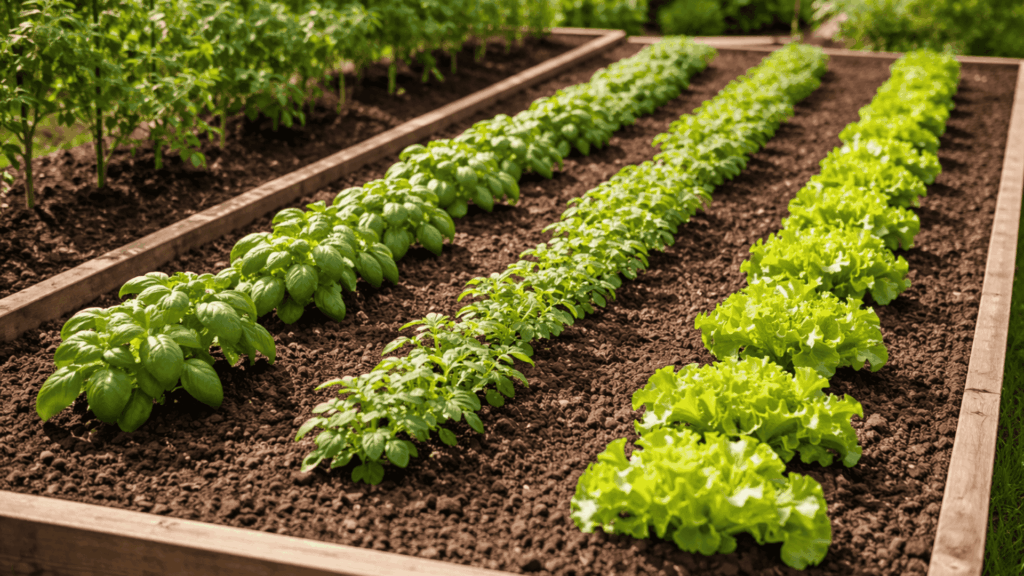
Air circulation matters more than most gardeners realise. Crowding plants too close together traps moisture and creates conditions where fungal issues and disease spread easily.
Leaving the recommended space between plants keeps the growing environment healthier overall.
It also ensures each plant has enough access to nutrients without competing with those growing right next to it.
12. Protect Plants During Extreme Heat
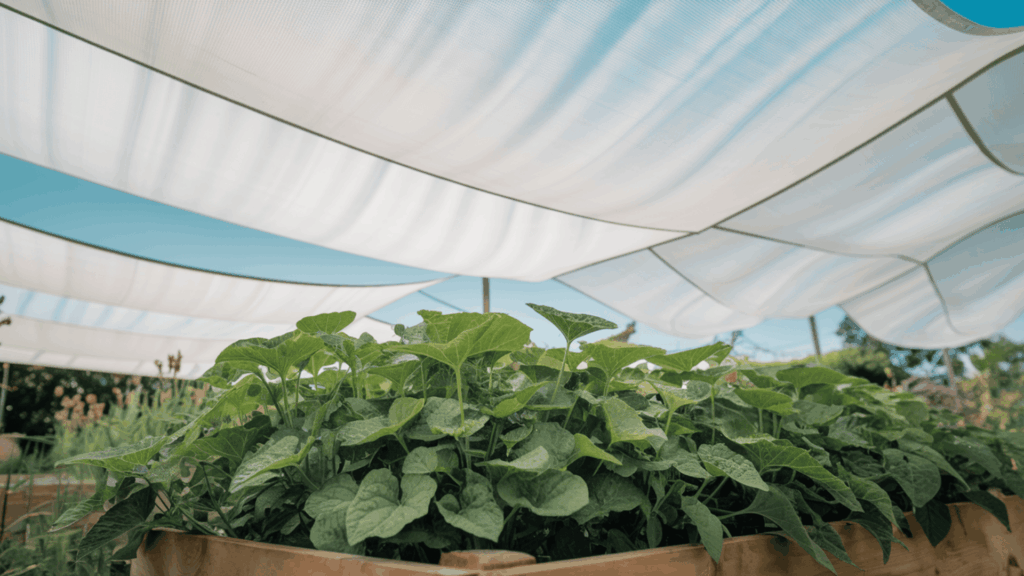
High temperatures cause leaves to wilt, dry out, or drop, especially in heat-tolerant plants. A light shade cloth or the strategic placement of taller plants to block the afternoon sun can significantly reduce that stress.
Even a short period of shade during peak heat hours helps plants recover and stay in better condition through warmer stretches.
13. Reuse Containers for Planting
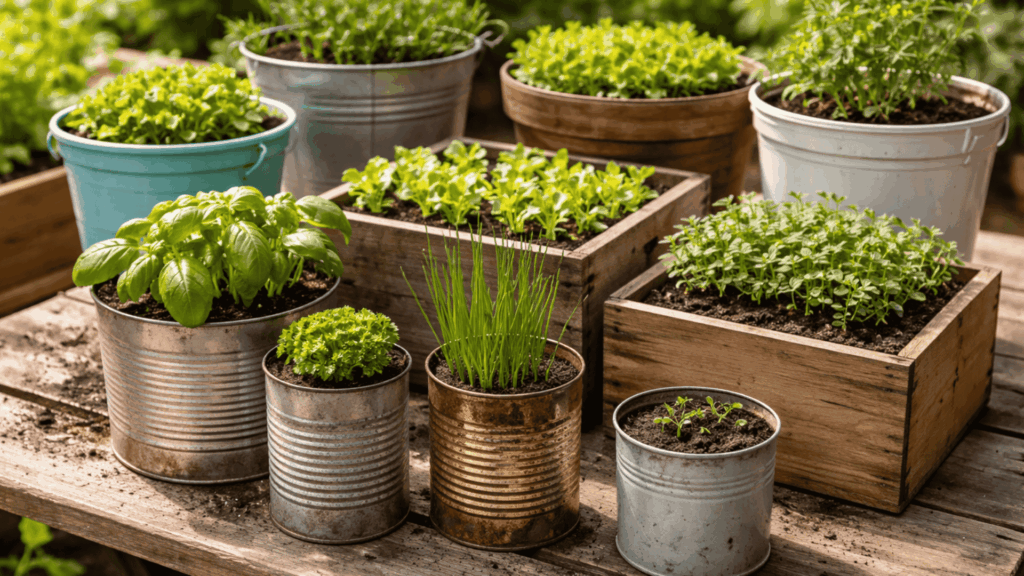
Old buckets, cans, and boxes can be turned into functional planters without spending anything. Cleaning them out and adding proper drainage holes is usually all it takes to make them ready for use.
This is one of those simple garden hacks that reduces waste and keeps costs low, especially for gardeners working with limited space or budget.
14. Remove Weeds Before They Spread
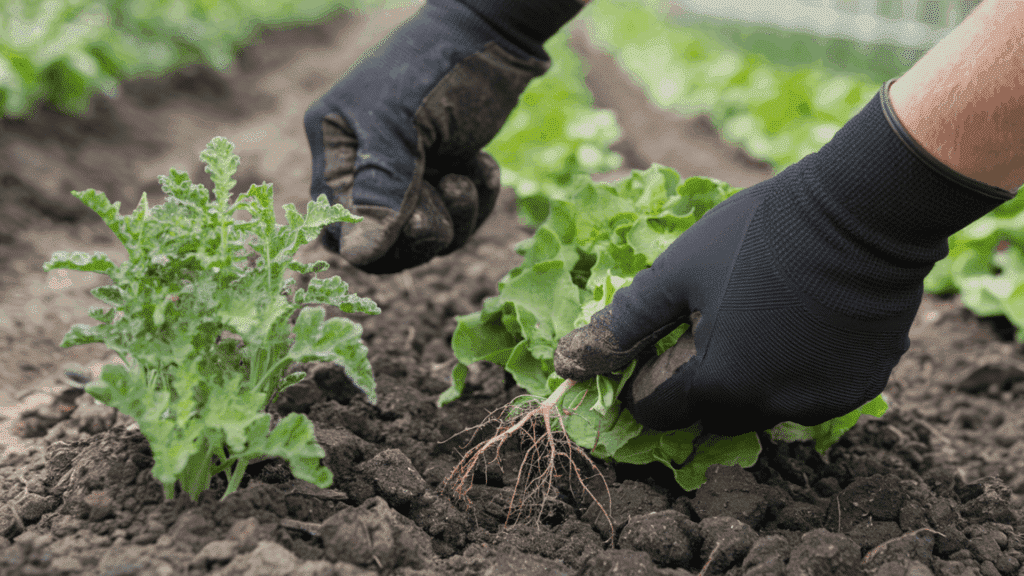
Weeds pull nutrients, water, and space away from plants that actually need them. The longer they are left in place, the harder they become to manage and the more damage they cause.
Pulling weeds out early, before they flower or seed, prevents them from spreading further across the garden.
Doing a quick check every few days takes very little time but keeps the growing space much cleaner and more productive overall.
15. Support Growing Plants with Stakes
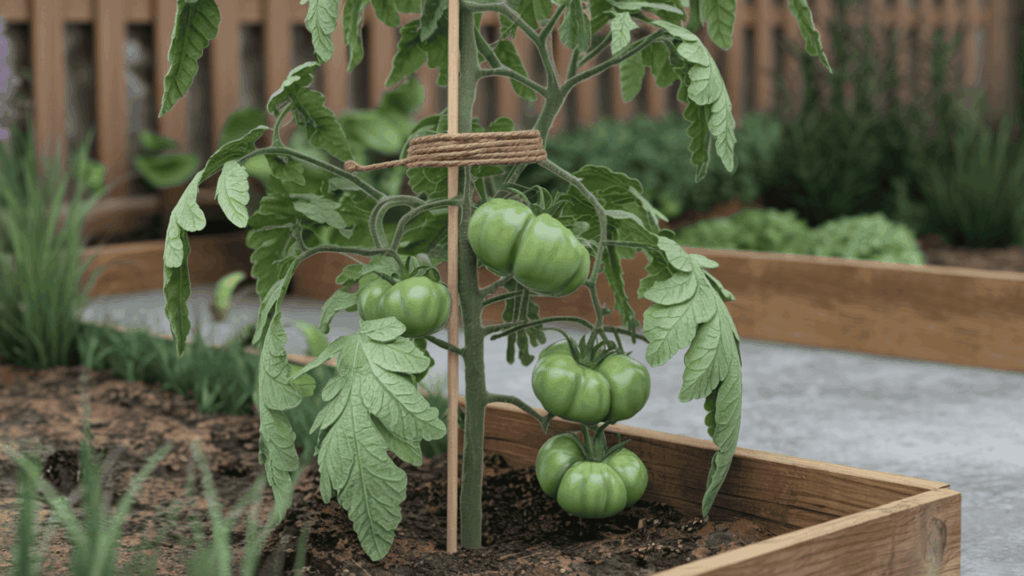
Tall or fast-growing plants often struggle to stay upright without some form of support. Staking them early, before they start leaning or falling over, prevents stem damage and keeps growth on track.
Simple wooden sticks or bamboo canes tied loosely to the plant stem work well for most varieties and cost very little to set up.
Tying the stem loosely rather than tightly is important: a firm tie can restrict growth and damage the plant over time. Checking and adjusting the support as the plant grows keeps it effective without causing harm.
16. Collect Rainwater for Daily Use
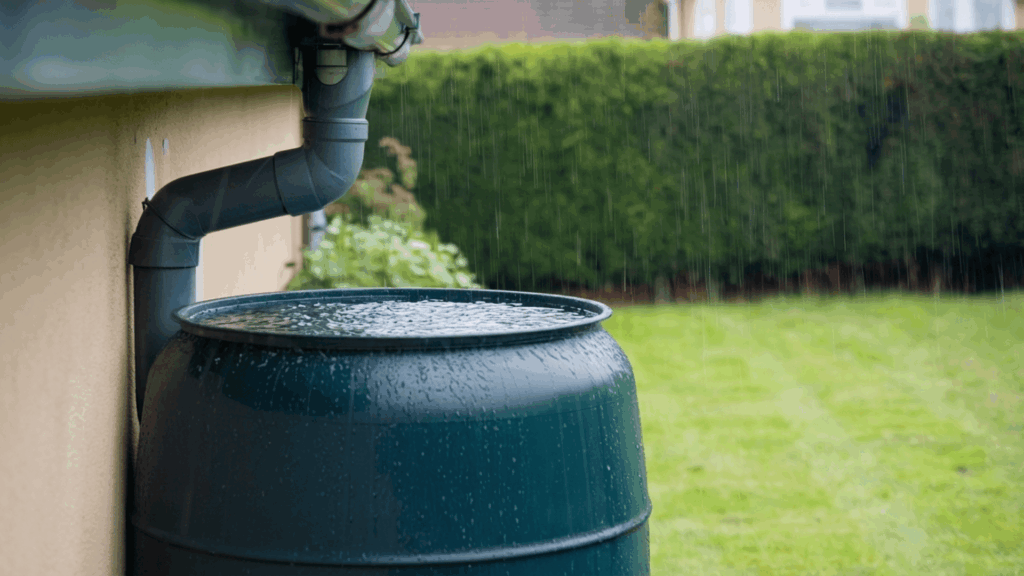
Rainwater is naturally free of the chemicals often found in tap water, making it a better option for regular garden use. Collecting it in a barrel or large container during rain is straightforward and requires minimal setup.
Using stored rainwater during dry periods reduces dependence on tap supply and keeps watering costs down.
It is one of the more practical gardening tips for anyone looking to maintain a garden efficiently through different seasons.
17. Use Natural Pest Control Methods
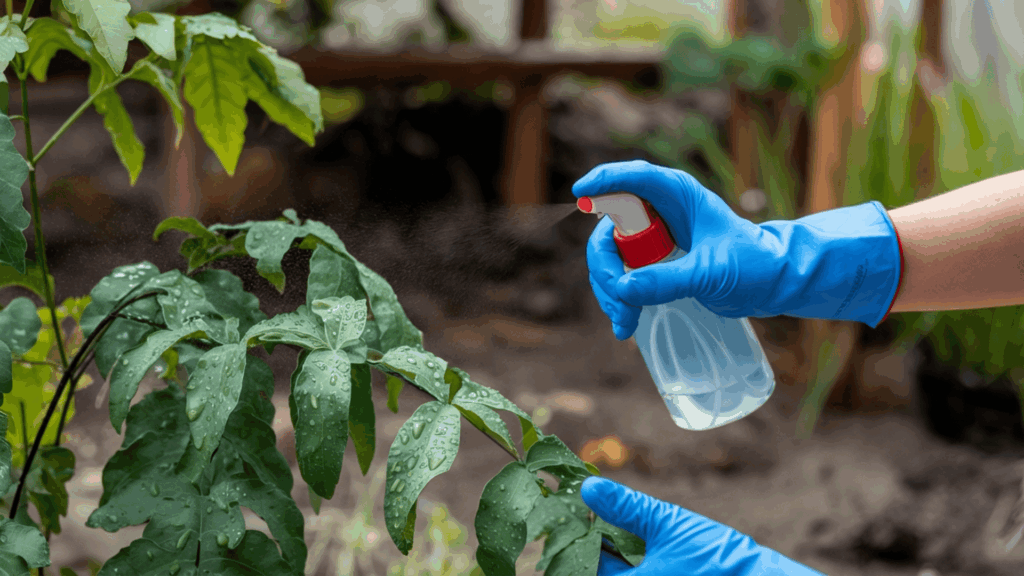
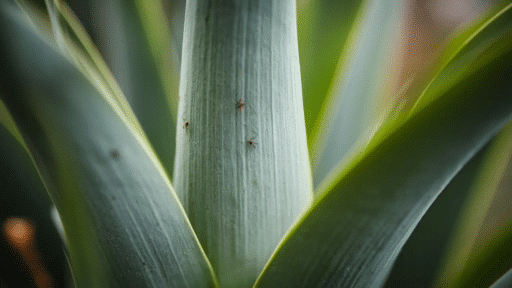
Harsh chemical sprays can affect not just pests but also beneficial insects and soil health over time.
Simple natural mixtures like diluted neem oil or a mild soap spray can manage common pest problems without those drawbacks.
Applying them early, at the first sign of pest activity, tends to be more effective than waiting until the problem becomes severe.
18. Prune Plants to Improve Growth
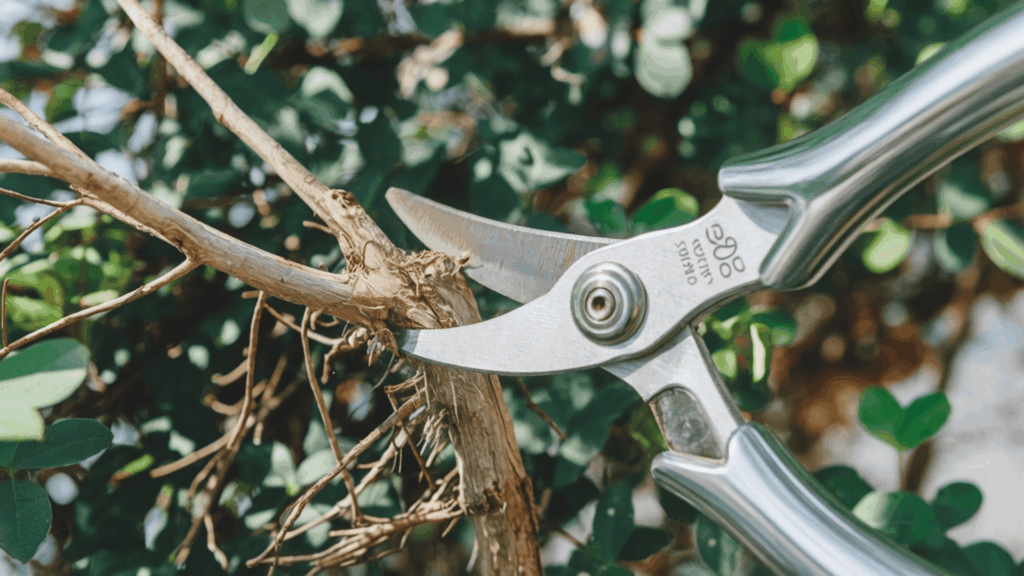
Leaving dead, damaged, or overgrown branches on a plant wastes energy that could go toward new growth. Regular pruning redirects that energy and keeps the plant producing more effectively.
It also improves airflow around the plant, reducing the risk of fungal issues in damp conditions.
Pruning does not need to be complicated. Removing the most obvious dead or crowded growth regularly is enough to make a visible difference.
19. Refresh Soil in Pots Regularly
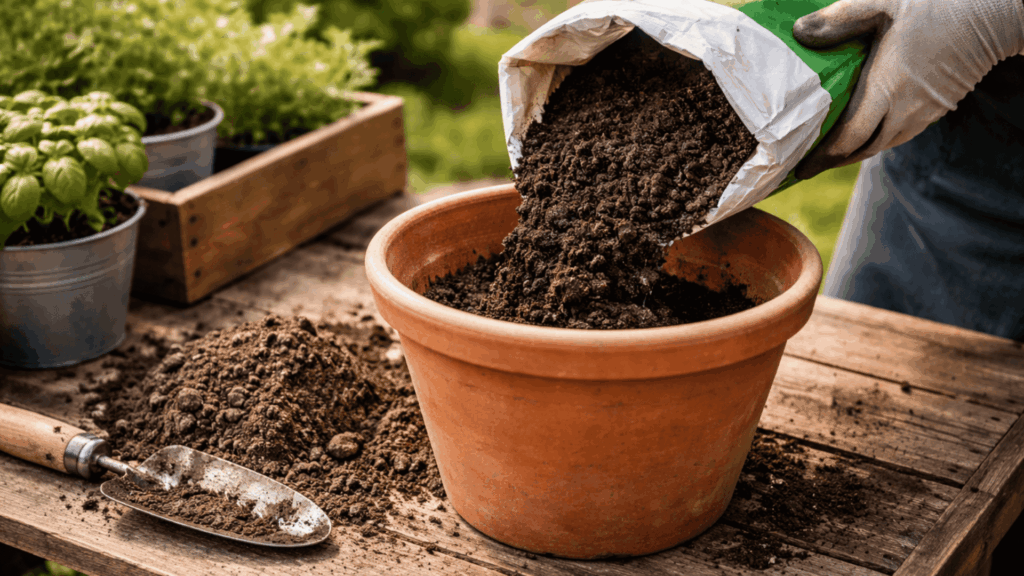
Container soil loses its structure and nutrients faster than garden bed soil. Over time, it becomes compacted, and plants growing in it start to show signs of slow or weak growth.
Replacing the top layer of soil entirely between cycles, rather than simply adding to it, gives container plants a genuinely fresh start rather than just a temporary boost.
20. Rotate Crops to Maintain Soil Health
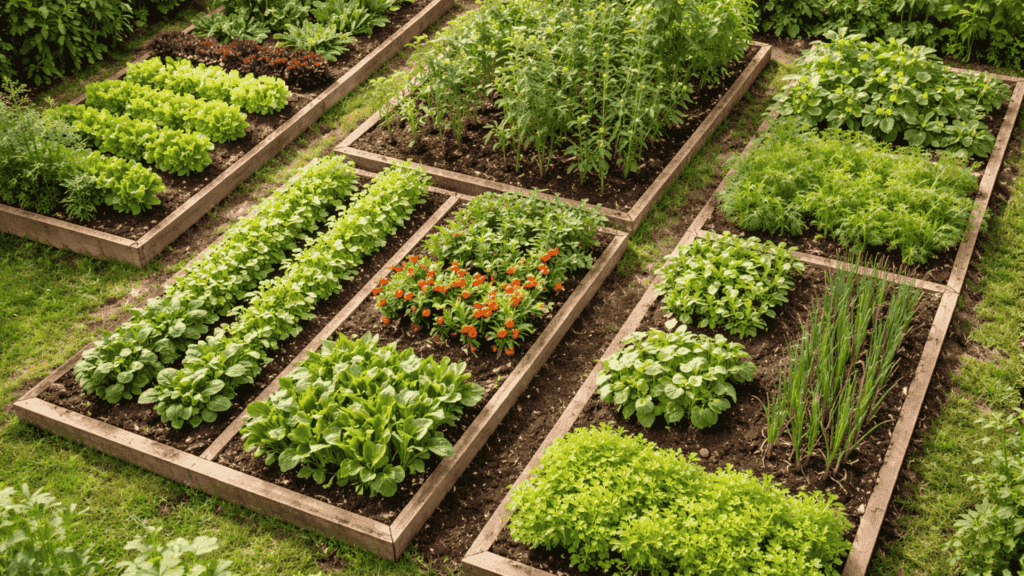
Growing the same plant in the same spot season after season depletes specific nutrients from the soil and increases the risk of disease buildup in that area. Rotating crops breaks that cycle.
Moving plant families to different spots each season allows the soil to recover and naturally reduces pest and disease pressure.
This is a straightforward gardening tip that significantly improves long-term soil quality with very little extra effort.
21. Use Shade for Delicate Plants
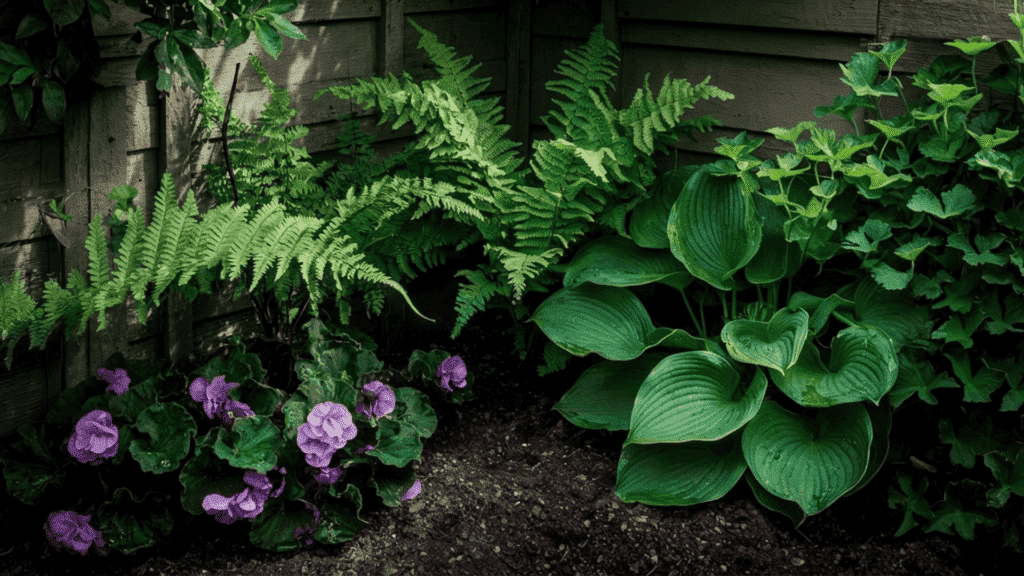
Not all plants handle the sun the same way. Ferns, hostas, begonias, and impatiens are among the varieties that grow better with limited direct exposure.
Identifying which plants in the garden fall into this category and adjusting their placement accordingly prevents a lot of unnecessary stress and slow growth
22. Keep Tools Clean to Avoid Plant Issues
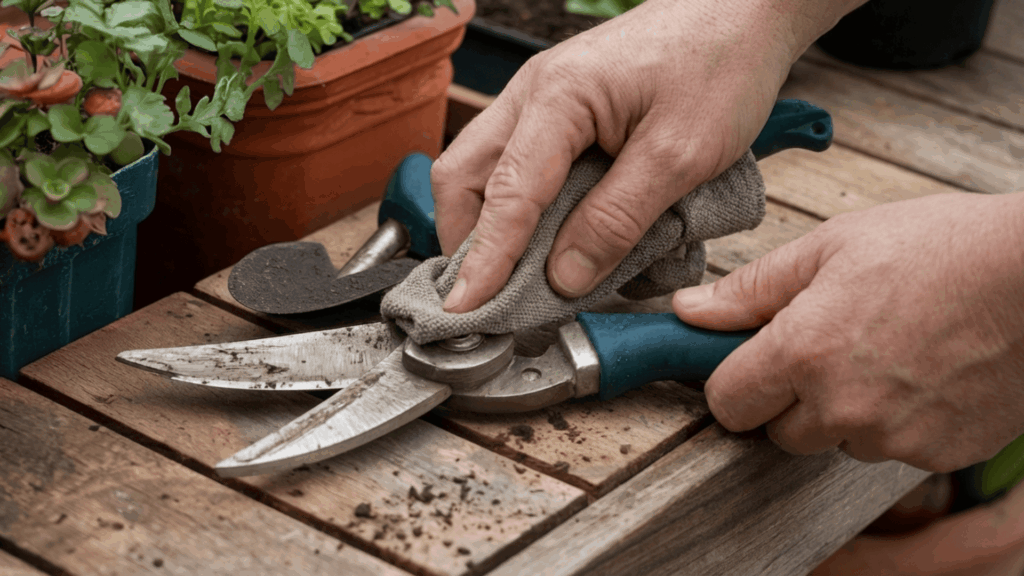
Dirty tools can carry disease from one plant to another without any obvious signs. A quick wipe-down after each use, especially after working with affected plants, helps prevent problems from spreading across the garden.
Washing tools with mild soap and letting them dry before storage is a simple habit that protects plant health over time.
23. Grow Herbs Close to The Kitchen
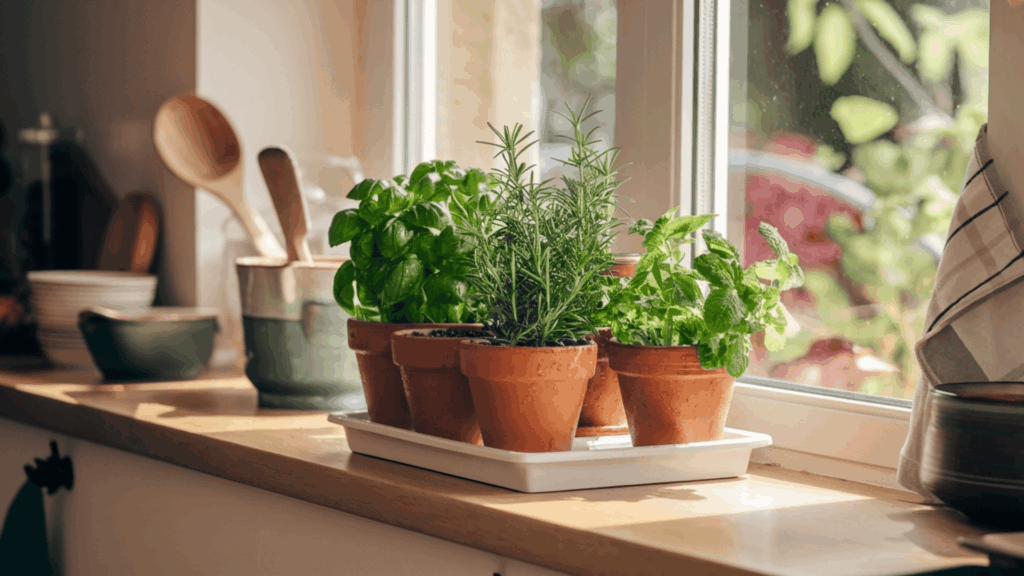
Herbs grown in containers near where they are used most often tend to receive more consistent watering and trimming, which directly supports healthier growth and better yields.
Easy access means they are less likely to be forgotten or left to overgrow. Most herbs do well in small containers, making this one of the more convenient garden hacks for anyone with limited outdoor space.
24. Test Soil Moisture Before Watering
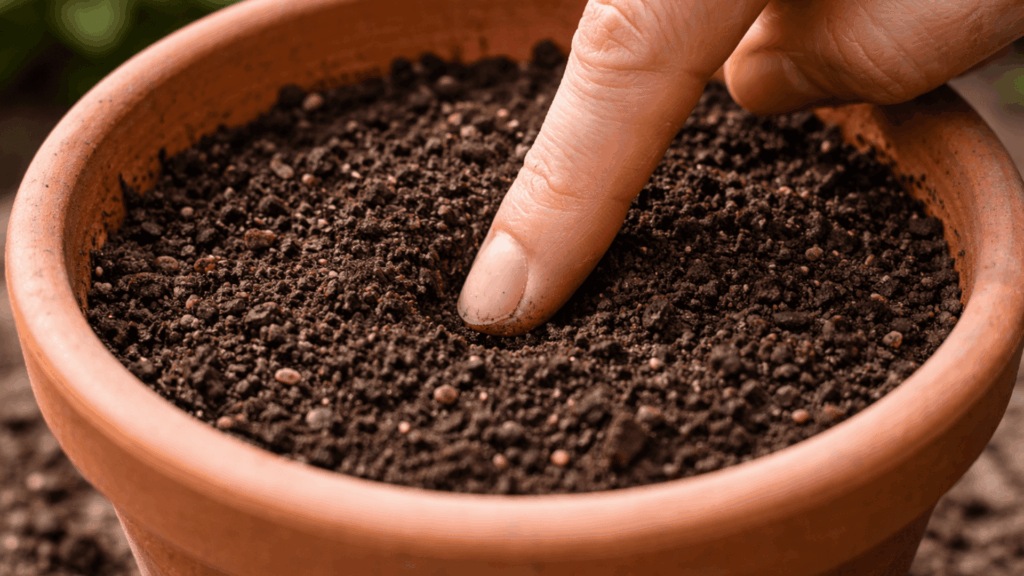
Overwatering is one of the most common gardening mistakes. Pushing a finger about an inch into the soil before reaching for the watering can gives a clear indication of whether water is actually needed.
If the soil still feels damp, waiting another day is usually the better call. This small check prevents root damage and keeps plants from developing the soggy, oxygen-deprived conditions that slow growth significantly.
25. Add Organic Matter to Improve Soil Over Time
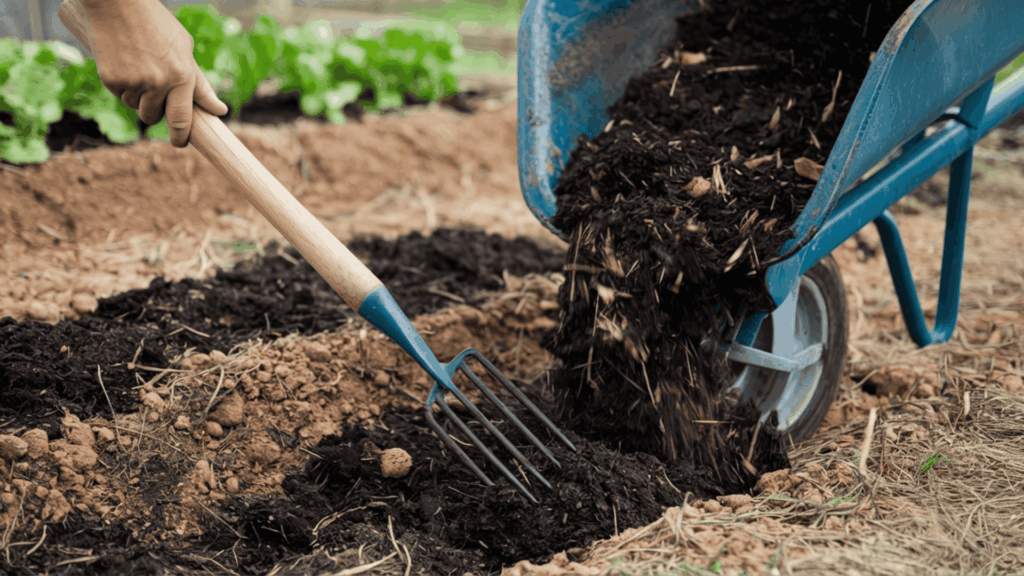
In-ground garden beds that are repeatedly planted lose nutrients and organic matter over time, even if they appear healthy on the surface.
Mixing in compost or leaf litter at the start of each growing season helps restore that balance and keeps the soil productive long term.
This approach works especially well for vegetable beds and flower borders that go through multiple planting cycles each year.
26. Use Simple Markers to Track Plants
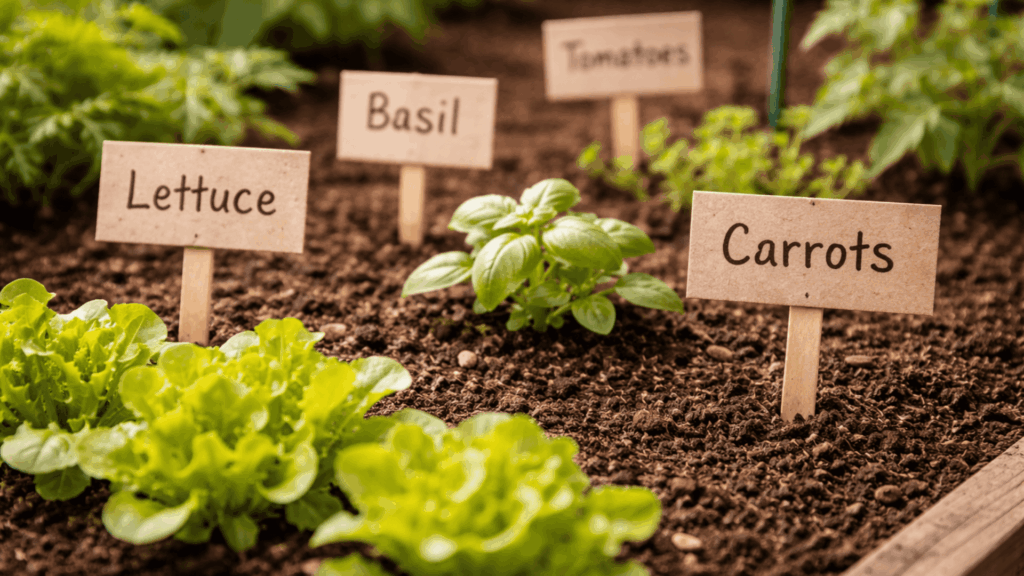
Knowing exactly what is planted where helps with watering schedules, spacing decisions, and overall garden management.
Without labels, it is easy to lose track, especially when multiple varieties are growing in the same area.
Simple tags made from garden labels or even cut pieces of cardboard work well for most setups and cost almost nothing to put together.
27. Start Small and Expand Gradually
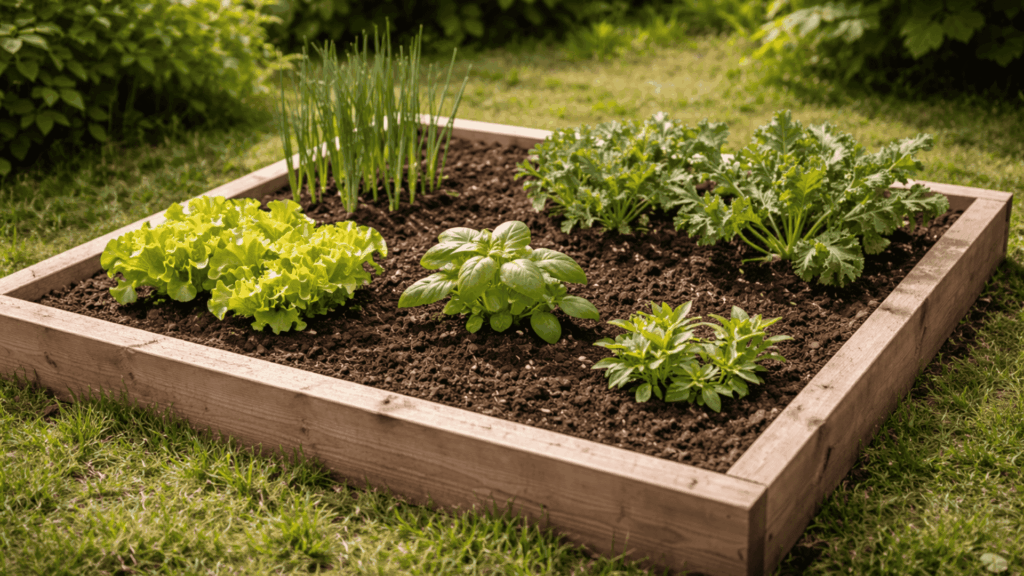
Trying to manage a large garden without prior experience often leads to plants being neglected or poorly maintained.
Starting with a small, manageable space makes it easier to apply gardening tips consistently and actually see results.
Once the basics are under control and plant care feels more routine, expanding the space or adding new varieties becomes much more straightforward.
Conclusion
Gardening does not have to be complicated or expensive to produce real results.
The gardening tips and garden hacks covered above are built around one idea: small, consistent actions lead to healthier plants and a more manageable garden over time.
Better soil, smarter watering, natural pest control: none of it requires expert knowledge or a large budget. The key is to apply these practices regularly and adjust based on each plant’s actual needs.
For anyone looking to improve their garden, starting with just two or three of these tips and building from there is the most practical and effective approach.

With a Master’s in Landscape Architecture from the University of Virginia, Sophia Stephenson has dedicated the last 20 years to creating and maintaining vibrant outdoor spaces. Her professional journey started in landscape design, where she gained a reputation for innovative and sustainable approaches. Sophia became a part of our editorial team as a freelancer in 2019, offering a fresh perspective on outdoor living. Since 2020, she has been the chief for our outdoor design content, blending aesthetic appeal with environmental stewardship. In her leisure time, Sophia is a keen photographer, capturing the beauty of natural landscapes, a hobby that complements her professional expertise.