
Vinyl siding is a popular choice for homeowners because it is durable, low-maintenance, and cost-effective.
If you’re wondering: how long does vinyl siding last? The answer depends on factors like climate, installation quality, and upkeep. While it is designed to withstand weather, sunlight, and daily wear, its lifespan can vary depending on exposure to extreme conditions and maintenance.
Understanding what affects durability can help you get the most out of your siding and know when it may need repair or replacement. Catching problems early can protect your home before the damage spreads.
How Long Does Vinyl Siding Last on Average?
Vinyl siding is one of the more durable exterior options available.
- Standard vinyl siding typically lasts 20 to 30 years. It works well under normal weather conditions, but thinner panels may wear faster in extreme climates.
- Insulated vinyl siding generally lasts 25 to 40 years. The foam backing adds structural support and helps it withstand impacts and temperature swings better.
- Thick premium vinyl siding can last 40 years or more with proper care. It is more resistant to cracking, fading, and warping, though it comes at a higher upfront cost.
What Factors Affect How Long Vinyl Siding Lasts?
Several conditions work together to determine how long vinyl siding lasts on a home.
| Factor | What Happens | Impact on Siding |
|---|---|---|
| Climate Conditions | UV rays, wind, storms, and freeze-thaw cycles affect panels | Fading, cracking, loosening, and gaps over time |
| Installation & Material | Poor sealing, tight nailing, or thin materials | Moisture damage, warping, denting, reduced lifespan |
| Maintenance Practices | Skipping cleaning and mold treatment | Faster deterioration and surface damage |
Signs Your Vinyl Siding Needs Replacement
Vinyl siding can last for decades, but it does show warning signs when it starts to fail. Some of these signs may only require repair, while others indicate a full replacement. Here are signs to watch for.
1. Cracks or Holes in The Panels
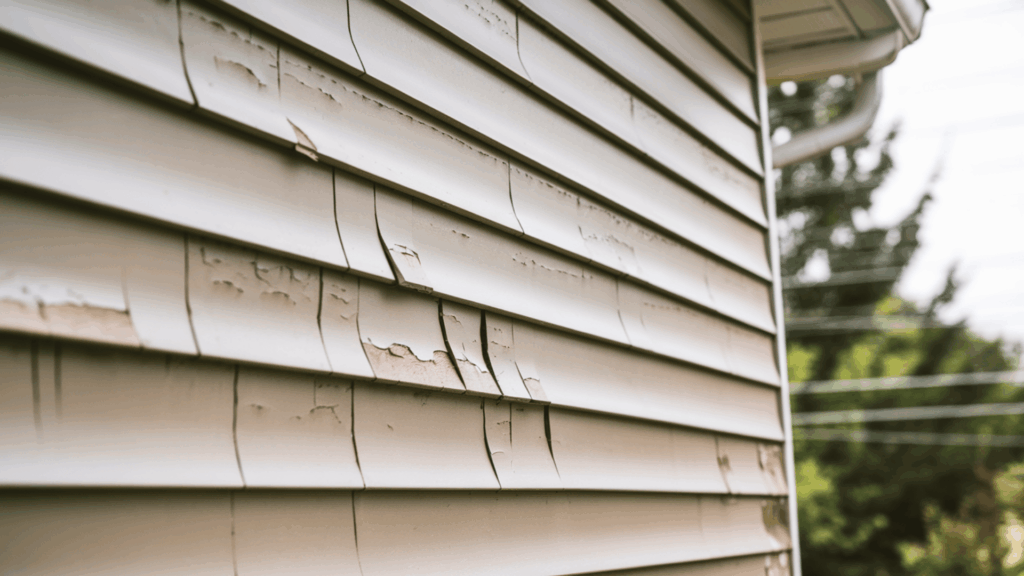
Cracks and holes are among the most obvious signs that something is wrong with your siding. They can result from storm debris, hail impact, or simply the material aging and becoming brittle over time.
Even small cracks are worth taking seriously. They allow water to get behind the panels, which can damage the wall underneath and lead to mold or rot if left unaddressed.
2. Warping or Buckling Panels
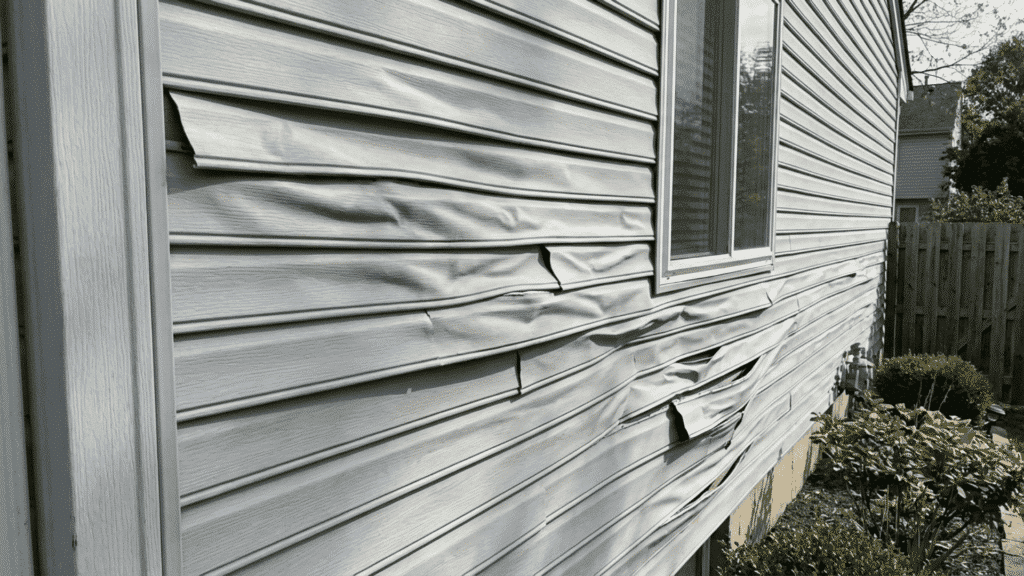
Siding that curves outward or buckles along the wall is no longer performing its intended function. This usually happens when panels are exposed to excessive heat or not installed with enough room to expand and contract.
Once siding warps, it cannot be pressed back into place. The gaps it creates leave your walls open to moisture and air infiltration, which makes replacement the more practical option in most cases.
3. Severe Fading Across Large Areas
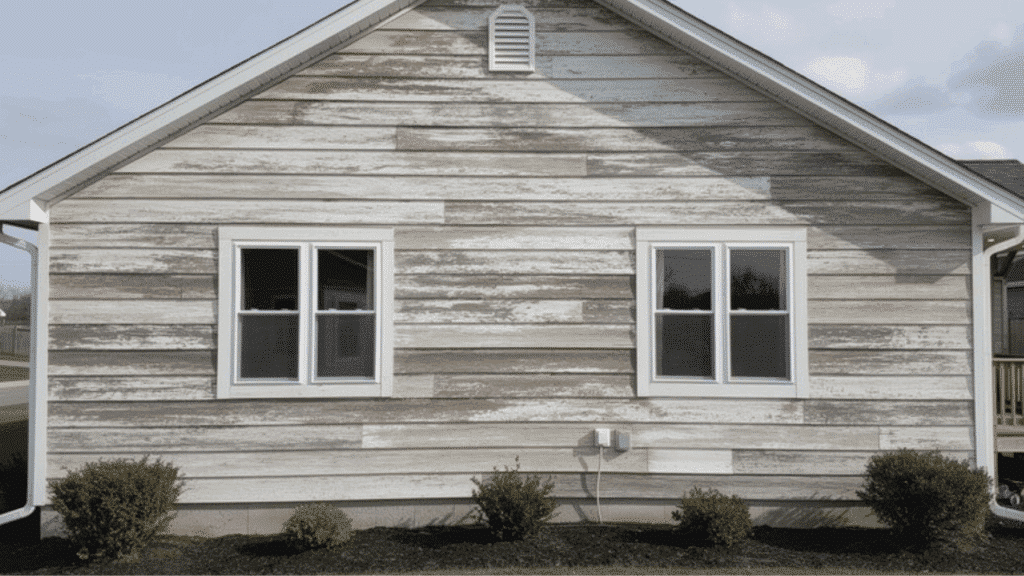
Some fading over time is normal. But when large sections of siding lose their color significantly and unevenly, it is a sign that the material has been weakened by long-term exposure to the sun.
Faded siding is not just a cosmetic issue. When UV rays break down the surface of the panels, the material becomes more prone to cracking and impact damage. If the fading is widespread, replacing the siding is worth considering.
4. Loose or Missing Panels
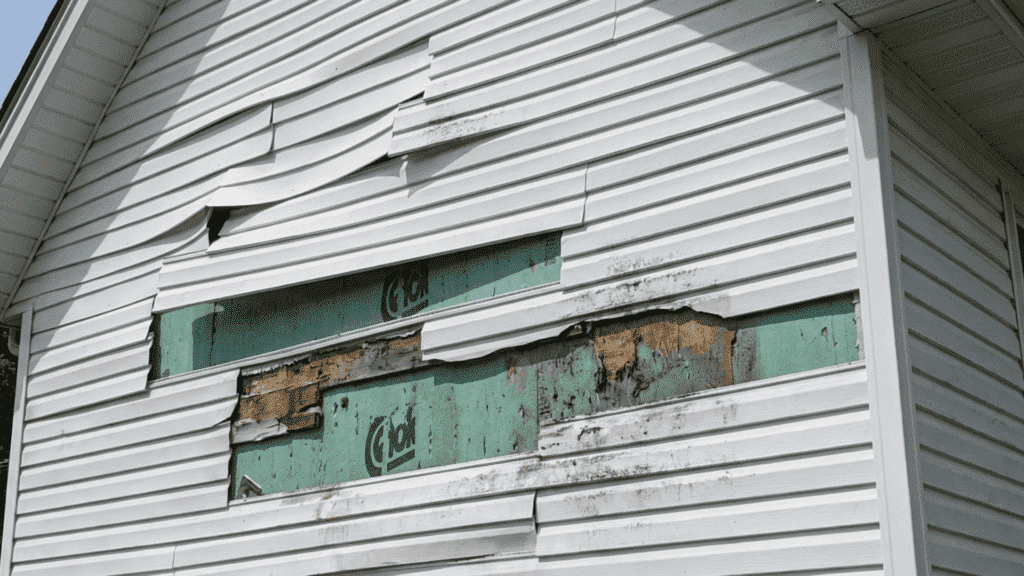
Panels that have come loose or gone missing entirely leave the wall underneath fully exposed to rain, wind, and temperature changes.
This usually happens due to strong winds or fasteners that have worn out over time. A single loose panel can sometimes be refastened.
But if multiple panels are shifting, pulling away, or missing across different areas of the home, it is a strong sign that the siding as a whole needs to be replaced.
5. Mold or Mildew Growing on the Surface
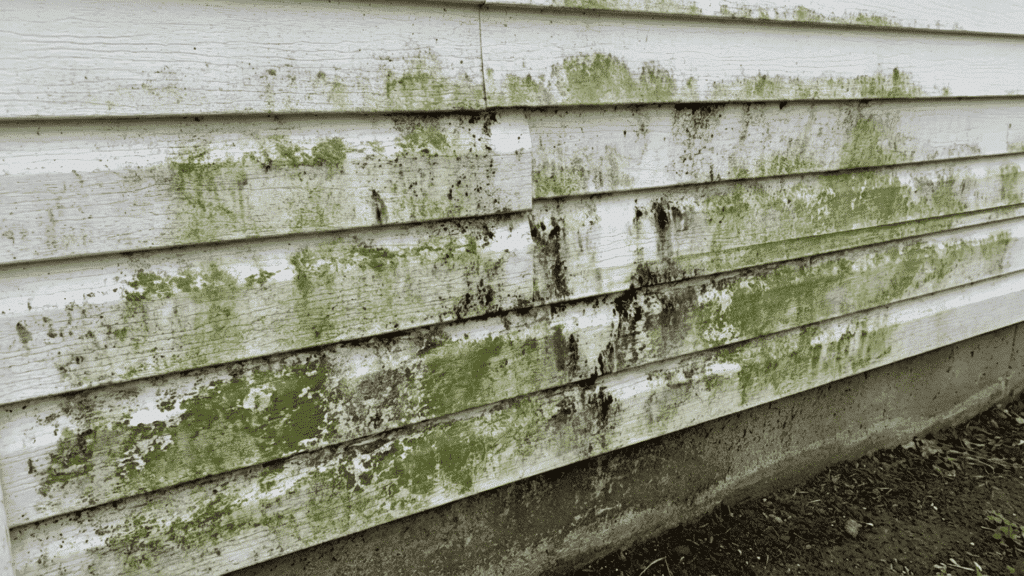
A small patch of mold on the surface can sometimes be cleaned off. But when mold or mildew keeps coming back or appears in multiple spots, it often points to a deeper problem.
Persistent mold growth is frequently a sign that moisture has become trapped behind the siding. At that point, simple surface cleaning is not enough, as the problem has likely spread into the wall structure itself
6. Bubbling or Blistering Panels
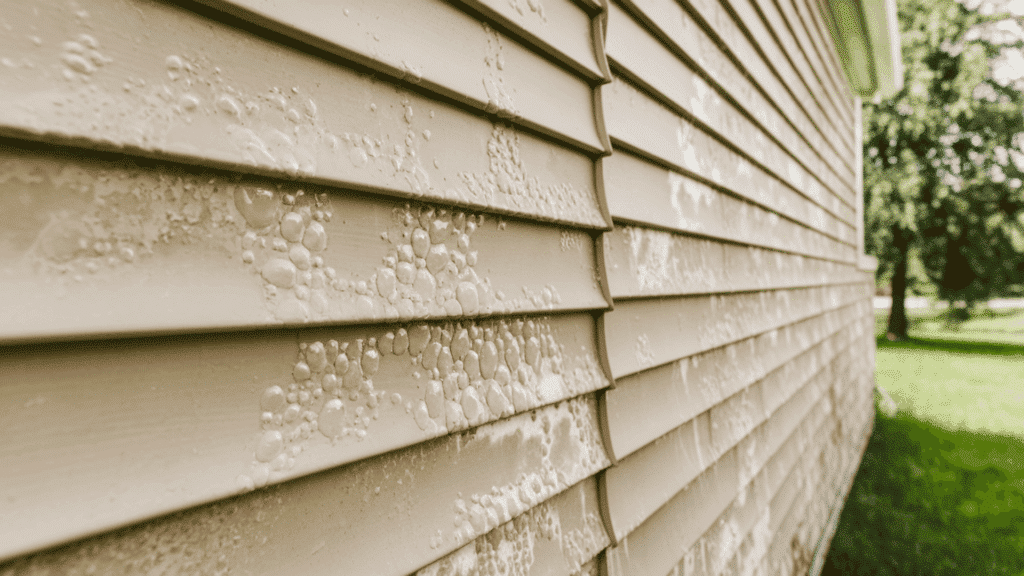
Bubbling or blistering on the surface of siding panels is a sign that something has gone wrong beneath the material.
It usually means that heat or moisture has accumulated between the siding and the wall beneath. This type of damage affects the structural integrity of the panels, meaning they are no longer flush against the wall.
Once blistering spreads across multiple panels, the siding has likely lost its structural integrity and should be replaced.
7. Interior Wall Moisture or Water Damage
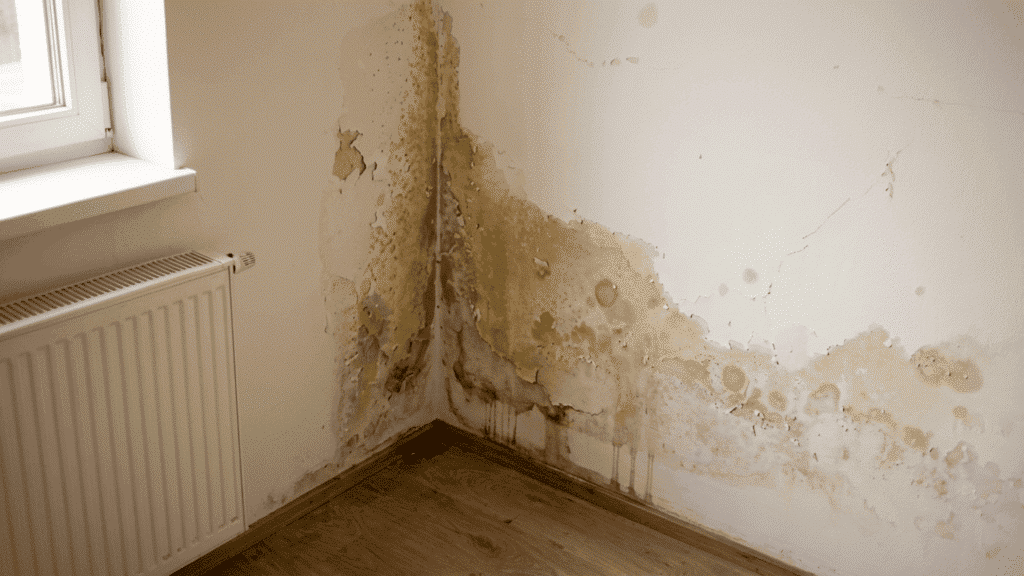
If you notice peeling paint, soft spots, or water stains on your interior walls, your siding may be the cause. Gaps, cracks, or failing seals in the siding can allow rainwater to work its way through and into the wall structure.
Interior water damage is a serious sign that should not be ignored. By the time moisture appears inside the home, it has often already caused damage to the insulation and framing behind the walls. The sooner it is addressed, the less it will cost to fix.
8. Rising Heating or Cooling Bills
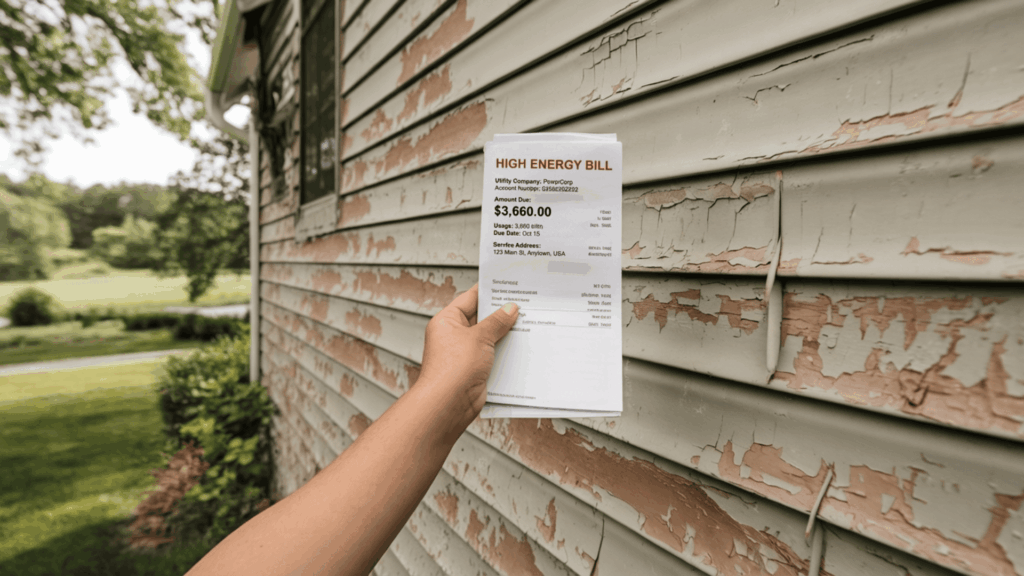
If your energy bills have been climbing without a clear reason, your siding could be contributing to the problem. Damaged or deteriorating siding loses its ability to properly insulate the home, allowing conditioned air to escape and outside temperatures to affect the interior.
This sign is easy to overlook because it does not show up as visible damage. But if your bills are consistently higher and your siding is aging, it is worth having a professional inspect the exterior to see if the siding is affecting your home’s energy efficiency.
9. Frequent Repairs Over Time
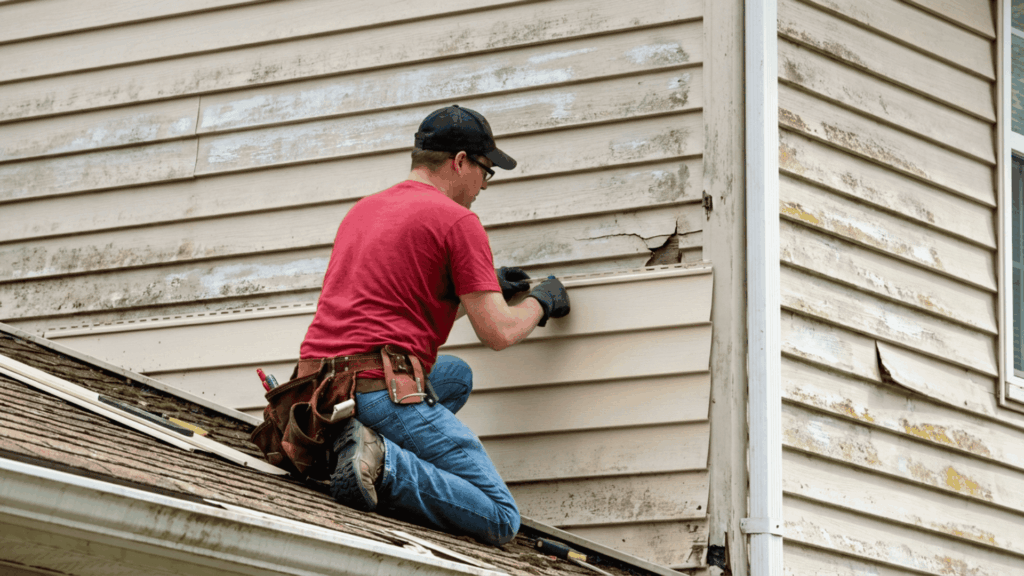
The occasional repair is normal. But if you find yourself fixing the same panels repeatedly or dealing with a new issue every season, it is a sign that the siding has reached the end of its useful life.
At some point, the cost of ongoing repairs adds up, and replacement becomes the more sensible option.
If you have been wondering how long does vinyl siding last and yours is already 20 to 30 years old with constant issues, investing in new siding will likely save you more money and trouble in the long run.
If you notice more than 2 or 3 of these signs at the same time, it is worth calling a siding professional for a full inspection.
Cost to Replace Vinyl Siding
Once you have determined that your siding needs replacing, knowing what to budget for helps you plan ahead. Here is a general breakdown of what you can expect to pay.
- Average cost per square foot: $6 to $12
- Total cost for a 1,500 sq ft home: $9,000 to $18,000
- Insulated vinyl siding: $10 to $16 per sq ft
- Labor cost: $2 to $5 per sq ft
- Removal of old siding: $1,000 to $3,000
When Vinyl Siding Can Be Repaired Instead of Replaced
Not every issue with vinyl siding calls for a full replacement. In some cases, a targeted repair is all that is needed. Here is a quick overview of when repair is a reasonable option.
| Situation | Repair Possible? | What to Do |
|---|---|---|
| Damage is limited to one or two panels | Yes | Swap out only the affected panels |
| Minor storm damage with no wall moisture | Yes | Replace individual panels as needed |
| Siding still within its expected lifespan | Yes | Address damage promptly to extend usability |
| Multiple signs of failure across large areas | No | Full replacement is the more practical route |
| Moisture damage was found behind the siding | No | Inspect the wall structure before any repair or replacement |
How to Extend the Lifespan of Vinyl Siding
Taking care of your siding does not require much time or money. A few simple habits can go a long way toward getting the most out of the lifespan of vinyl siding on your home.
- Clean siding once or twice a year: Use a soft brush with mild soapy water to remove dirt and mildew. Regular cleaning stops grime from holding moisture against the surface over time
- Inspect siding after severe weather: Check the exterior for cracks, loose panels, or warping after a major storm. Early action prevents small issues from becoming costly repairs
- Keep gutters and drainage clear: Clogged gutters cause water to overflow and run behind the siding. Proper drainage keeps moisture away from the wall system
- Use proper cleaning methods: Avoid high-pressure washing directly on the siding, as it can loosen panels and force water behind the surface
- Trim nearby trees and shrubs: Branches rubbing against panels can scratch and crack the surface. Keeping vegetation trimmed back reduces the risk of physical damage
Conclusion
Vinyl siding is a solid long-term investment, but it does need attention over the years.
The question of how long does vinyl siding last comes down to three things: the quality of the material, how well it was installed, and how consistently it is maintained.
Cracks, warping, mold, loose panels, and rising energy bills are all signs that your siding may be in need of replacement.
Make it a habit to inspect your exterior at least once a year. Staying on top of small issues is the simplest way to protect your home for the long haul.

With a Master’s in Architecture from the University of California, Berkeley, Alexander Martin has dedicated the last 18 years to enhancing outdoor living through thoughtful and robust structure design. His career kicked off in urban planning, giving him a unique perspective on integrating structures into diverse environments. In 2019, Alexander brought his expertise to our website, offering insights into creating versatile outdoor spaces. Since then, he has been the lead advisor for our outdoor design projects and is known for his ability to merge functionality with environmental consciousness. Alexander enjoys rock climbing outside of work and participates in community development projects, activities that reflect his passion for the outdoors and sustainable design.